PlantSowGrow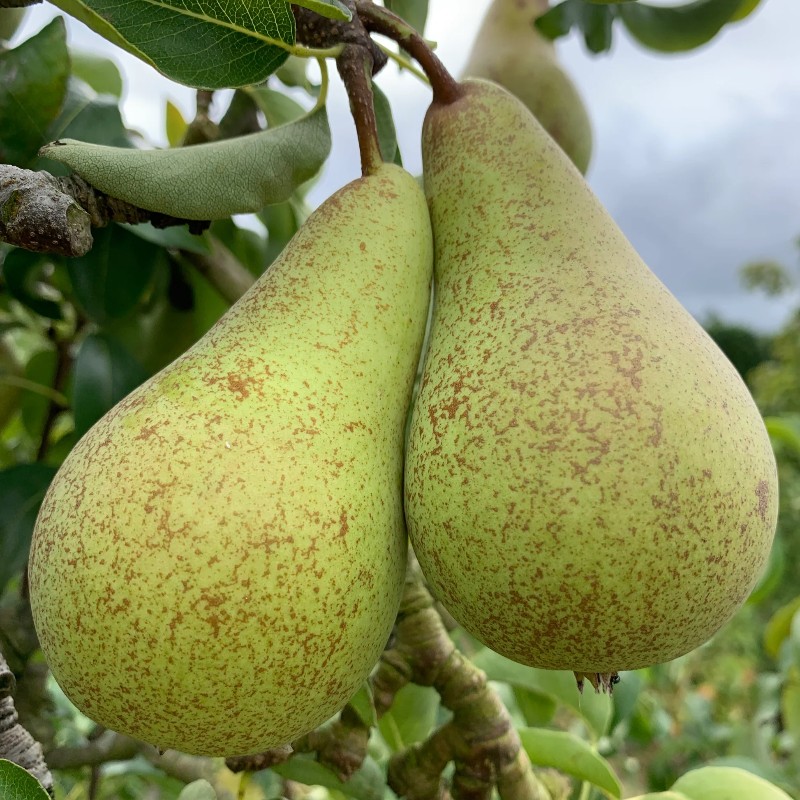
How to plant and care for Pear (Concorde)
Pyrus communis
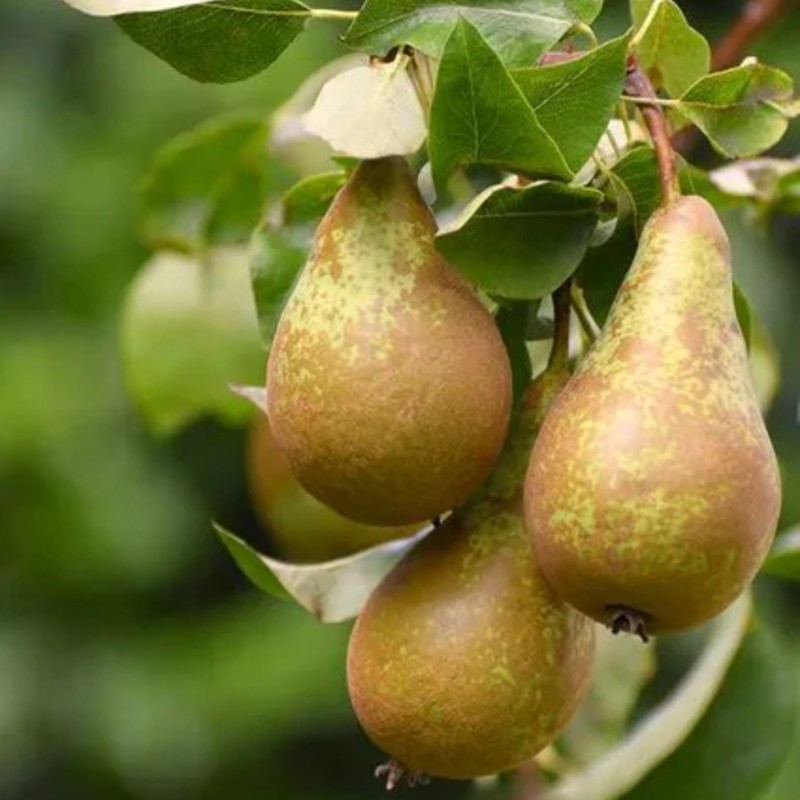
A popular dessert pear known for its crisp, juicy texture and sweet, aromatic flavor. 'Concorde' is a cross between 'Conference' and 'Doyenné du Comice', offering good disease resistance and reliable cropping. Excellent for eating fresh, cooking, or storing.
At a glance: harvest in September.
When to plant and care for it
Timed for a typical UK garden (last frost mid-April). The app uses your own town's frost dates.
Growing Pear (Concorde): what it needs
- Light
- Full sun · 6+ hours a day
- Watering
- Regularly during establishment (first 1-2 years), then as needed during dry periods.
- Soil
- Well-draining, fertile loam · pH 6.0–7.0
- Spacing
- 4-6m (standard), 2-3m (dwarf/semi-dwarf)
- In pots
- Grows well in containers
- Feeding
- Apply a balanced, slow-release fertilizer in early spring annually.
- Harvest
- About 100 days from sowing
- Hardiness
- USDA zones 4–8
- Difficulty
- Intermediate
Step by step
- On planting day
Plant Pear Tree
Dig a hole twice as wide as the root ball and just as deep. Ensure the graft union is above the soil line. Plant in late winter or early spring.
- Straight after “Plant Pear Tree”
Water In Thoroughly
Water deeply immediately after planting to settle the soil around the roots and remove air pockets.
- 1 day after “Water In Thoroughly”
Stake Pear Tree (if needed) (optional)
Install a sturdy stake to support the young tree for its first 1-2 years, especially in windy areas, to prevent root rock.
- 30 days after “Stake Pear Tree (if needed)”
First Fertilization
Apply a balanced, slow-release fertilizer around the drip line in early spring of the first year to encourage establishment.
Every year
- FebruaryDormant Pruning
In late winter/early spring before bud break, remove dead, diseased, or crossing branches. Shape the tree to an open vase or central leader system.
- MarchSpring Fertilization
Apply a balanced fertilizer (e.g., 10-10-10) around the drip line as new growth begins in early spring.
- AprilSpring Pest & Disease Check
Inspect leaves and branches for signs of common pear pests (e.g., aphids, pear psylla) or diseases (e.g., pear scab, fire blight). Address issues promptly.
- JuneThin Fruit (if needed)
If fruit set is heavy, thin clusters to 1-2 pears every 15-20cm (6-8 inches) in early summer to encourage larger, healthier fruit and prevent branch breakage.
- JulySummer Pruning (Optional)
Lightly prune in summer to remove water sprouts, vigorous upright growth, or to maintain shape. Avoid heavy pruning which can stimulate new growth susceptible to winter damage.
- SeptemberHarvest Concorde Pears
Harvest in late summer to early autumn (typically September-October) when pears are firm but easily detach from the branch with a slight twist. They ripen best off the tree.
- OctoberApply Autumn Mulch
Apply a 5-10cm (2-4 inch) layer of organic mulch (e.g., wood chips, compost) around the base of the tree, keeping it away from the trunk, to conserve moisture, suppress weeds, and insulate roots.
Good companions
comfrey,nasturtium,dandelion