PlantSowGrow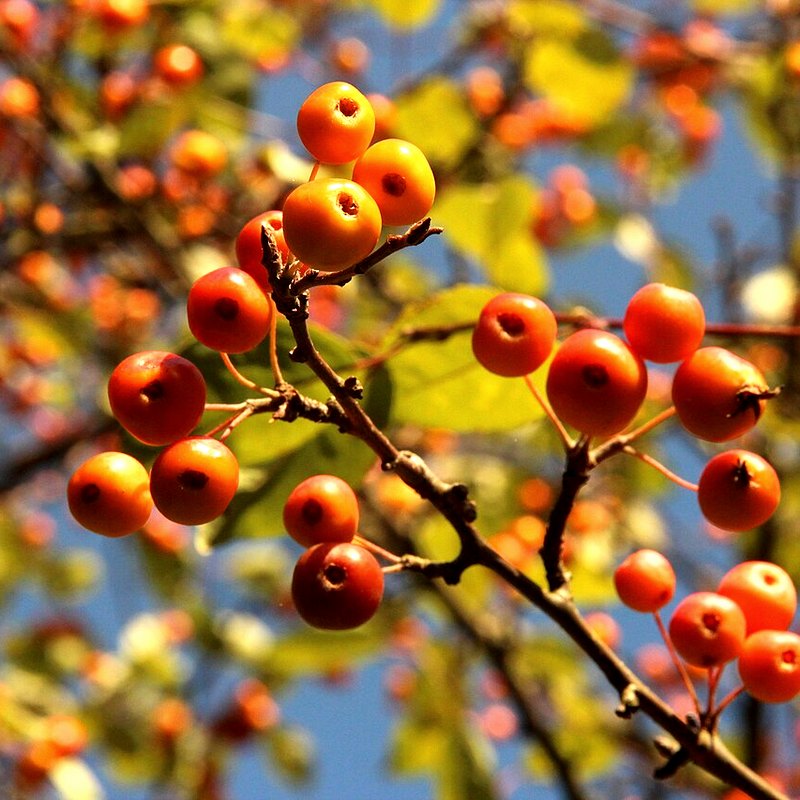
How to plant and care for Crab Apple (Red Sentinel)
Malus × robusta 'Red Sentinel'
Ornamental crab apple tree known for its profusion of bright red, persistent fruits and white spring blossoms. Fruits are edible and excellent for jellies.
At a glance: harvest in September.
When to plant and care for it
Timed for a typical UK garden (last frost mid-April). The app uses your own town's frost dates.
Growing Crab Apple (Red Sentinel): what it needs
- Light
- Full sun · 6+ hours a day
- Watering
- Regularly during establishment, then during dry spells
- Soil
- Well-draining, fertile loam · pH 6.0–7.0
- Spacing
- 5-7m apart
- In pots
- Best in the ground
- Feeding
- Annually in early spring with a balanced tree fertilizer.
- Hardiness
- USDA zones 4–8
- Difficulty
- Easy
Step by step
- On planting day
Plant Crab Apple Tree
Dig a hole twice as wide as the root ball and just as deep. Place the tree, ensuring the root collar is at soil level. Backfill with soil.
- Straight after “Plant Crab Apple Tree”
Water In Thoroughly
Water deeply immediately after planting to settle the soil around the roots.
- 1 day after “Water In Thoroughly”
Install Tree Stakes (if needed) (optional)
For young or bare-root trees, install 1-2 stakes to provide support for the first 1-2 years. Avoid rubbing against the trunk.
- 7 days after “Install Tree Stakes (if needed)”
Apply Initial Feed
Apply a slow-release, balanced tree fertilizer or compost around the base of the tree, keeping it away from the trunk.
- 14–60 days after “Apply Initial Feed”
Monitor Establishment
Regularly check the tree for signs of stress, pests, or disease. Water deeply during dry spells for the first year.
Every year
- FebruaryDormant Pruning
Prune to remove dead, diseased, or crossing branches. Shape the tree and encourage good air circulation. Best done in late winter/early spring before new growth.
- MarchSpring Fertilizing
Apply a balanced, slow-release granular fertilizer or well-rotted compost around the drip line of the tree to support new growth.
- AprilSpring Mulching
Apply a fresh layer of organic mulch (e.g., wood chips, compost) around the base of the tree to retain moisture and suppress weeds.
- AprilSpring Pest/Disease Check
Inspect new foliage and blossoms for early signs of pests (e.g., aphids) or diseases (e.g., scab).
- JuneSummer Watering Check (June)
Check soil moisture and water deeply during prolonged dry spells, especially for young trees.
- JulySummer Watering Check (July)
Continue to monitor soil moisture and water deeply during prolonged dry spells.
- JulySummer Pest/Disease Check
Continue to monitor for pests and diseases, particularly during warm, humid weather.
- AugustSummer Watering Check (August)
Ensure consistent moisture during the hottest part of summer.
- SeptemberHarvest Crab Apples
Pick crab apples when they are fully colored and firm. They can persist on the tree into winter, but for culinary use, harvest in autumn.
- OctoberAutumn Pest/Disease Check
Perform a final inspection for any late-season pests or diseases before the tree enters dormancy.
- NovemberAutumn Mulching
Refresh mulch layer to provide insulation for roots over winter and continue to suppress weeds.
- NovemberWinter Protection Check
For very young trees or in exposed locations, check if any winter protection (e.g., tree guards) is needed against frost or animal damage.