 PlantSowGrow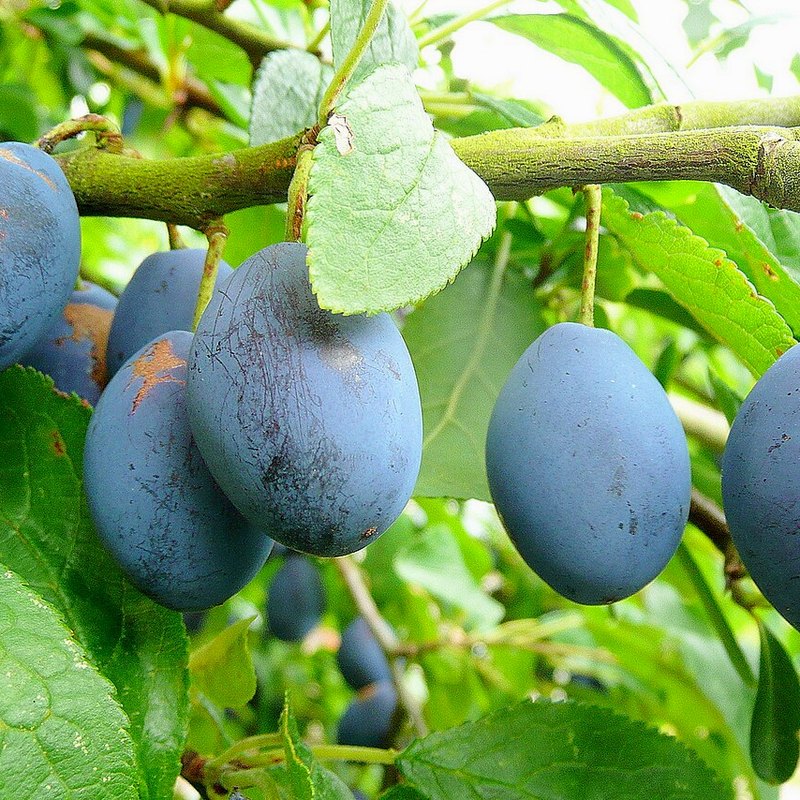
How to plant and care for Damson (Merryweather)
Prunus domestica subsp. insititia
A popular, reliable damson variety producing abundant crops of dark purple, tart fruit. Excellent for jams, pies, and preserves. Known for its hardiness and consistent yields.
At a glance: harvest in September.
When to plant and care for it
Timed for a typical UK garden (last frost mid-April). The app uses your own town's frost dates.
Growing Damson (Merryweather): what it needs
- Light
- Full sun · 6+ hours a day
- Watering
- Regularly during dry spells, especially when young or fruiting.
- Soil
- Well-draining, fertile loam · pH 6.0–7.0
- Spacing
- 3-5m apart
- In pots
- Best in the ground
- Feeding
- Feed with balanced fruit tree fertilizer in early spring.
- Harvest
- About 30 days from sowing
- Hardiness
- USDA zones 4–8
- Difficulty
- Easy
Step by step
- On planting day
Plant Damson Tree
Dig a hole twice as wide as the root ball and the same depth. Gently loosen roots. Place tree, ensuring graft union is above soil level. Backfill with soil, firming gently.
- Straight after “Plant Damson Tree”
Water In Damson Tree
Water thoroughly immediately after planting to settle the soil around the roots.
- 1 day after “Water In Damson Tree”
Stake Damson Tree
Install a sturdy stake to support the young tree against wind, tying loosely with a tree tie. Check regularly for rubbing.
- 7 days after “Stake Damson Tree”
First Feed for Damson Tree
Apply a balanced slow-release fertilizer or well-rotted compost around the base, keeping it away from the trunk.
Every year
- MarchSpring Fertilizing
Apply a balanced fruit tree fertilizer or well-rotted compost around the base of the tree, avoiding direct contact with the trunk, as new growth begins.
- AprilSpring Pest & Disease Check
Inspect leaves, stems, and flowers for signs of pests (e.g., aphids, plum moth) or diseases (e.g., canker, leaf curl). Address issues promptly.
- JuneThinning Fruit
If fruit set is very heavy, thin fruits to about 5-7cm apart to encourage larger fruit, prevent branch overload, and reduce disease risk.
- JulySummer Pruning
Prune damsons in summer, never in winter: cuts made while dormant let in silver leaf disease. Remove dead, diseased or crossing branches and keep an open centre.
- JulySummer Watering
Water deeply during dry periods, especially from fruit set until harvest. Young trees need more frequent watering to establish.
- AugustSummer Pest & Disease Check
Continue to monitor for pests and diseases, particularly plum moth, wasps, and brown rot as fruit ripens.
- SeptemberHarvest Damsons
Pick damsons when they are dark purple, soft to the touch, and easily come off the branch. They are tart and best used for cooking or preserving.
- OctoberAutumn Mulching
Apply a fresh layer of organic mulch (e.g., wood chips, well-rotted compost) around the base of the tree to conserve moisture, suppress weeds, and protect roots over winter.
- NovemberWinter Protection Check
Ensure stakes and ties are secure and not rubbing. Protect young trunks from rodent damage if necessary. Clear fallen fruit to reduce disease spread.
Good companions
comfrey,chives,nasturtium
More trees to grow
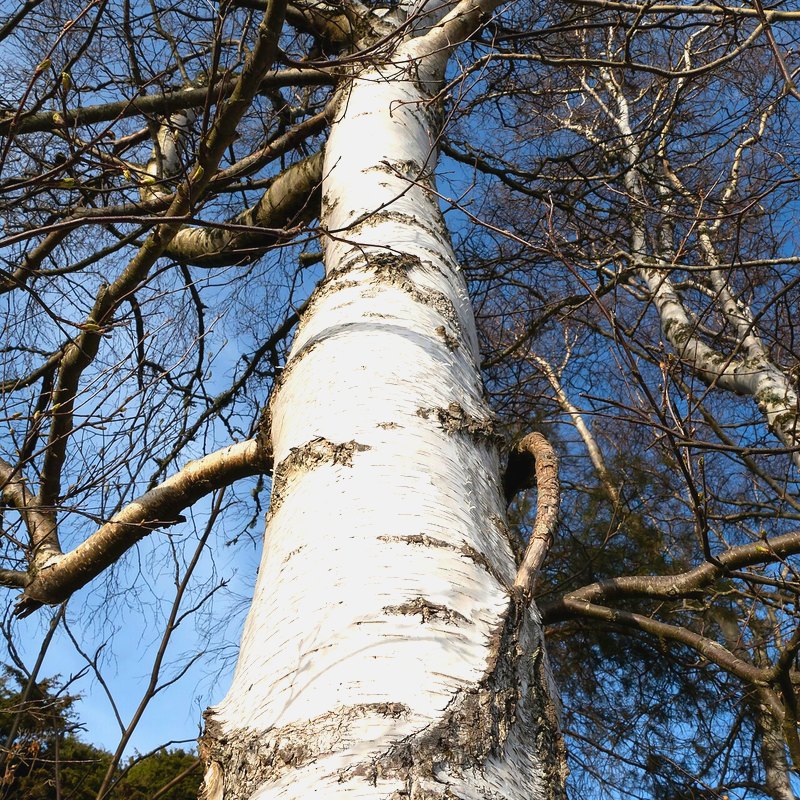
Photo: Jonathan Billinger / Wikimedia Commons (CC BY-SA 2.0)
