PlantSowGrow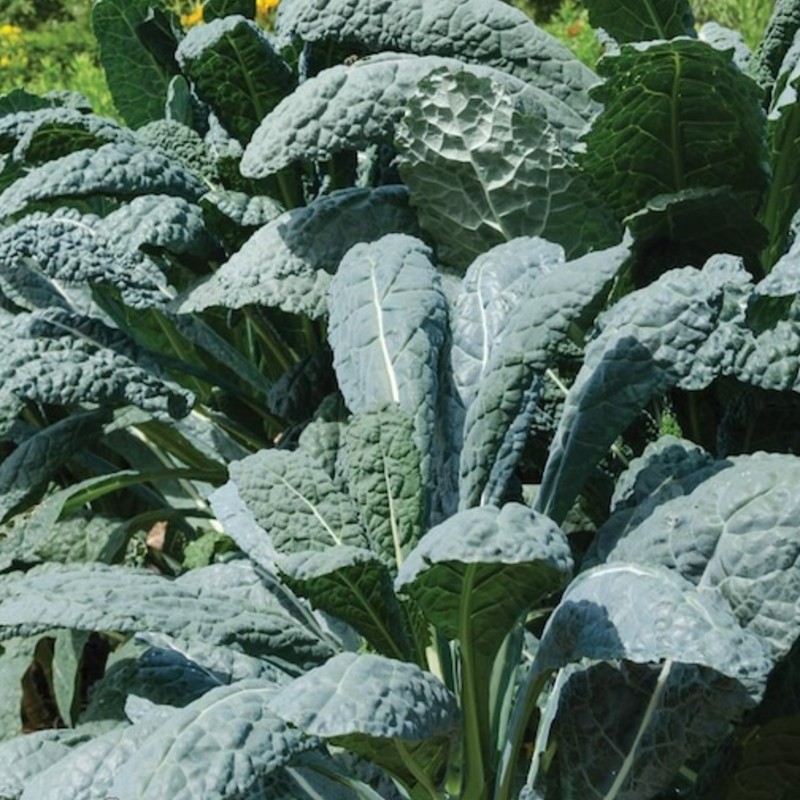
How to grow Kale
Brassica oleracea var. sabellica
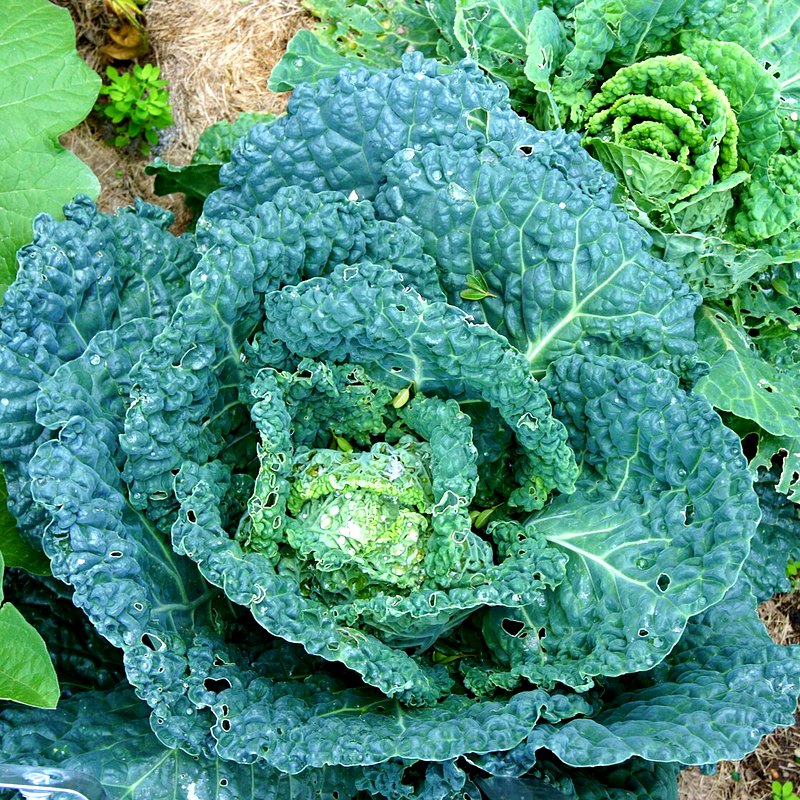
A highly nutritious, cold-hardy leafy green. Kale can be harvested repeatedly and often tastes sweeter after a light frost.
At a glance: Sow early March to mid June, harvest from late April.
When to sow, plant and harvest
Timed for a typical UK garden (last frost mid-April). The app uses your own town's frost dates.
Growing Kale: what it needs
- Light
- Full sun · 6+ hours a day
- Watering
- Regularly
- Soil
- Rich, well-draining loam · pH 6.0–7.5
- Spacing
- 30-45cm apart
- In pots
- Grows well in containers
- Feeding
- Feed with a balanced, nitrogen-rich fertilizer every 3-4 weeks.
- Harvest
- About 50 days from sowing
- Hardiness
- USDA zones 2–11
- Difficulty
- Easy
Step by step
- Early March – mid June · 6 weeks before the last spring frost
Direct Sow Outdoors (Spring/Summer) (optional)
Sow seeds 0.5-1cm deep, 10-15cm apart in rows. Can be sown from early spring to mid-summer.
Or: Direct Sow Outdoors (Fall Crop) (Mid August – late August · 10 weeks before the first autumn frost)
- 5–10 days after “Sow Seeds Indoors” · Early March – mid March
Check Germination
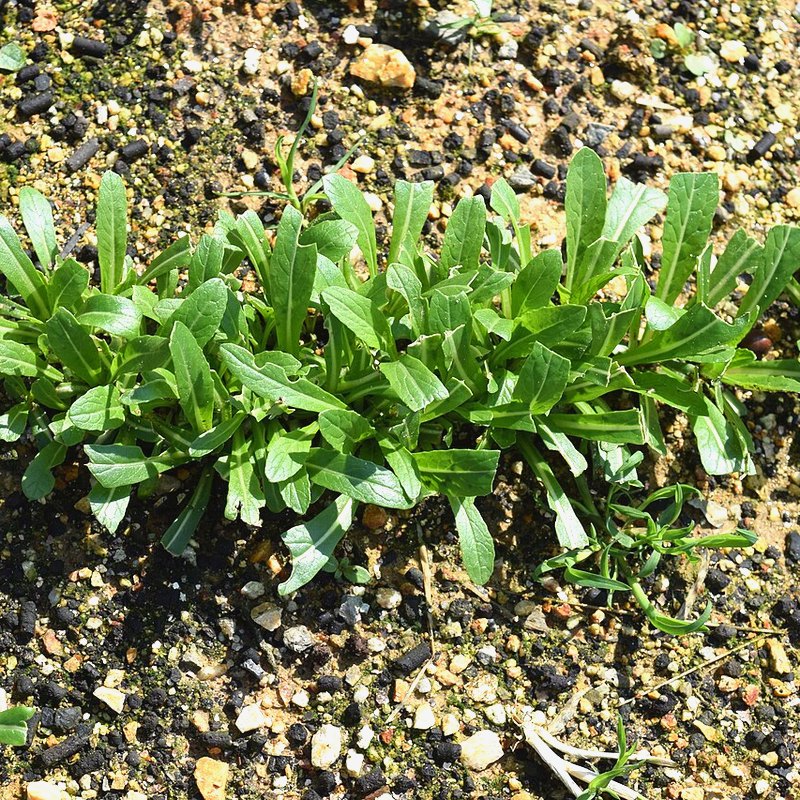
Seedlings should emerge in 5-10 days. Ensure consistent moisture.
- 14 days after “Transplant Outdoors” · Late March
Thin Seedlings to Final Spacing
Thin direct-sown or transplanted seedlings to 30-45cm apart. Eat the thinnings!
- 7 days after “Thin Seedlings to Final Spacing” · Late March
Start Regular Feeding
Begin feeding with a balanced, nitrogen-rich fertilizer to promote leafy growth.
- 7 days after “Start Regular Feeding” · Early April
Monitor for Pests
Check regularly for common kale pests like aphids, cabbage worms, and flea beetles. Use organic controls if necessary.
- 21–120 days after “Monitor for Pests” · Late April – early August
Harvest Kale
Begin harvesting outer leaves when they reach desired size. Pick regularly for continuous production. Leaves are sweeter after a light frost.
Good companions
beet,celery,cucumber,onion,potato,marigold