 PlantSowGrow
What to sow and plant in June
Everything is growing fast. Plant out the last tender crops, keep sowing salads and quick crops little and often for a steady supply, and water new plants well in dry spells.
Timed for a typical UK garden (last frost mid-April, first frost late October). The PlantSowGrow app dates every job from your own town's frost dates.
Sow indoors in June 11
On a windowsill, in a propagator or in a greenhouse.
🥕 Vegetables 1
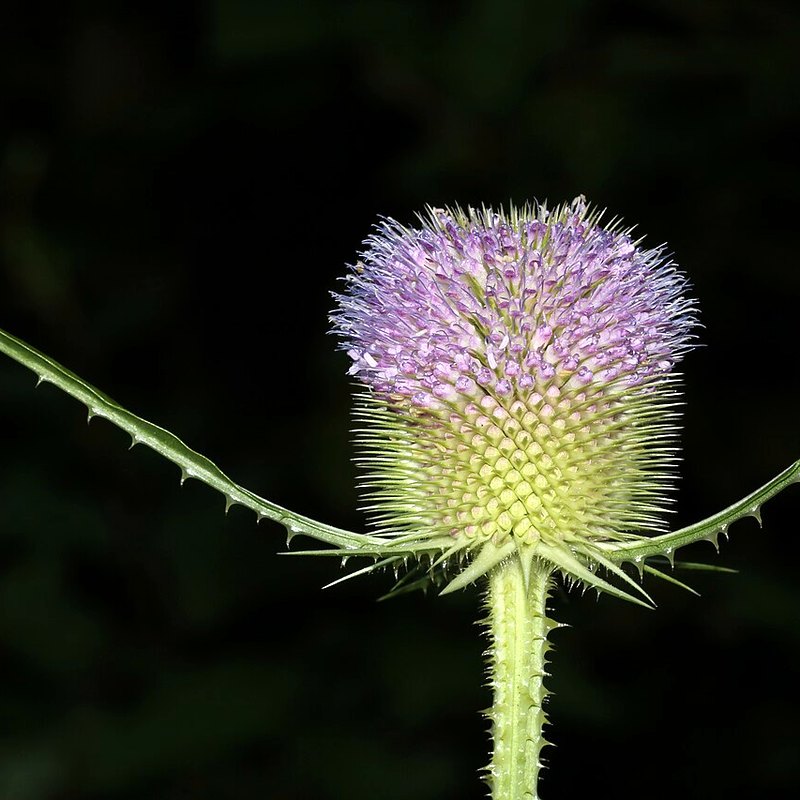
🌸 Flowers 10
Sow outdoors in June 73
Straight into the ground, a raised bed or pots outside.
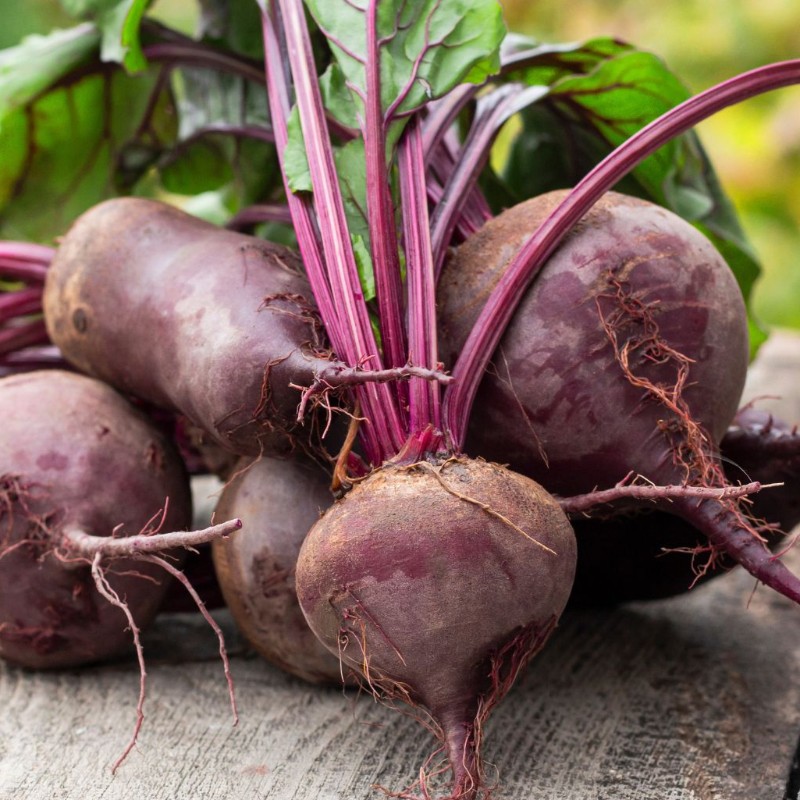
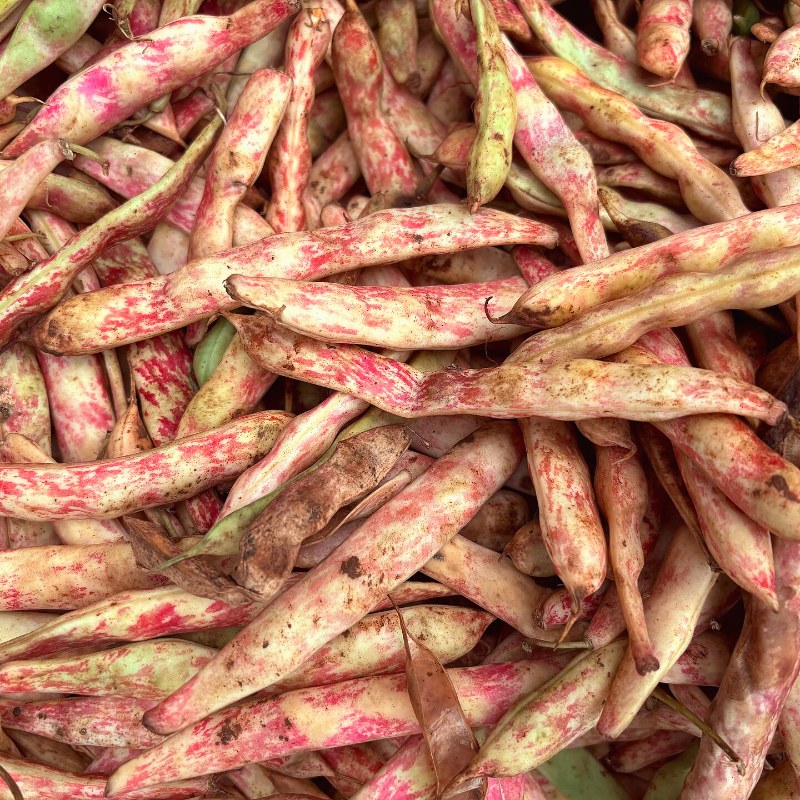
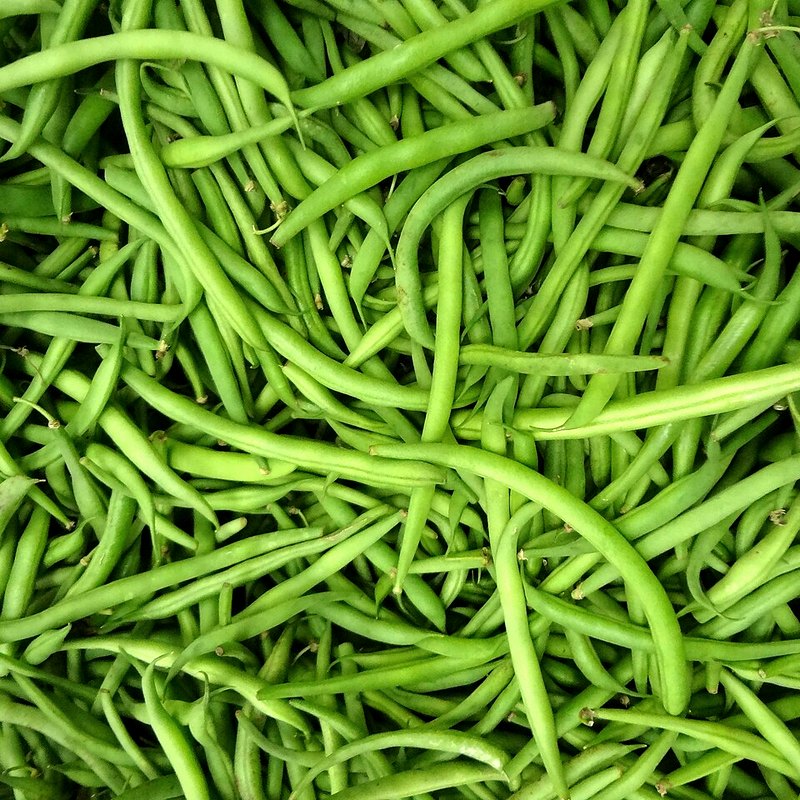
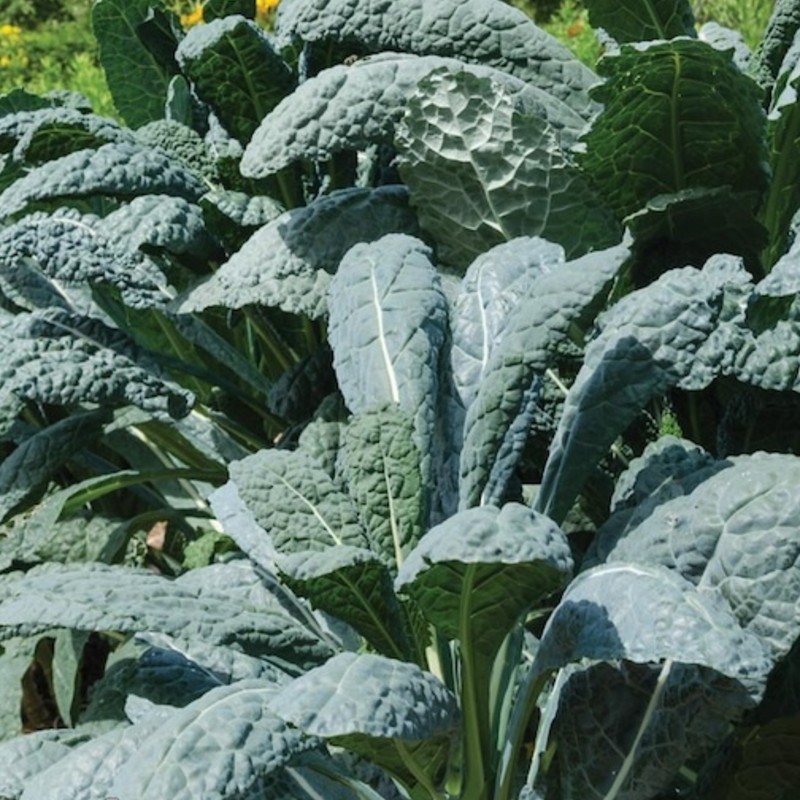
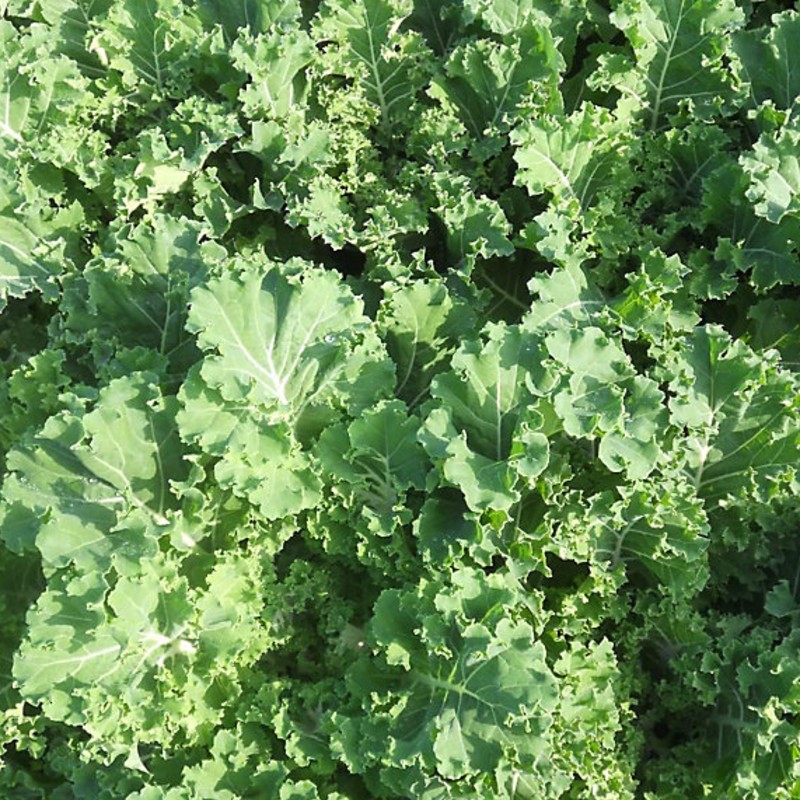
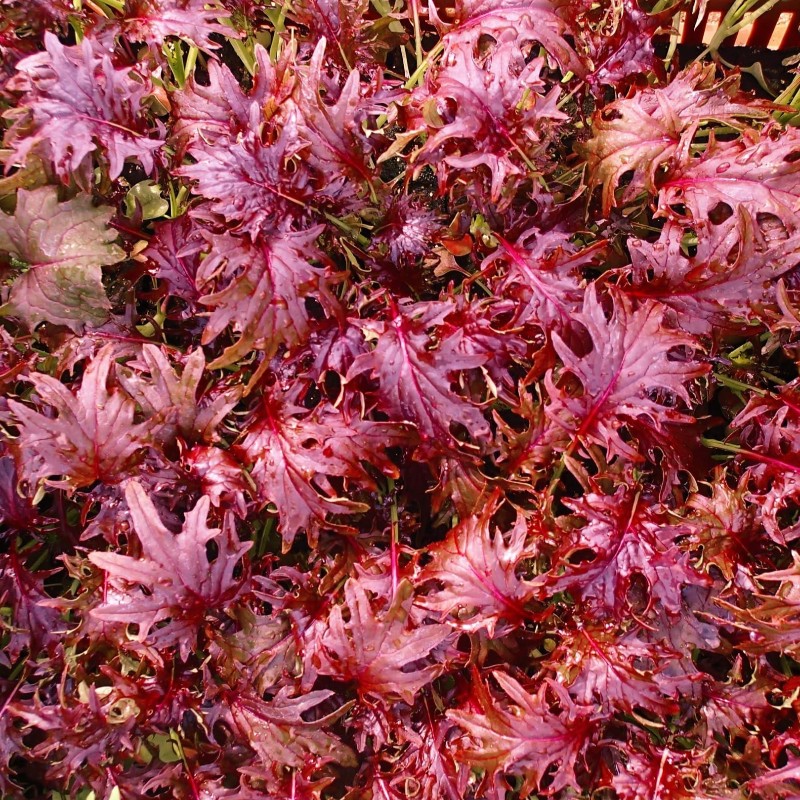
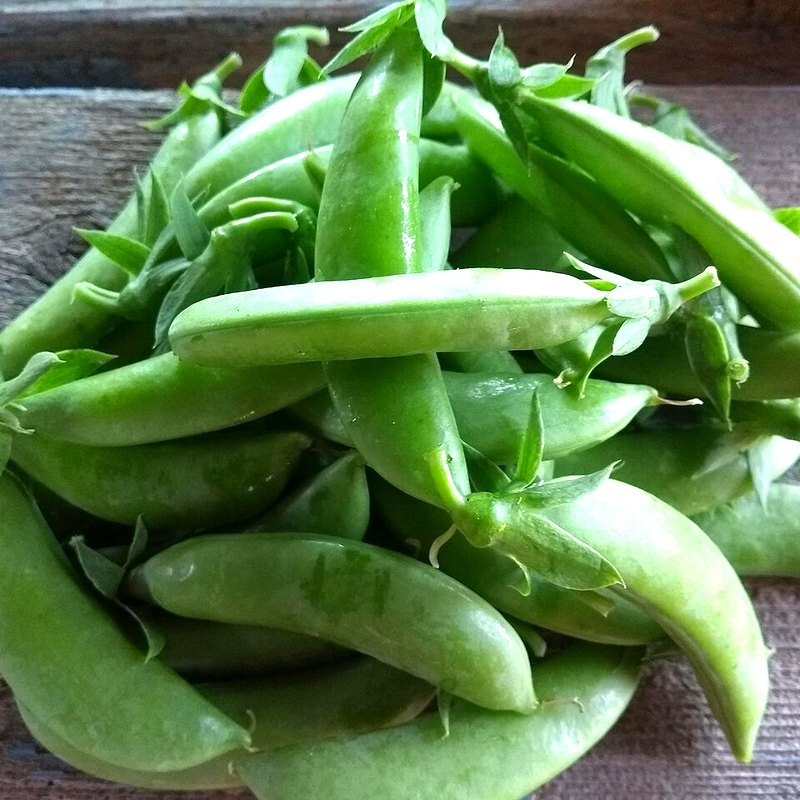
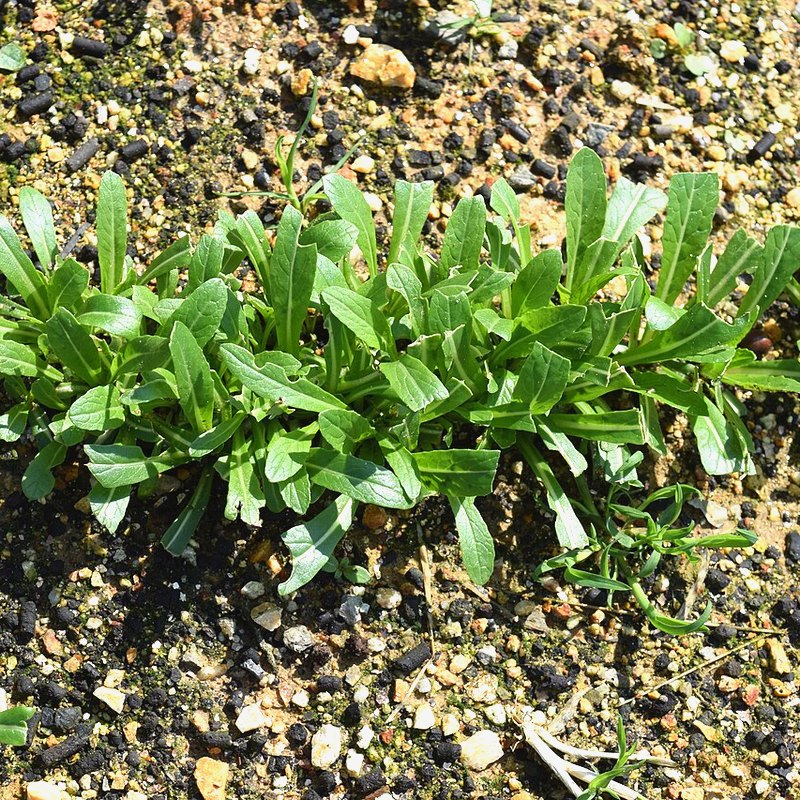
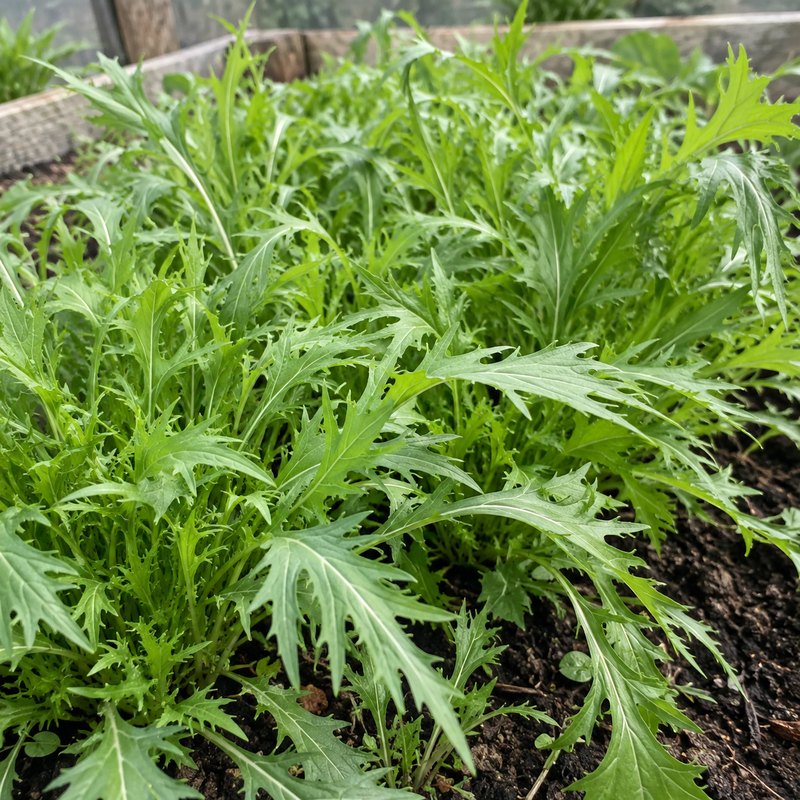
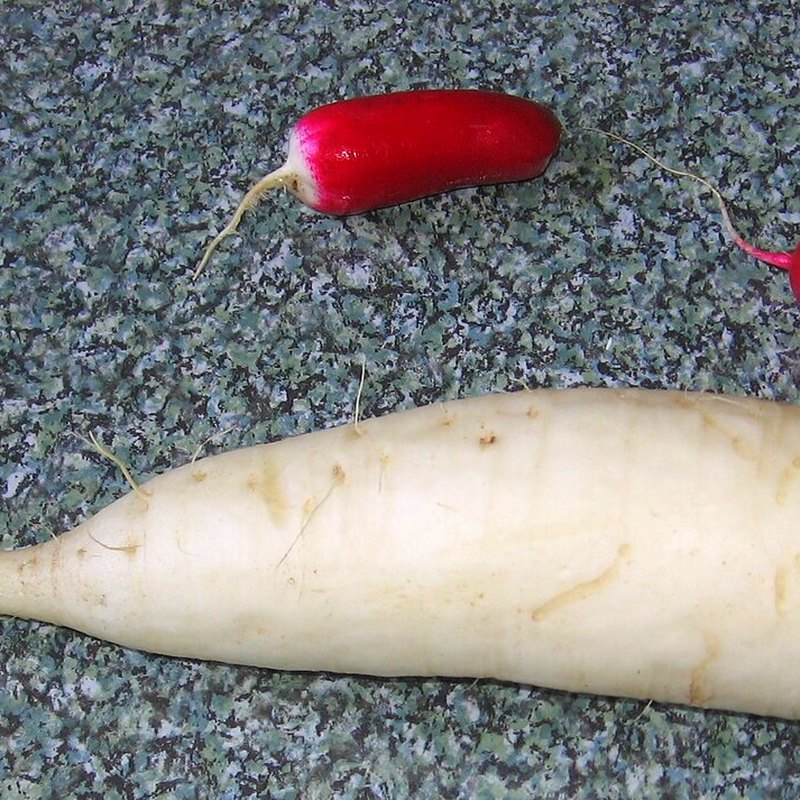
🥕 Vegetables 48
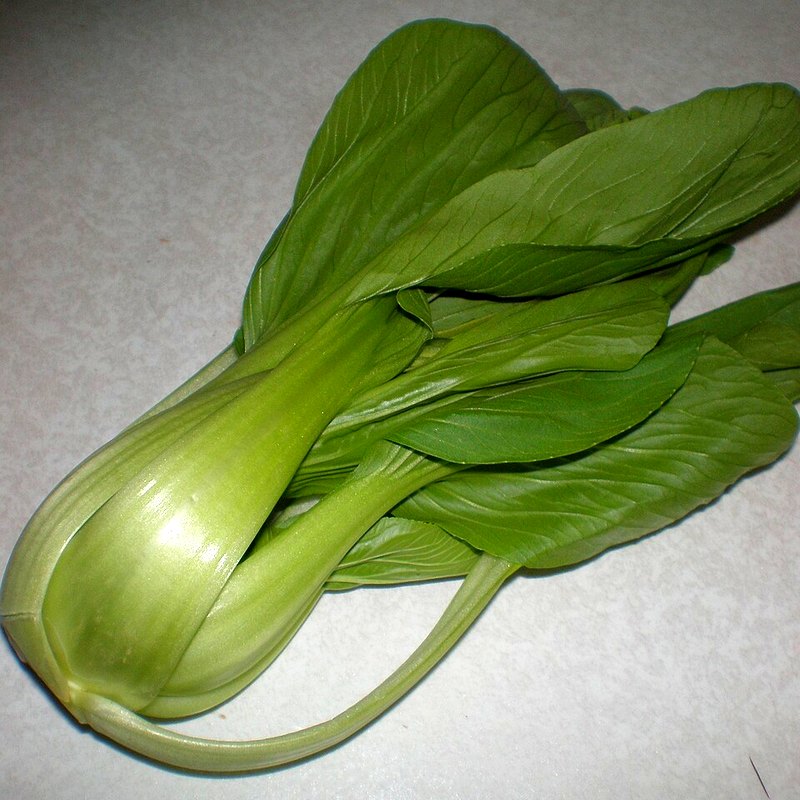
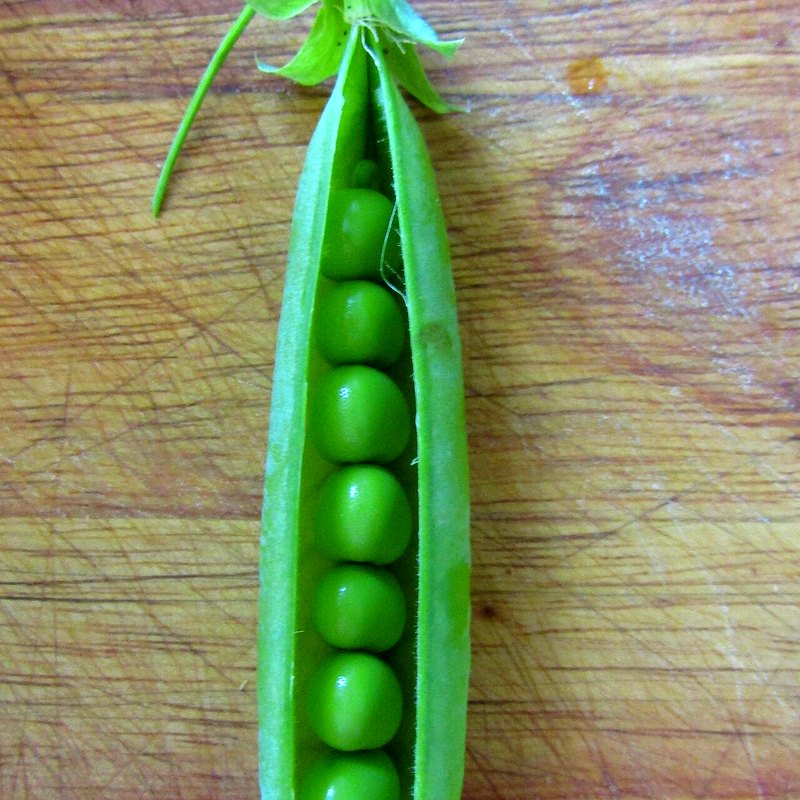
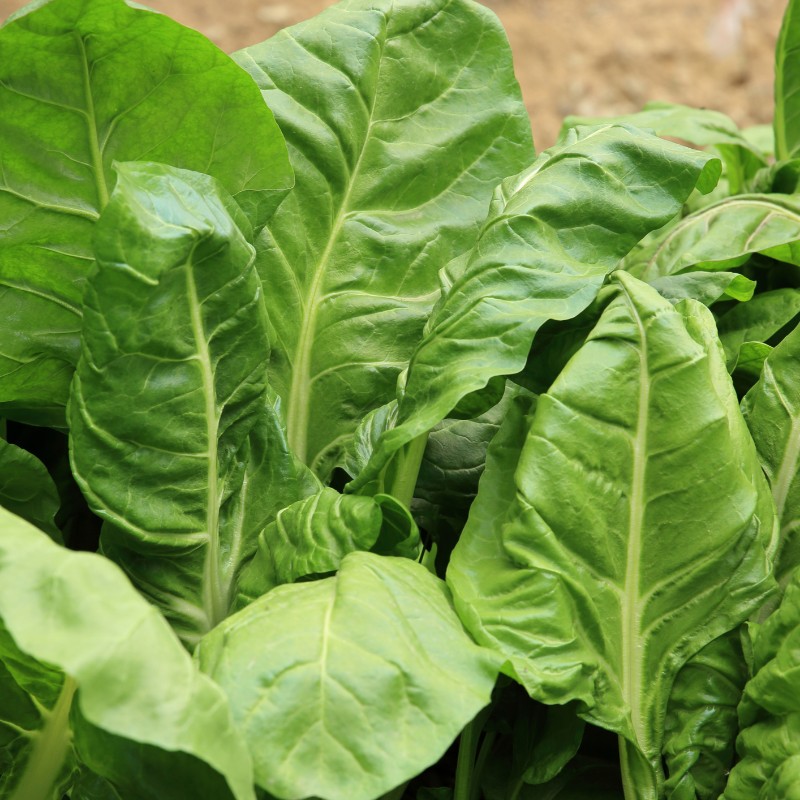
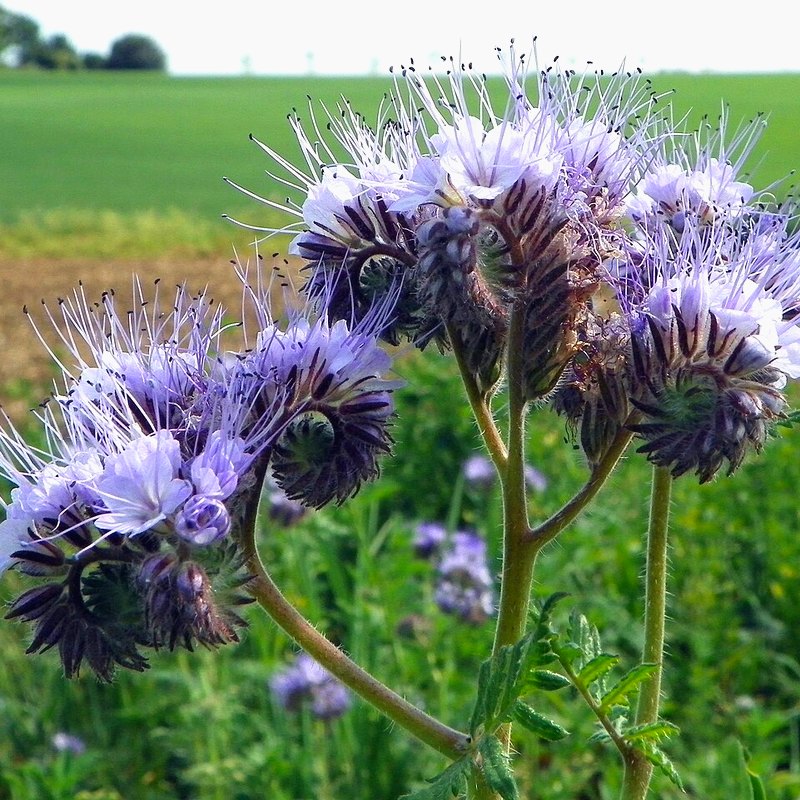
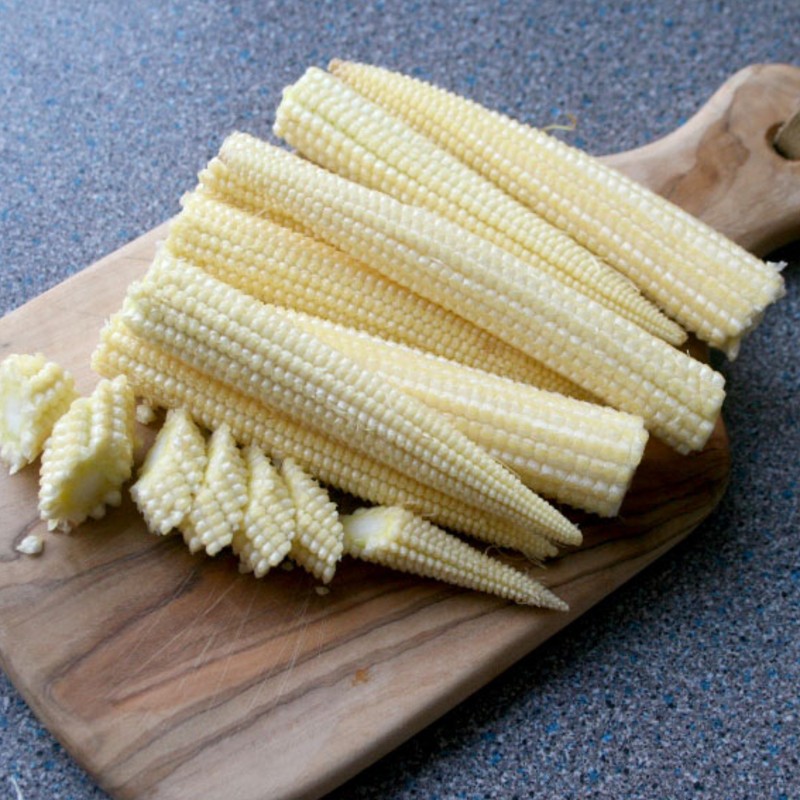
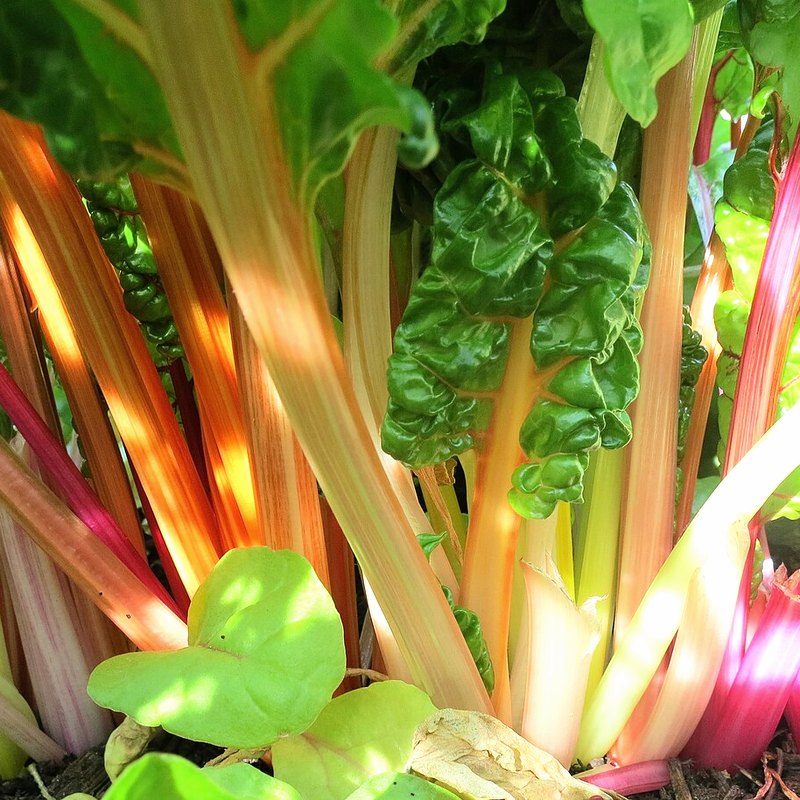
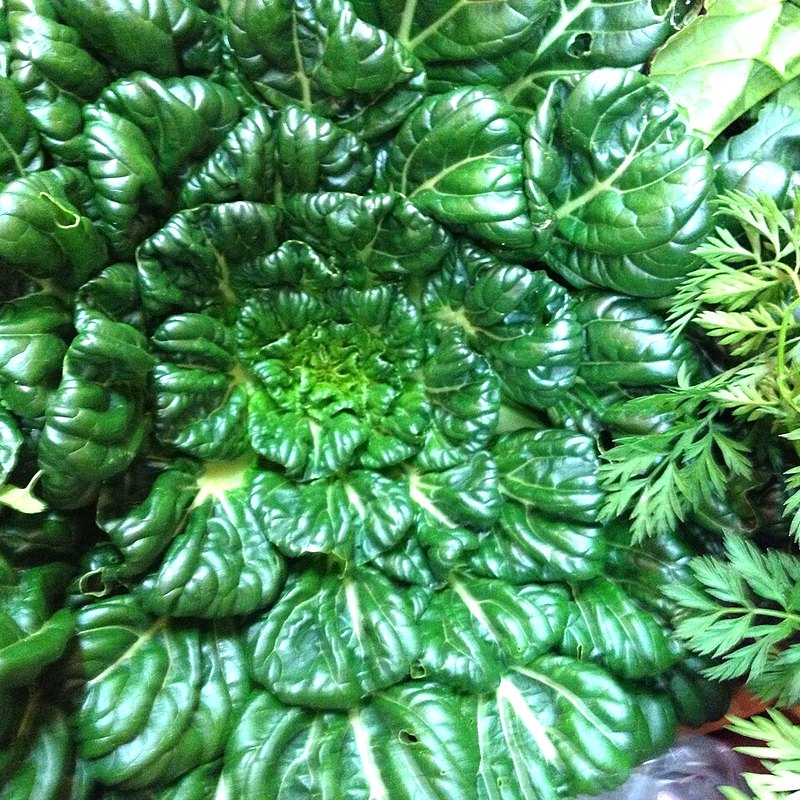
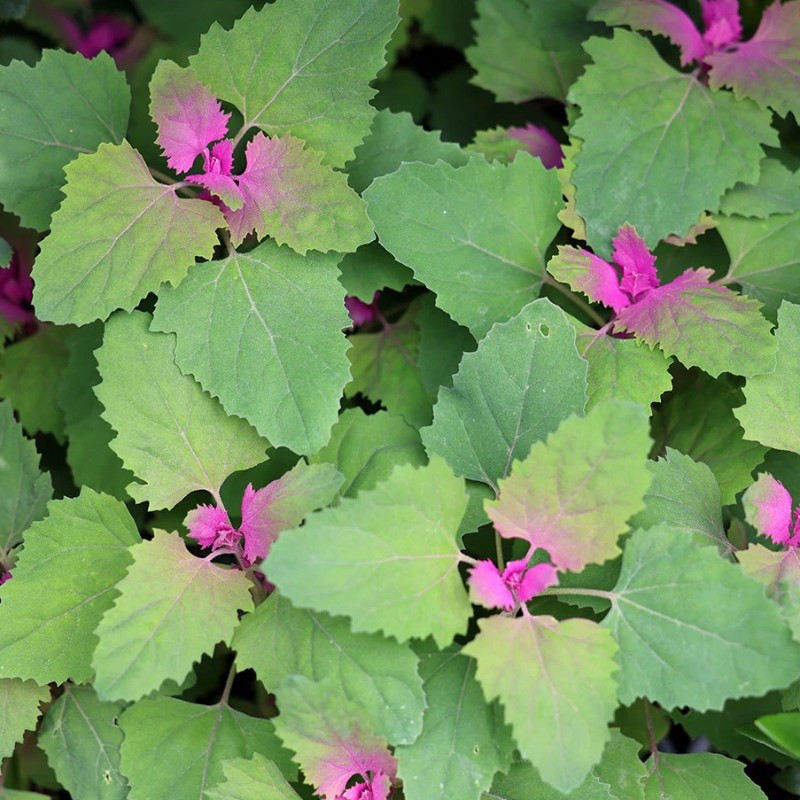
🌿 Herbs 17
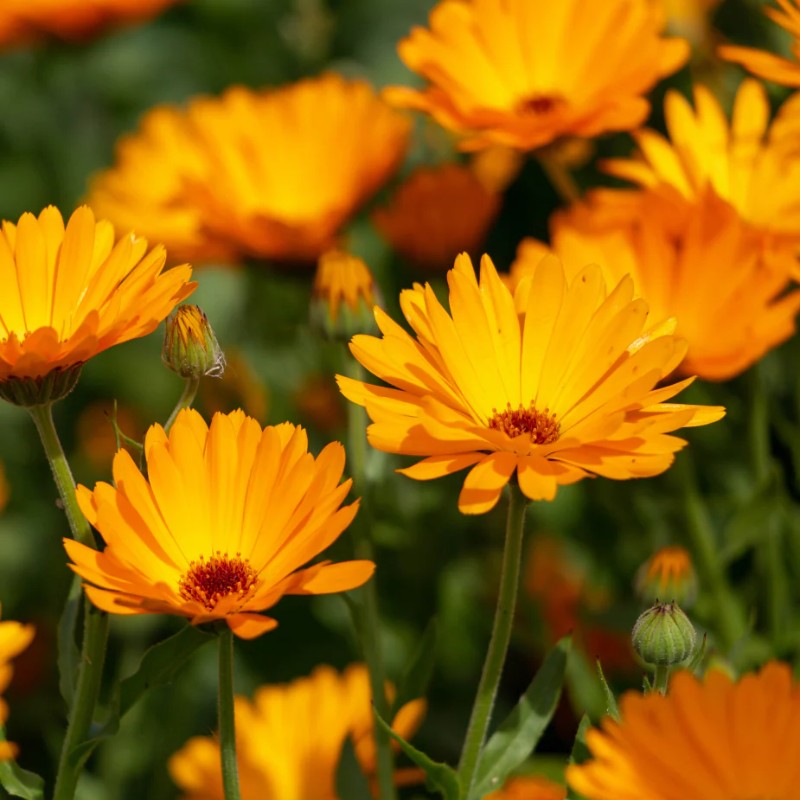
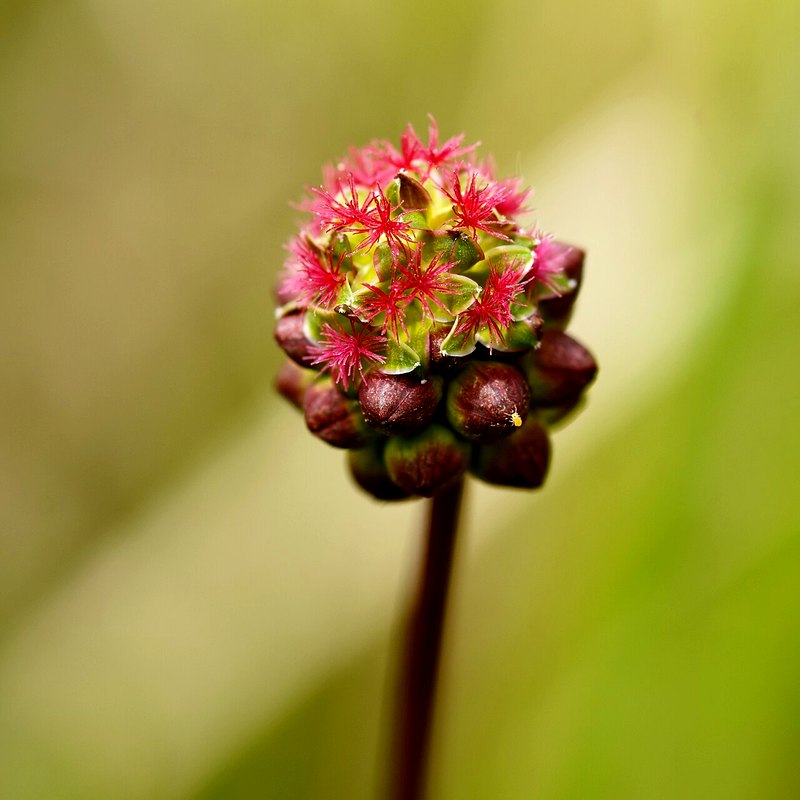
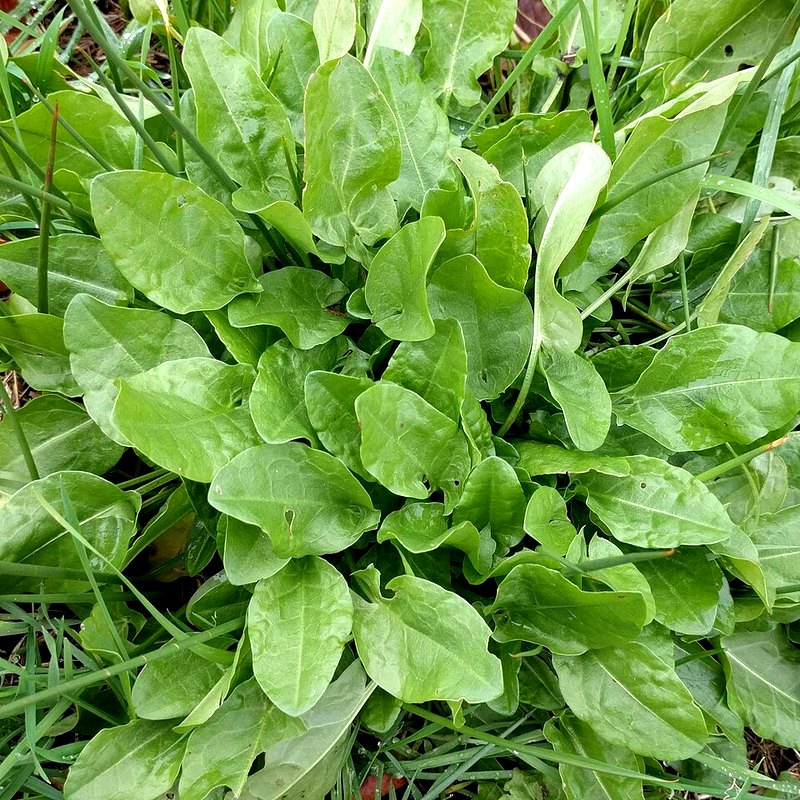
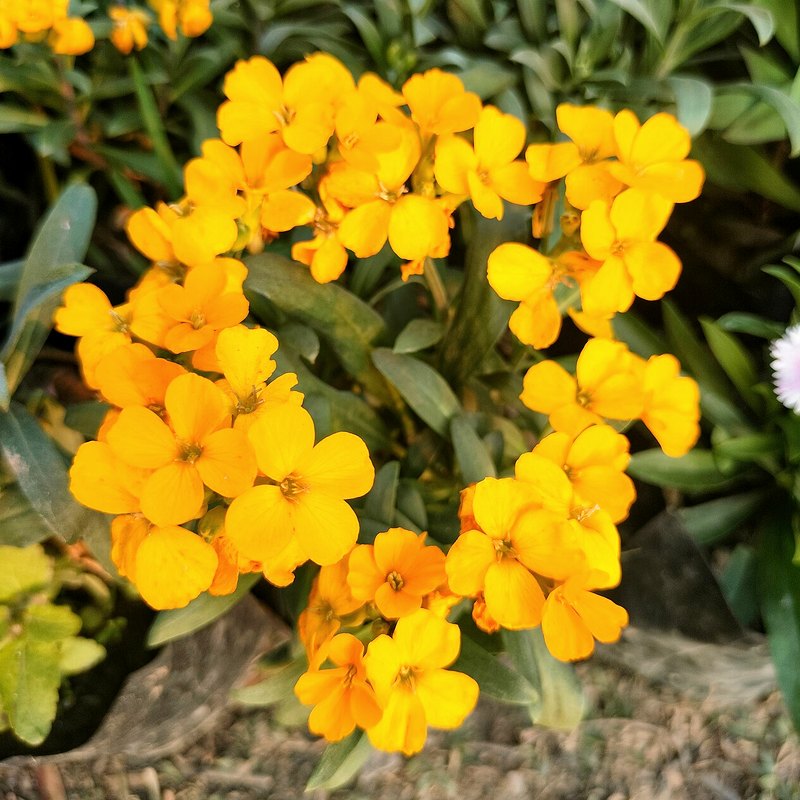
🌸 Flowers 8
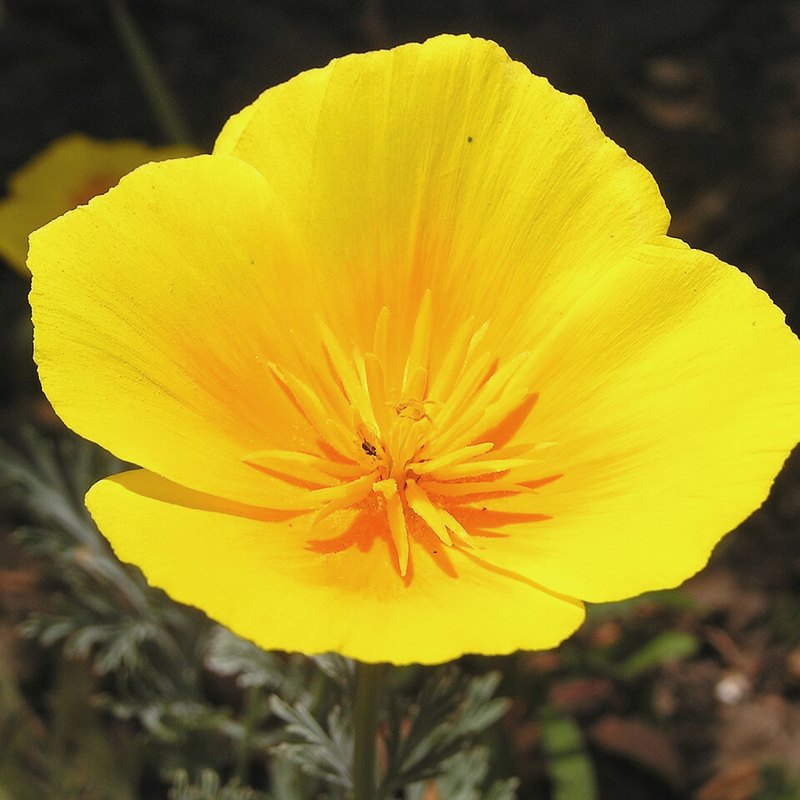
Plant in June 40
Young plants, sets, tubers and bulbs into the ground.
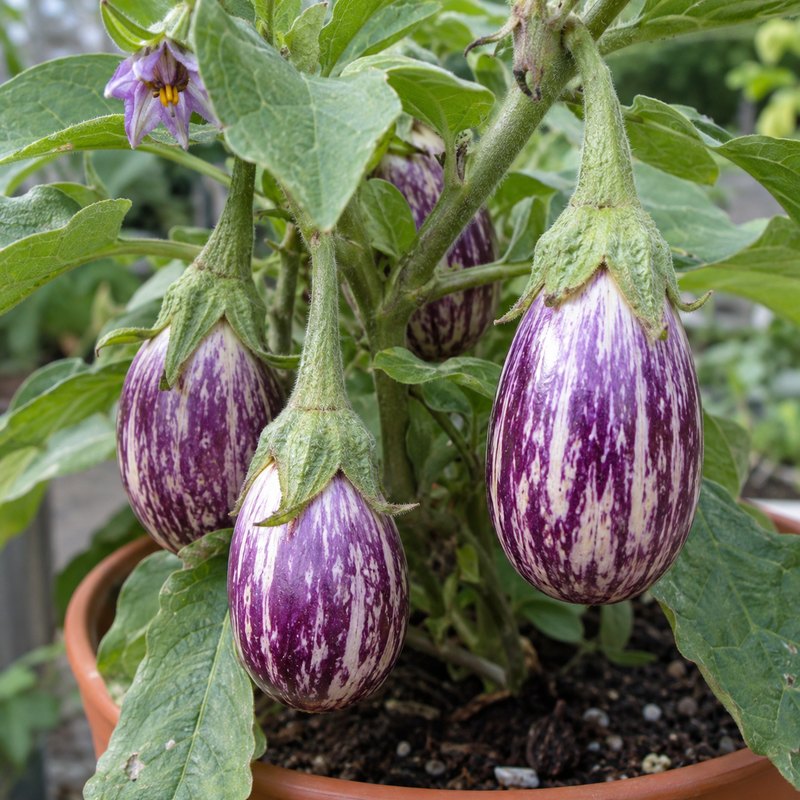
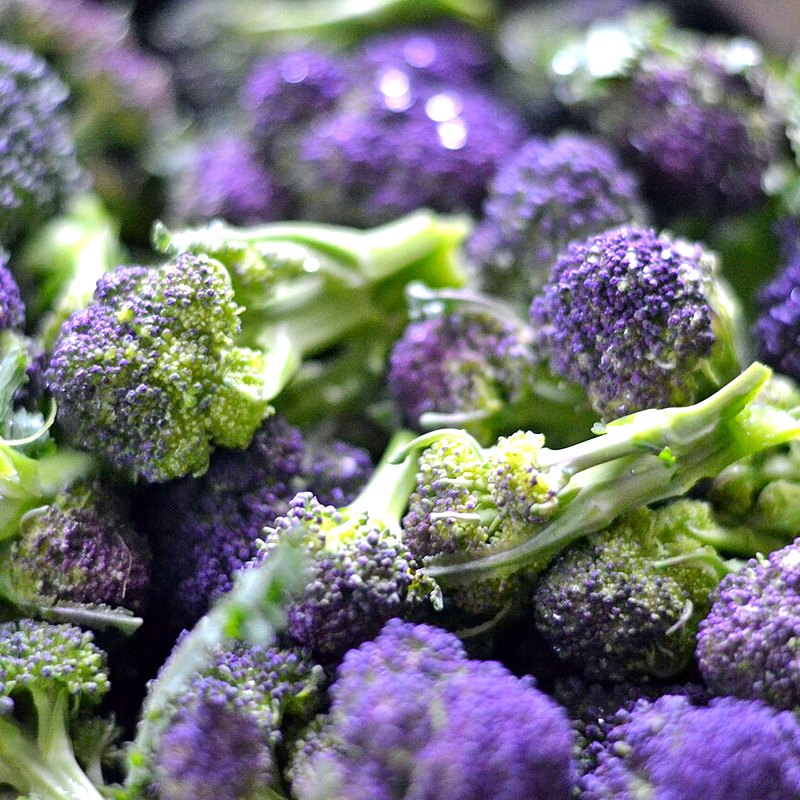
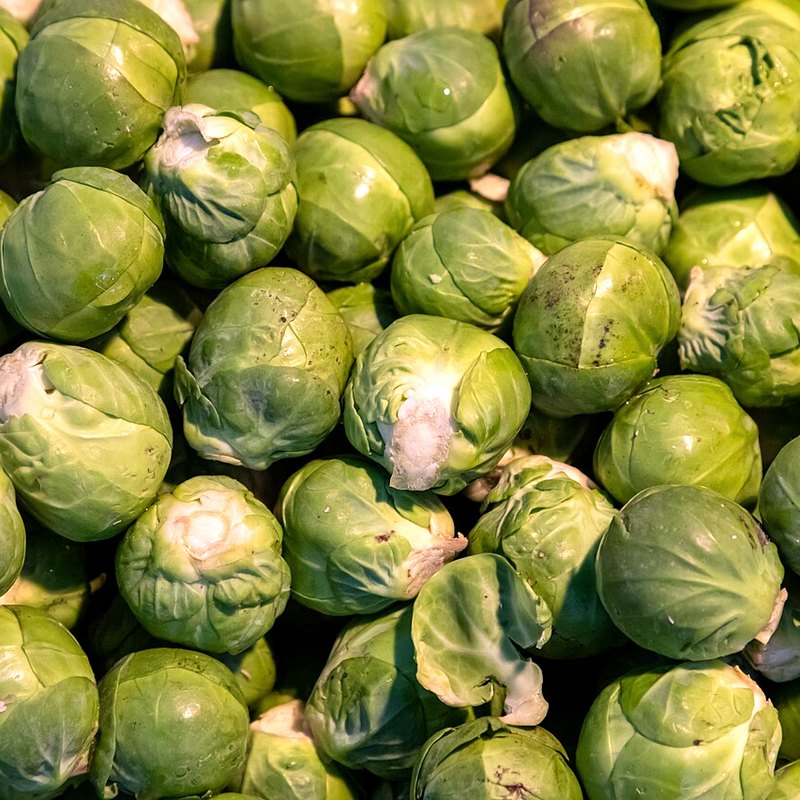
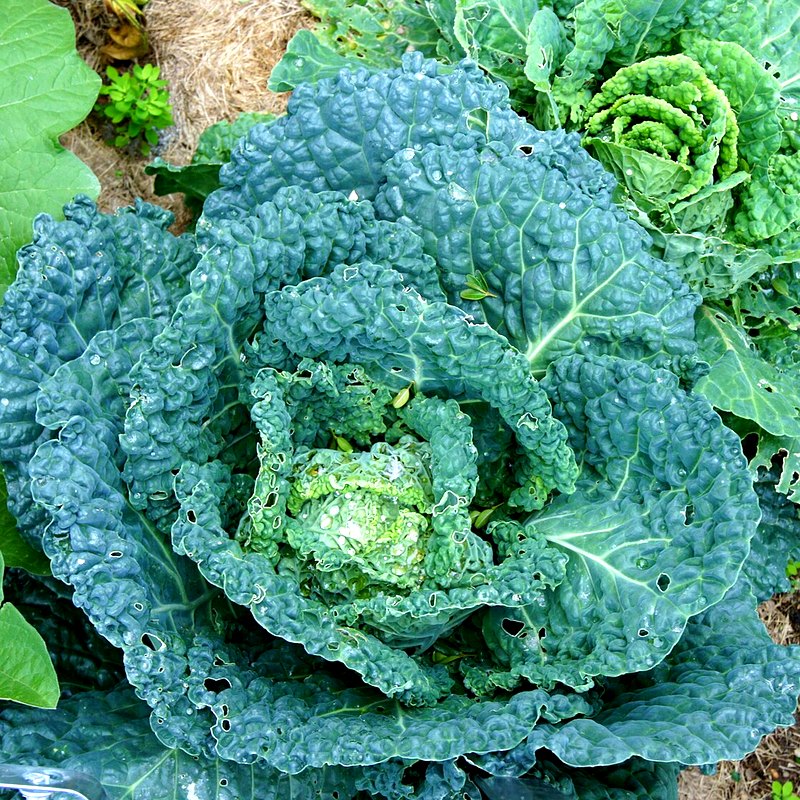
🥕 Vegetables 19
🍓 Fruit 4
🌿 Herbs 5
🌸 Flowers 12
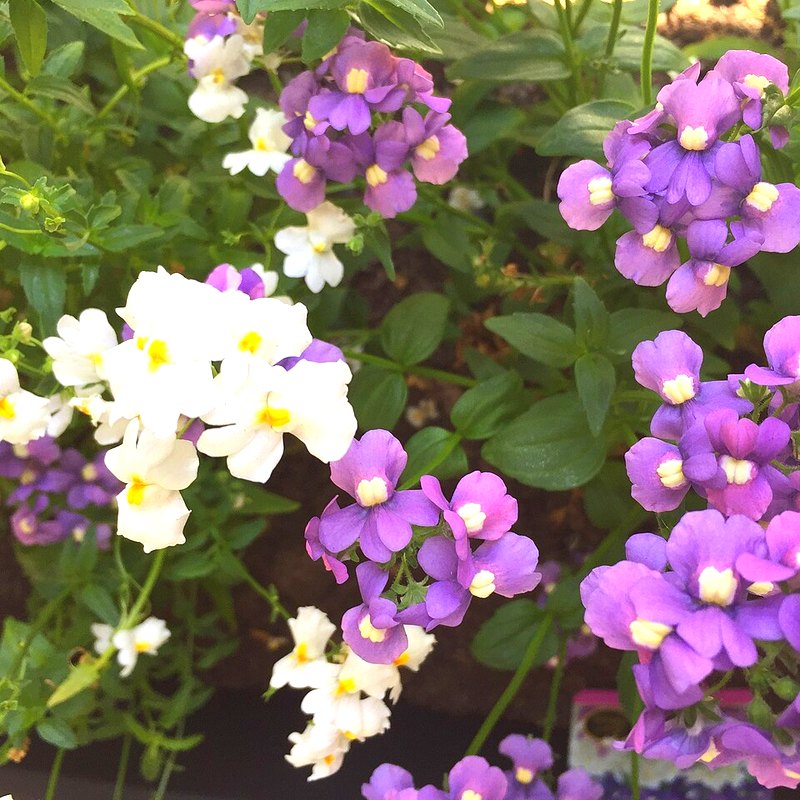
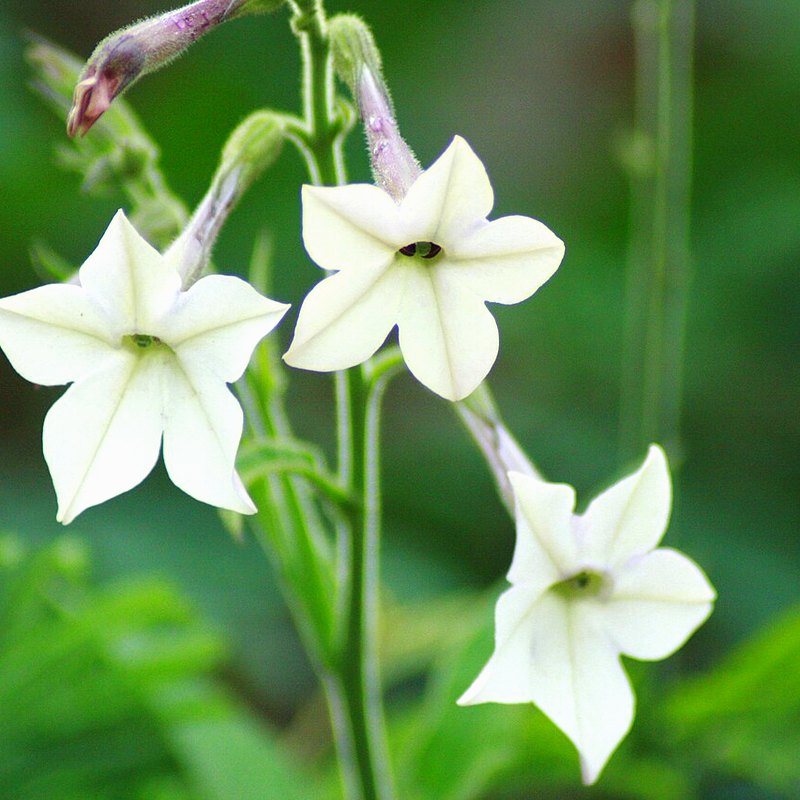
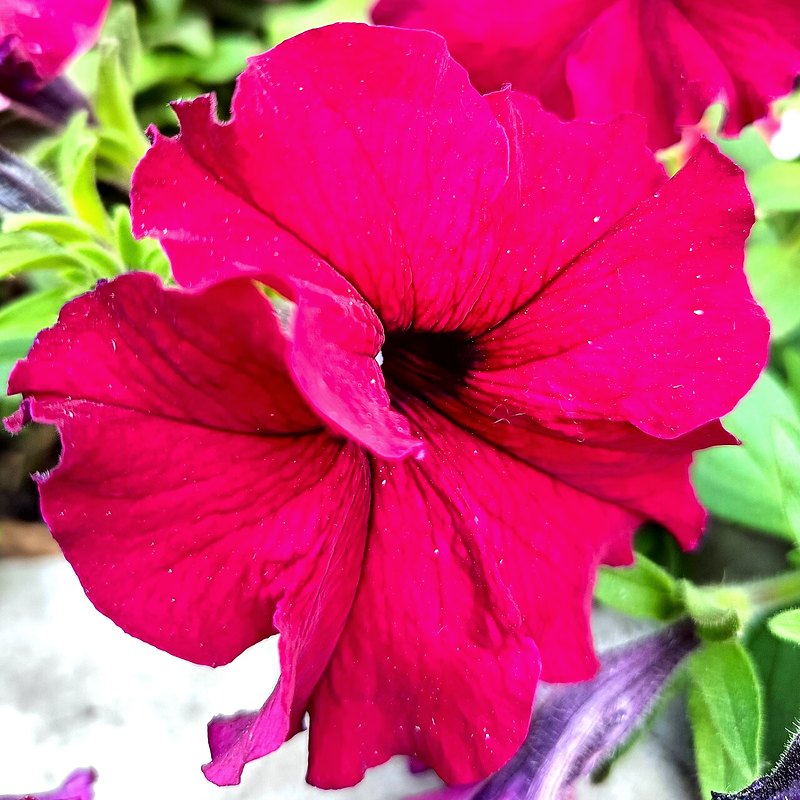
Ready to harvest in June 82
What you can be picking or lifting this month.
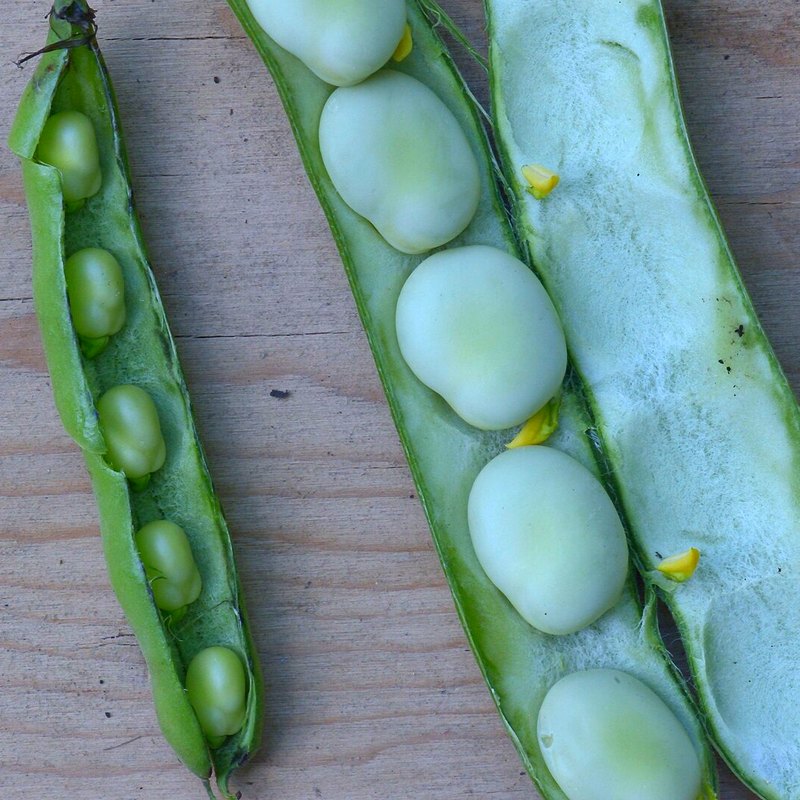
🥕 Vegetables 48
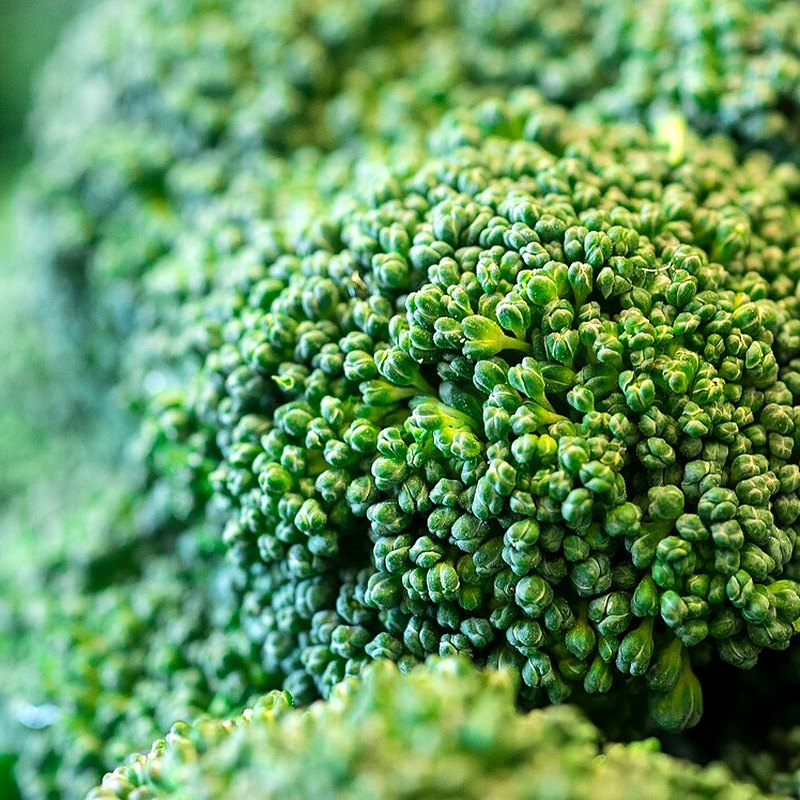
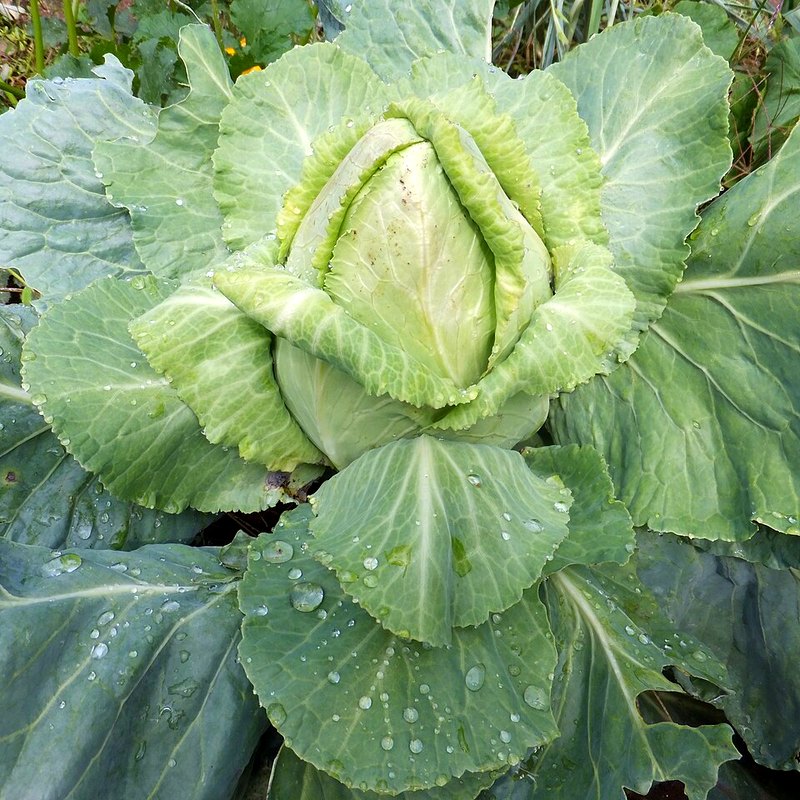
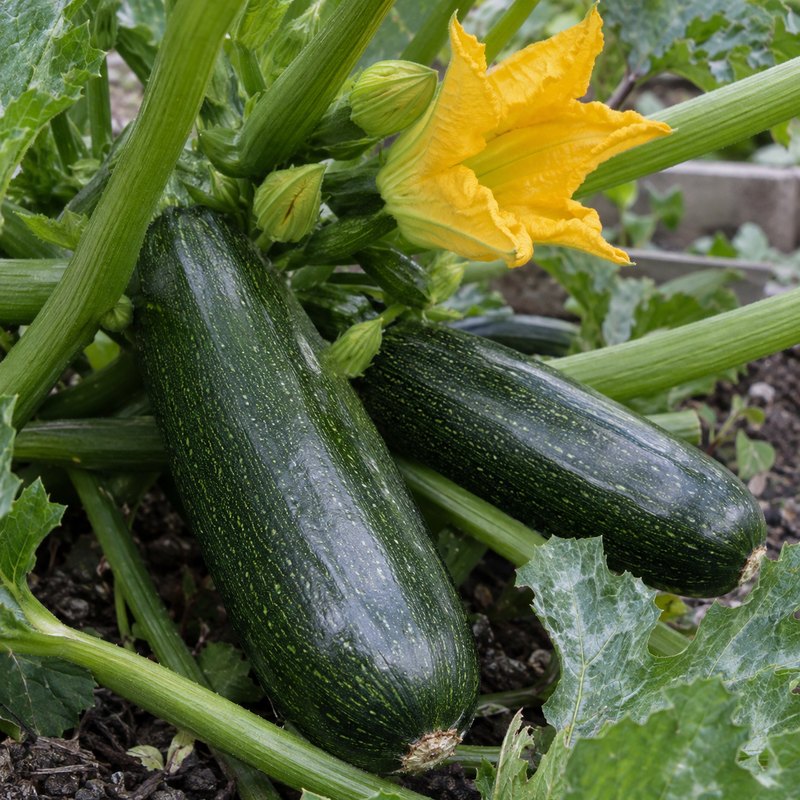
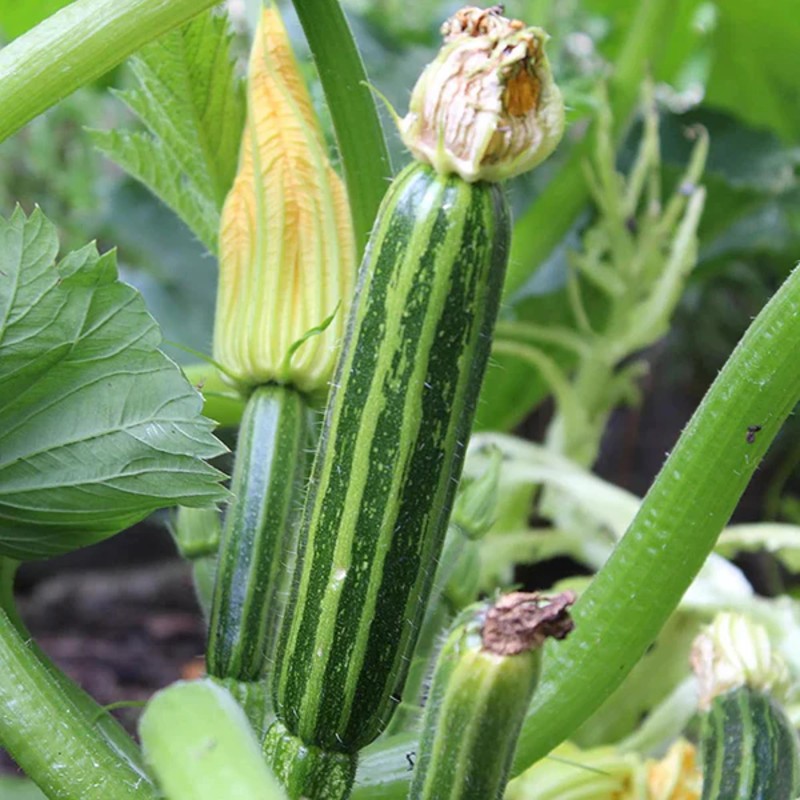
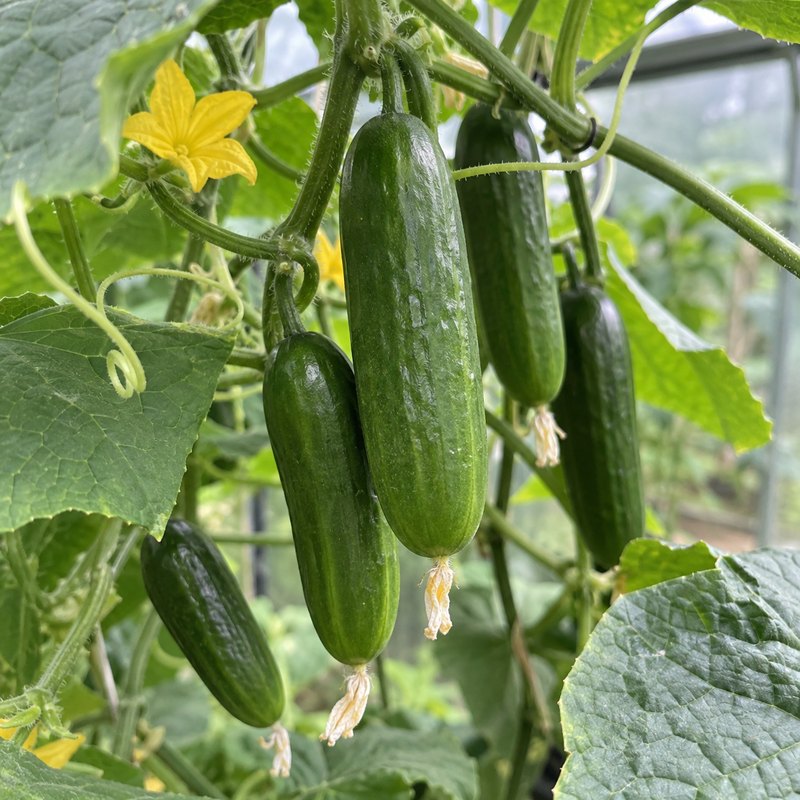
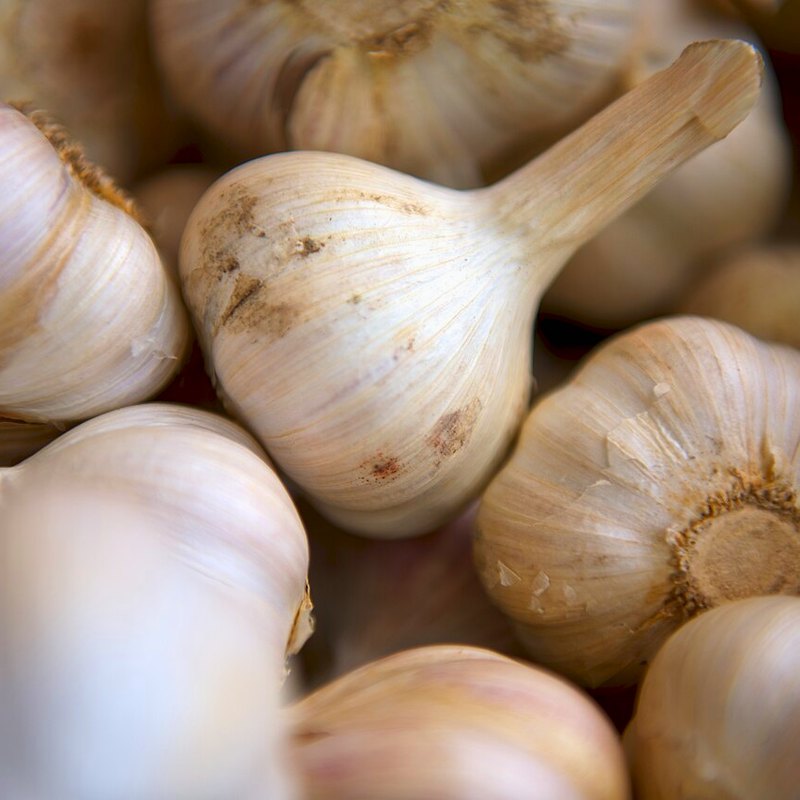
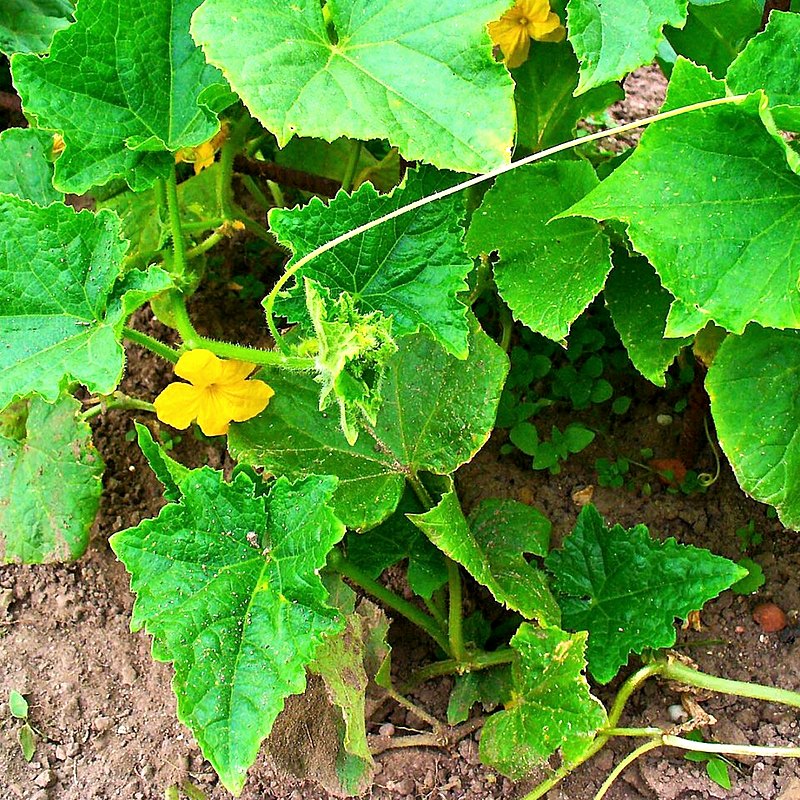
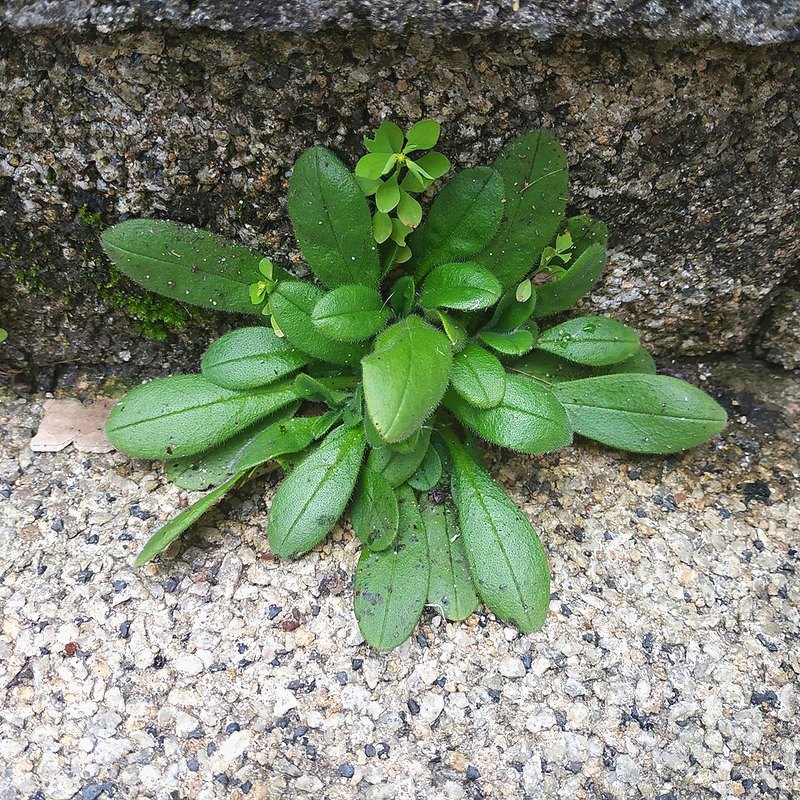
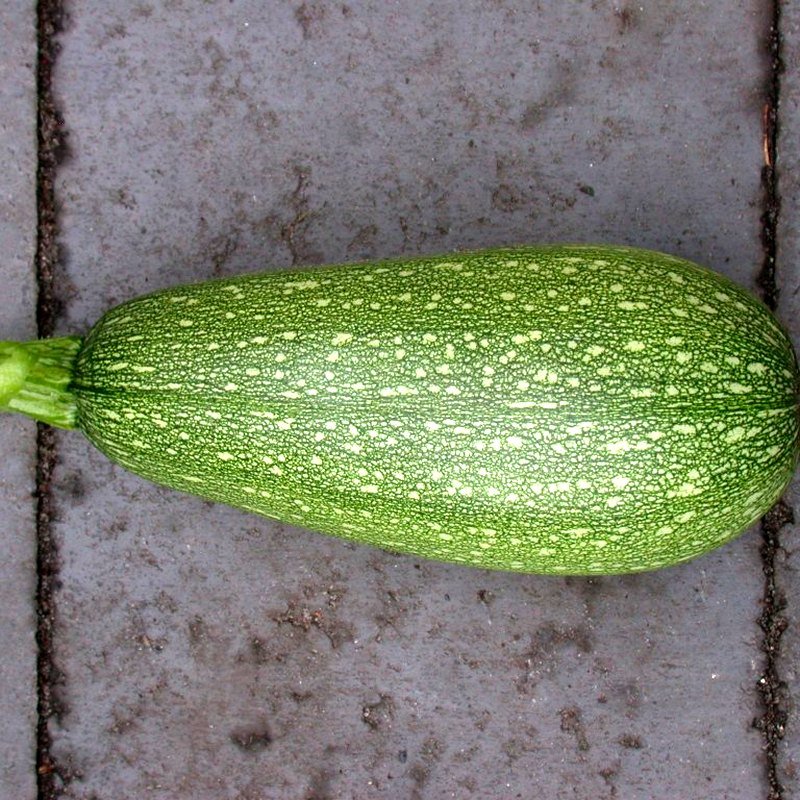
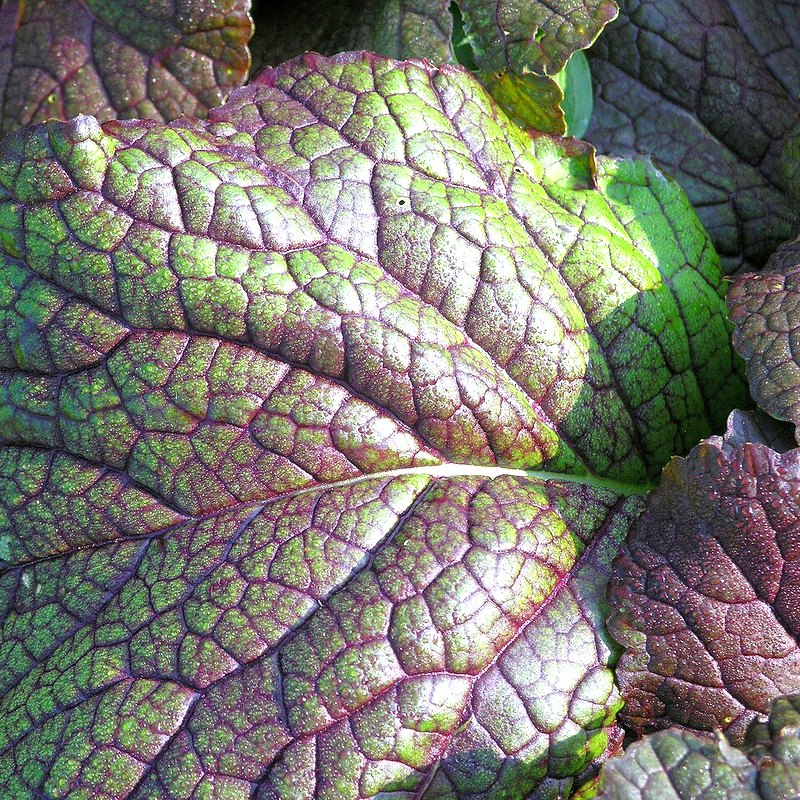
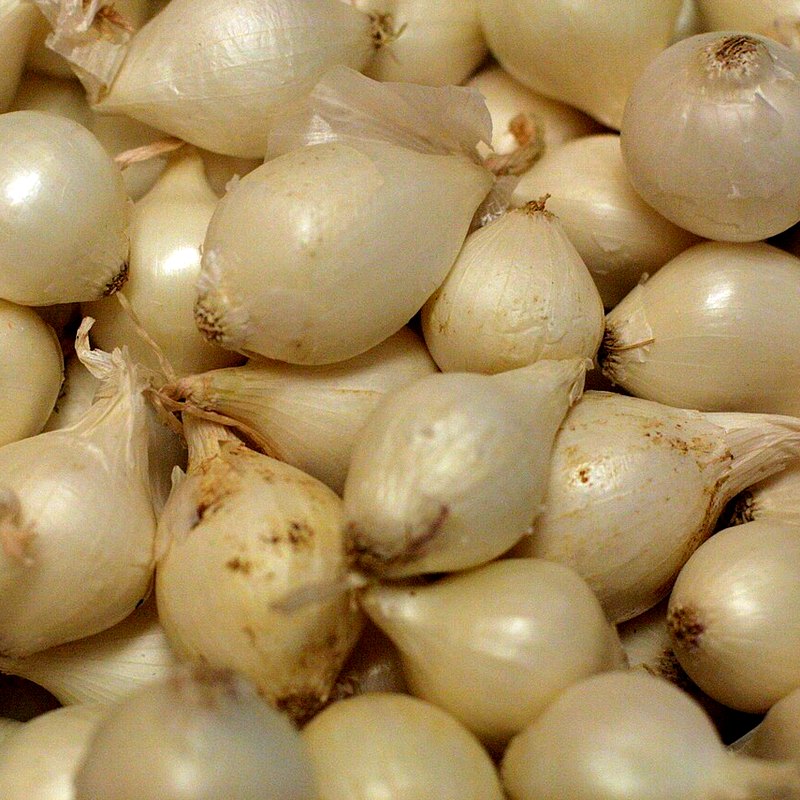
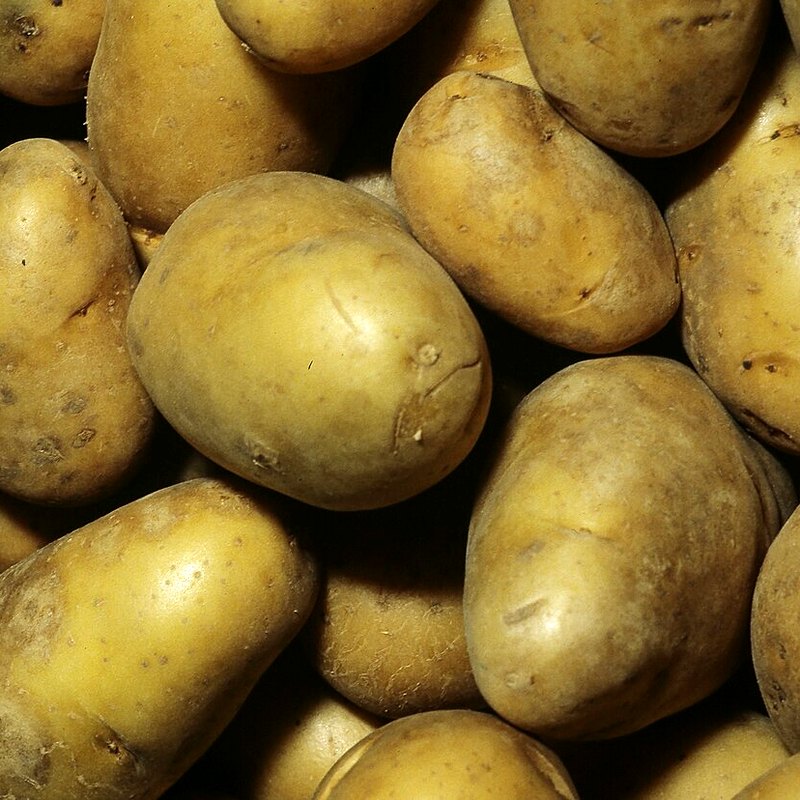
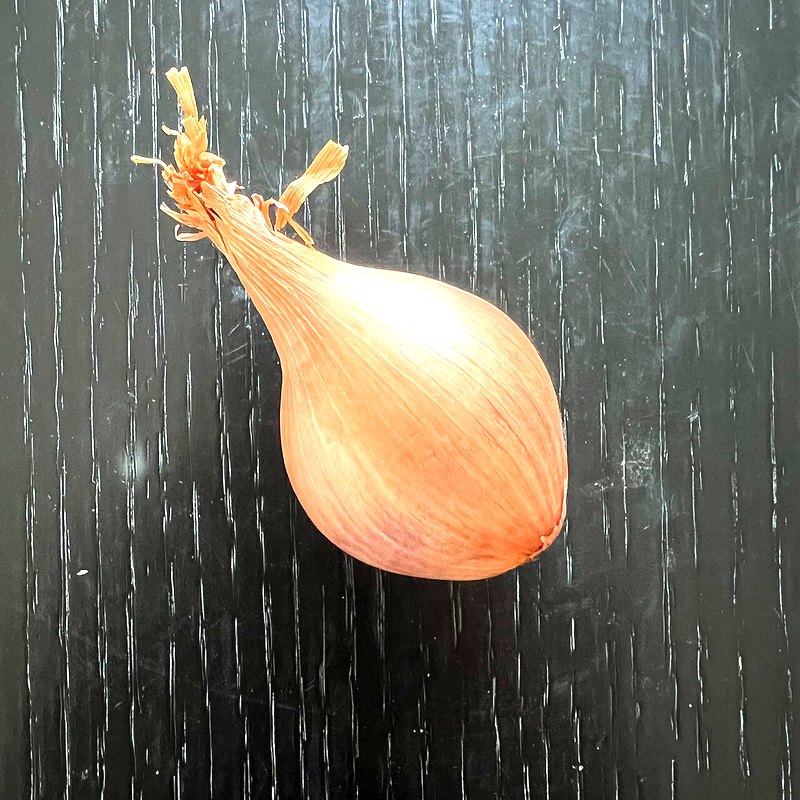
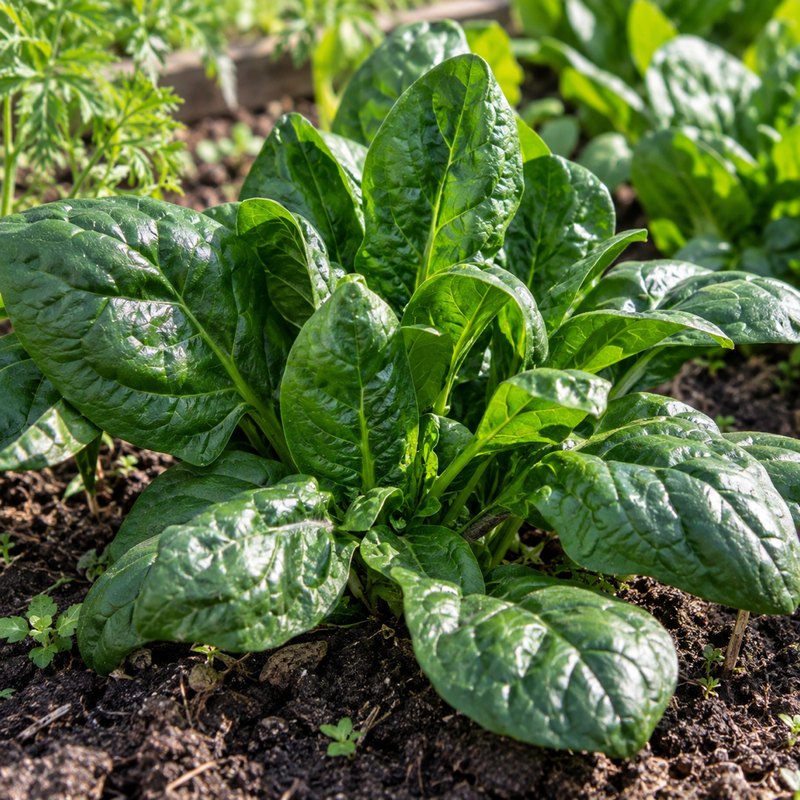
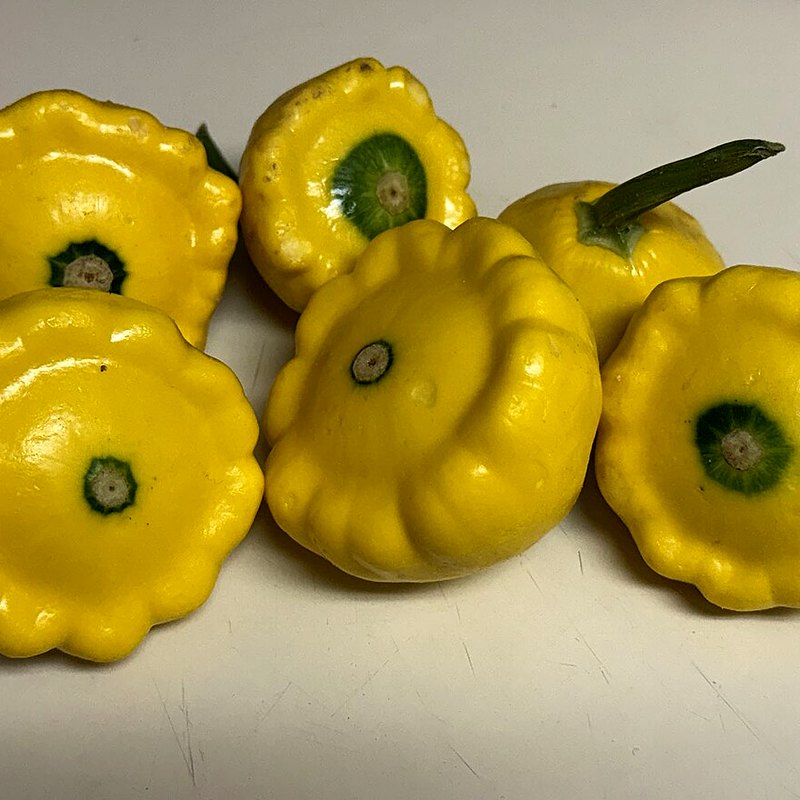
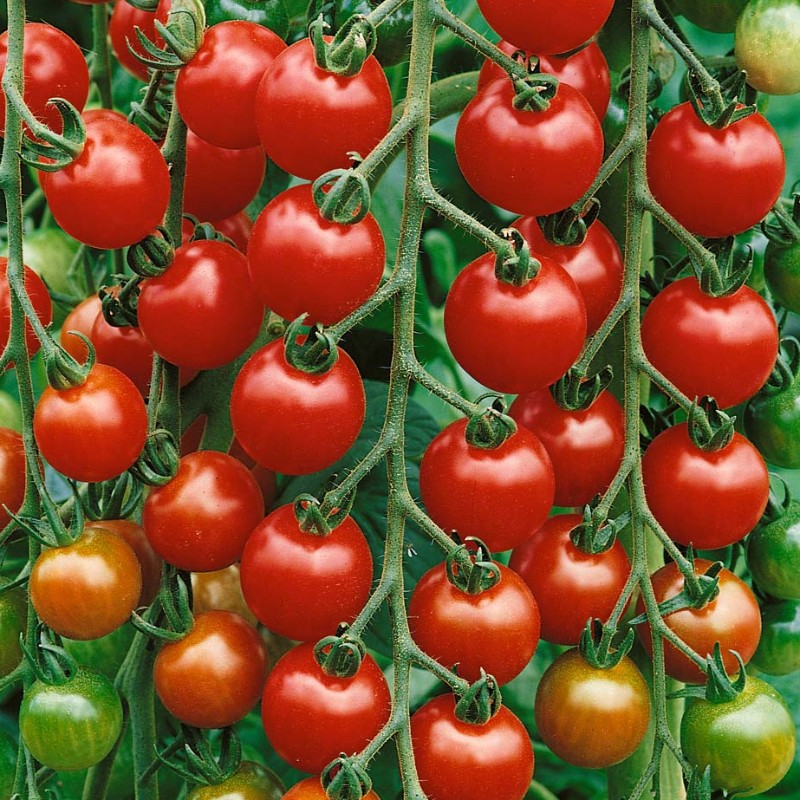
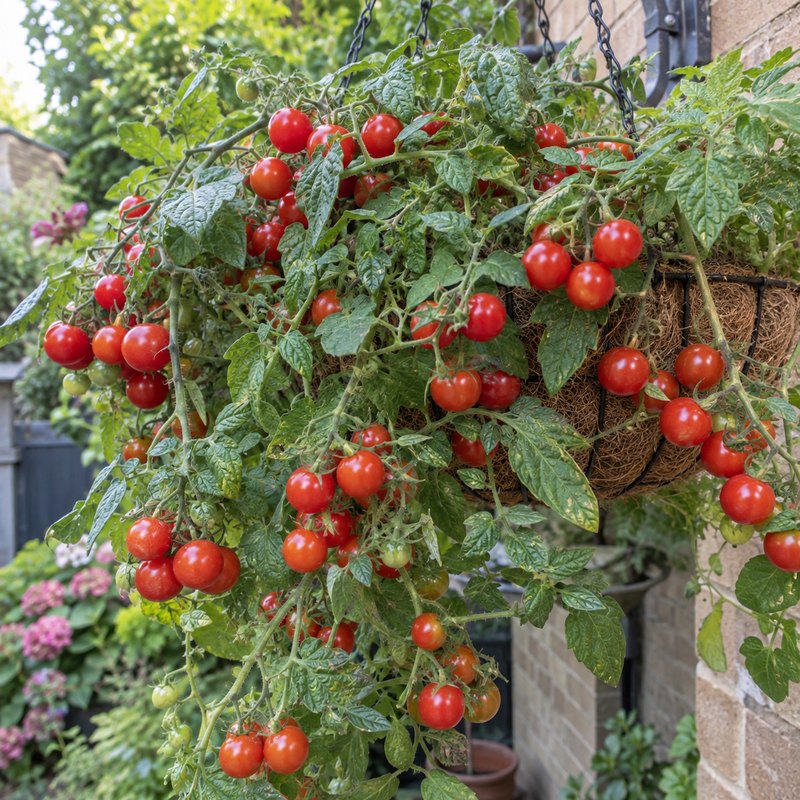
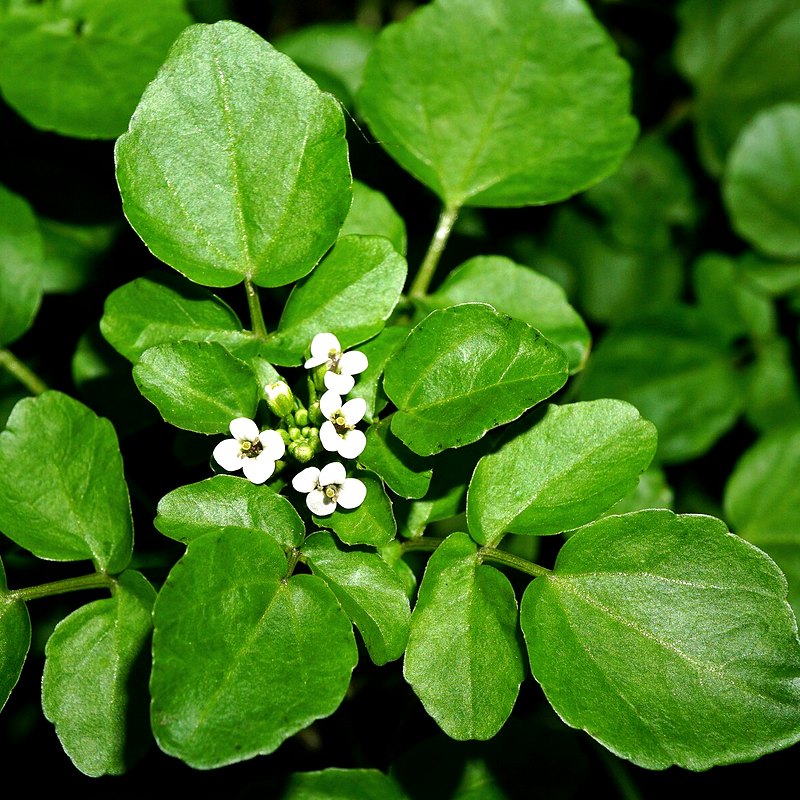
🍓 Fruit 5
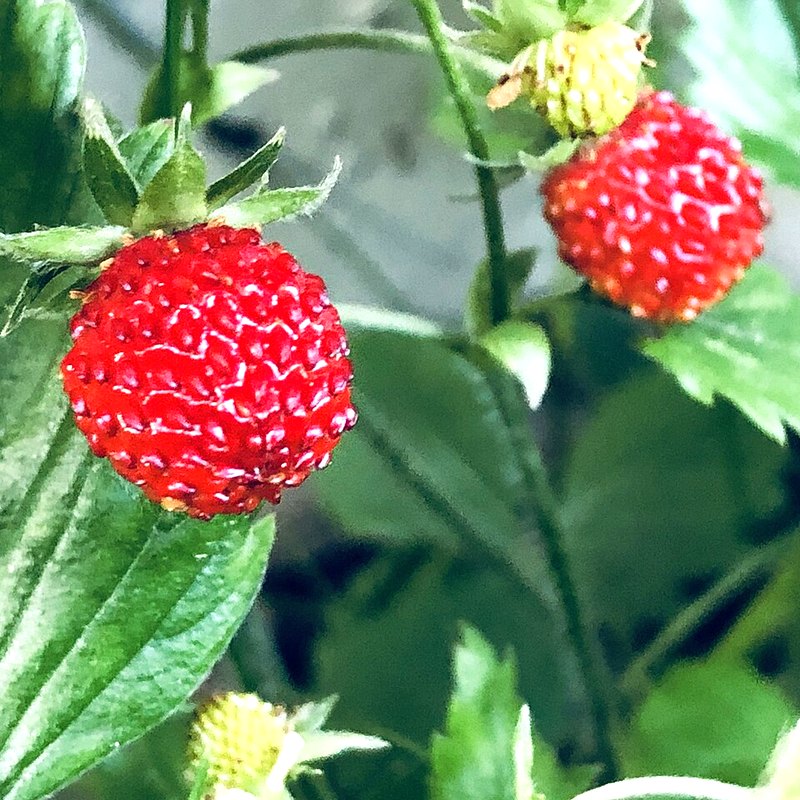
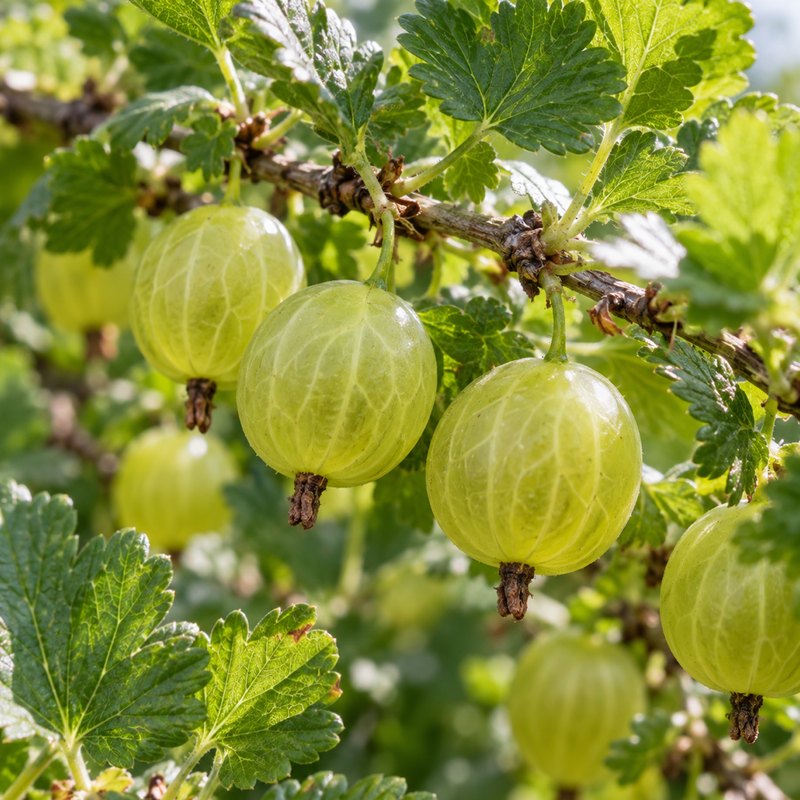
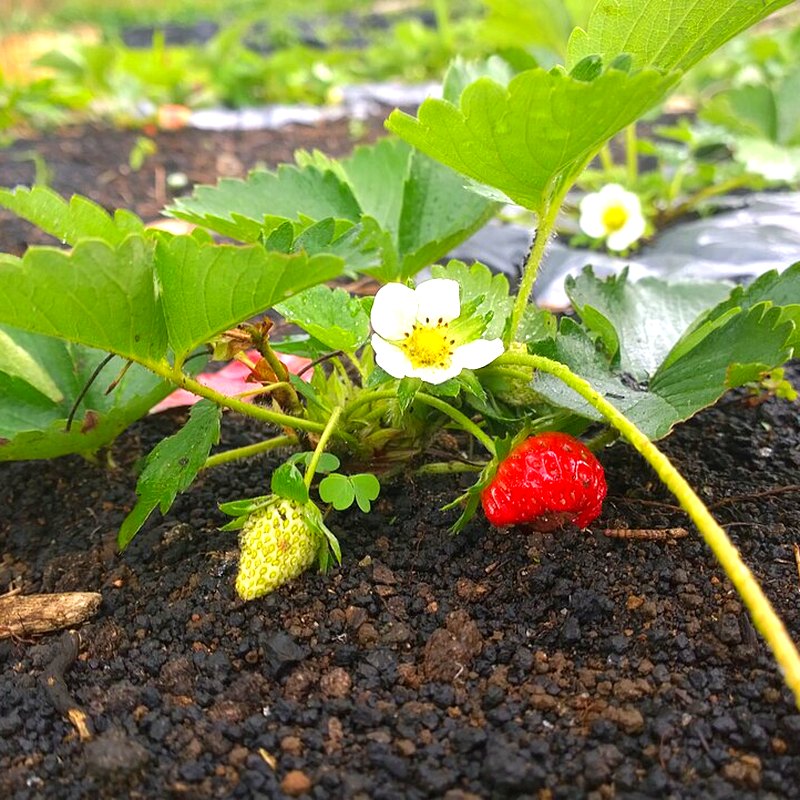
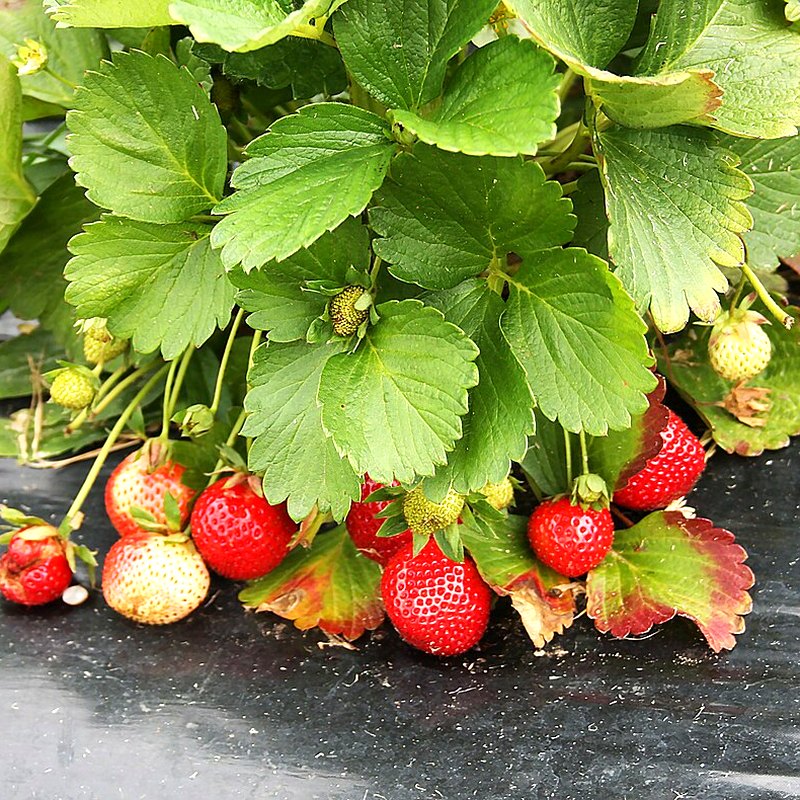
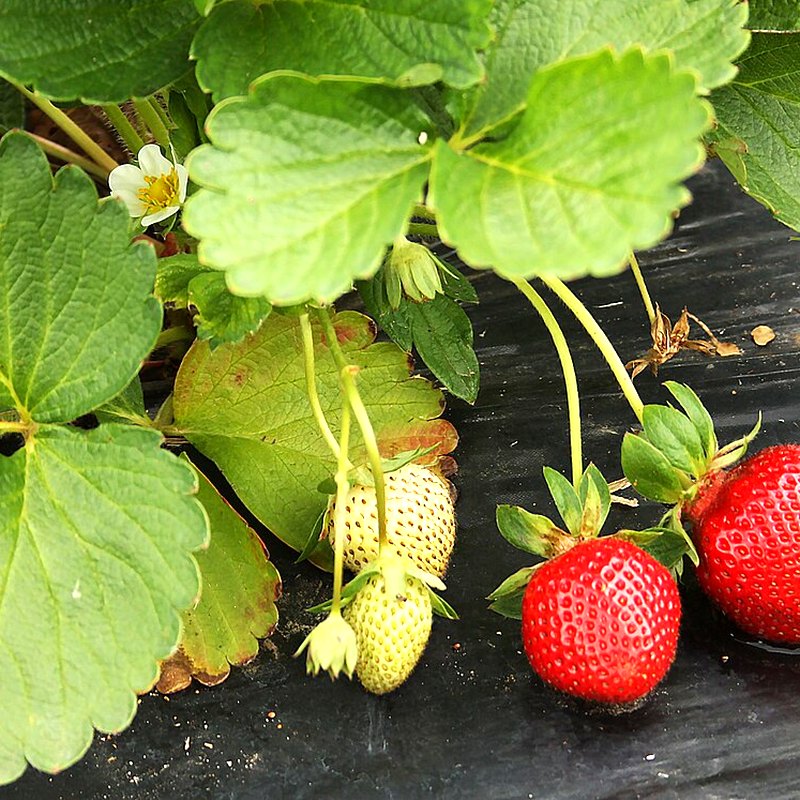
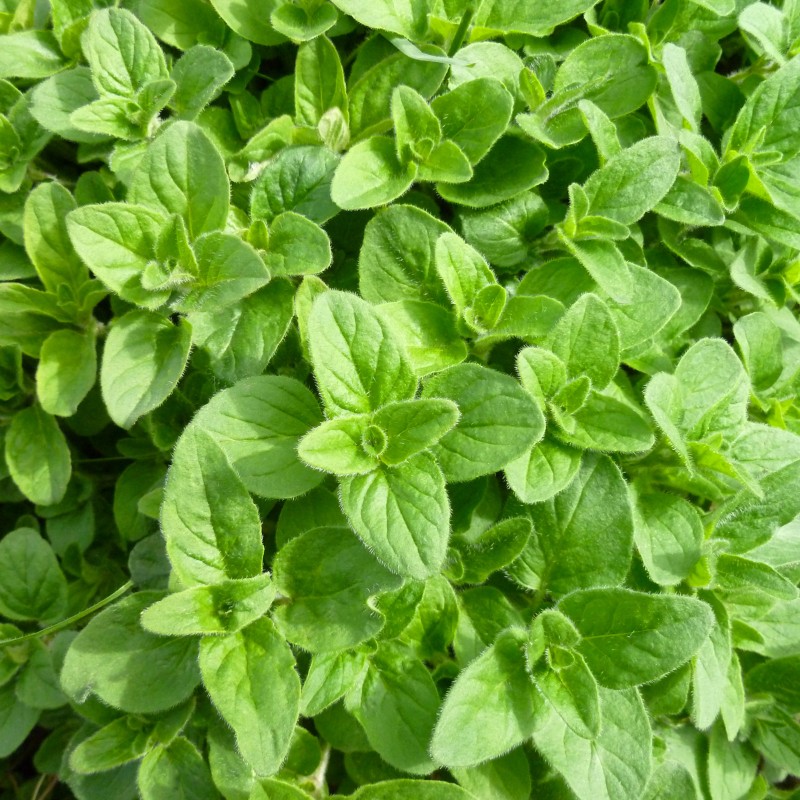
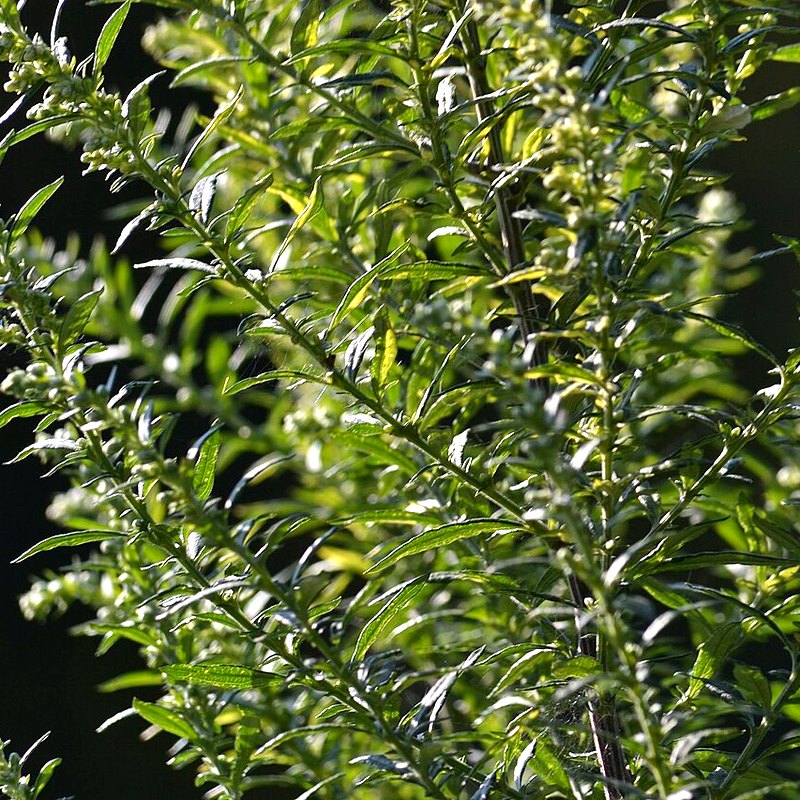
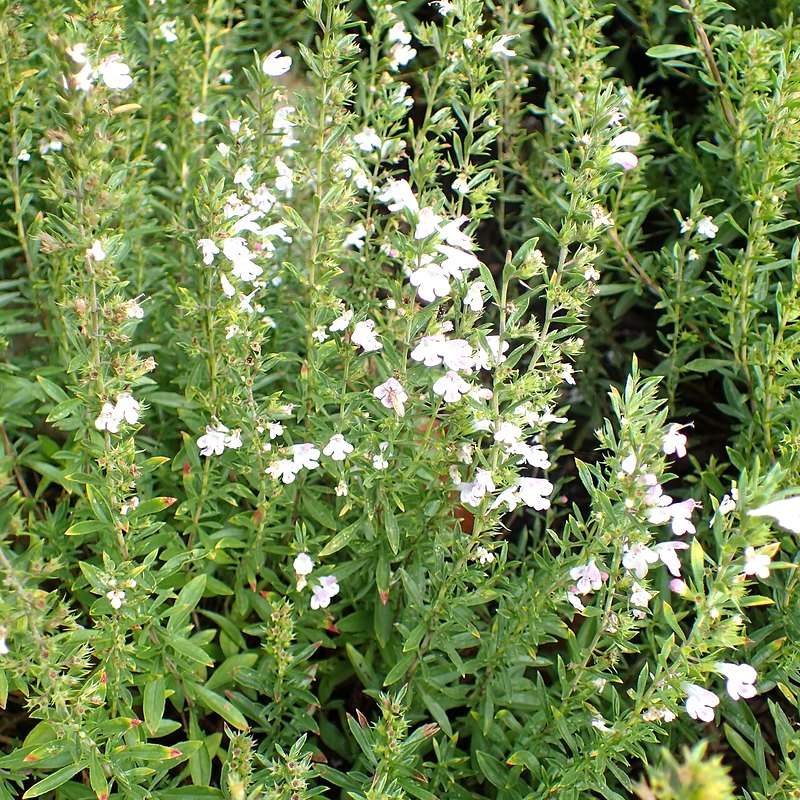
🌿 Herbs 28
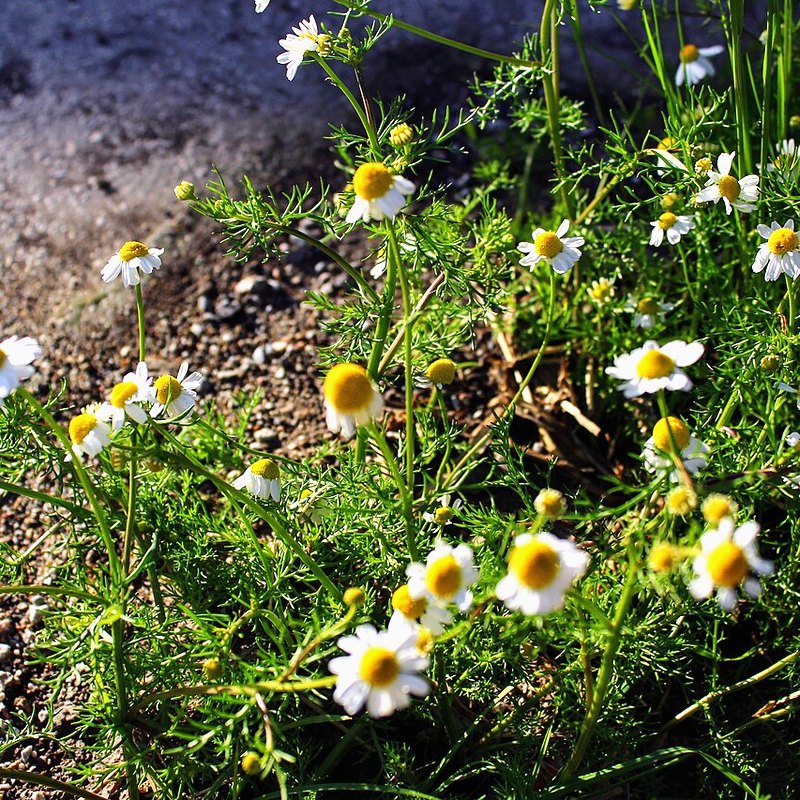
🌸 Flowers 1
Jobs for established plants in June
- Deadhead and FeedAllium (Purple Sensation)
Snap off faded flower heads (not the leaves) and give a high-potash feed to build up the bulb for next year.
- Fruit Thinning (if needed)Apple (Bramley's Seedling)
Thin out excess fruit to encourage larger, healthier apples and prevent branch breakage.
- Thin the FruitApple (Columnar)
Leave only one apple per cluster so the column is not overloaded.
- Water Pots RegularlyApple (Columnar)
Pot-grown trees need watering every day or two in summer.
- Thin FruitApple (Golden Delicious)
Once fruit has set, thin apples to 10-15cm apart to encourage larger, healthier fruit and prevent limb breakage.
- Summer Pest & Disease CheckApricot
Continue monitoring for pests and diseases, especially as fruit ripens.
- Trim After FloweringAquilegia (Granny's Bonnet)
Cut flowered stems to the base once they fade (leave a few if you want seedlings) and remove mildewed leaves; fresh leaves soon follow.
- Stop CuttingAsparagus (Gijnlim)
Stop cutting by midsummer and let the ferns grow to feed the crowns for next year.
- Ericaceous FeedAzalea (Japanese Evergreen)
Feed with an ericaceous fertiliser and top up the bark mulch.
- Check Leaves for PestsBay Tree
Look for curled, yellowed leaf edges (bay sucker) and scale insects underneath. Pick off affected leaves.
- Tie In New CanesBlackberry (Loch Ness)
Tie this year's new canes to the wires, keeping them separate from the fruiting ones.
- Net Against BirdsBlackcurrant (Ben Sarek)
Net the bushes before the fruit ripens.
- Let the Leaves Die BackBluebell (English)
Leave the foliage for at least six weeks after flowering, until it yellows — don't knot or cut it. Then tidy it away.
- Net Against BirdsBlueberry (Bluecrop)
Net the bushes as the berries turn blue.
- Tie In New CanesBoysenberry (Thornless)
Tie this year's new canes to the top wires, away from the fruiting canes.
- Move OutsideCalamondin Orange
Once nights stay above 10°C, move the pot to a sunny, sheltered patio.
- Deadhead and FeedCamassia
Snap off faded flower heads (not the leaves) and give a high-potash feed to build up the bulb for next year.
- Trim After FloweringCeanothus (Californian Lilac)
Lightly trim the flowered shoots after flowering. Never cut back into old, bare wood — it will not regrow.
- Net Against BirdsCherry (Morello)
Net the tree as the cherries start to colour — birds strip them in a day.
- Water During Dry SpellsCherry (Stella)
Ensure the tree receives adequate water, especially during prolonged dry periods and when fruit is developing.
- Summer Pest & Disease CheckCherry (Stella)
Continue monitoring for pests and diseases as the fruit ripens.
- Net Against BirdsCherry (Sunburst)
Net the tree as the cherries start to colour — birds strip them in a day.
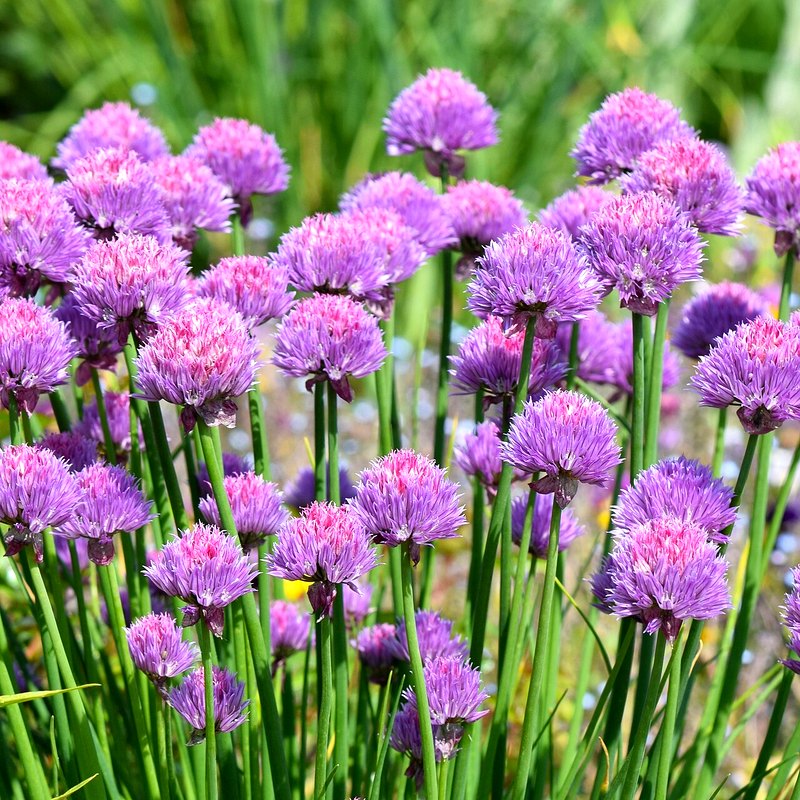
- Cut Back After FloweringChives
Cut the whole clump to 5 cm after flowering for a fresh flush of tender leaves.
- Divide Big ClumpsCowslip
After flowering, lift and split crowded clumps to make more plants.
- Summer Watering Check (June)Crab Apple (Red Sentinel)
Check soil moisture and water deeply during prolonged dry spells, especially for young trees.
- Leave Dormant in SummerCyclamen (hederifolium)
The leaves die away in summer — mark the spot so you do not dig into the tubers.
- Thinning FruitDamson (Merryweather)
If fruit set is very heavy, thin fruits to about 5-7cm apart to encourage larger fruit, prevent branch overload, and reduce disease risk.
- Summer Pruning (Pinching)Fig (Brown Turkey)
Pinch back new growth to encourage fruit production and manage size.
- FeedFuchsia (Hardy, Mrs Popple)
Feed with a high-potash liquid feed every two weeks through summer.
- Weekly FeedsGeranium (Zonal Pelargonium)
Feed weekly with a high-potash (tomato) feed for continuous flowers.
- Let the Leaves Die BackGrape Hyacinth
Leave the foliage for at least six weeks after flowering, until it yellows — don't knot or cut it. Then tidy it away.
- Pinch Out Side ShootsGrape Vine (Phoenix)
Pinch out shoots two leaves beyond a flower bunch, and any shoots without flowers at five leaves.
- Summer FeedHops
Give a liquid feed every two weeks and water well in dry spells.
- Looking Its BestHosta (June)
Leaves at their best — a good moment for a photo.
- Let the Leaves Die BackHyacinth (Mixed)
Leave the foliage for at least six weeks after flowering, until it yellows — don't knot or cut it. Then tidy it away.
- Tie In New CanesJapanese Wineberry
Tie this year's new canes to the top wires, away from the fruiting canes.
- Net Against BirdsJostaberry
Net the bushes before the fruit ripens.
- PruneJudas Tree (Forest Pansy)
Prune only if needed, after flowering — remove crossing branches.
- Move OutsideKumquat (Nagami)
Once nights stay above 10°C, move the pot to a sunny, sheltered patio.
- Move OutsideLemon (Meyer)
Once nights stay above 10°C, move the pot to a sunny, sheltered patio. Harden it off over a week.
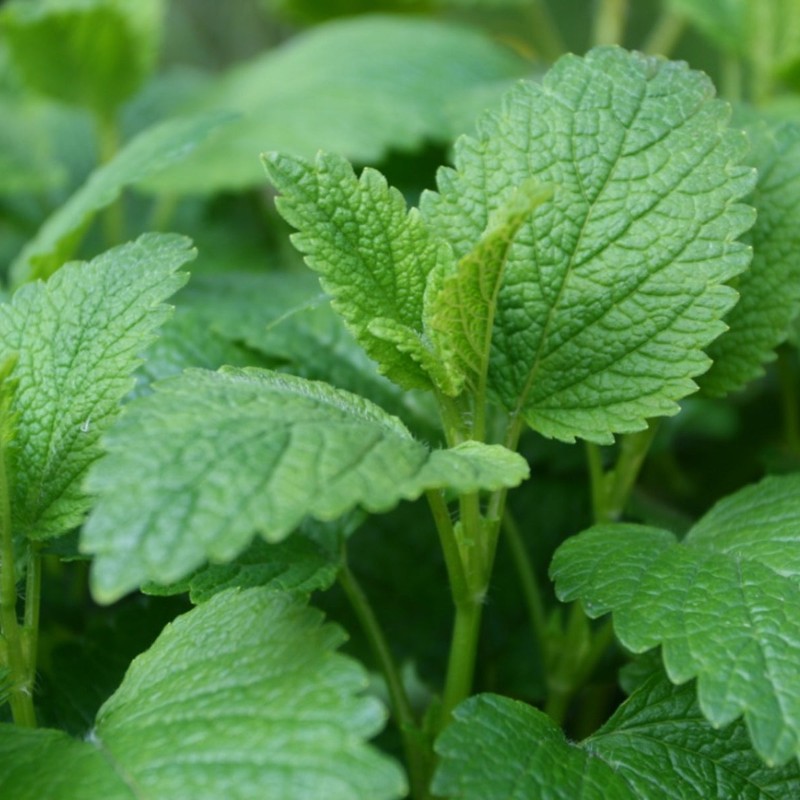
- Regular Harvest & PruningLemon Balm
Harvest leaves regularly throughout summer to encourage continuous new growth. Snip off flower buds early in the season to maintain leaf flavor. Cut back leggy stems to promote…
- Move OutsideLemongrass
Put the pot out on a sunny patio once nights are warm.
- DeadheadLilac (Common)
Snip off the faded flower heads just above the new shoots below them.
- PruneLilac (Common)
After flowering, cut one or two of the oldest stems to the base to keep the shrub young; remove suckers.
- Move OutsideLimequat
Once nights stay above 10°C, move the pot to a sunny, sheltered patio.
- Tie In New CanesLoganberry (Thornless)
Tie this year's new canes to the top wires, away from the fruiting canes.
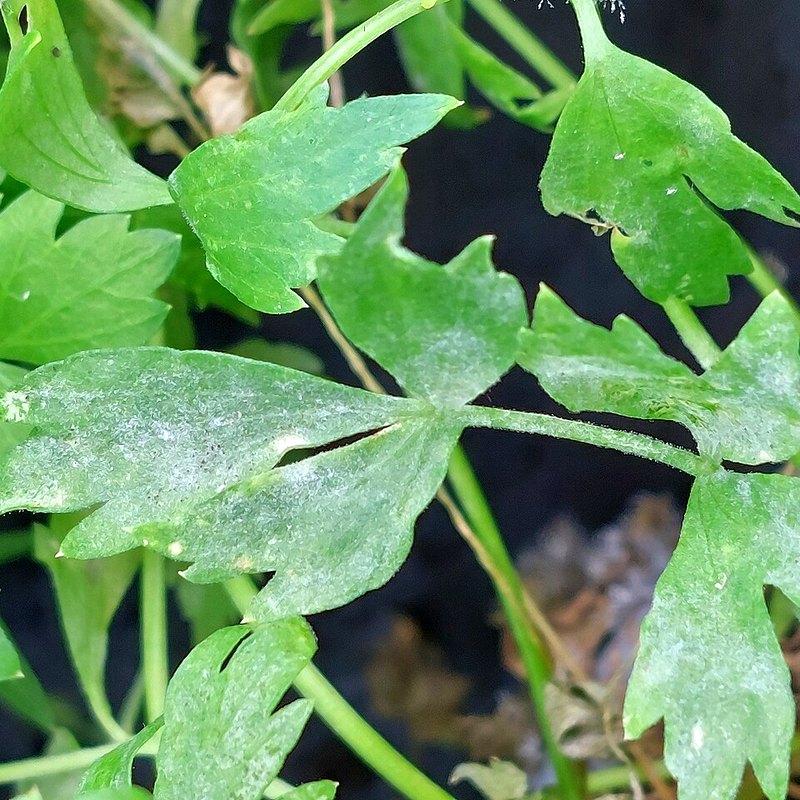
- Cut Back for Fresh LeavesLovage
Cut some stems to the ground in midsummer — fresh, tender leaves regrow quickly.
- DeadheadLupin (Gallery Mixed)
Cut spent spikes back to the leaves for a smaller second flush.
- Trim After FloweringMexican Orange Blossom (Choisya)
After flowering, trim lightly to keep a neat shape; shorten any straggly shoots.
- Water in Dry SpellsMulberry (Black)
Young mulberries drop fruit if they dry out. Give a deep soak weekly in dry weather.
- Thin the FruitNectarine (Lord Napier)
Thin fruitlets to one every 15 cm once they are hazelnut-sized.
- Move OutsideOrange (Sweet, Pot-Grown)
Once nights stay above 10°C, move the pot to a sunny, sheltered patio.
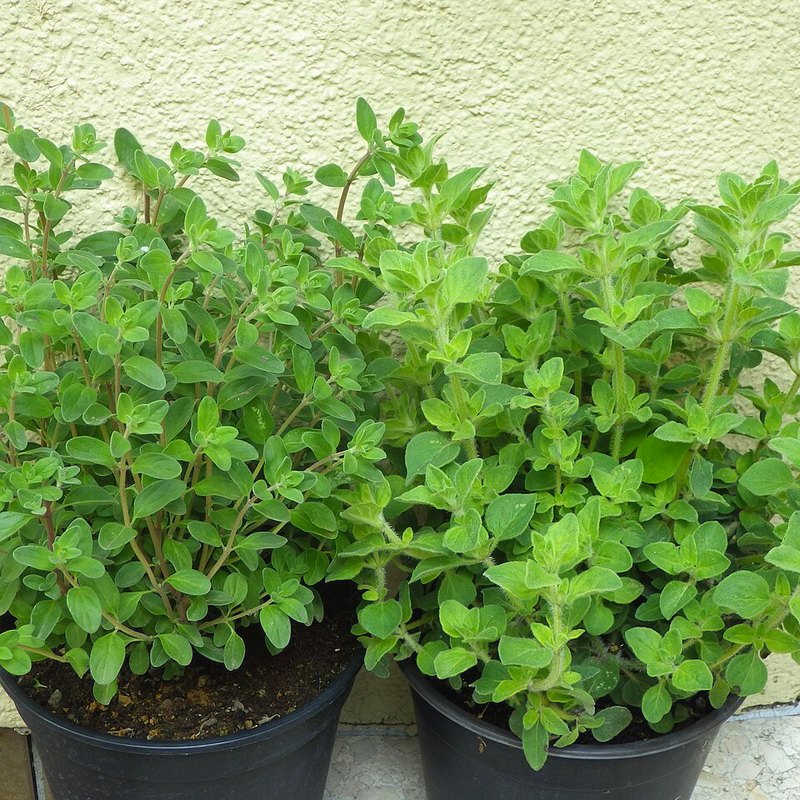
- Cut Back for Second HarvestOregano
Cut back plants in June to prevent flowering and encourage a flush of new, flavourful growth for a second harvest. You can let some plants flower for pollinators.
- Water During Dry Spells (Early Summer)Peach (Peregrine)
Ensure consistent moisture, especially during fruit development.
- Thin Fruit (if needed)Pear (Concorde)
If fruit set is heavy, thin clusters to 1-2 pears every 15-20cm (6-8 inches) in early summer to encourage larger, healthier fruit and prevent branch breakage.
- Thinning FruitPear (Conference)
Thin fruit to 1-2 pears per cluster, spaced 15-20cm apart, to encourage larger fruit and prevent biennial bearing.
- DeadheadPeony (Sarah Bernhardt)
Remove faded flowers back to a leaf. Enjoy — and photograph — the blooms first!
- Remove FlowersPeppermint
Pinch off any mauve flowers as they appear to prevent seed production and encourage more leaf growth.
- Thin the FruitPlum (Opal)
Thin heavy crops to one plum every 5–8 cm so branches do not snap.
- Thinning FruitPlum (Victoria)
Thin developing plums to 5-10cm apart after the 'June drop' to encourage larger, healthier fruit and prevent branch breakage.
- Net Against BirdsRaspberry (Glen Ample)
Cover with netting as the fruit starts to colour.
- Net Against BirdsRedcurrant (Jonkheer van Tets)
Net before the berries colour.
- Snap Off Faded FlowersRhododendron
Carefully snap off dead flower trusses just above the new buds — don't damage the buds below.
- Second FeedRose (English Shrub)
A second dose of rose feed after the first flush encourages repeat flowering.
- Net Against BirdsSaskatoon Berry
Net the bush as the berries start to colour — birds love them.
- Remove Flower StemsSea Kale
Cut off flower stems so the energy goes into the crown.
- Let the Leaves Die BackSnake's Head Fritillary
Leave the foliage for at least six weeks after flowering, until it yellows — don't knot or cut it. Then tidy it away.
- Remove Flower StemsSorrel (Broad-Leaved)
Cut off flower stems as they appear to keep leaves coming.
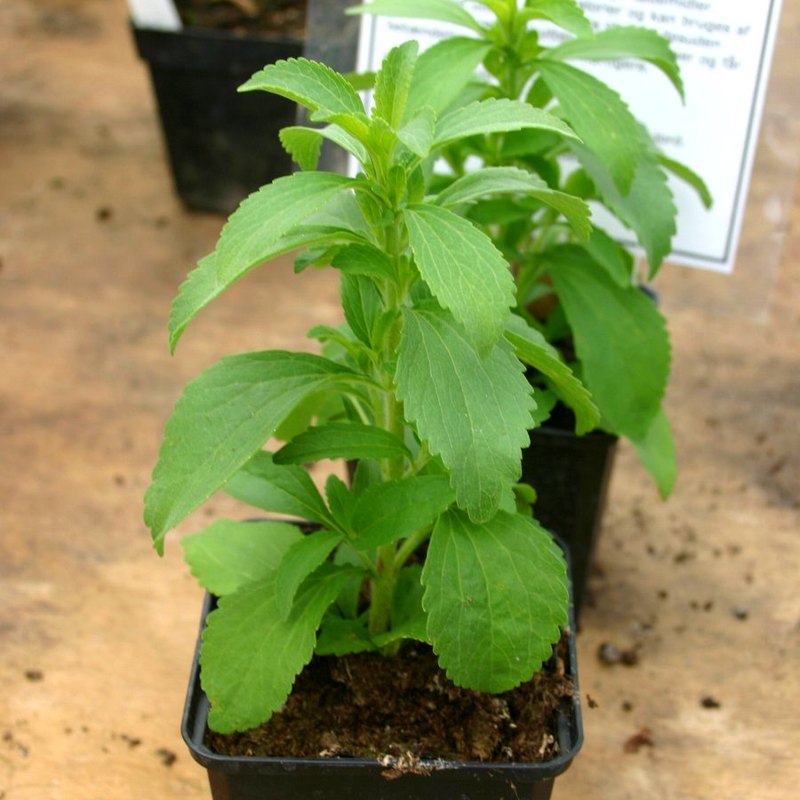
- Move OutsideStevia
Stand the pot in a sunny, sheltered spot once nights are warm.
- Tie In New CanesTayberry
Tie this year's new canes to the top wires, away from the fruiting canes.
- Let the Leaves Die BackTulip (Apricot Beauty)
Leave the foliage for at least six weeks after flowering, until it yellows — don't knot or cut it. Then tidy it away.
- Lift Tulips (Optional)Tulip (Apricot Beauty)
Tulips often flower less in later years. Lift bulbs once the leaves have died, dry and store them, and replant in November — or treat them as annuals.
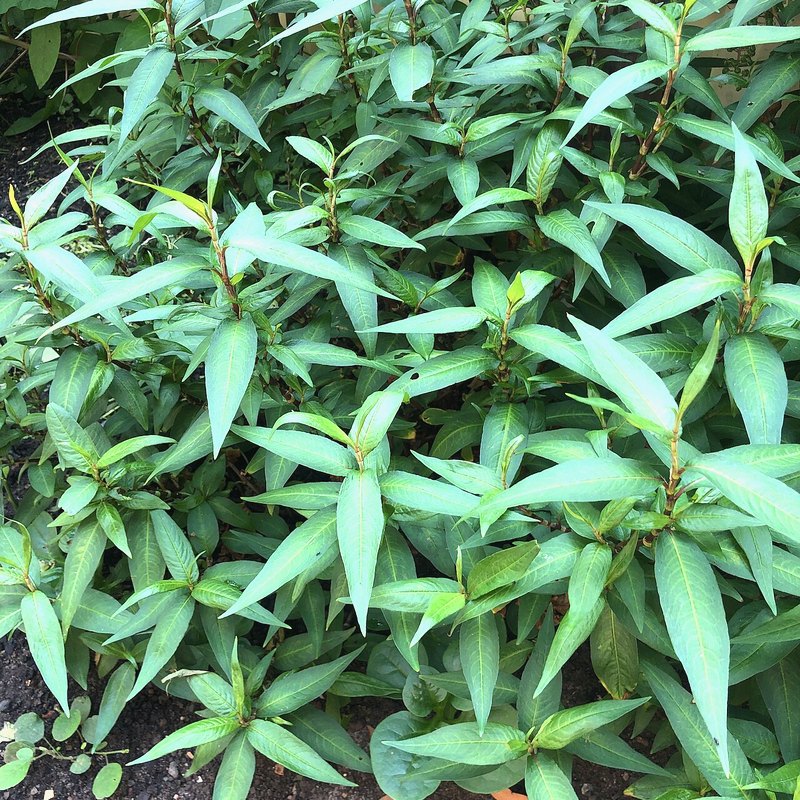
- Move OutsideVietnamese Coriander
Stand the pot outside in a warm, part-shaded spot once nights are mild.
- PruneWeigela (Florida Variegata)
Straight after flowering, cut the stems that flowered back to strong young shoots, and remove a few old stems at the base.
- Net Against BirdsWhitecurrant (White Versailles)
Net before the berries ripen.
Other months
What to sow in January, What to sow in February, What to sow in March, What to sow in April, What to sow in May, What to sow in July, What to sow in August, What to sow in September, What to sow in October, What to sow in November and What to sow in December.