 PlantSowGrow
What to sow and plant in April
In a typical UK garden the last frost comes around mid-April, so this is the busiest sowing month. Harden off seedlings raised indoors, but keep tender plants protected until the risk of frost has passed where you live.
Timed for a typical UK garden (last frost mid-April, first frost late October). The PlantSowGrow app dates every job from your own town's frost dates.
Sow indoors in April 23
On a windowsill, in a propagator or in a greenhouse.
🥕 Vegetables 17
🍓 Fruit 3
🌿 Herbs 1
🌸 Flowers 2
Sow outdoors in April 99
Straight into the ground, a raised bed or pots outside.
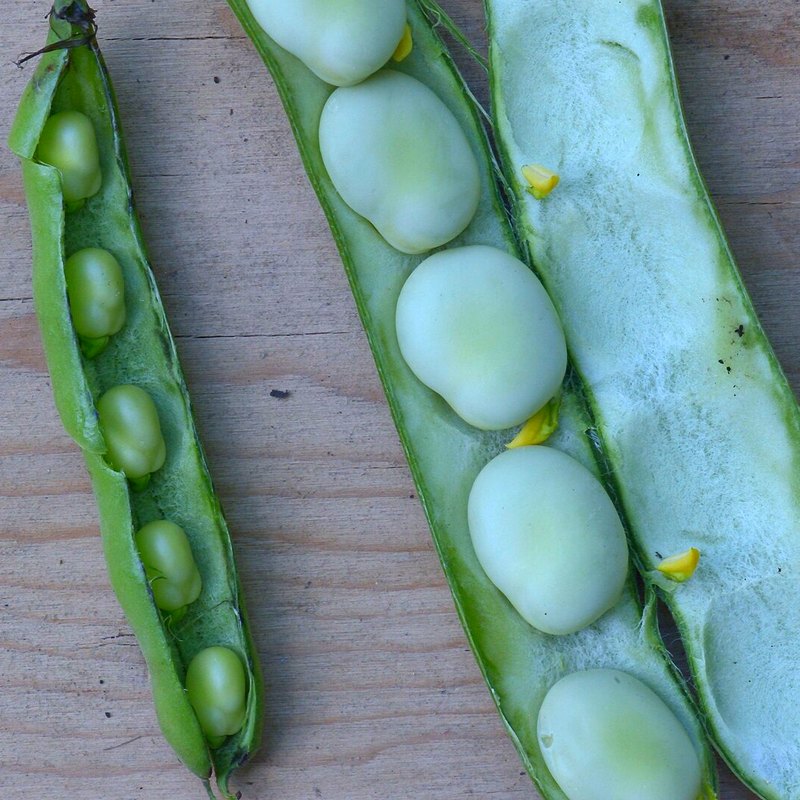
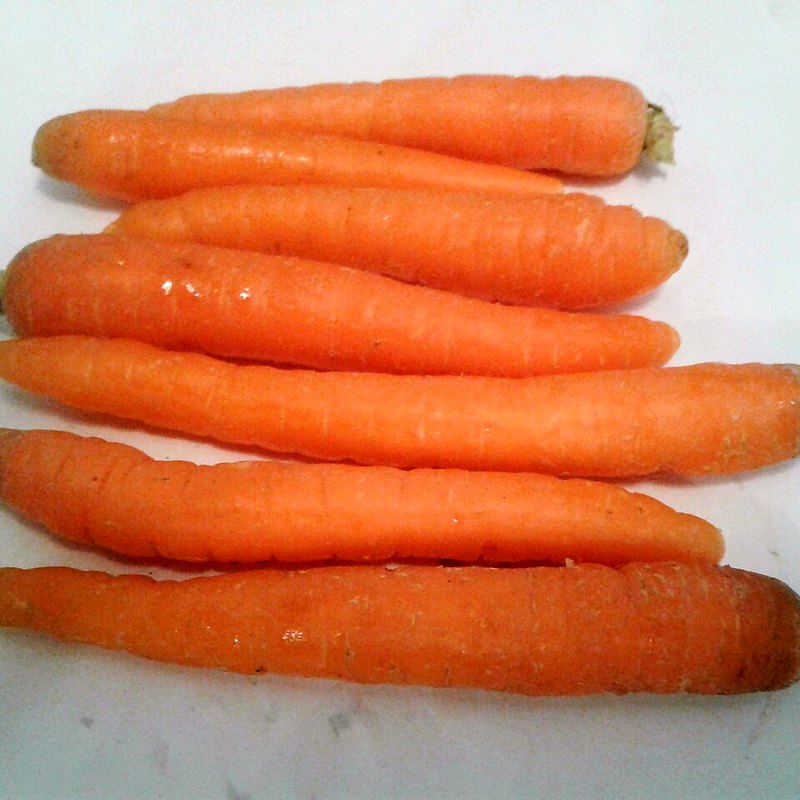
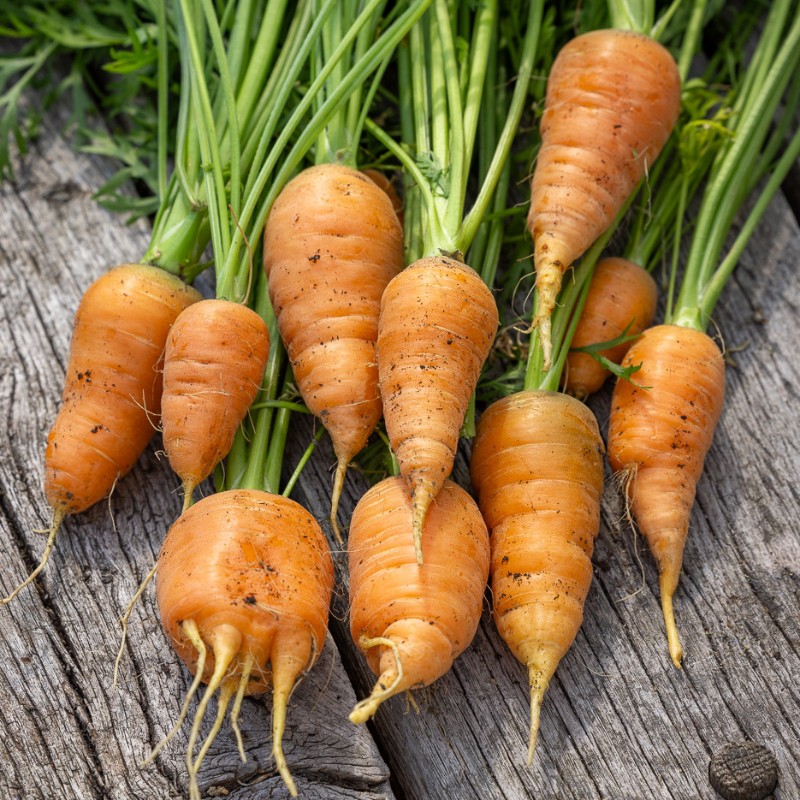
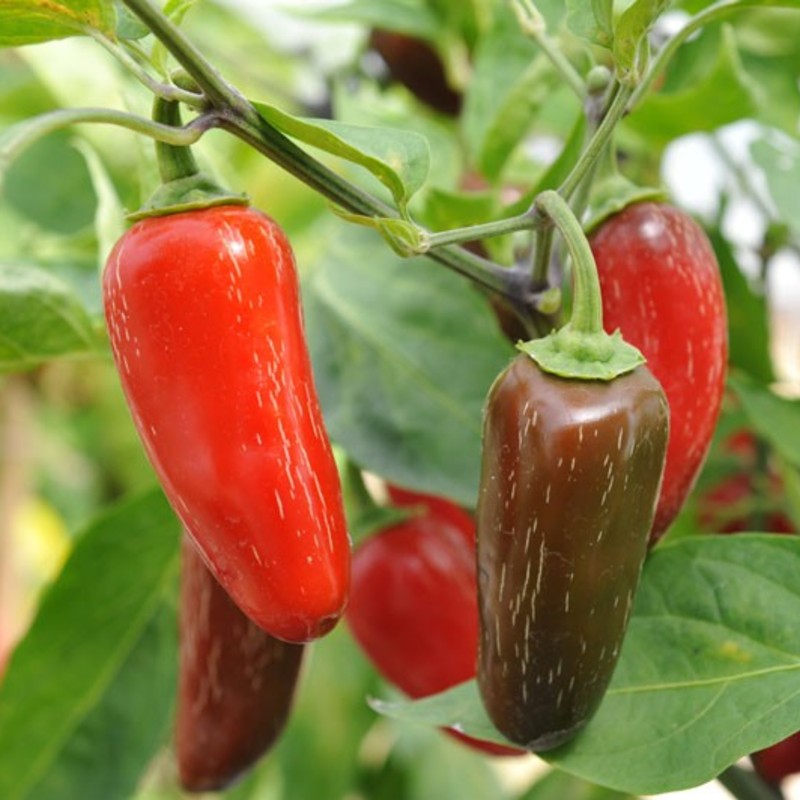
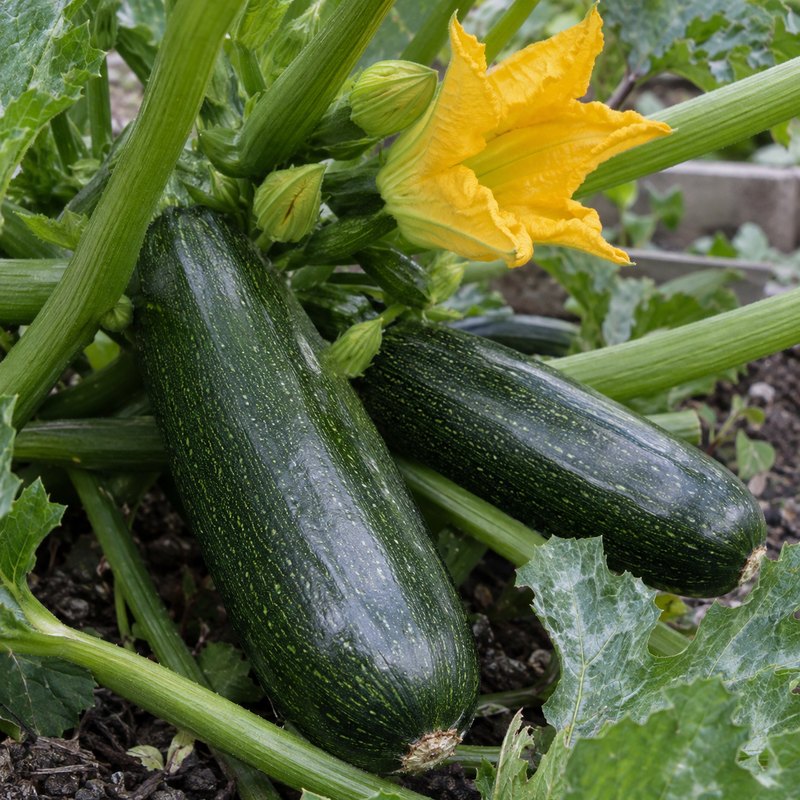
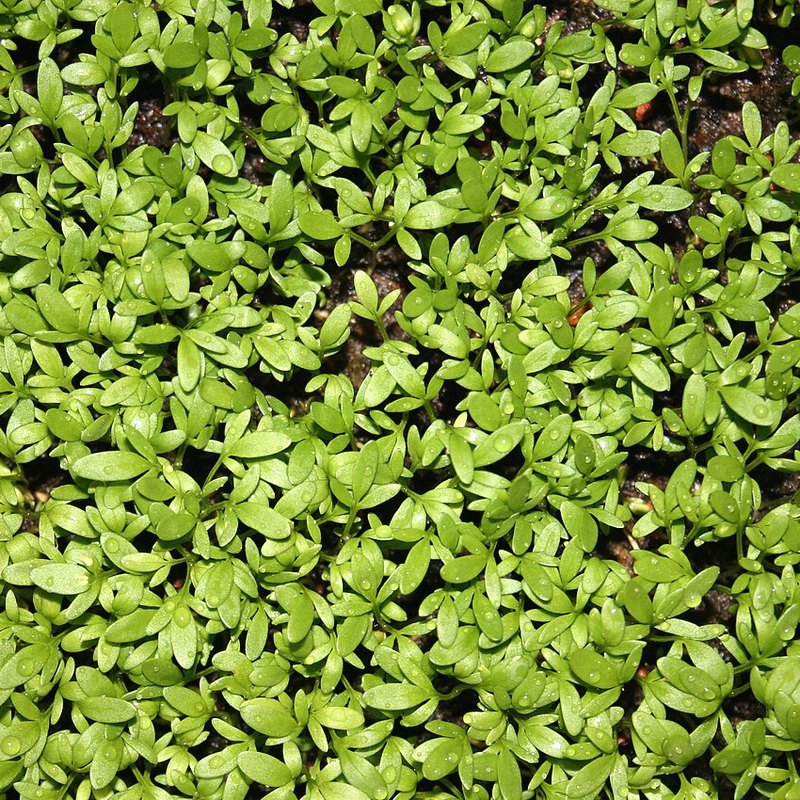
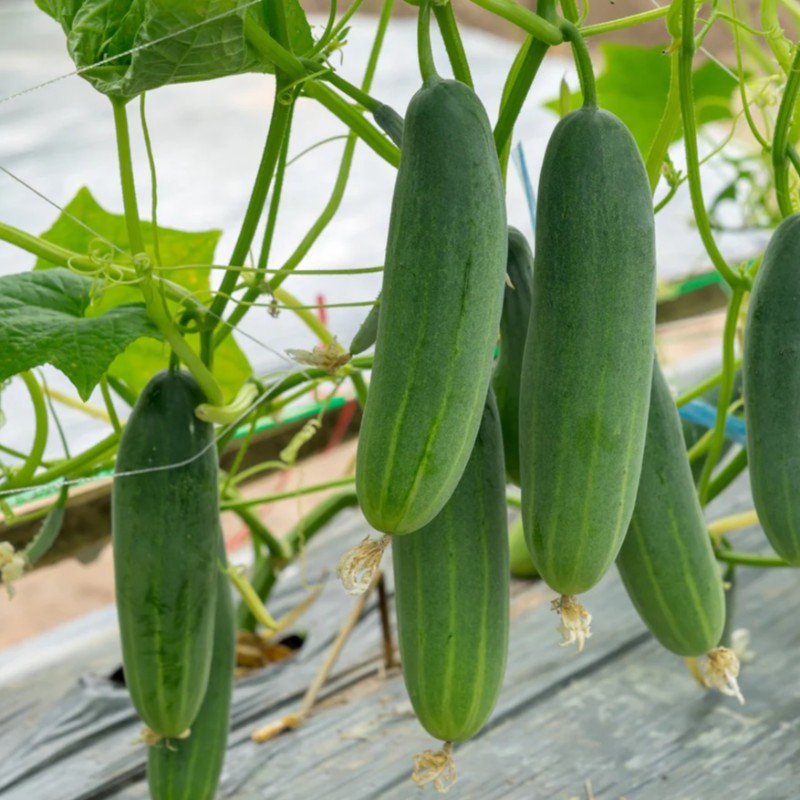
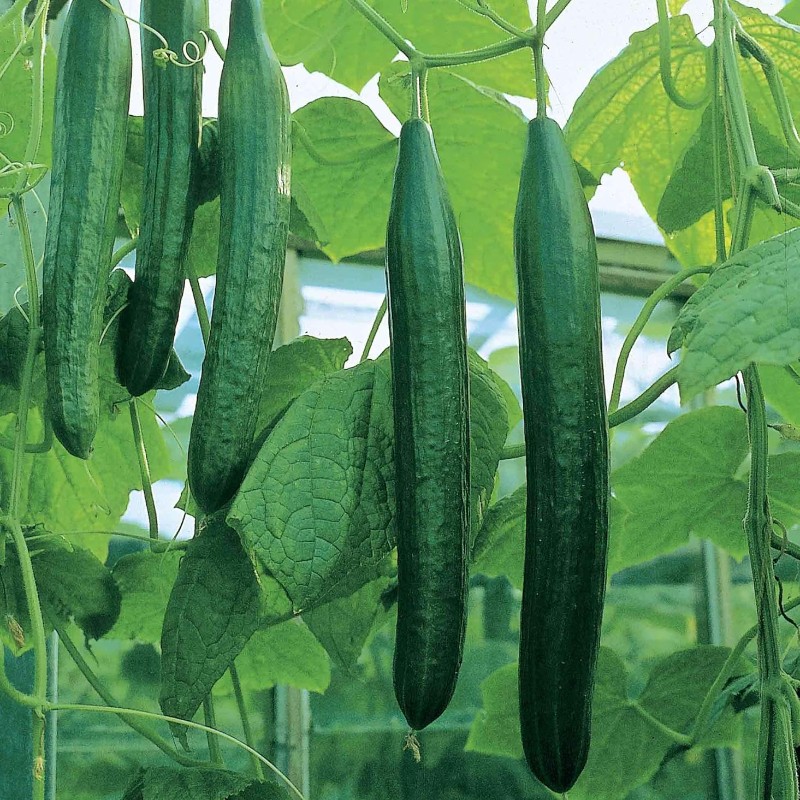
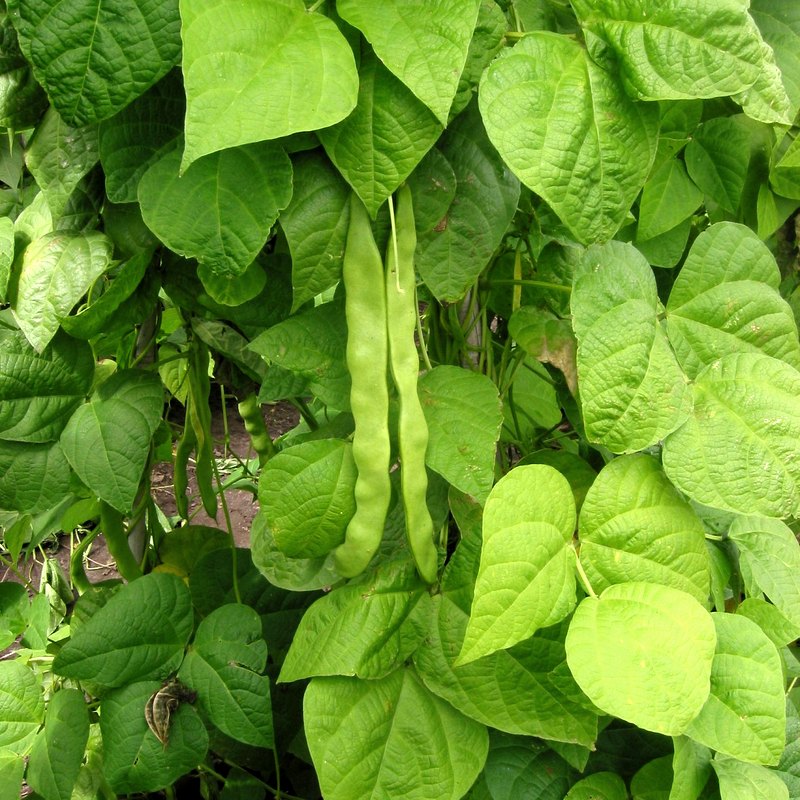
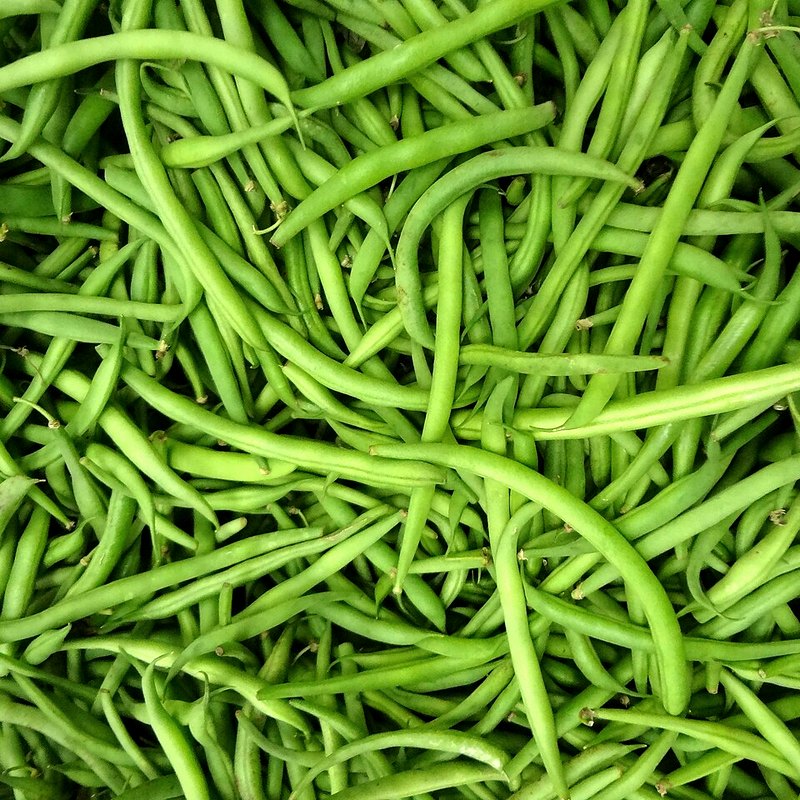
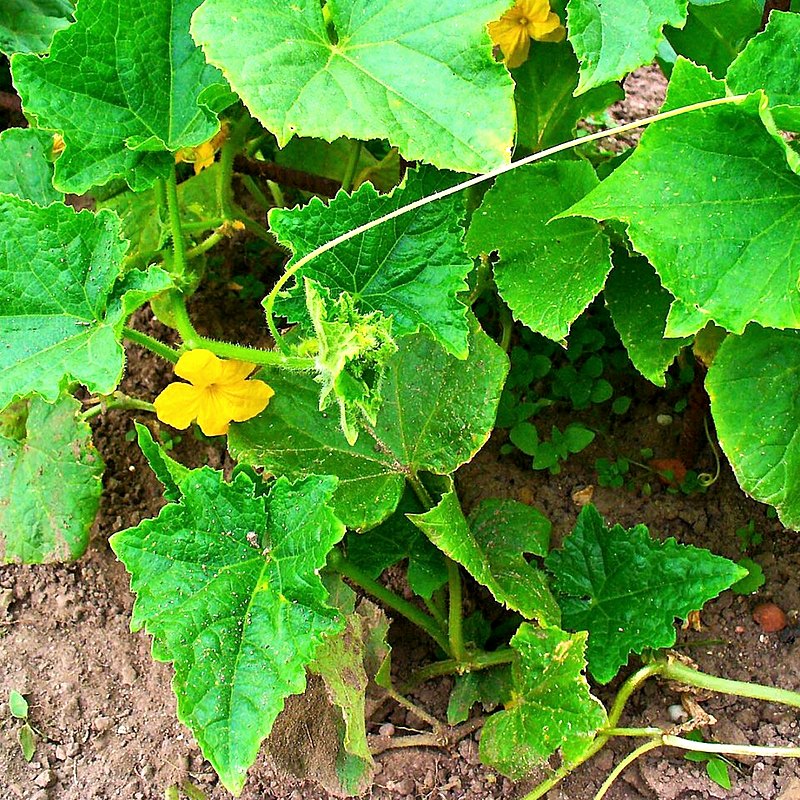
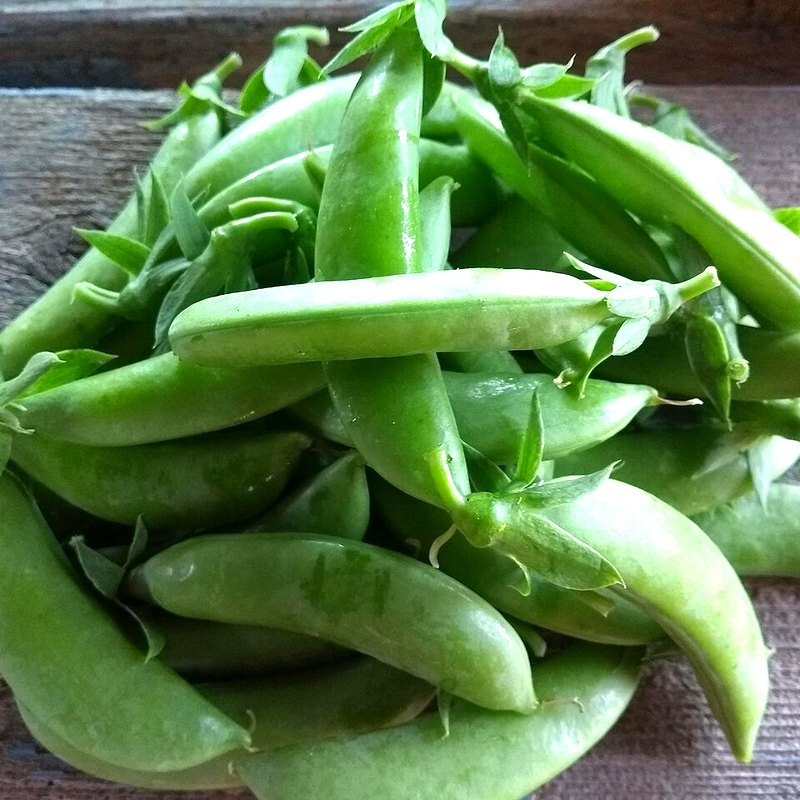
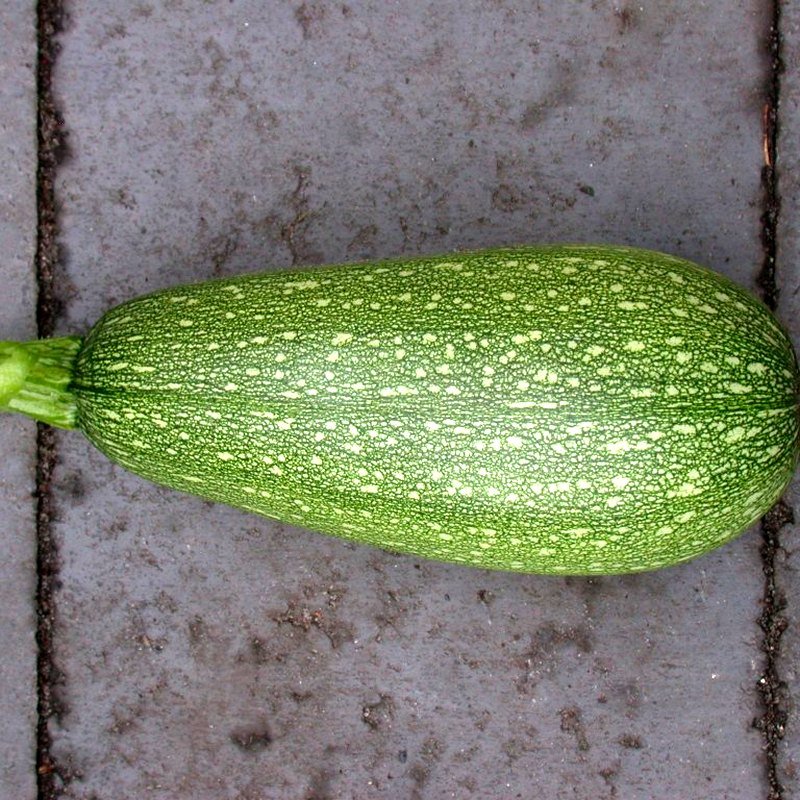
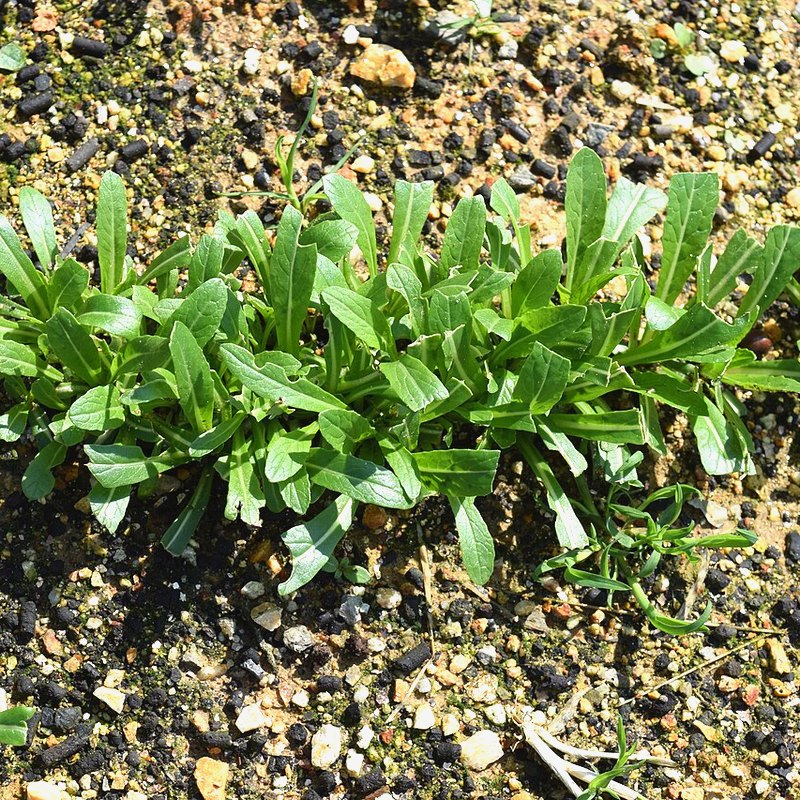
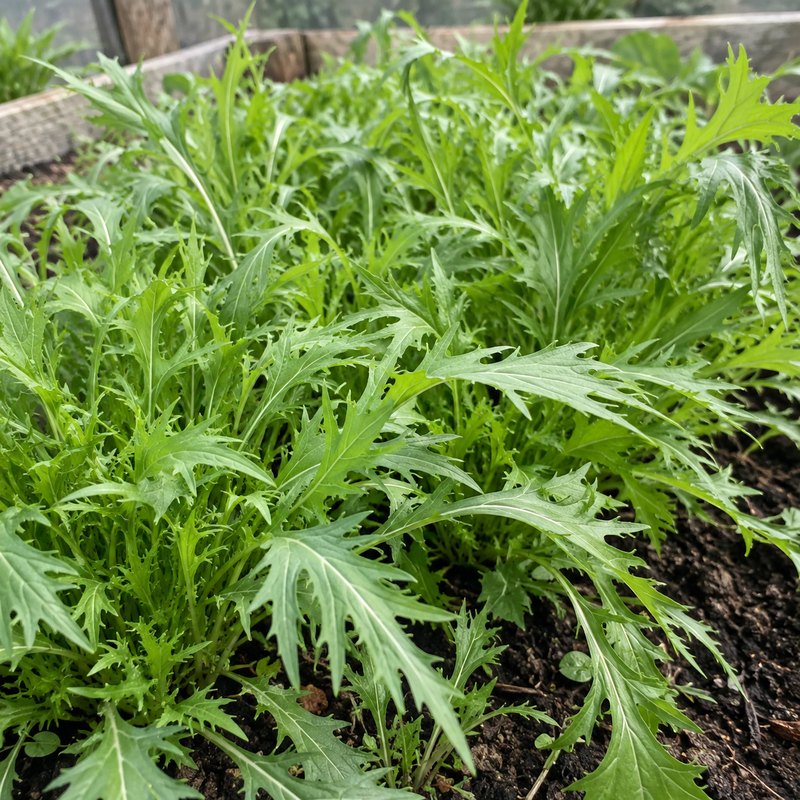
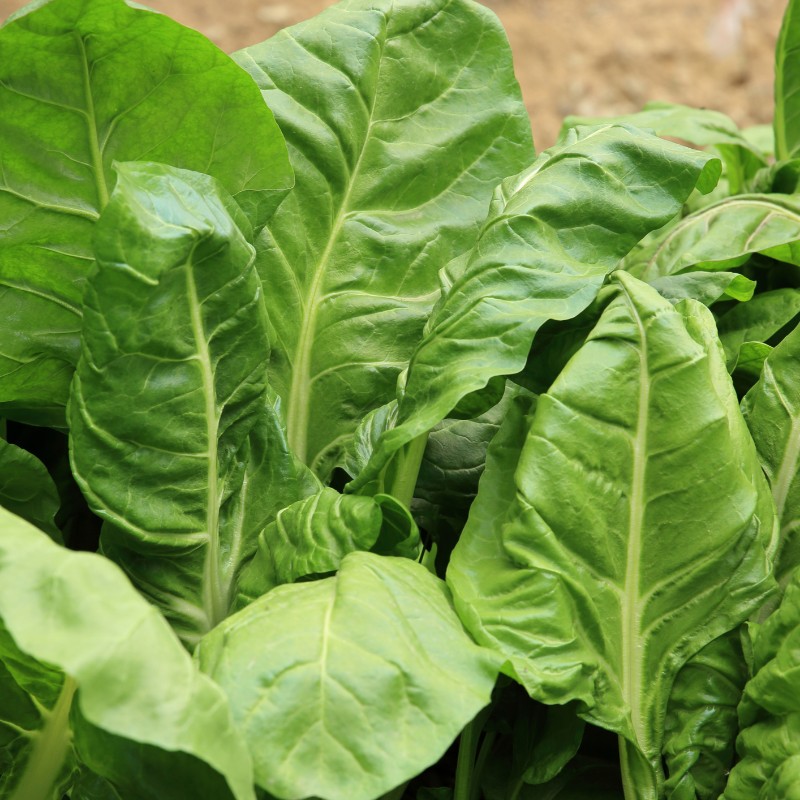
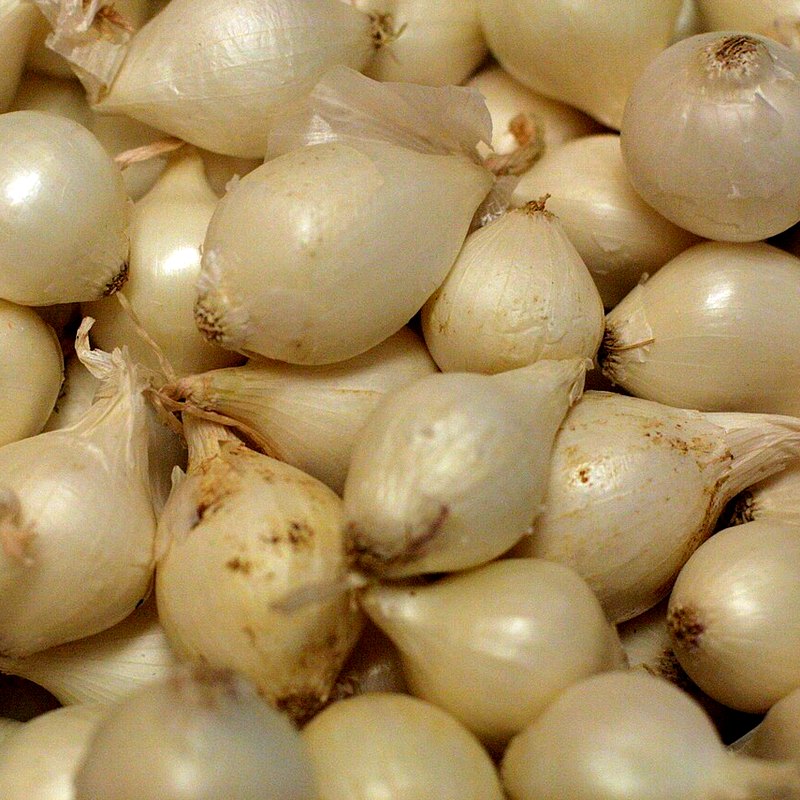
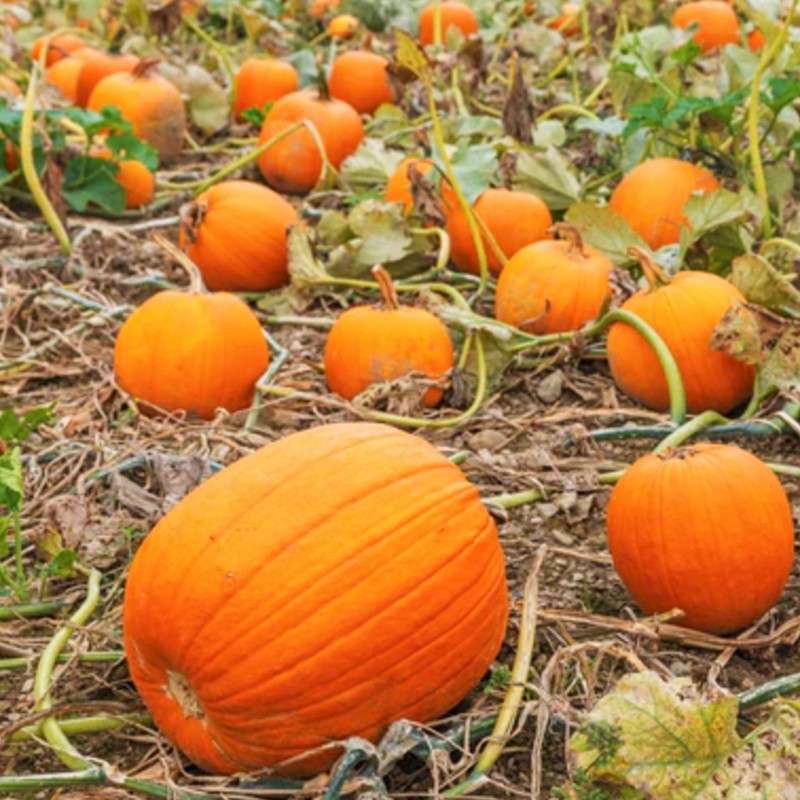
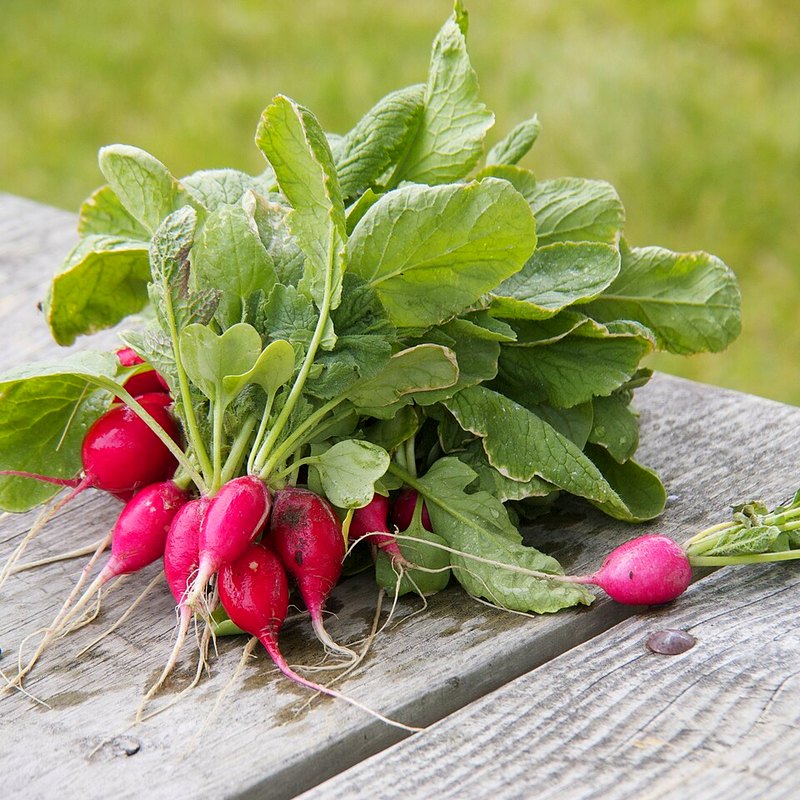
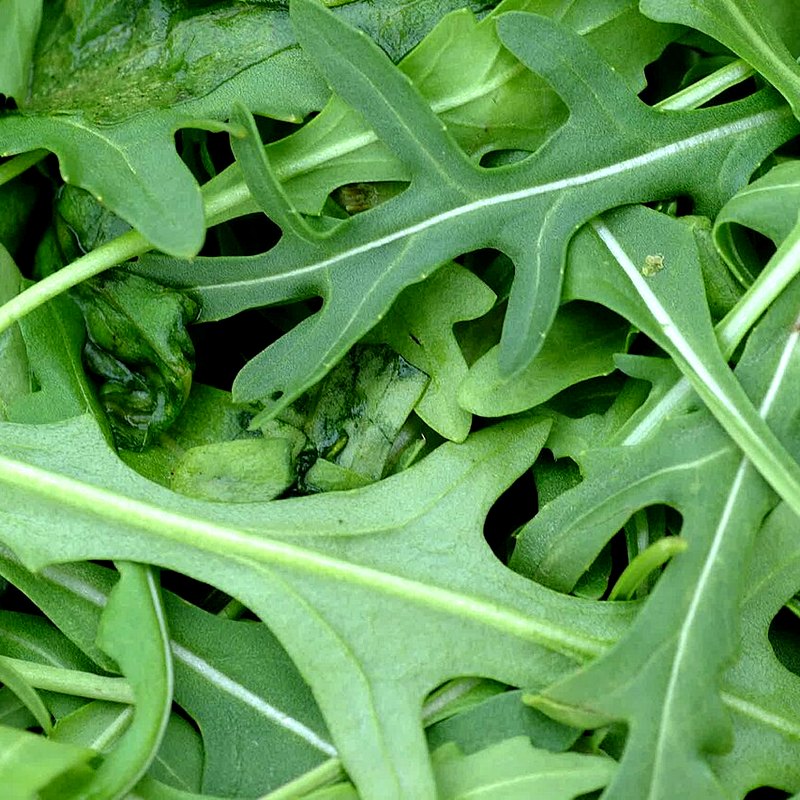
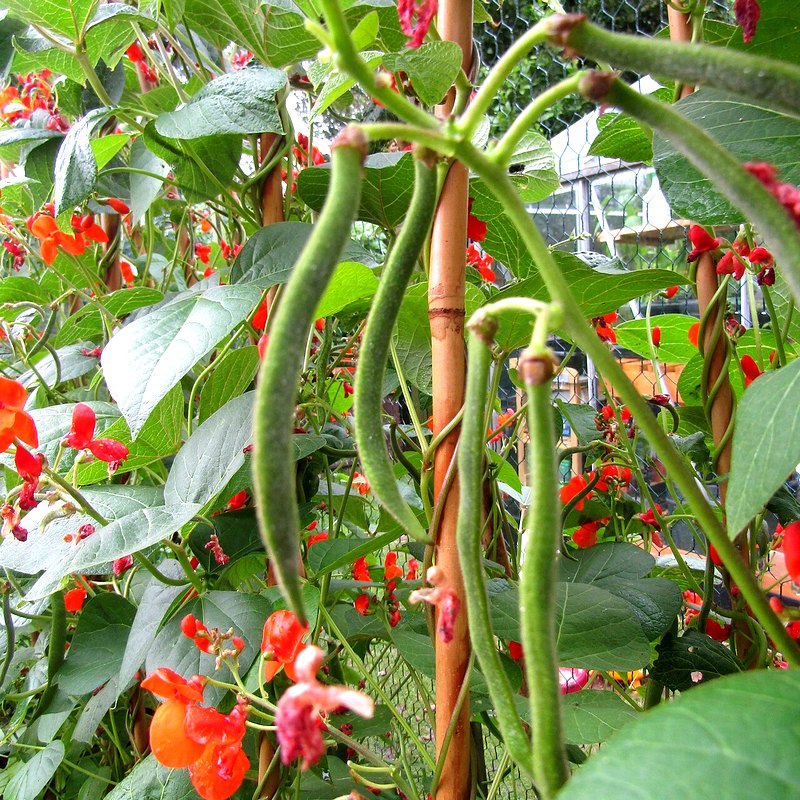
🥕 Vegetables 53

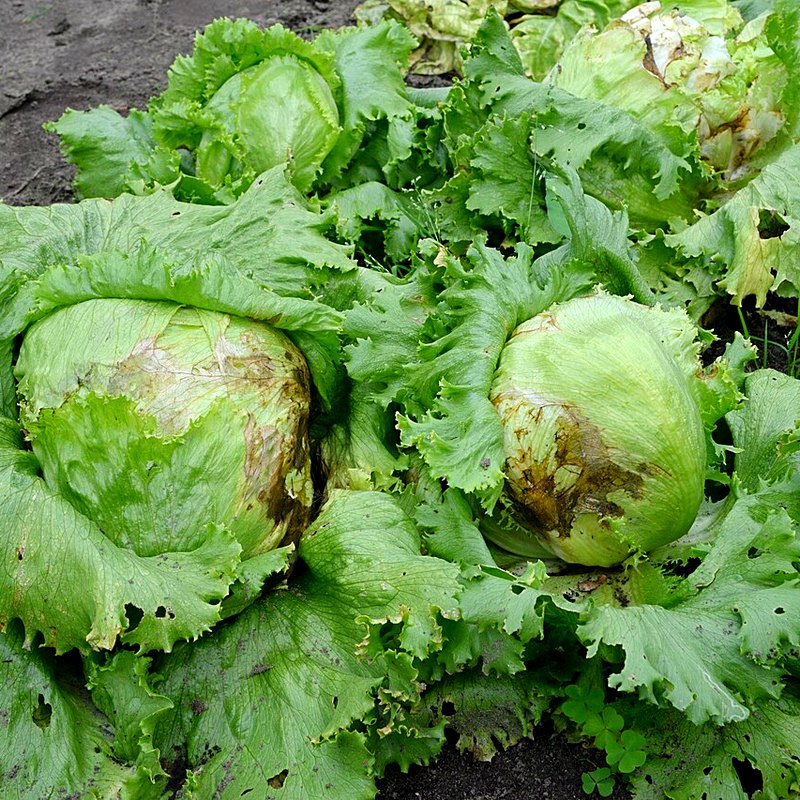
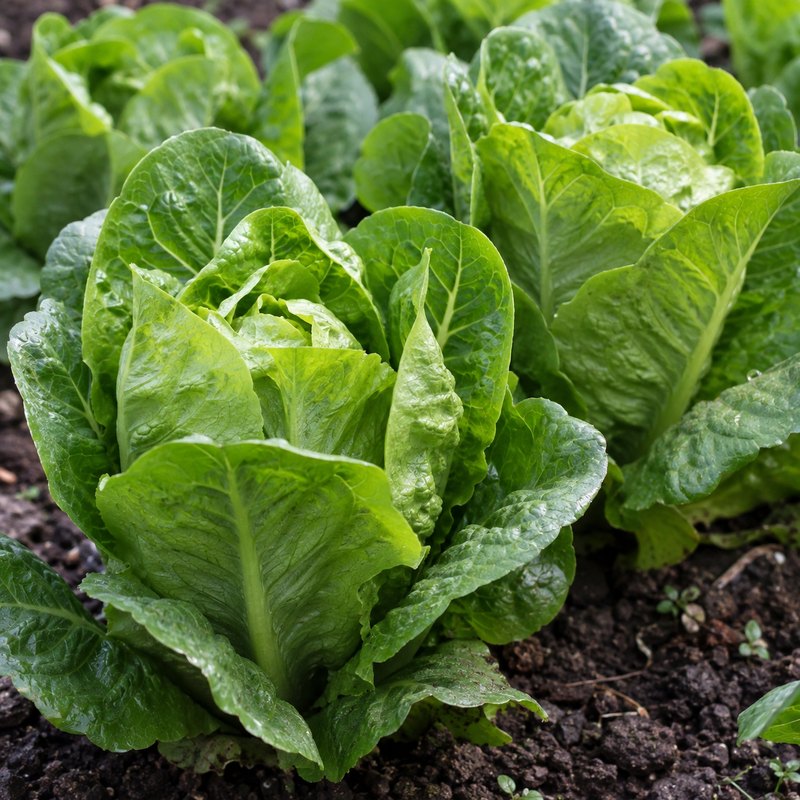
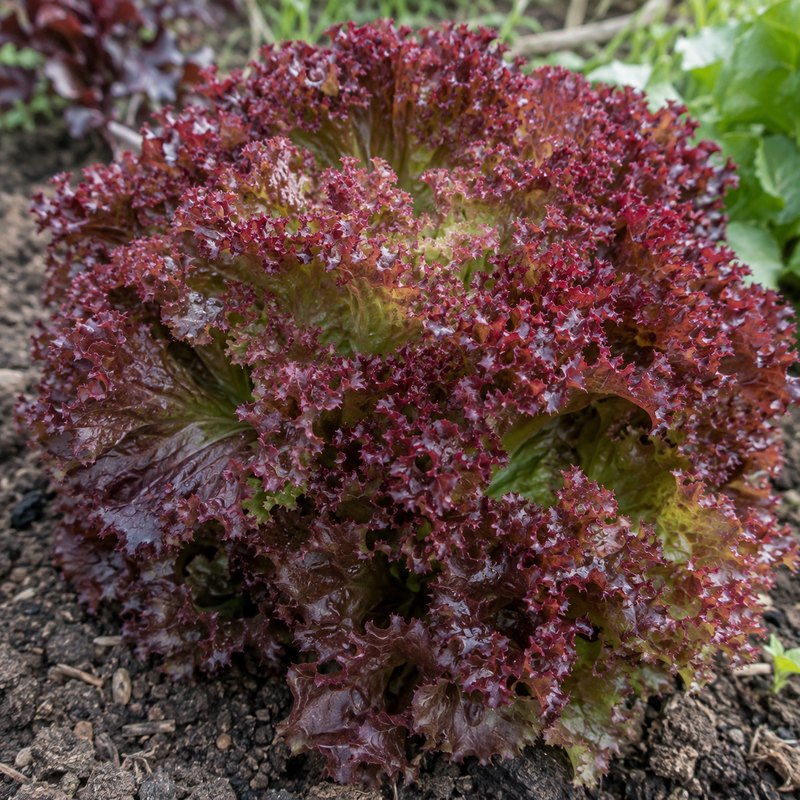
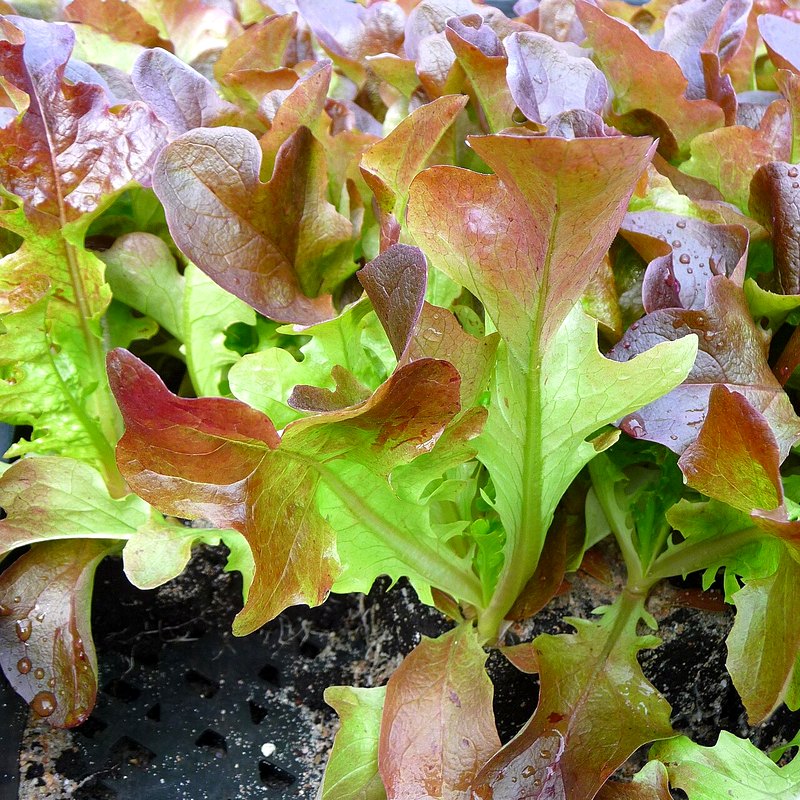
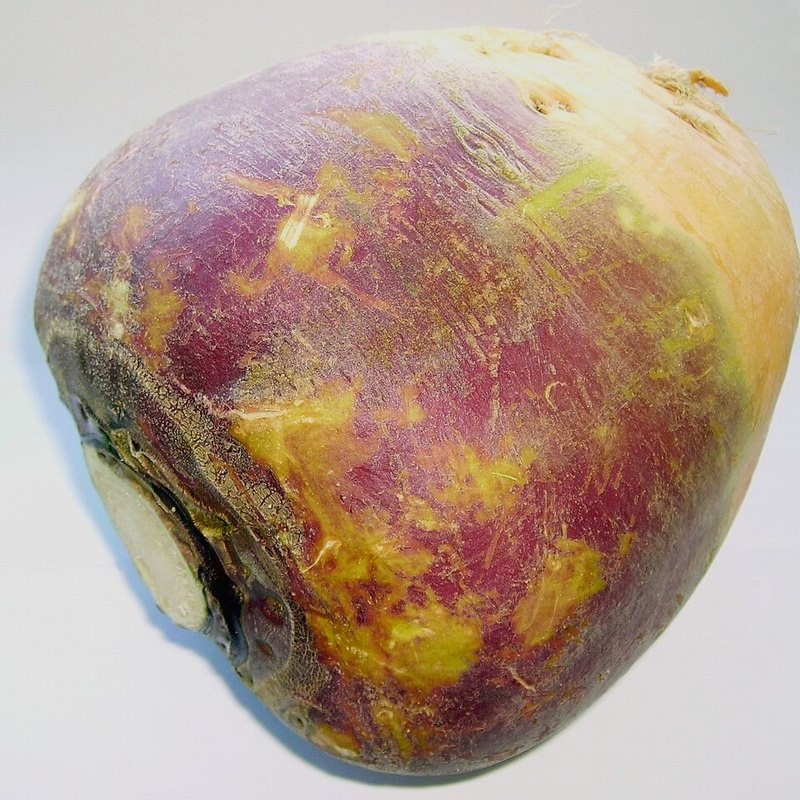
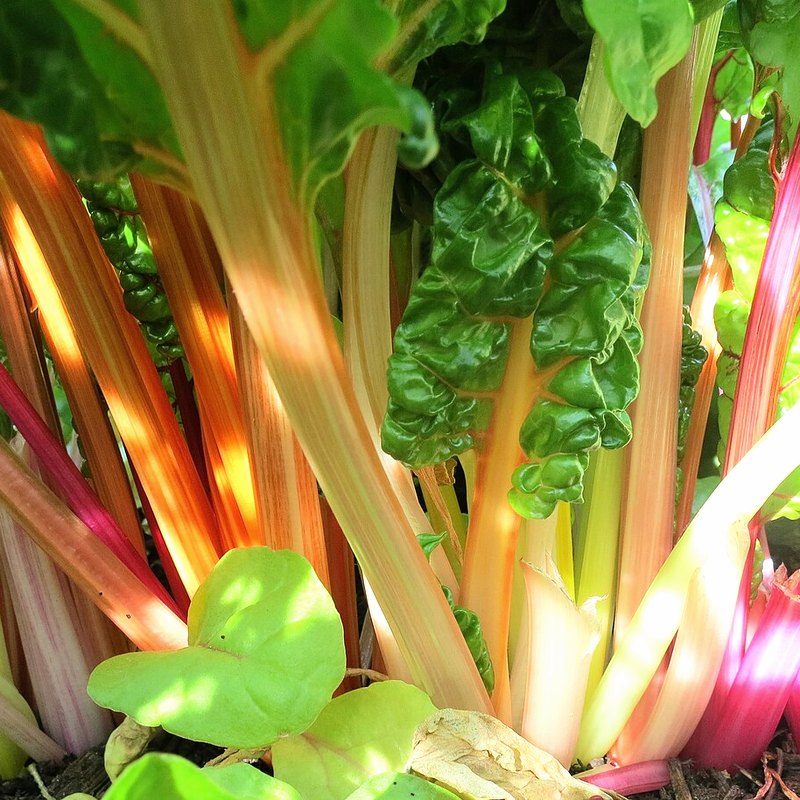
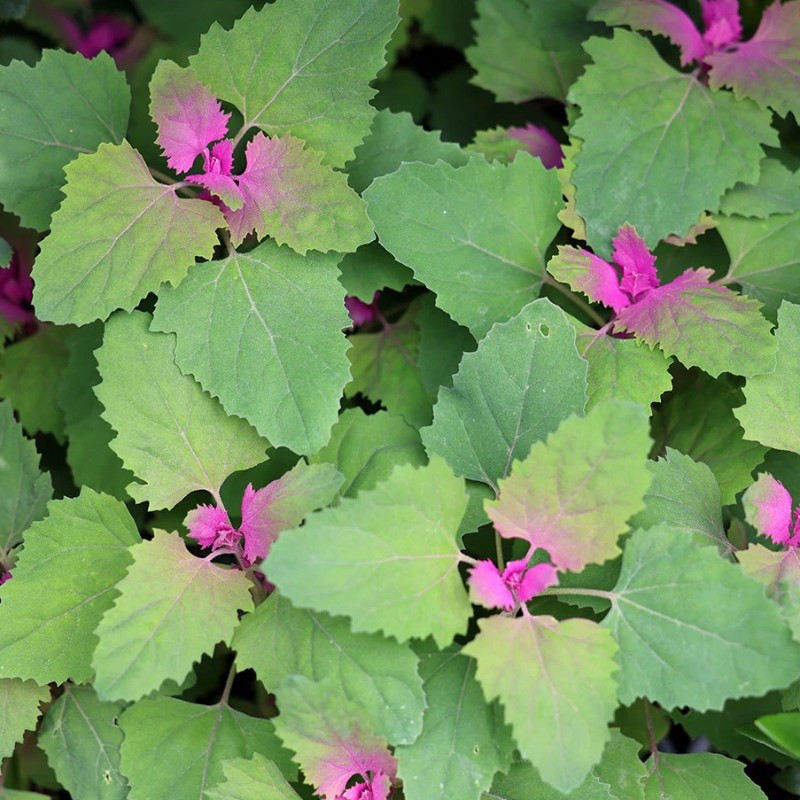
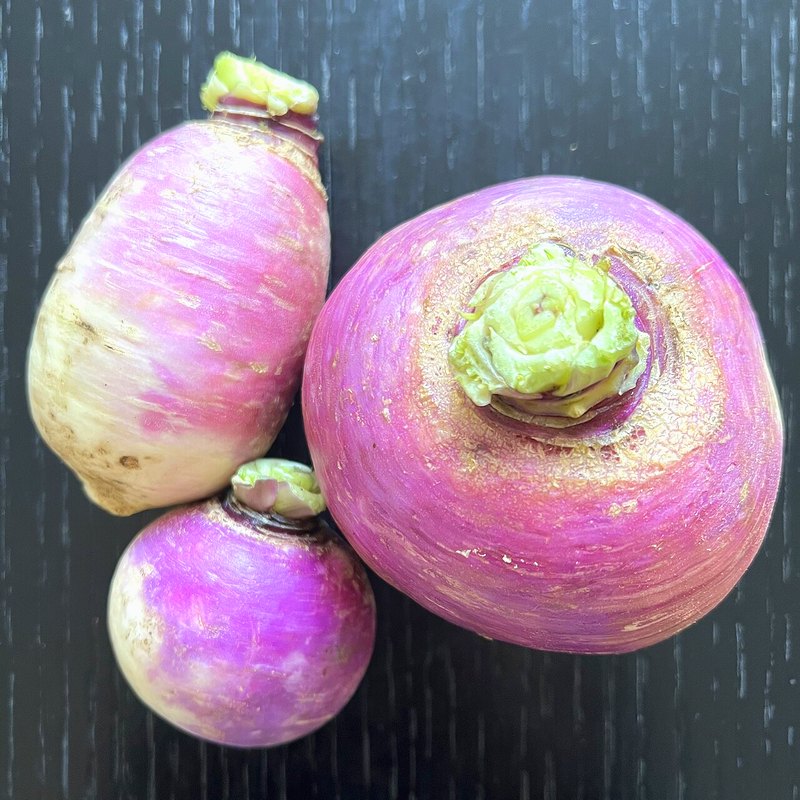
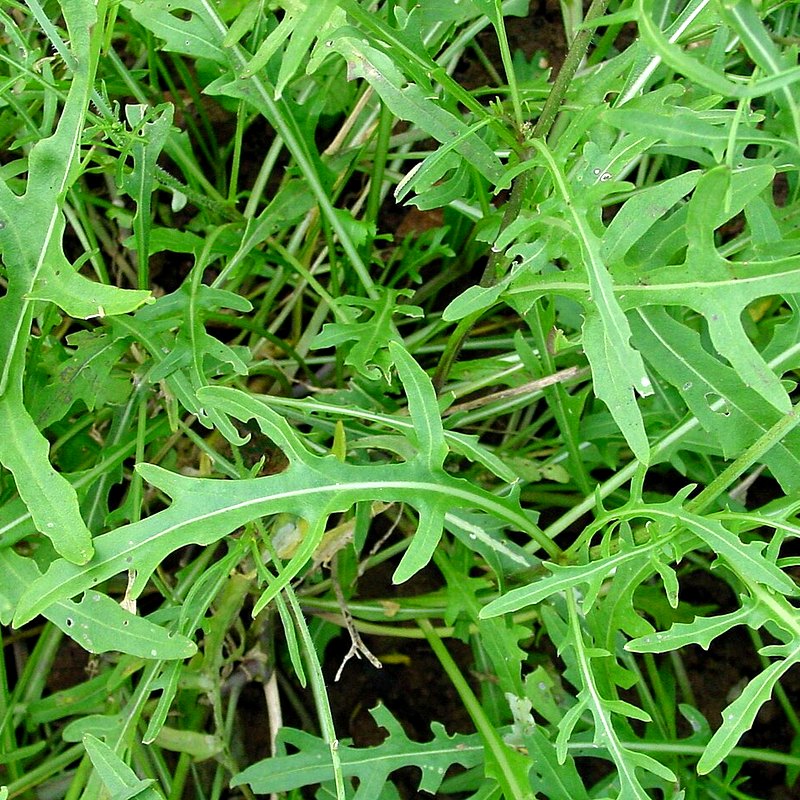
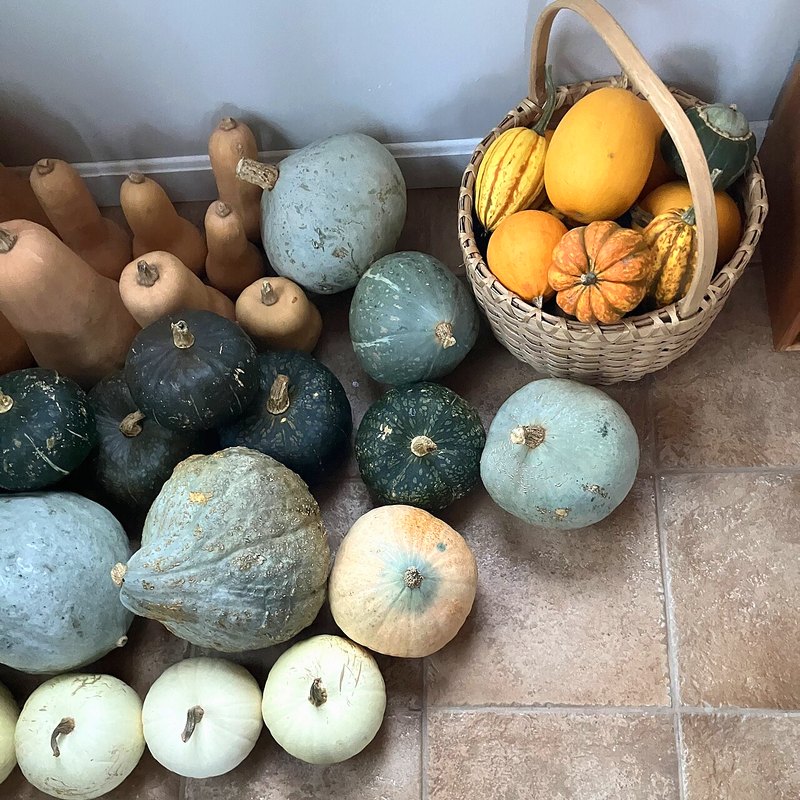
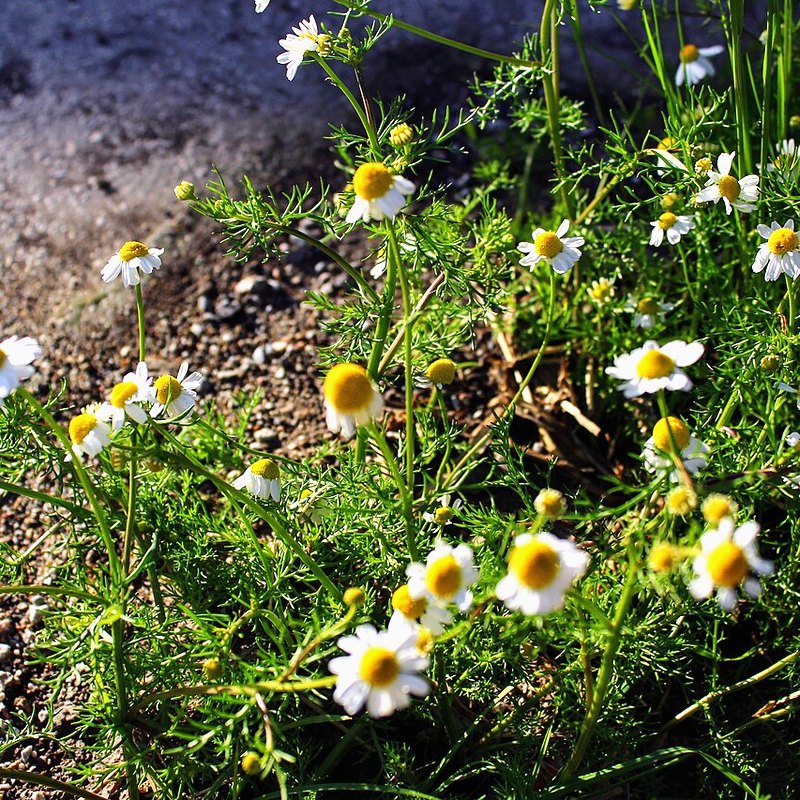
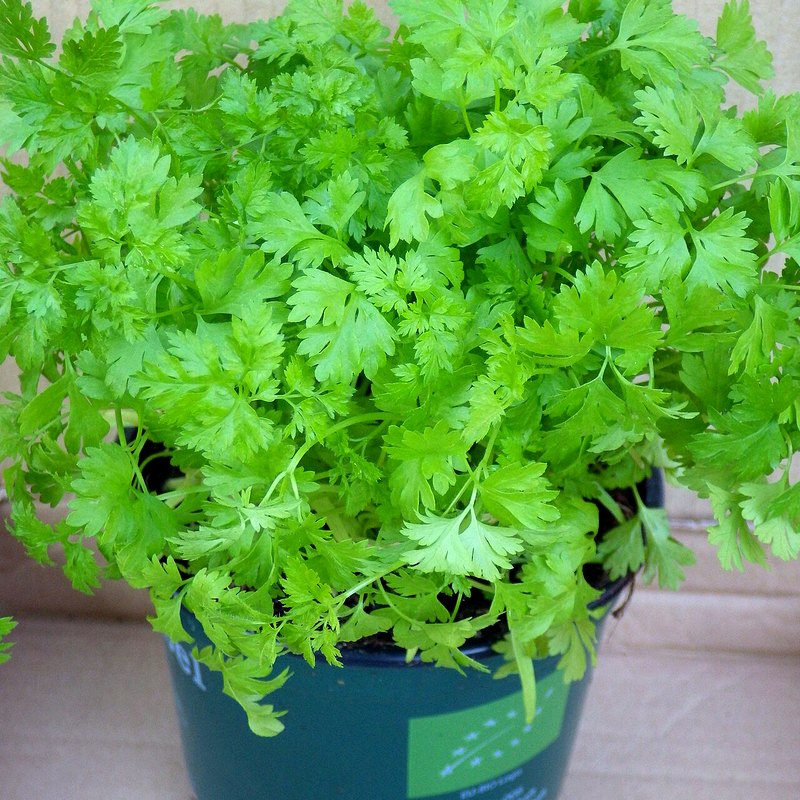
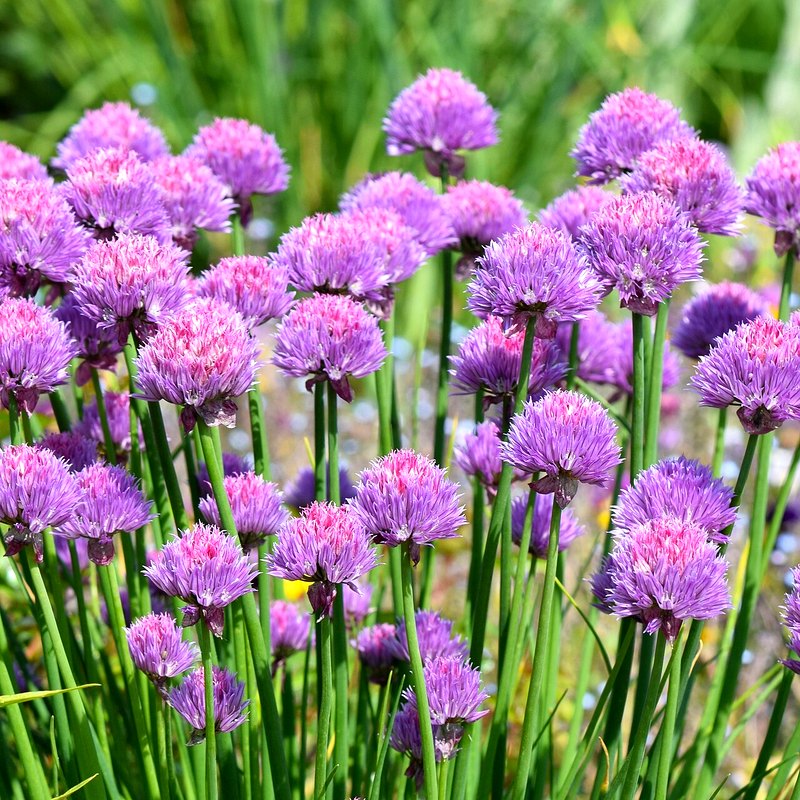
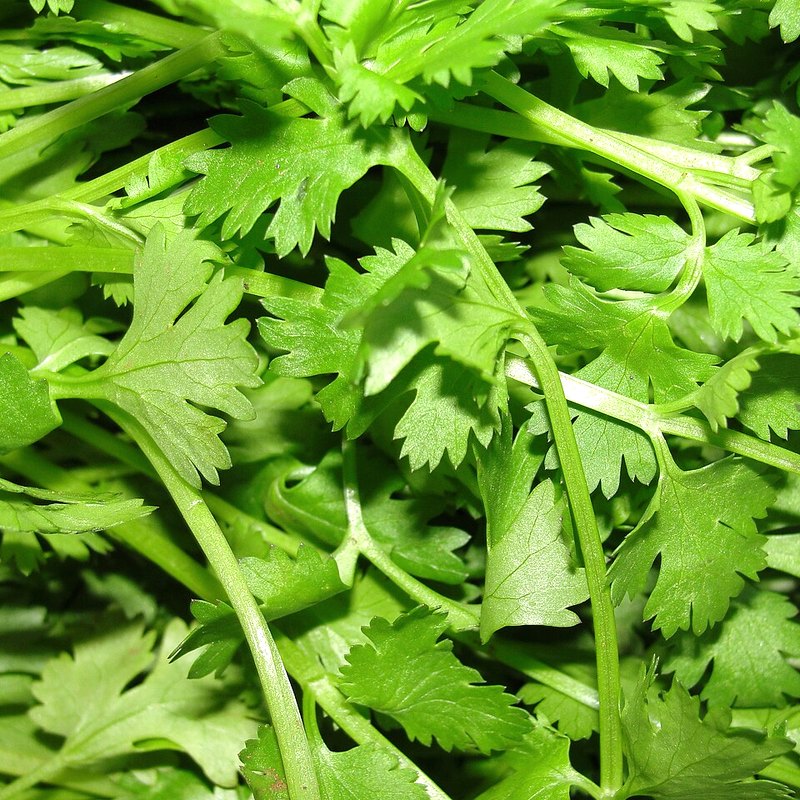
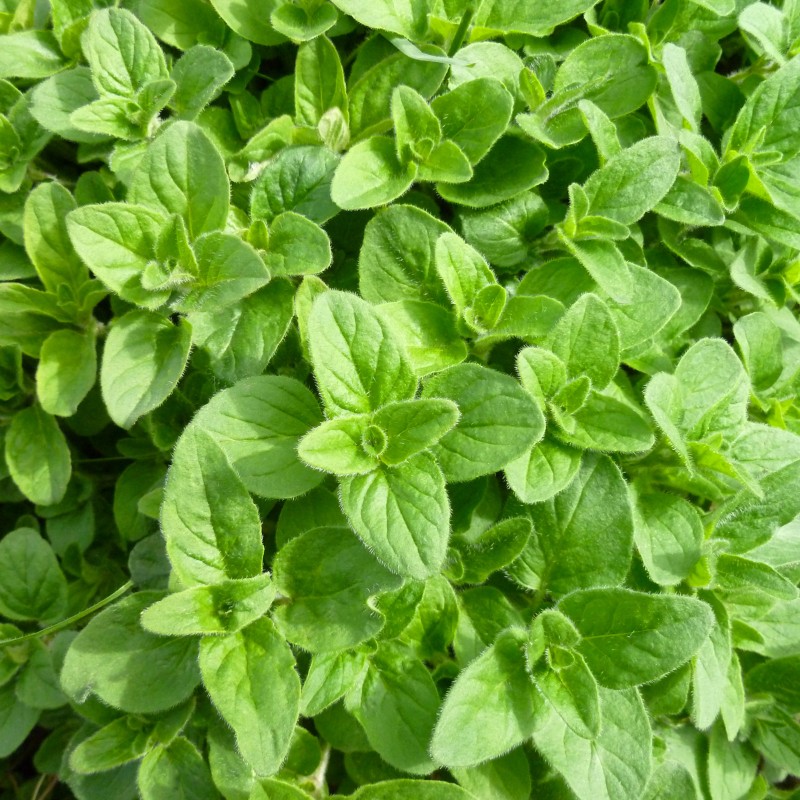
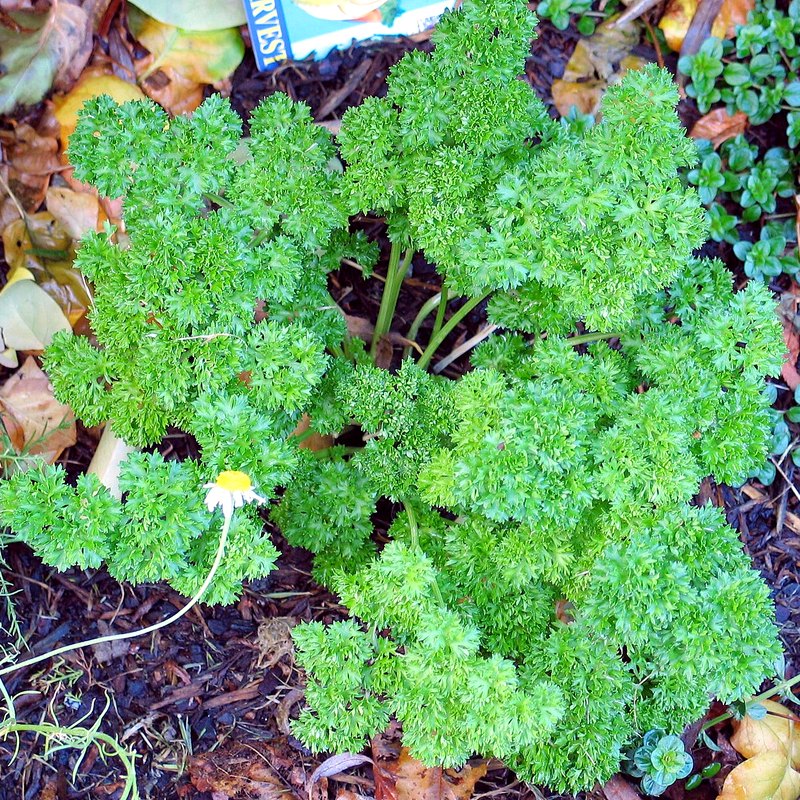
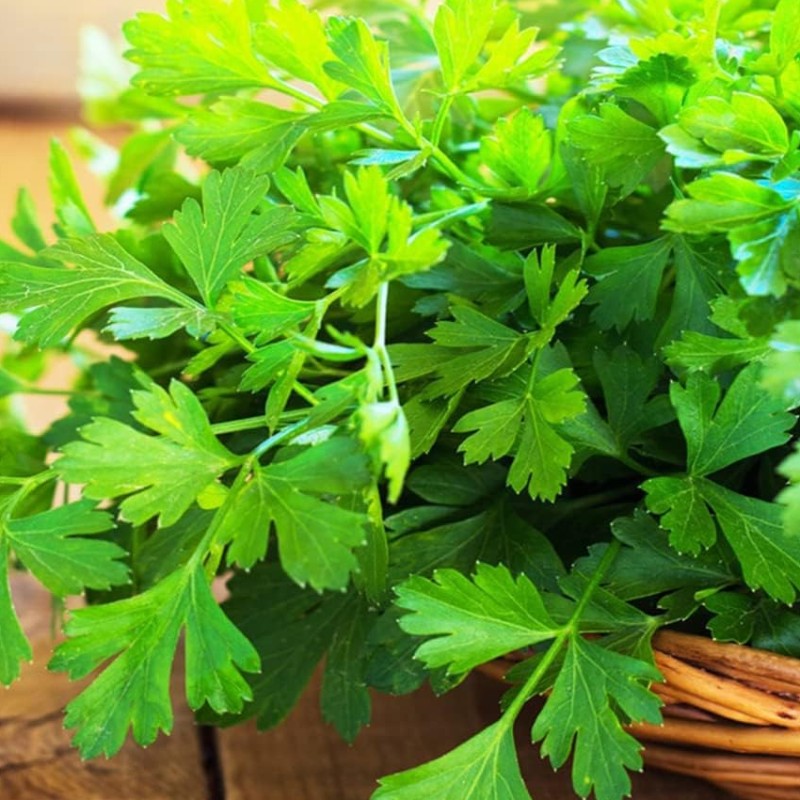
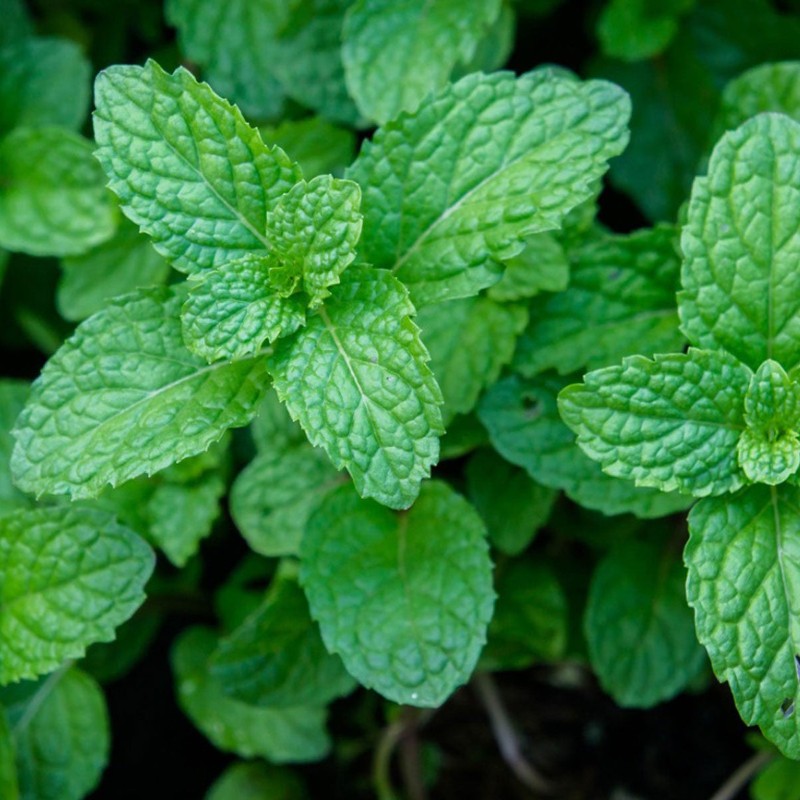
🌿 Herbs 17
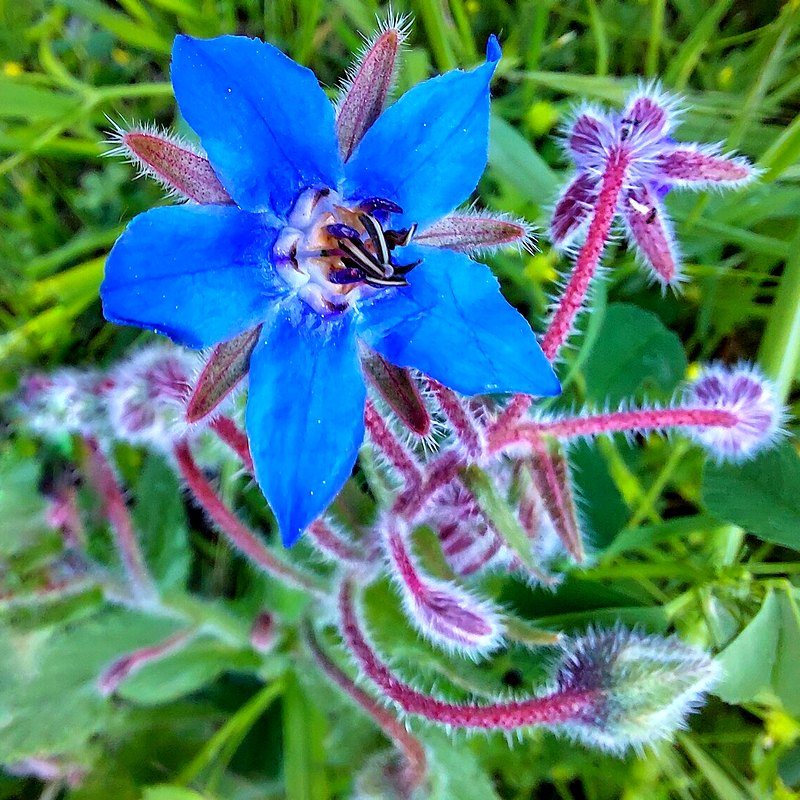
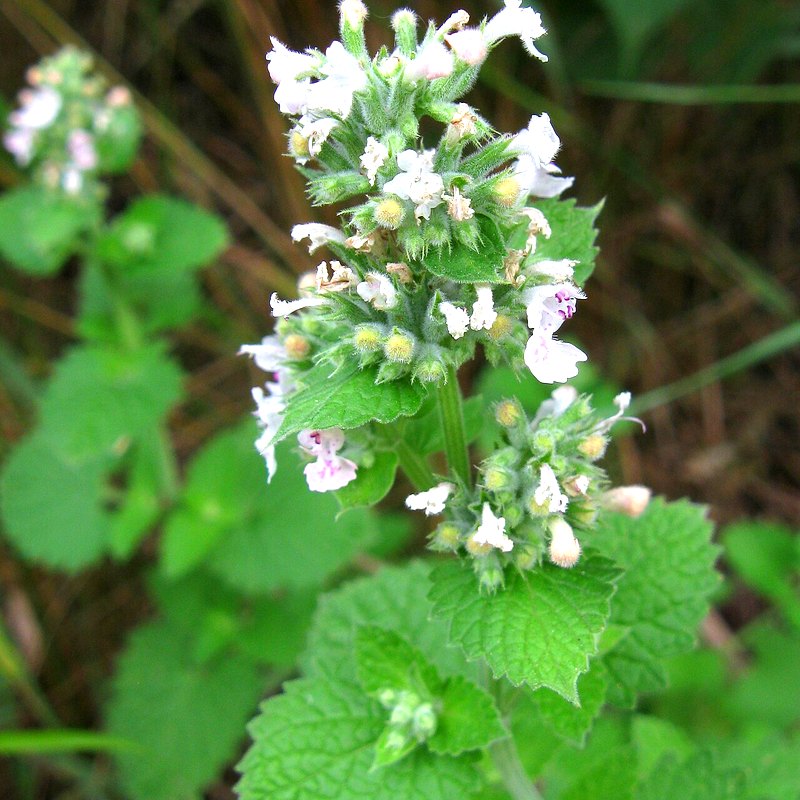
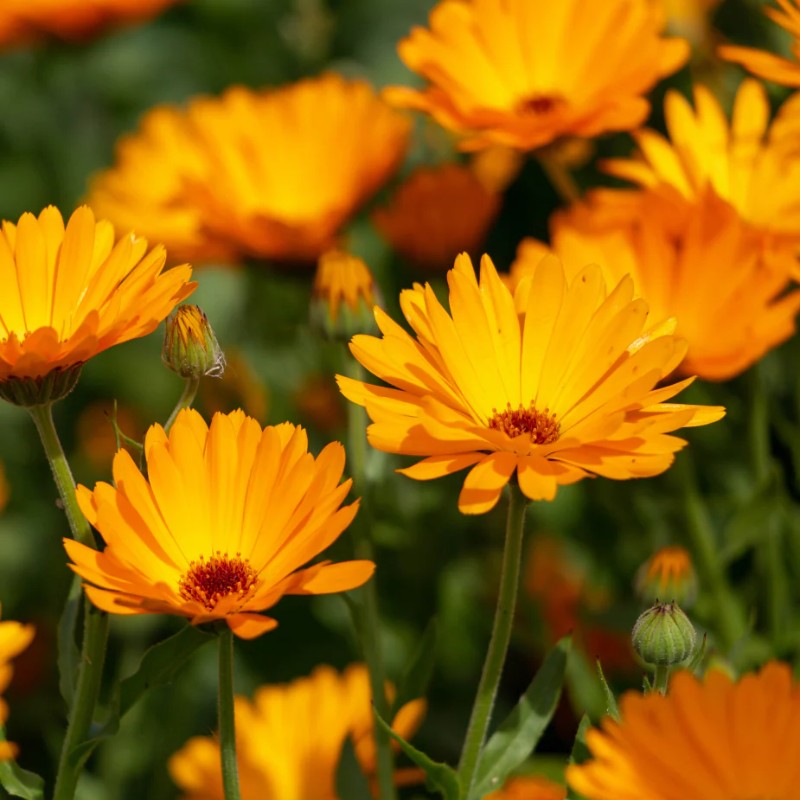
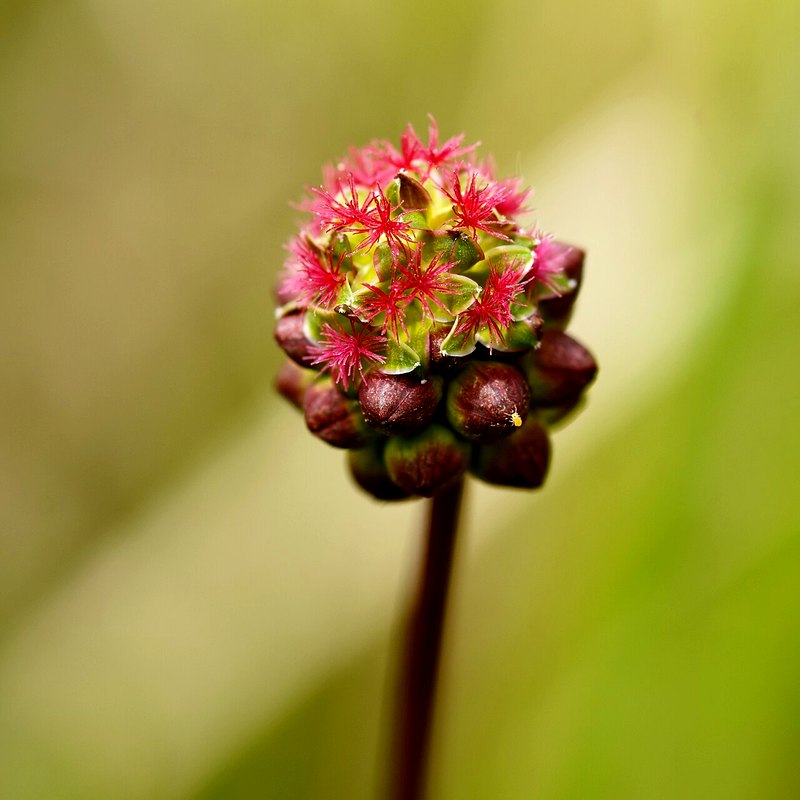
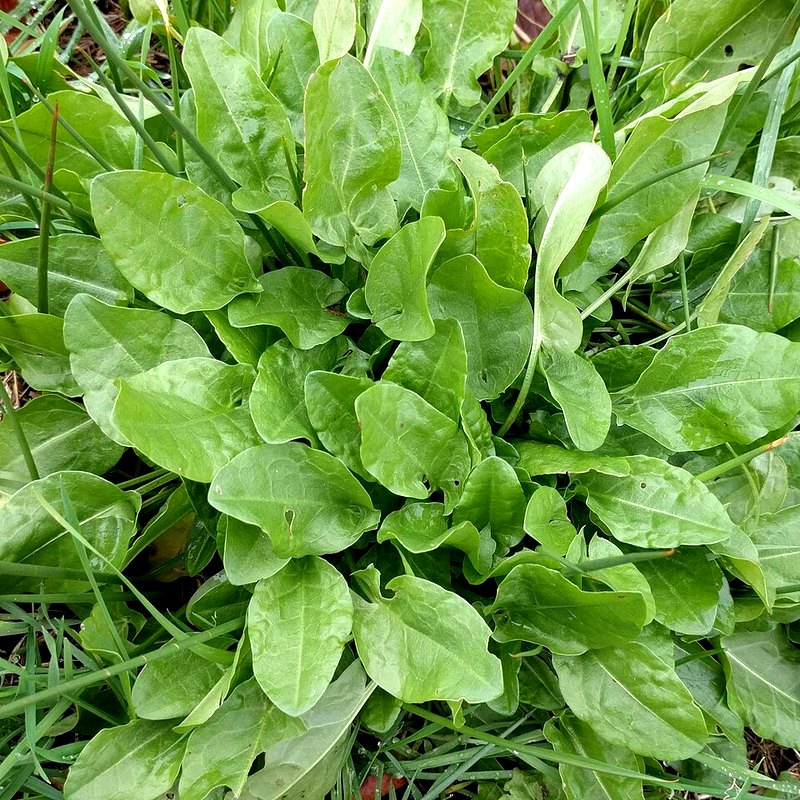
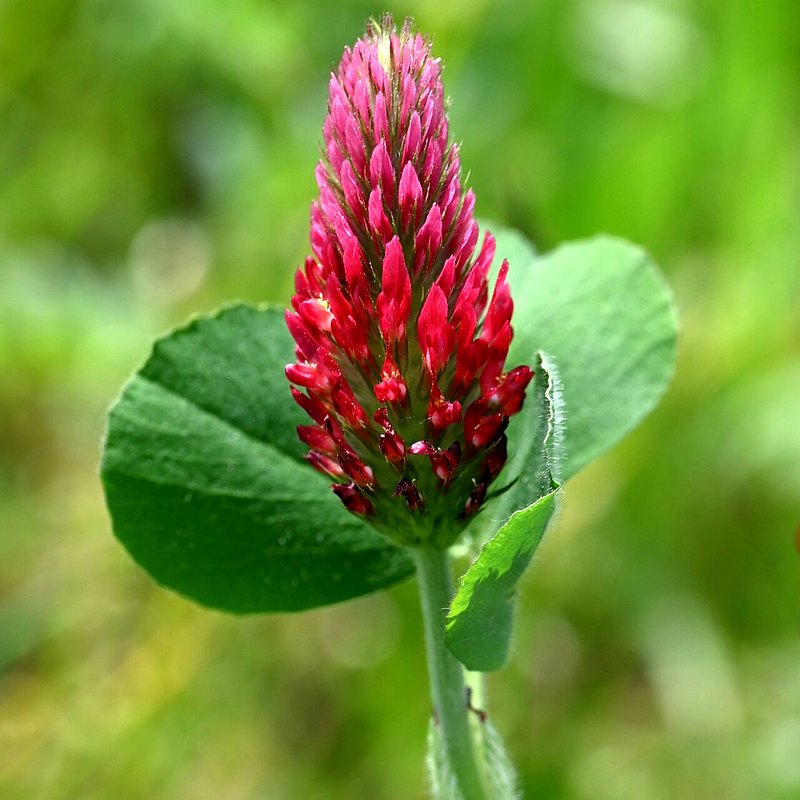
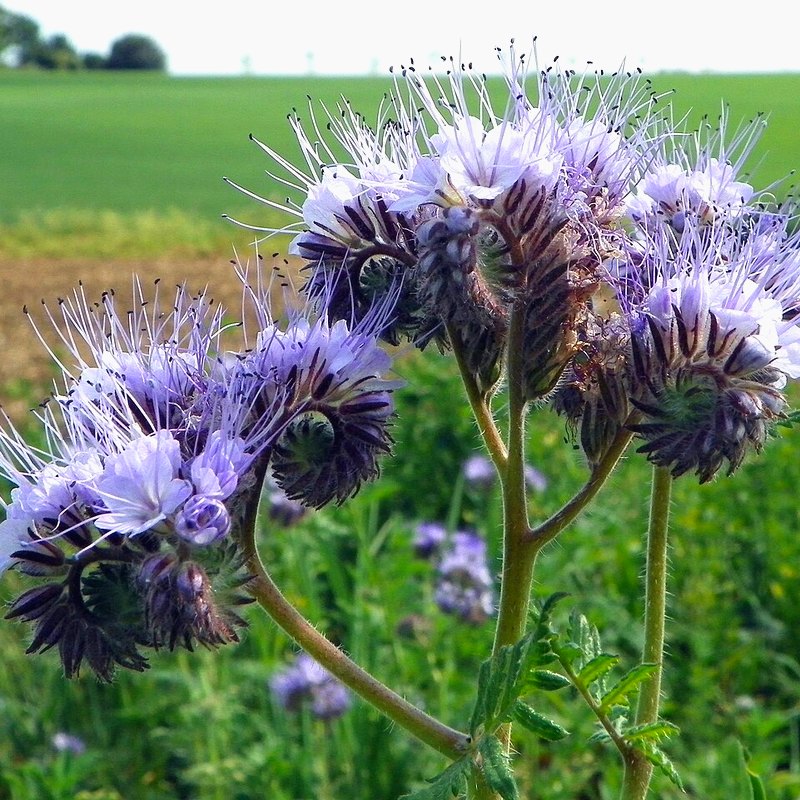
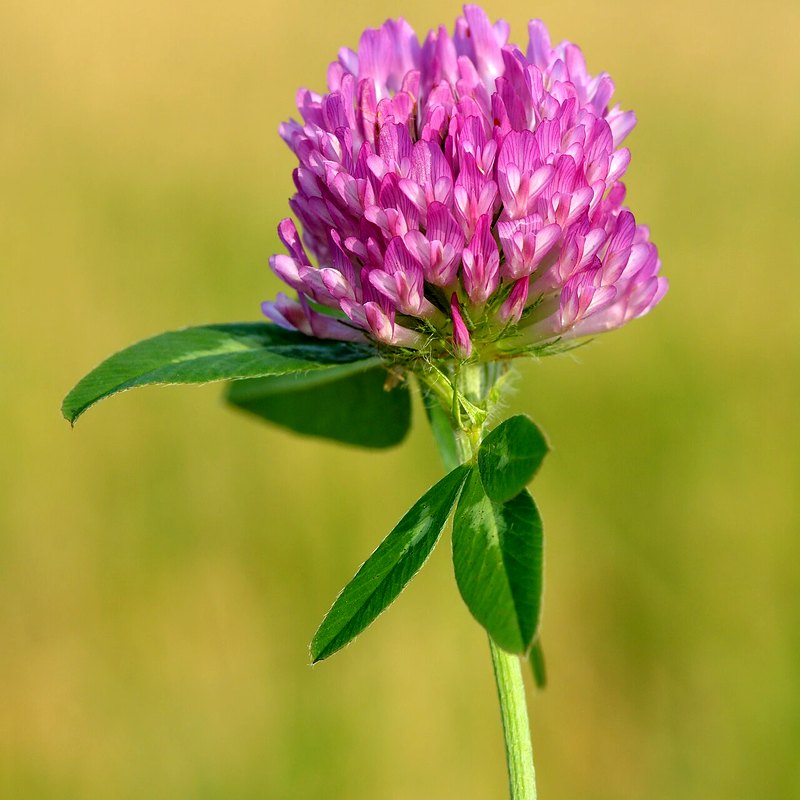
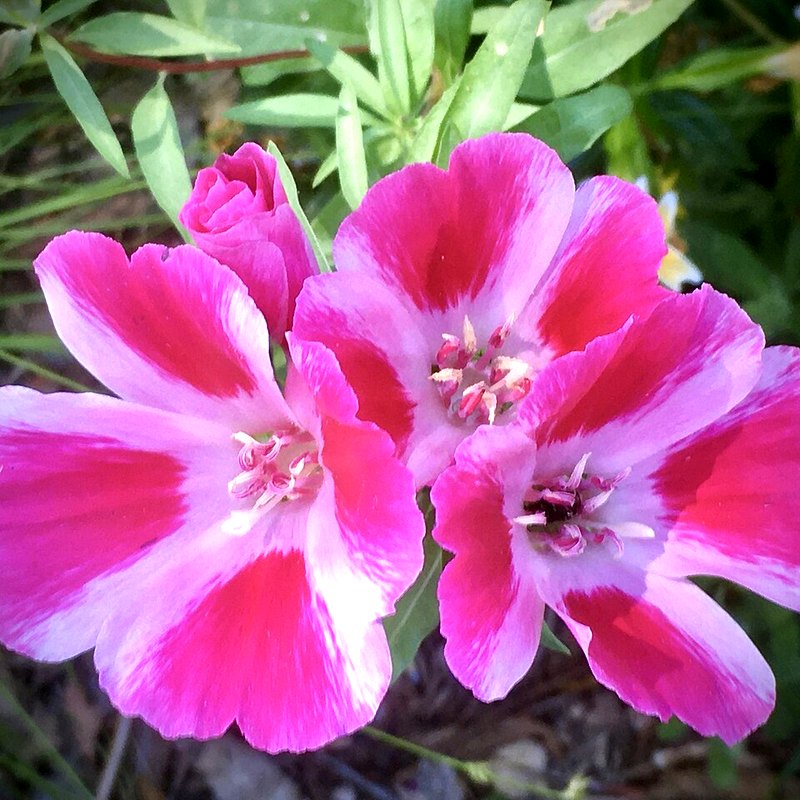
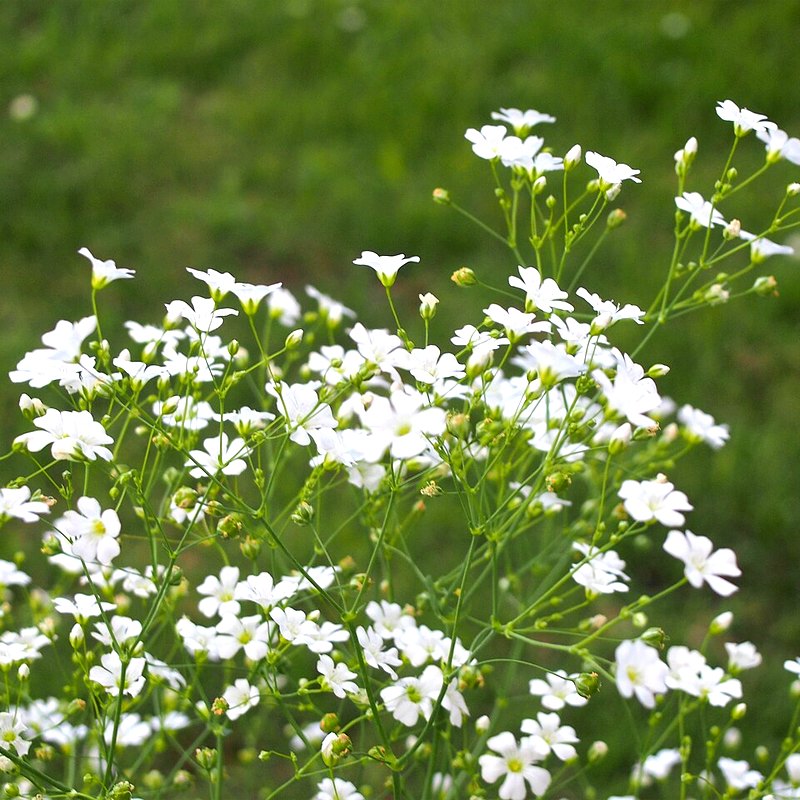
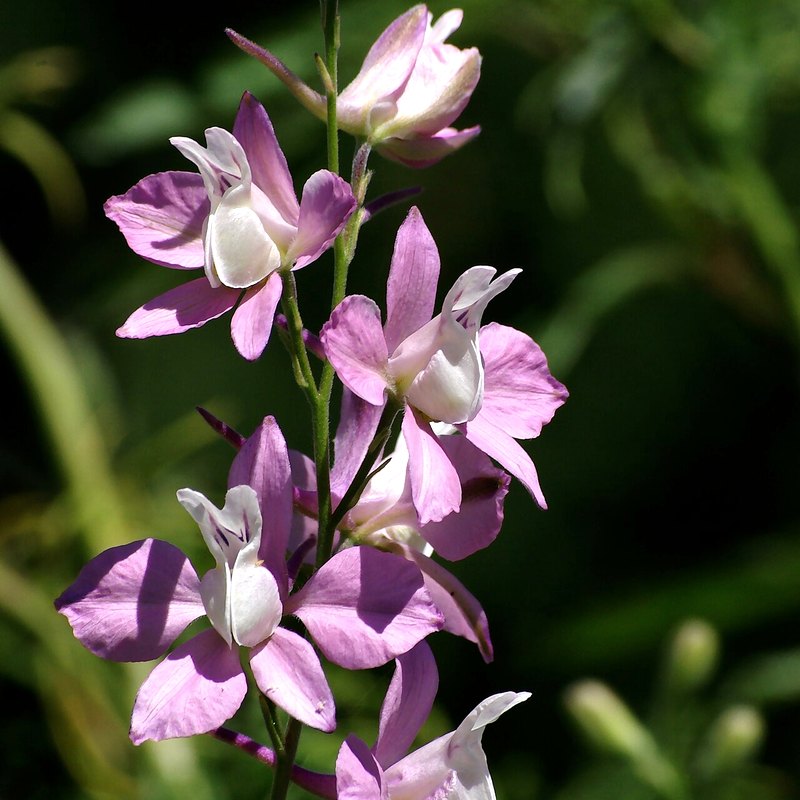
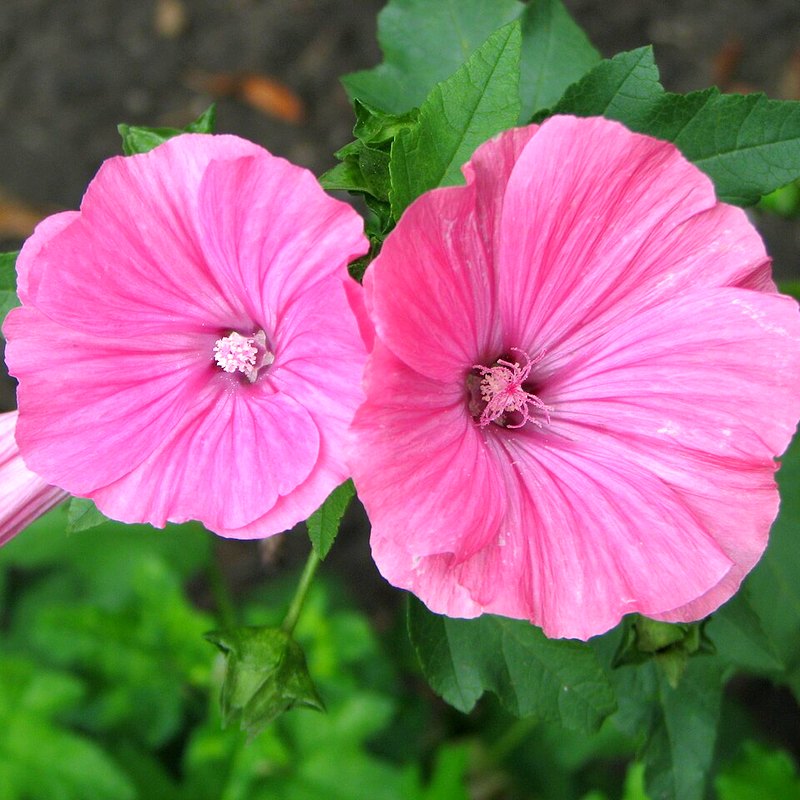
🌸 Flowers 29
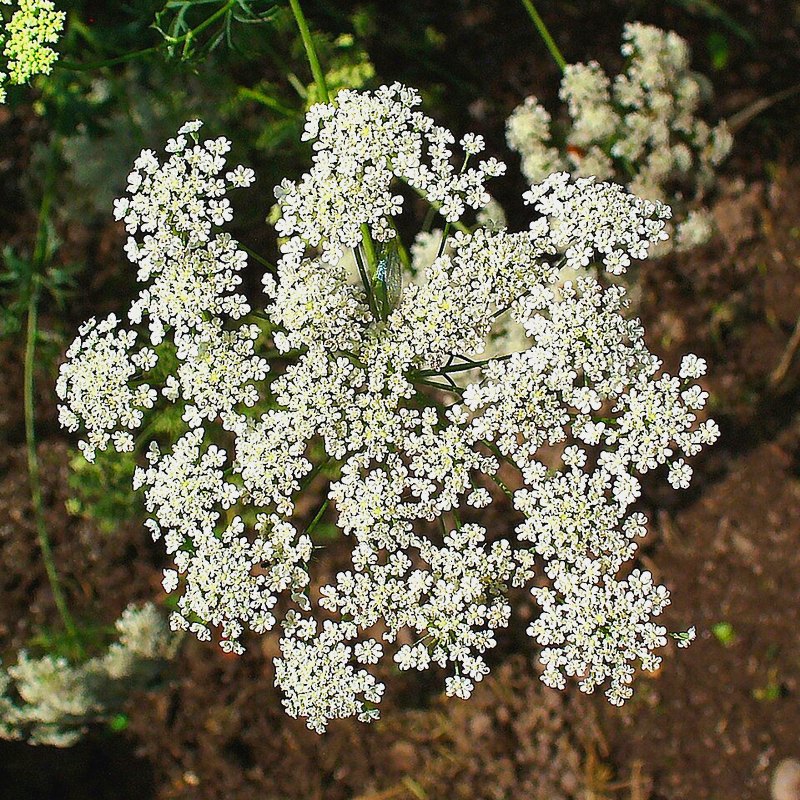
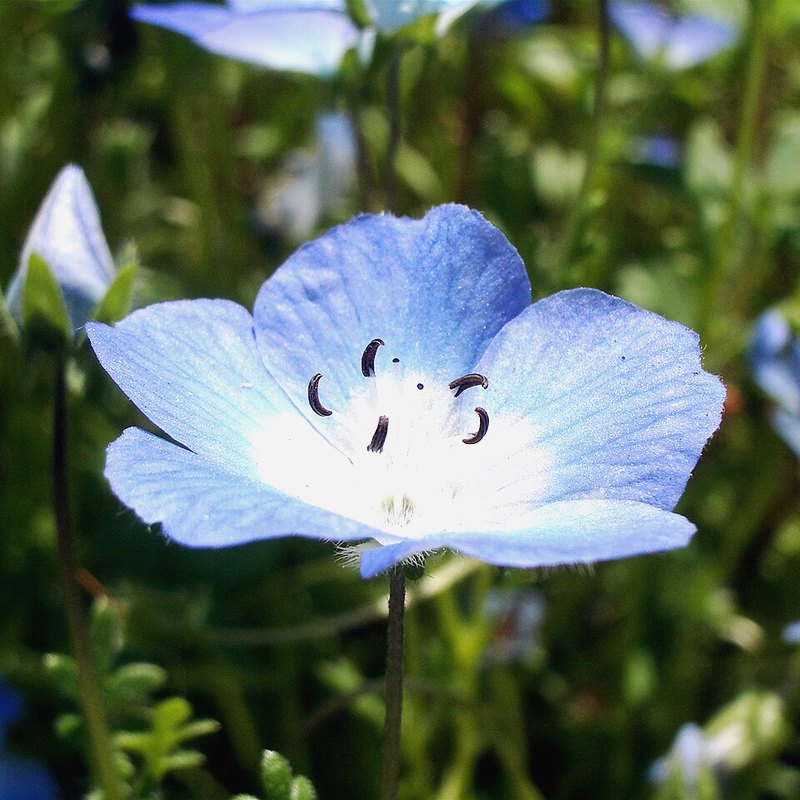
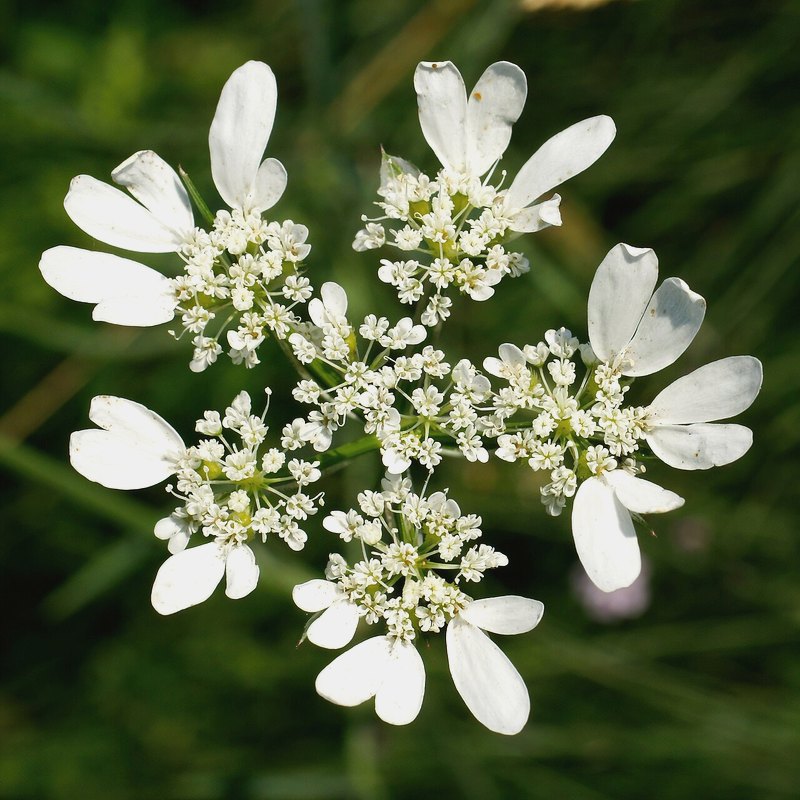
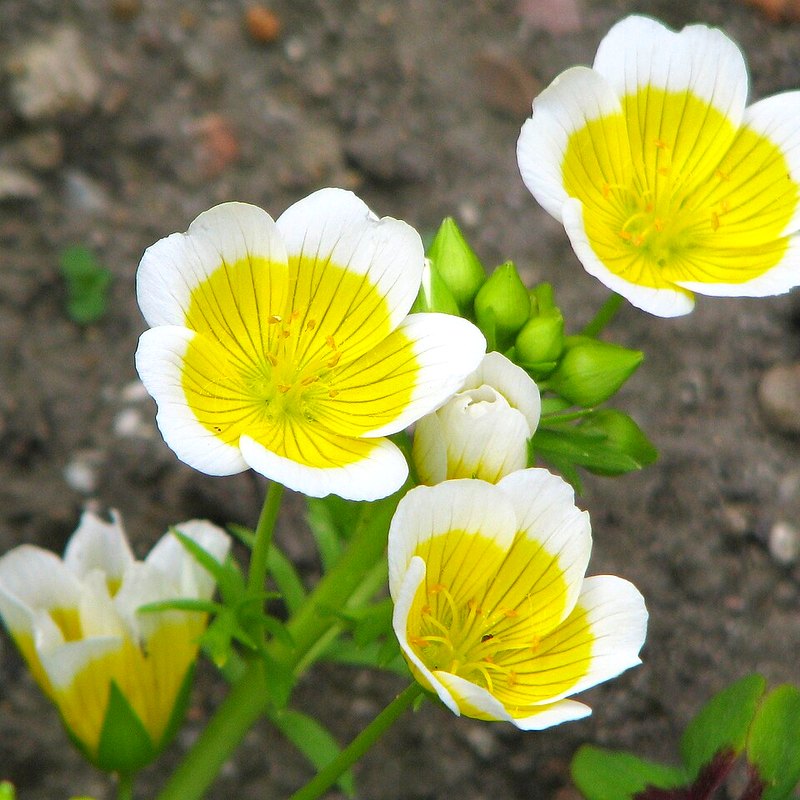
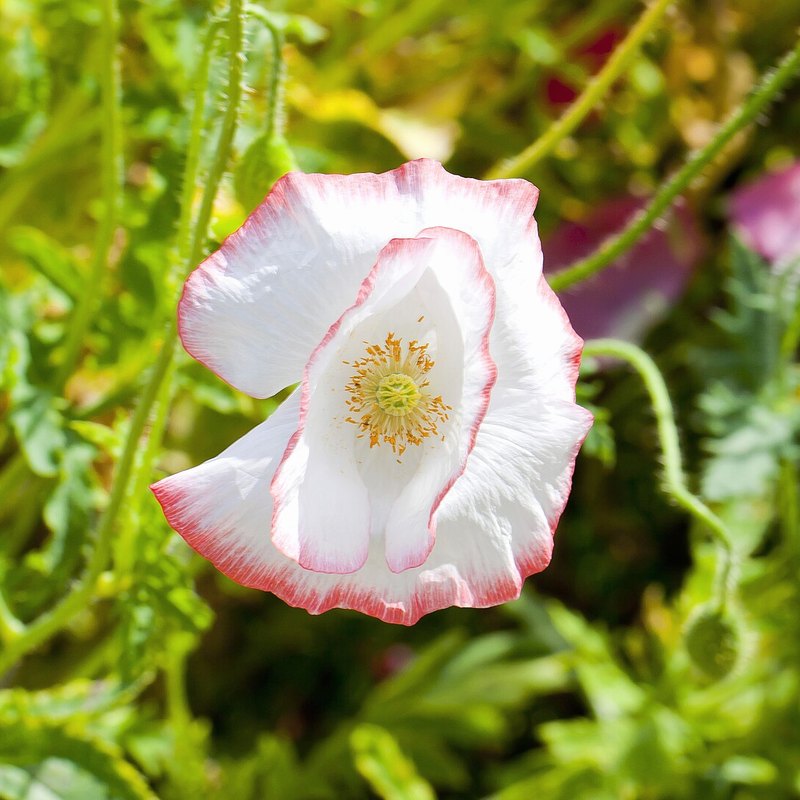
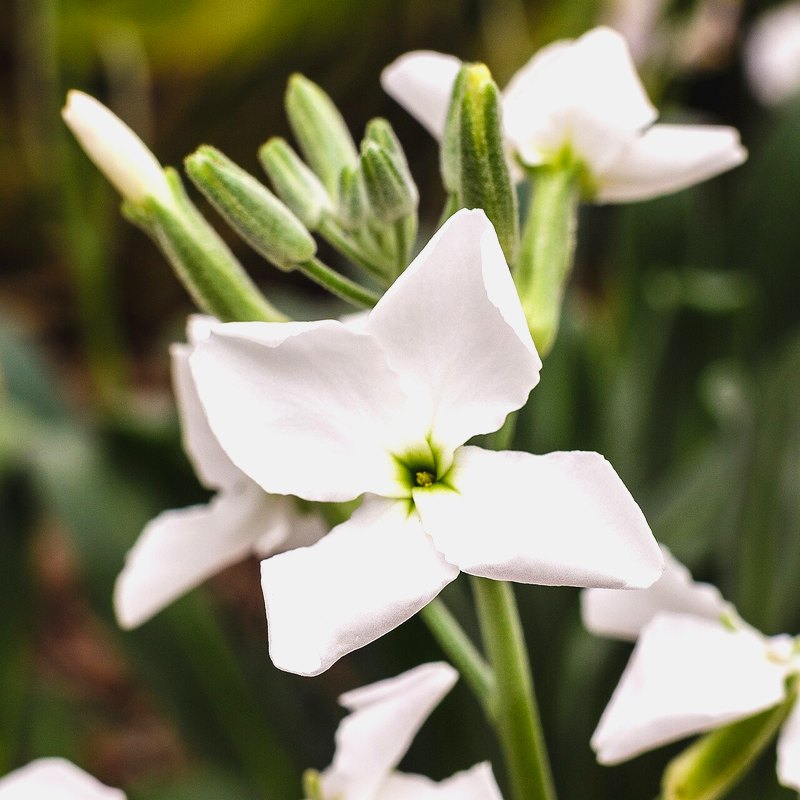
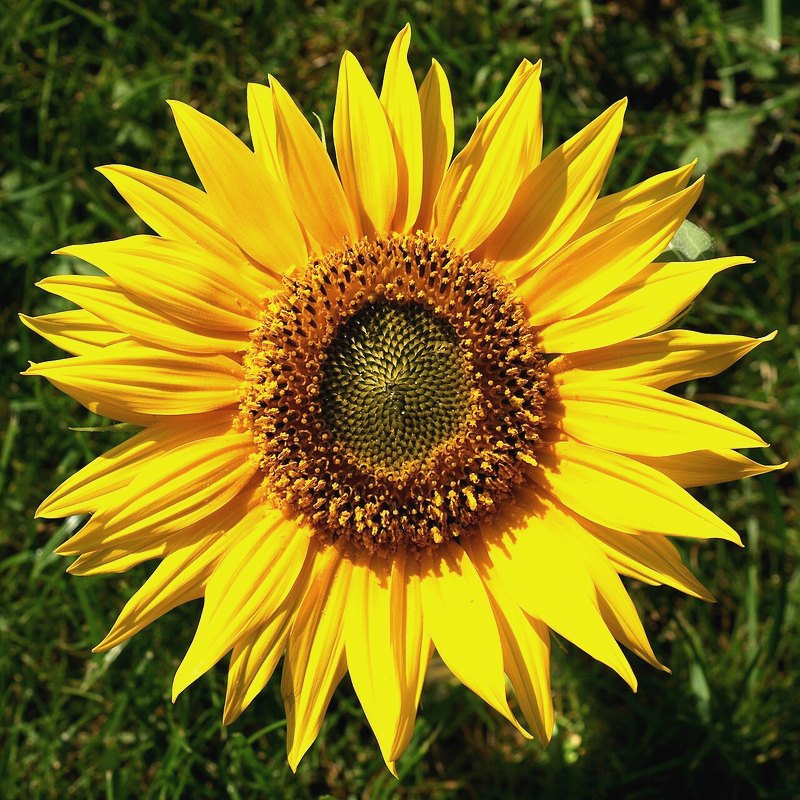

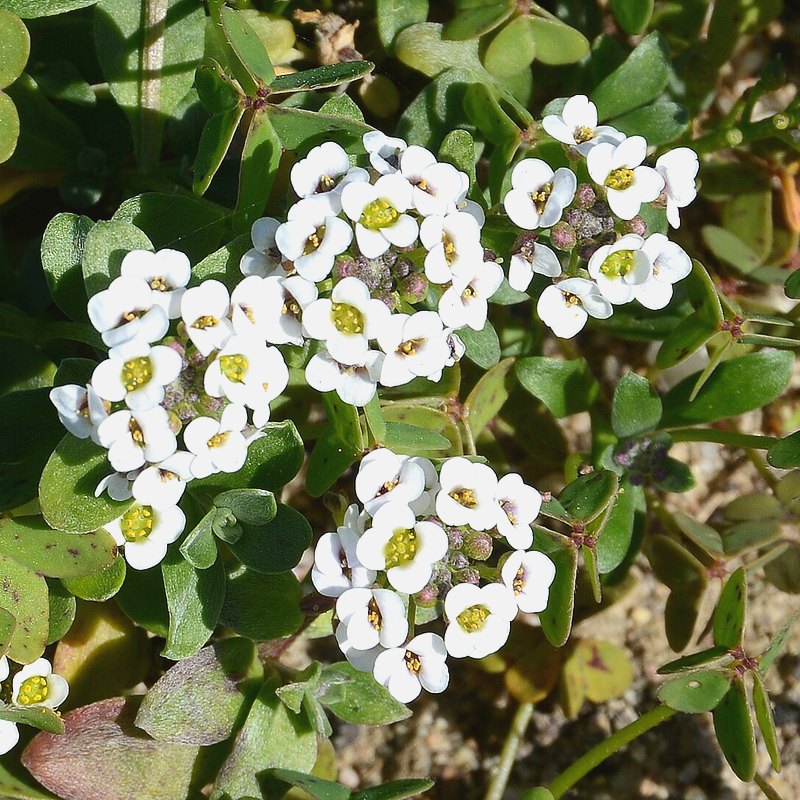
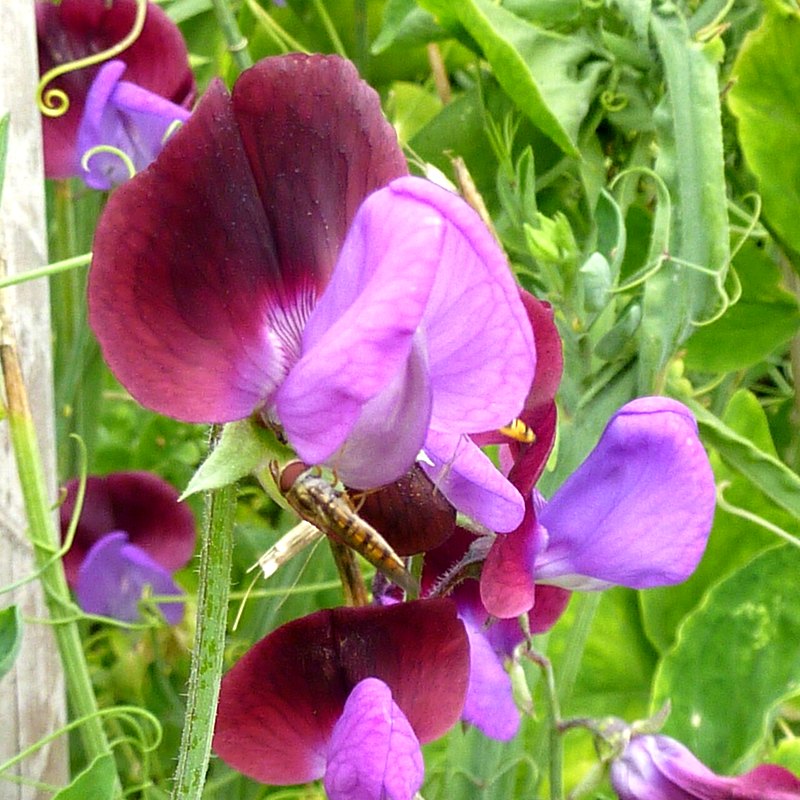
Plant in April 71
Young plants, sets, tubers and bulbs into the ground.
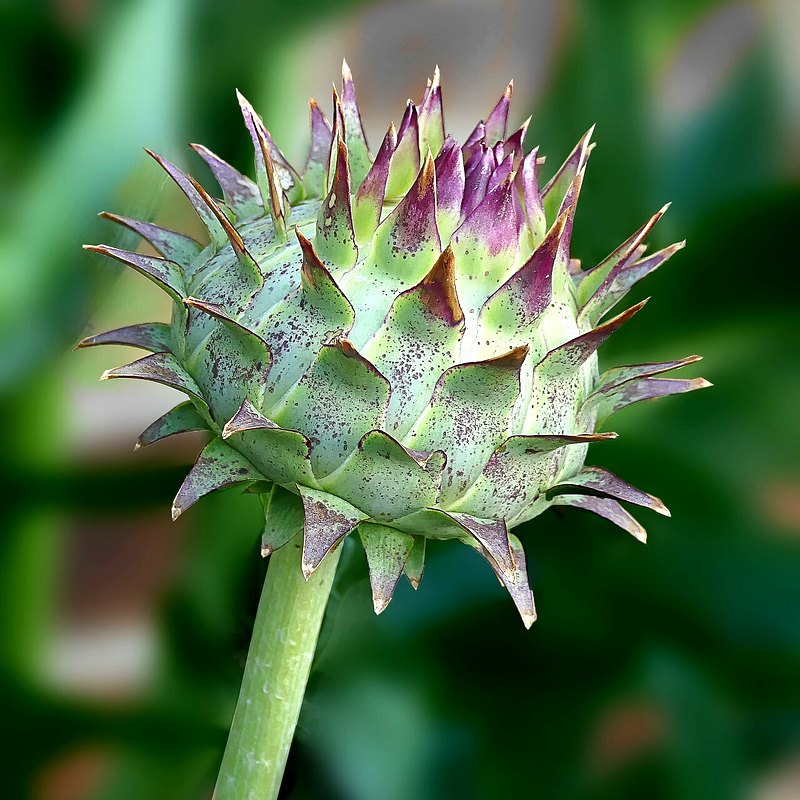
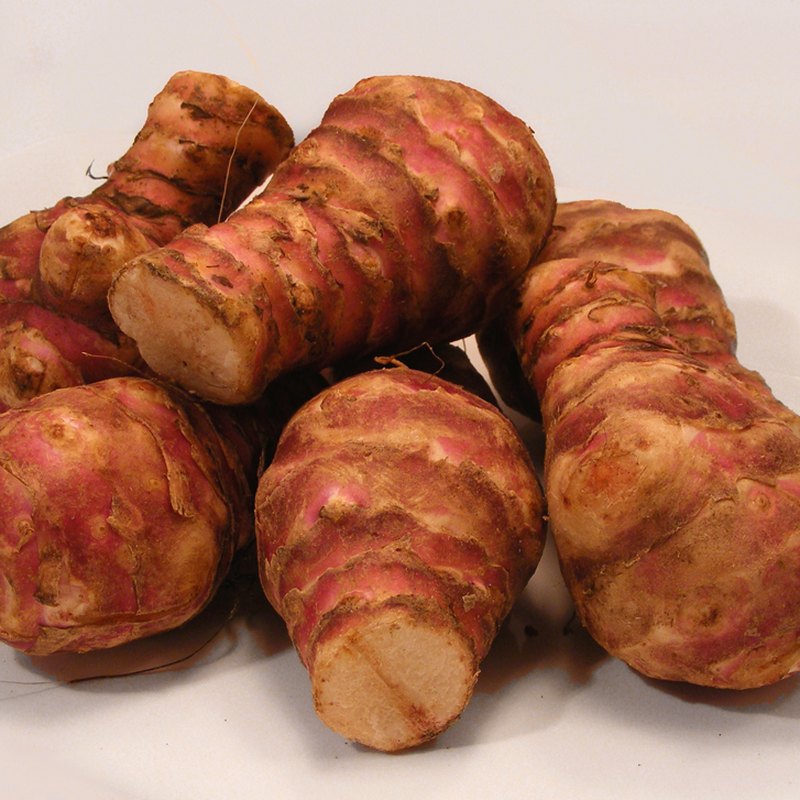
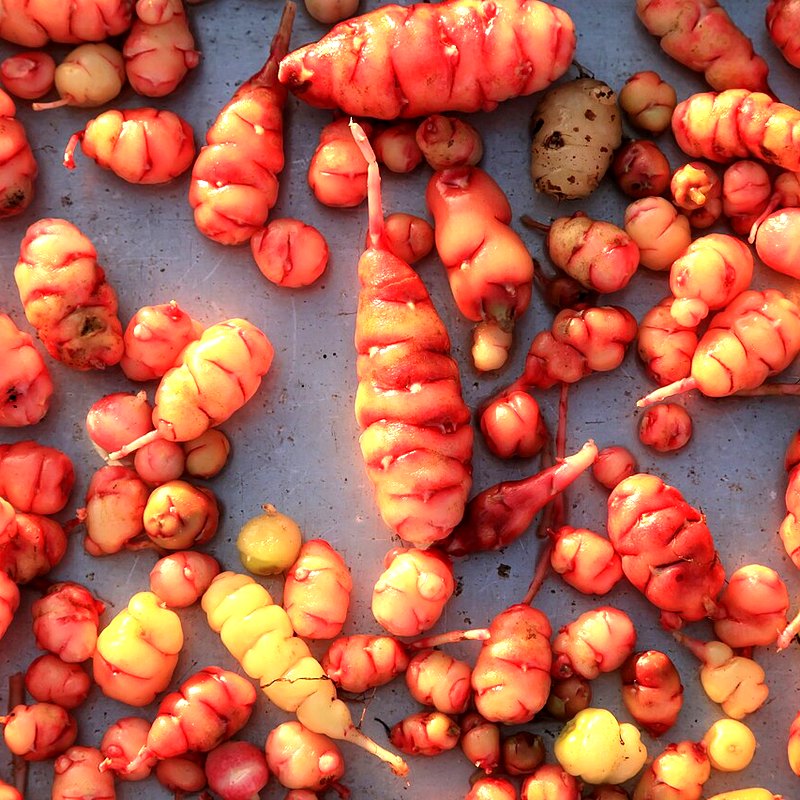
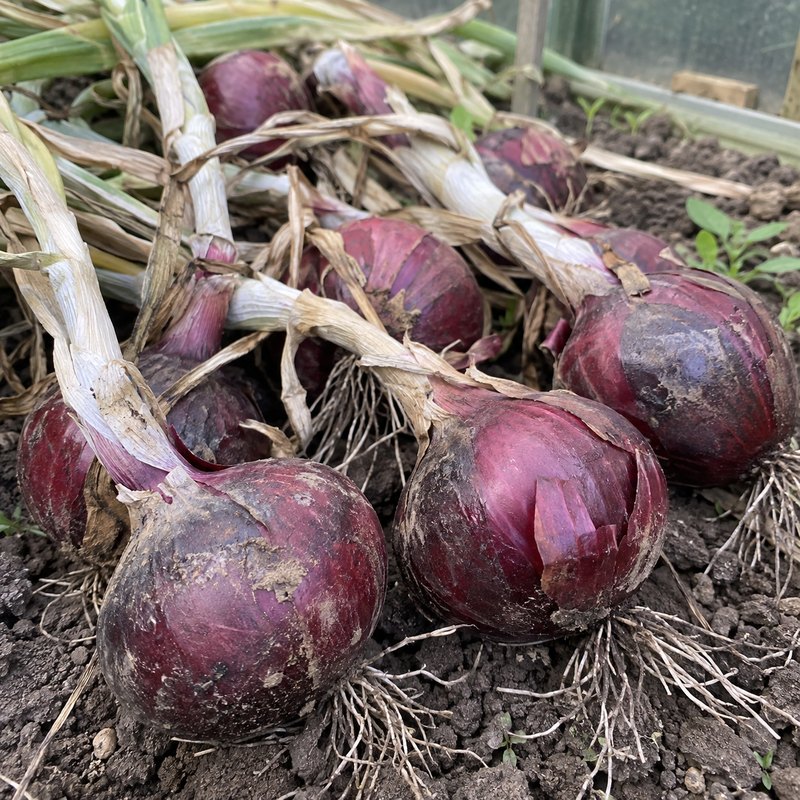
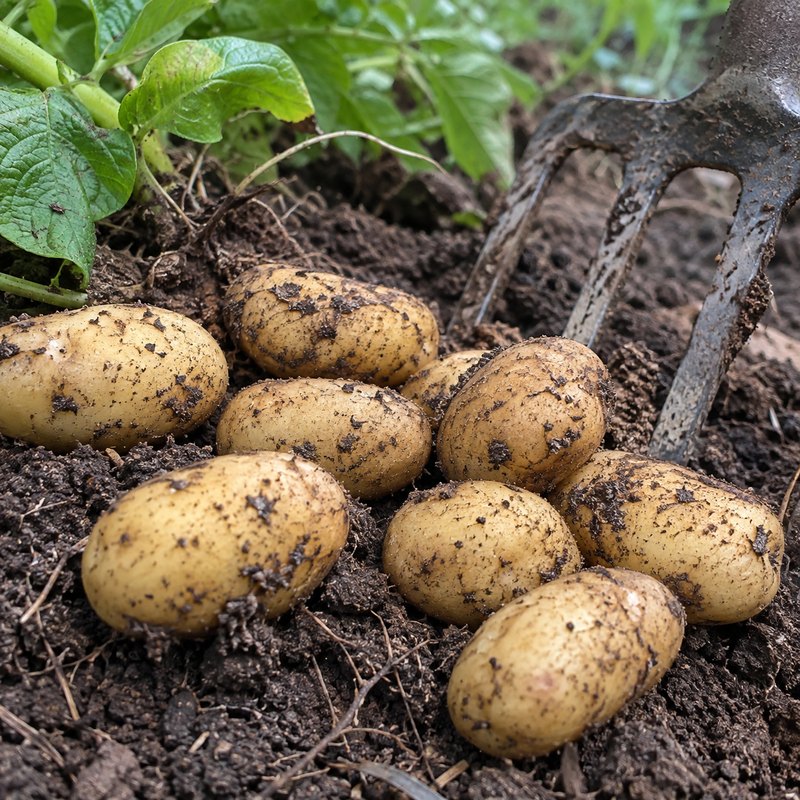
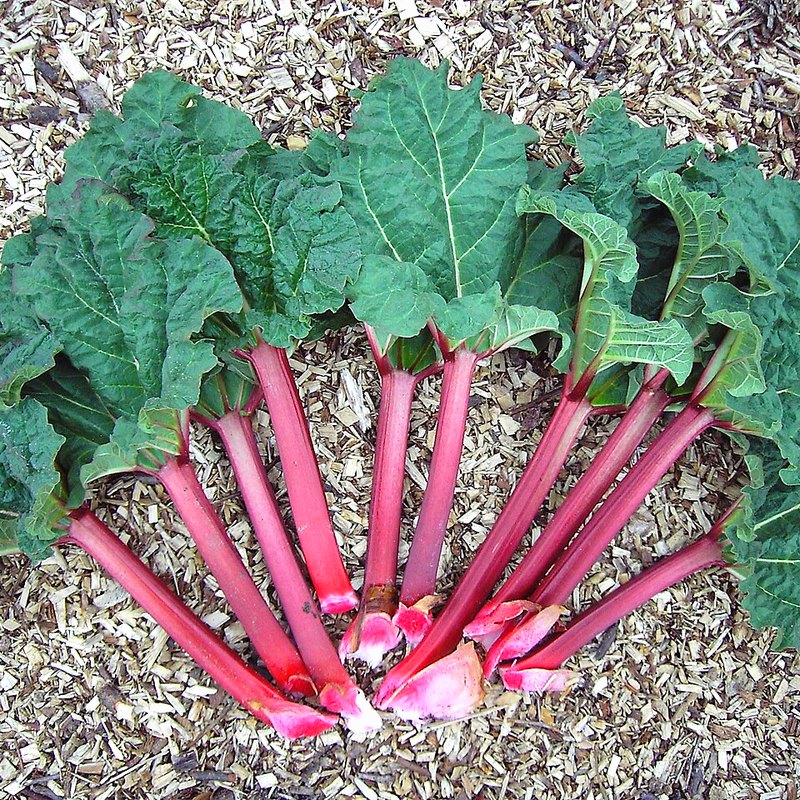
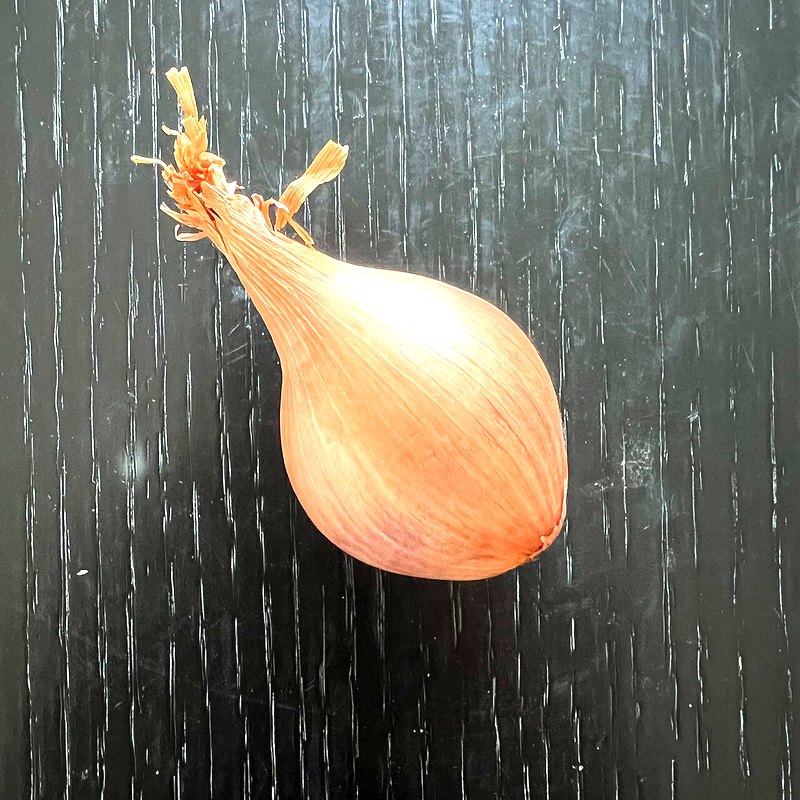
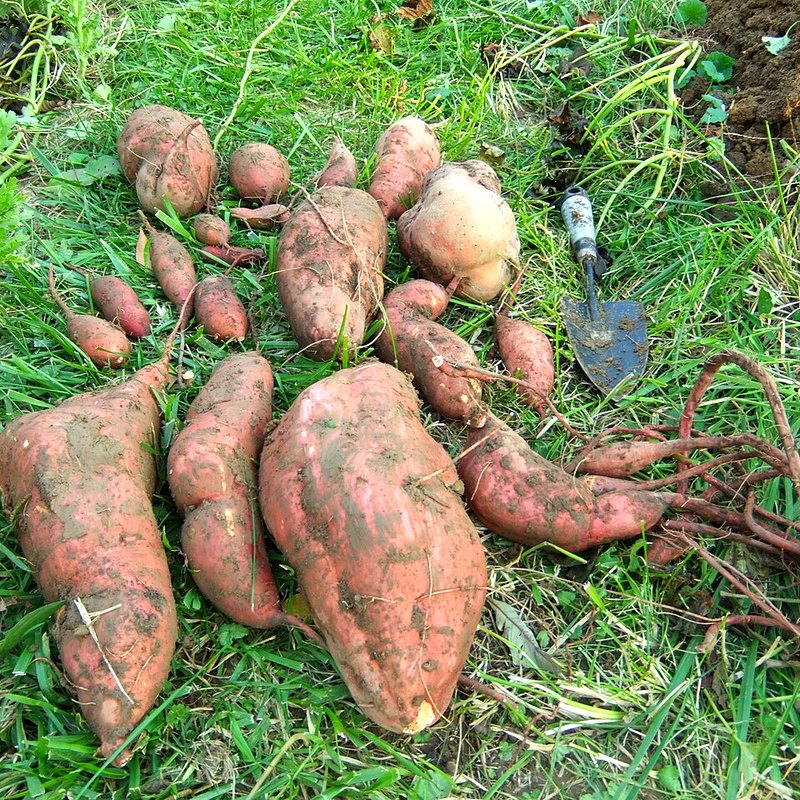
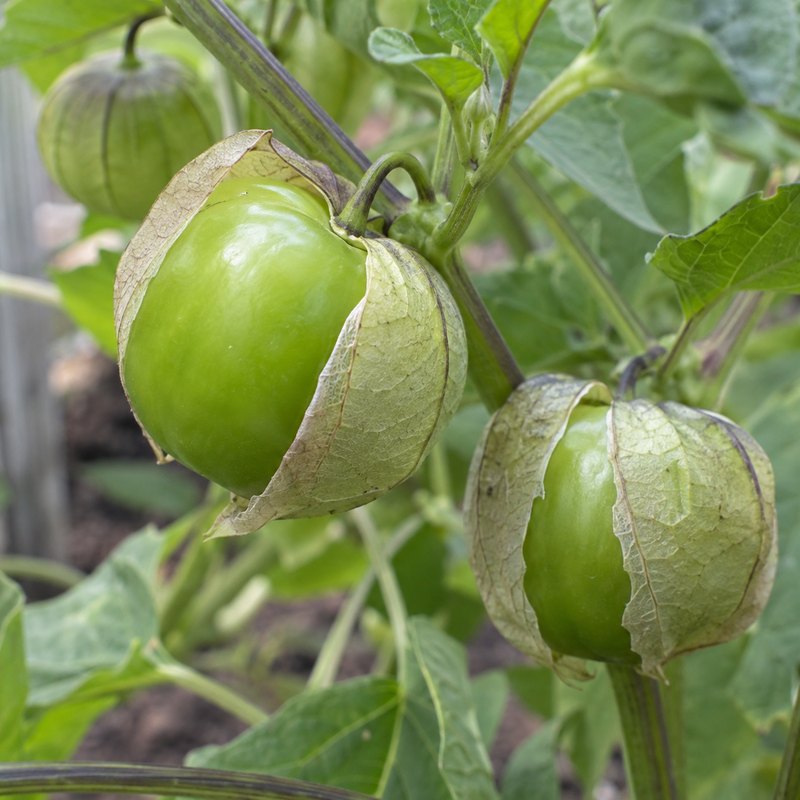
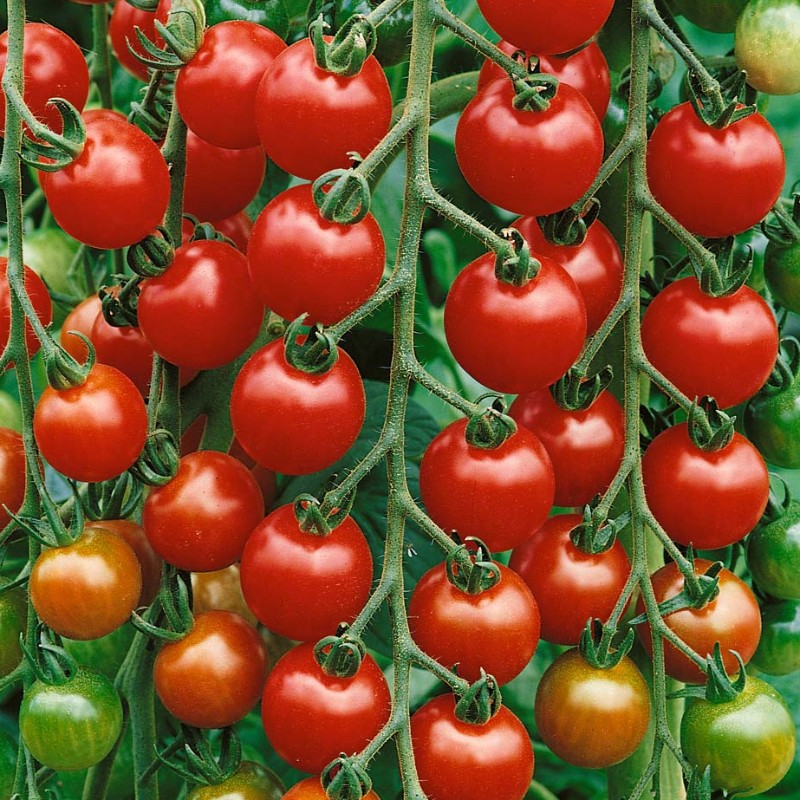
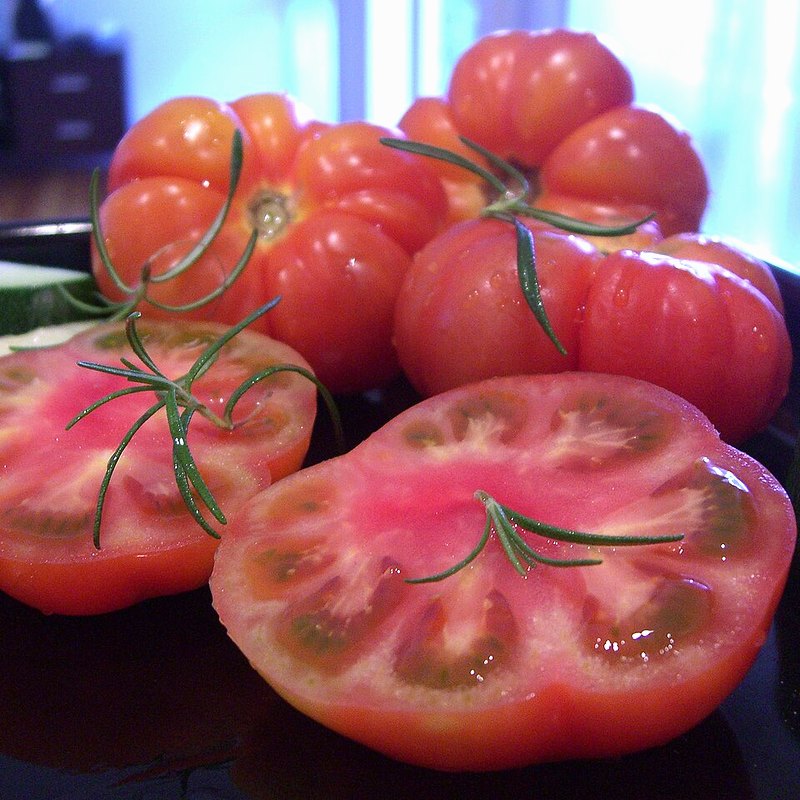
🥕 Vegetables 32
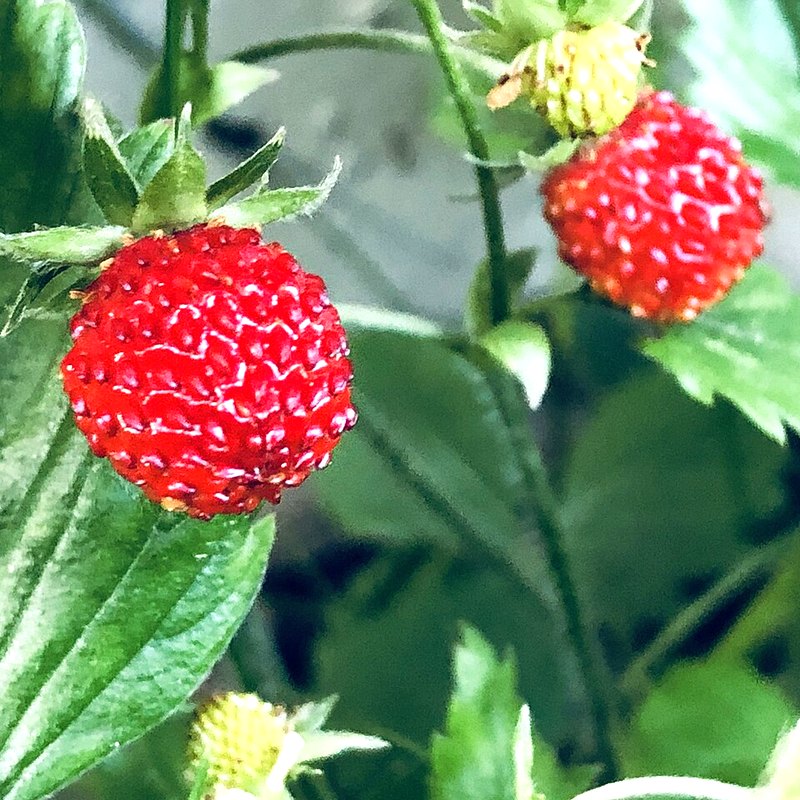
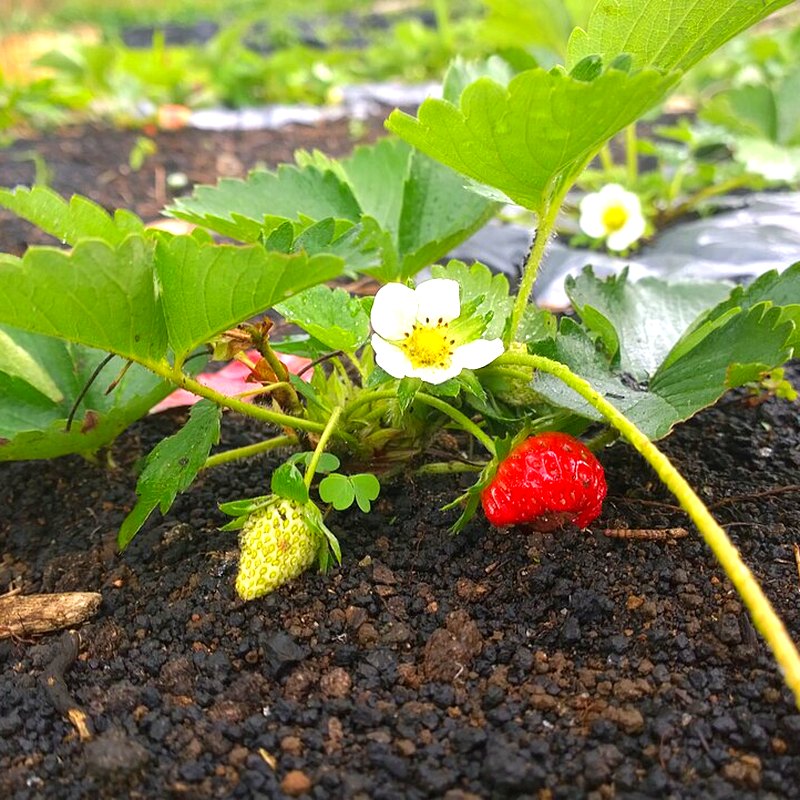
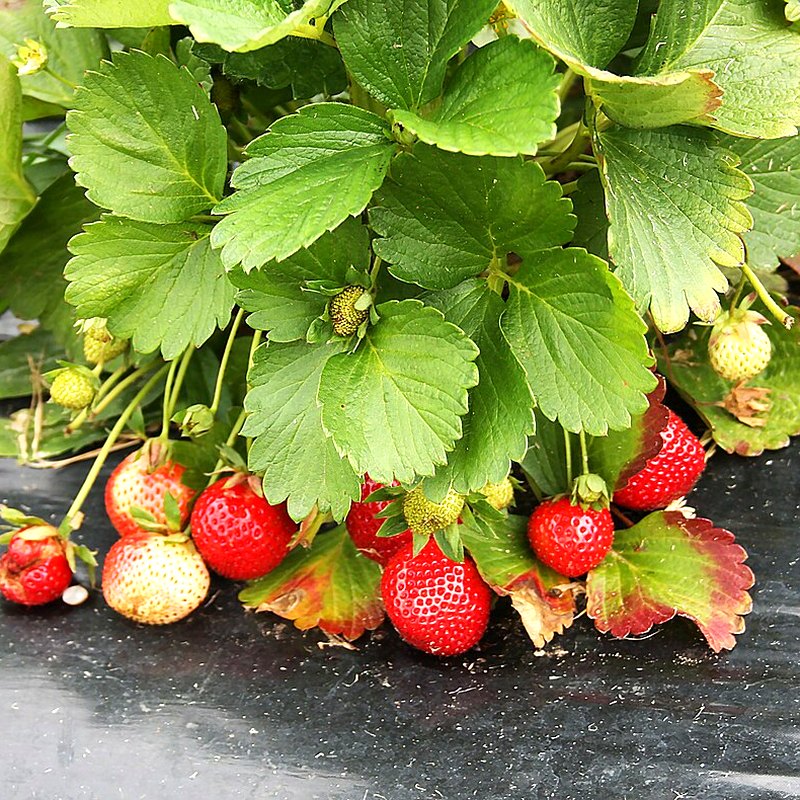
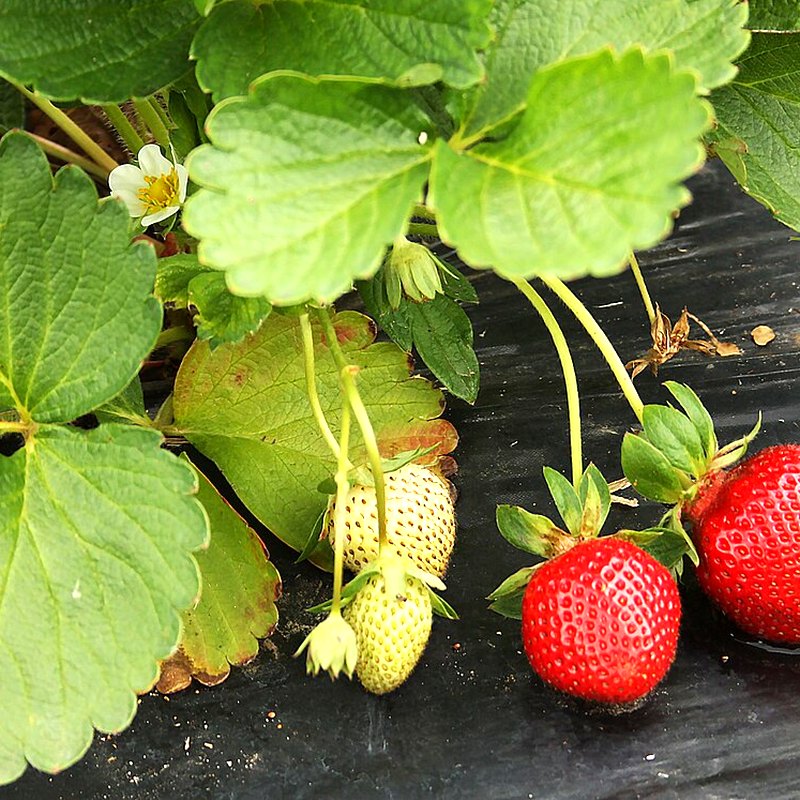
🍓 Fruit 4
🌿 Herbs 9
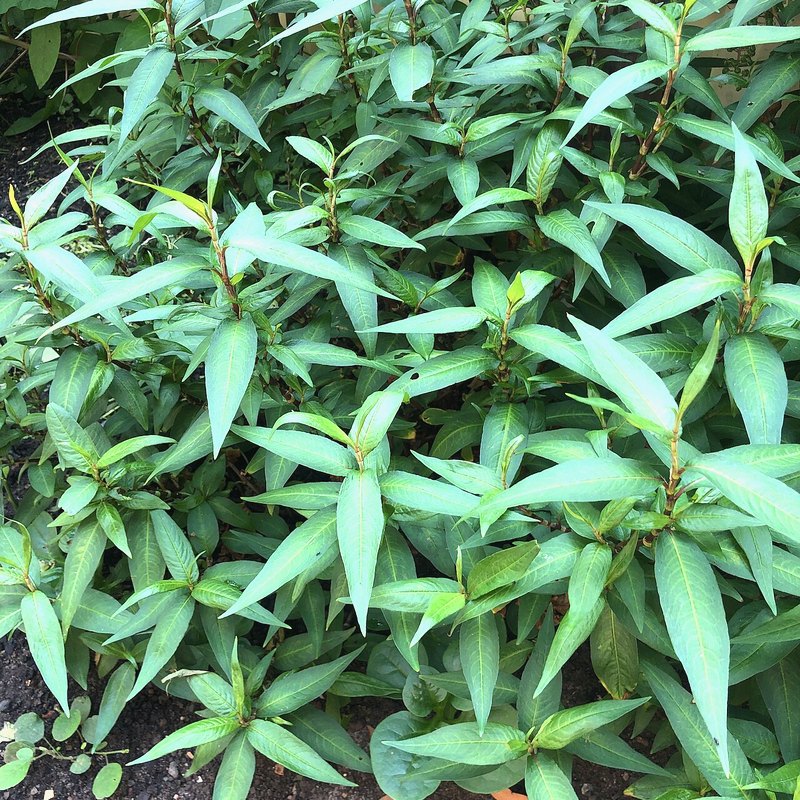
🌸 Flowers 26
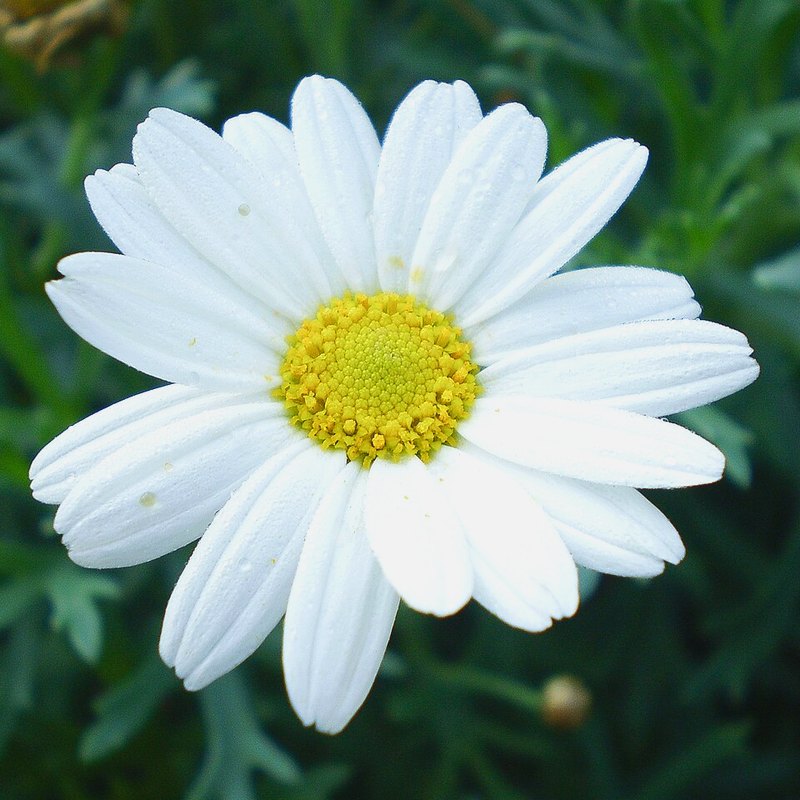
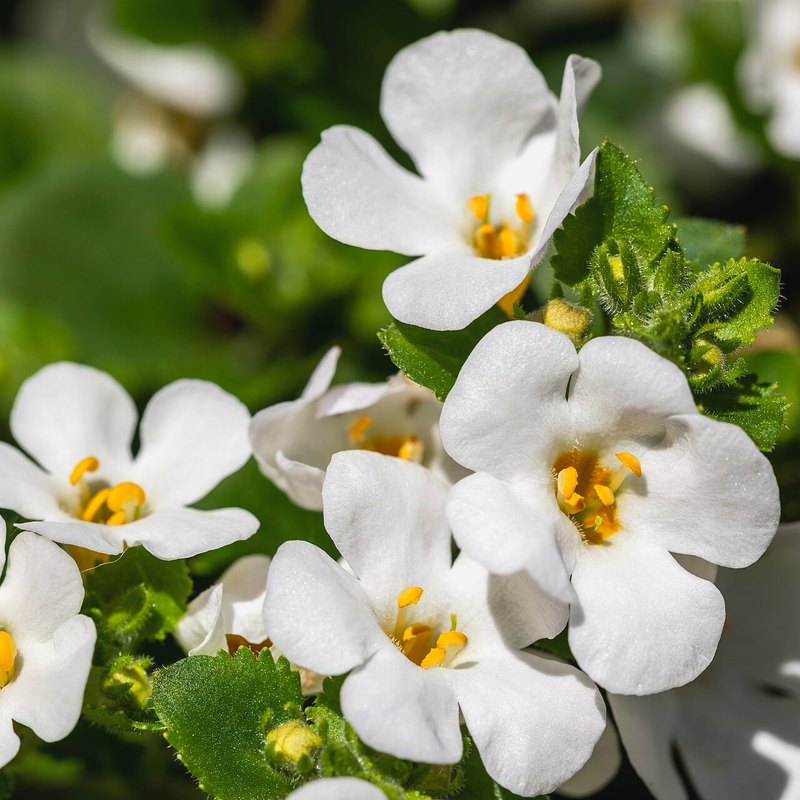
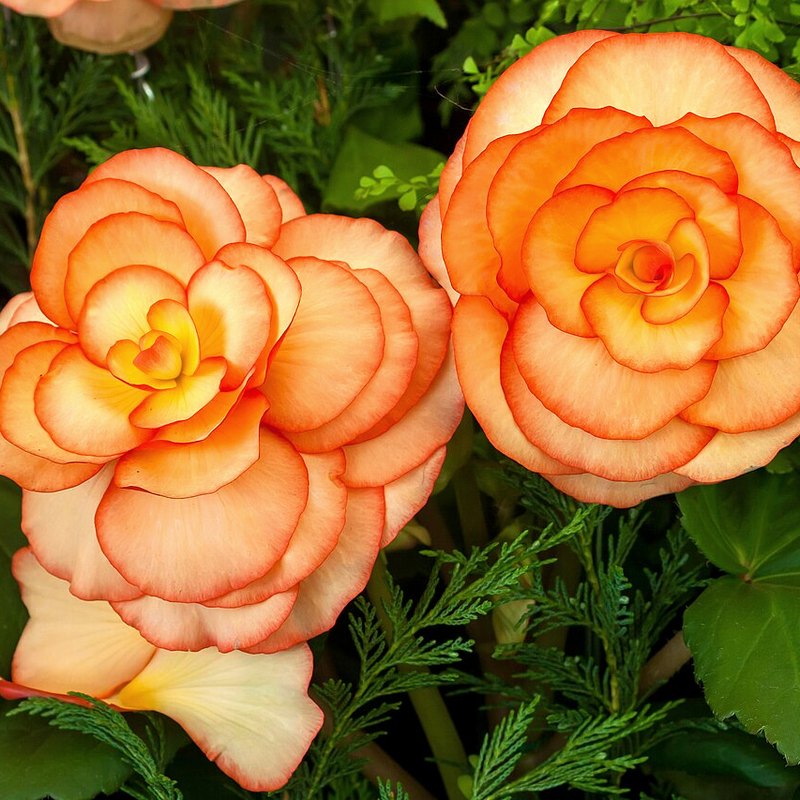
Ready to harvest in April 17
What you can be picking or lifting this month.
🥕 Vegetables 16
🌿 Herbs 1
Jobs for established plants in April
- Spring FeedAgapanthus (Headbourne Hybrids)
Feed with a high-potash (tomato) feed every two weeks from April until the buds show colour.
- Apply Spring MulchApple (Bramley's Seedling)
Apply a layer of organic mulch around the base of the tree to retain moisture and suppress weeds.
- Blossom Pest & Disease CheckApple (Bramley's Seedling)
Inspect for early signs of pests (e.g., aphids, caterpillars) or diseases (e.g., scab, canker) during flowering.
- Pest & Disease Check (Spring)Apple (Golden Delicious)
Inspect leaves and branches for signs of pests or diseases. Address issues promptly.
- Spring Pest & Disease CheckApricot
Inspect for early signs of pests (aphids, borers) or diseases (brown rot, powdery mildew). Treat as necessary.
- Start Monthly FeedsBay Tree
Start a monthly liquid feed for pot-grown bays until late summer.
- Ericaceous FeedBlueberry (Bluecrop)
Feed with an ericaceous (acid-loving) fertiliser and top up the pine-bark mulch.
- Switch to Summer FeedCalamondin Orange
Change to a summer citrus feed with every watering.
- Ericaceous FeedCamellia (japonica)
After flowering, feed with an ericaceous fertiliser.
- Protect Blossom from FrostCherry (Morello)
Cover small or wall-trained trees with fleece on frosty nights while in flower.
- Spring Pest & Disease CheckCherry (Stella)
Inspect the tree for early signs of pests (e.g., aphids, cherry fruit fly) or diseases (e.g., brown rot, canker).
- Protect Blossom from FrostCherry (Sunburst)
Cover small or wall-trained trees with fleece on frosty nights while in flower.
- Start CuttingChives
Fresh chive leaves are back — start cutting.
- Spring MulchChristmas Box (Sarcococca)
Mulch with leaf mould.
- Divide Big ClumpsChrysanthemum (Hardy Garden)
Every 3–4 years, lift big clumps, split them into fist-sized pieces with a spade and replant the young outer parts.
- Tie In Young ShootsClematis (Jackmanii)
Tie the fast-growing new shoots to the support every week or two.
- Cut Back Old FoliageComfrey (Bocking 14)
If any old foliage remains from the previous year, cut it back to ground level to encourage fresh, new growth.
- Pull Off Dead LeavesCordyline (Cabbage Palm)
Pull away the old, brown lower leaves.
- Spring MulchingCrab Apple (Red Sentinel)
Apply a fresh layer of organic mulch (e.g., wood chips, compost) around the base of the tree to retain moisture and suppress weeds.
- Spring Pest/Disease CheckCrab Apple (Red Sentinel)
Inspect new foliage and blossoms for early signs of pests (e.g., aphids) or diseases (e.g., scab).
- Spring FeedCranberry (Pilgrim)
Give a little ericaceous feed as new growth starts.
- Trim RunnersCranberry (Pilgrim)
Trim long, wiry runners back to keep the mat dense.
- Let the Leaves Die BackCrocus (Large-Flowered Mixed)
Leave the foliage for at least six weeks after flowering, until it yellows — don't knot or cut it. Then tidy it away.
- Deadhead and FeedDaffodil (Tête-à-Tête)
Snap off faded flower heads (not the leaves) and give a high-potash feed to build up the bulb for next year.
- Spring Pest & Disease CheckDamson (Merryweather)
Inspect leaves, stems, and flowers for signs of pests (e.g., aphids, plum moth) or diseases (e.g., canker, leaf curl). Address issues promptly.
- Spring MulchDaphne (odora Aureomarginata)
Mulch with leaf mould. Daphnes dislike moving or pruning — just leave it be.
- Divide Big ClumpsDaylily (Stella de Oro)
Every 3–4 years, lift big clumps, split them into fist-sized pieces with a spade and replant the young outer parts.
- Spring CoppiceEucalyptus (Cider Gum)
Coppice (cut to 30–60 cm) every spring to keep it small and full of round juvenile leaves for cutting.
- Top Up MulchFig (Brown Turkey)
Refresh the layer of organic mulch around the tree.
- PruneForsythia
Straight after flowering, cut flowered stems back to strong young shoots and remove a few of the oldest at the base.
- Spring PruneFuchsia (Hardy, Mrs Popple)
When new shoots appear, cut last year's stems back to a pair of healthy buds near the base.
- Start CuttingGarlic Chives
New leaves are up — start cutting.
- Cut Back Old GrowthGaura (Whirling Butterflies)
Cut old stems back to the fresh base growth in spring (not autumn — it helps it survive winter).
- Start Them Off AgainGladiolus (Large-Flowered Mixed)
Check stored tubers/corms, discard any soft ones and pot them up (or plant out once frosts are over).
- Spring FeedGlobe Artichoke (Green Globe)
Mulch with manure and give a general feed as growth starts.
- Check for SawflyGooseberry (Invicta)
Look under the centre leaves for green caterpillars that can strip a bush in days; pick them off.
- Spring Pest & Disease CheckGreengage (Cambridge Gage)
Inspect for early signs of pests (e.g., aphids) or diseases (e.g., blossom wilt).
- PruneHardy Hibiscus
Lightly shorten last year's shoots to keep a good shape; it flowers on new growth.
- Light TrimHebe (Great Orme)
Trim lightly after the risk of frost to keep a good shape; remove any frost-damaged tips.
- Spring MulchHellebore (Lenten Rose)
Spread a 5 cm mulch of compost around the plant, keeping it off the stems.
- Check for Vine WeevilHeuchera (Coral Bells)
In pots, look for C-shaped white grubs in the compost if plants wilt; use a nematode drench.
- Train New ShootsHops
Choose 3–4 strong shoots per plant and twist them clockwise around strings or a trellis. Remove the rest.
- Guard Against SlugsHosta (June)
Protect the emerging shoots from slugs and snails before the leaves unfurl.
- Feed and MulchHosta (June)
Give a general feed and mulch with compost.
- Let the Leaves Die BackIris reticulata
Leave the foliage for at least six weeks after flowering, until it yellows — don't knot or cut it. Then tidy it away.
- Protect New Leaves from FrostJapanese Maple
Late frosts and cold wind scorch the young leaves. Cover with fleece on frosty nights.
- Light TrimJuniper (Blue Star)
Only trim the tips lightly if needed — junipers do not regrow from bare wood.
- Protect New ShootsKiwi (Issai)
Late frosts scorch the young shoots — cover with fleece on frosty nights.
- Switch to Summer FeedKumquat (Nagami)
Change to a summer citrus feed with every watering.
- Light Spring TidyLavender (Hidcote)
Trim off any frost-damaged tips. Never cut into bare brown wood — it rarely regrows.
- Switch to Summer FeedLemon (Meyer)
Change to a high-nitrogen summer citrus feed with every watering.
- Prune HardLemon Verbena
As new leaves appear, cut stems back to 30 cm to keep it bushy. It is late to leaf out — don't give up on it.
- Switch to Summer FeedLimequat
Change to a summer citrus feed with every watering.
- Spring FeedLingonberry (Ida)
Give a little ericaceous feed as new growth starts.
- New Fronds UnfurlMale Fern
Watch the new croziers unroll — a lovely photo.
- Spring Feed (Young Plants)Mediterranean Cypress
Give young trees a balanced feed if growth is poor, and mulch.
- Spring PruningNectarine (Lord Napier)
Prune as the buds break, not in winter. Cut some fruited shoots back to a young replacement shoot.
- Cut Out Dead LeavesNew Zealand Flax (Phormium)
Cut dead or damaged leaves off at the base.
- Mulch Olive TreeOlive
Apply a layer of organic mulch around the base to conserve moisture, regulate soil temperature, and suppress weeds.
- Switch to Summer FeedOrange (Sweet, Pot-Grown)
Change to a summer citrus feed with every watering.
- Spring FertilizingOregano
Apply a balanced, slow-release granular fertilizer or a liquid feed to established plants to support vigorous spring growth.
- Spring PruningPeach (Peregrine)
Prune as the buds break in spring, not in winter, to avoid canker and silver leaf. Peaches fruit on last year's shoots, so keep a supply of young wood.
- Spring Pest & Disease CheckPeach (Peregrine)
Regularly inspect for early signs of pests (aphids, scale) or diseases.
- Spring Pest & Disease CheckPear (Concorde)
Inspect leaves and branches for signs of common pear pests (e.g., aphids, pear psylla) or diseases (e.g., pear scab, fire blight). Address issues promptly.
- Spring Pest & Disease CheckPear (Conference)
Inspect for common pests like aphids, pear slug, and diseases such as scab or canker after bud break and during flowering.
- Spring Cut BackPenstemon (Garnet)
Leave old stems on over winter to protect the crown, then cut back to just above the fresh shoots at the base in mid-spring.
- Add SupportPeony (Sarah Bernhardt)
Put a ring support over the plant before the heavy flowers open.
- Protect New ShootsPieris (Forest Flame)
Late frosts scorch the red shoots; cover with fleece on frosty nights.
- Light ClipPittosporum (Tom Thumb)
Lightly clip to shape in spring if needed.
- Spring Pest & Disease CheckPlum (Victoria)
Inspect for early signs of pests (aphids, plum sawfly) or diseases (canker, brown rot). Treat as necessary.
- Apply Spring MulchQuince (Meech's Prolific)
Refresh mulch layer around the base of the tree to conserve moisture, suppress weeds, and regulate soil temperature.
- Spring Pest/Disease CheckQuince (Meech's Prolific)
Inspect tree for early signs of pests (e.g., aphids, scale) or diseases (e.g., leaf spot, fire blight) as leaves emerge.
- Spring TidyRed Hot Poker (Kniphofia)
Untie and pull away dead leaves.
- Spring Hard PruneRussian Sage (Perovskia)
Cut all stems back hard to 30 cm above the ground as new buds appear.
- Spring PruneSage (Common)
Cut back by about a third as new growth starts, to stop it getting woody and leggy.
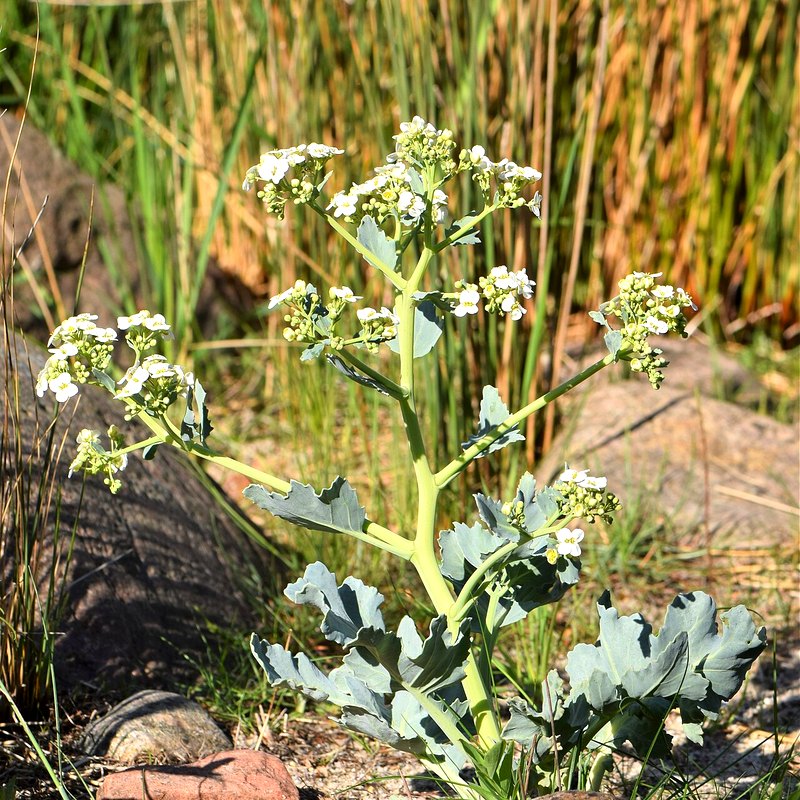
- Feed and MulchSea Kale
Scatter a general feed and mulch with compost or seaweed.
- Spring FeedSkimmia (Rubella)
Feed with an ericaceous fertiliser.
- Check for Lily BeetlesSnake's Head Fritillary
Pick off bright red lily beetles from the leaves and flowers.
- Let the Leaves Die BackSnowdrop
Leave the foliage for at least six weeks after flowering, until it yellows — don't knot or cut it. Then tidy it away.
- Spring FeedTea Plant
Feed with an ericaceous feed as new growth starts.
- Spring TidyThyme (Common)
Snip off any dead tips; avoid cutting into old wood.
- Cut Back in SpringVerbena bonariensis
Leave old stems over winter to protect the plant, then cut them down in spring as new growth starts.
- PruneViburnum (farreri)
After flowering, remove one or two of the oldest stems at the base.
- Cut Back Leggy StemsVietnamese Coriander
Cut straggly stems back by half to make it bushy (root the cuttings in water).
- Watch for Late FrostWalnut (Broadview)
Young walnut shoots are frost-tender; on a small tree, cover with fleece on frosty nights.
- Deadhead and FeedWindflower (Anemone blanda)
Snap off faded flower heads (not the leaves) and give a high-potash feed to build up the bulb for next year.
- Spring TrimWinter Savory
Trim lightly to keep it compact; do not cut into old bare wood.
- Spring FeedYew (English)
Give young hedges a general feed and mulch.
Other months
What to sow in January, What to sow in February, What to sow in March, What to sow in May, What to sow in June, What to sow in July, What to sow in August, What to sow in September, What to sow in October, What to sow in November and What to sow in December.