 PlantSowGrow
What to sow and plant in May
Late spring is when tender crops go outside: tomatoes, courgettes, squash, sweetcorn and beans. In colder and higher gardens frost can still arrive in May, so keep an eye on the forecast.
Timed for a typical UK garden (last frost mid-April, first frost late October). The PlantSowGrow app dates every job from your own town's frost dates.
Sow indoors in May 15
On a windowsill, in a propagator or in a greenhouse.
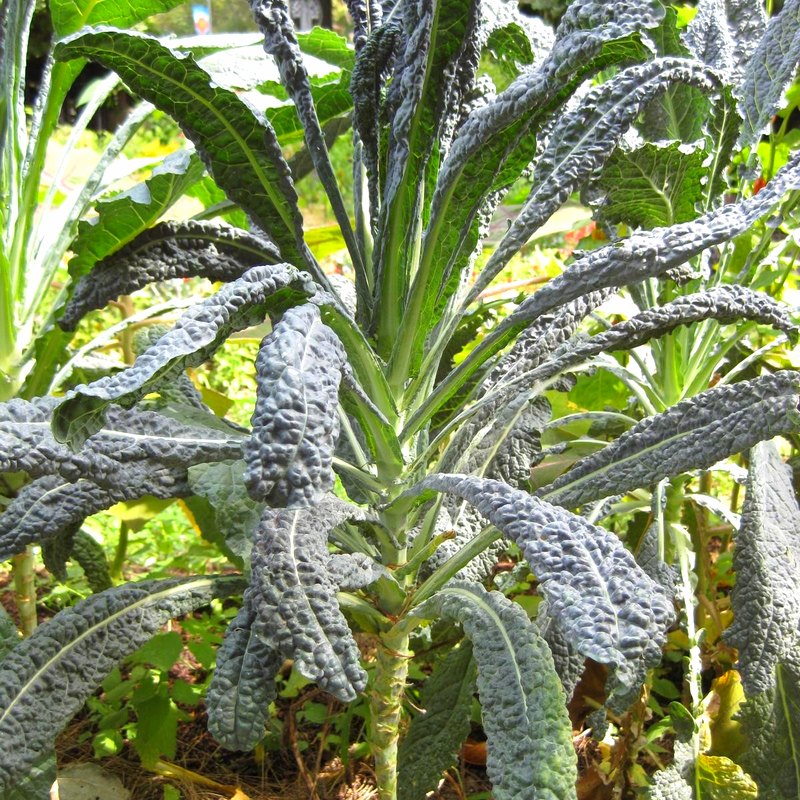
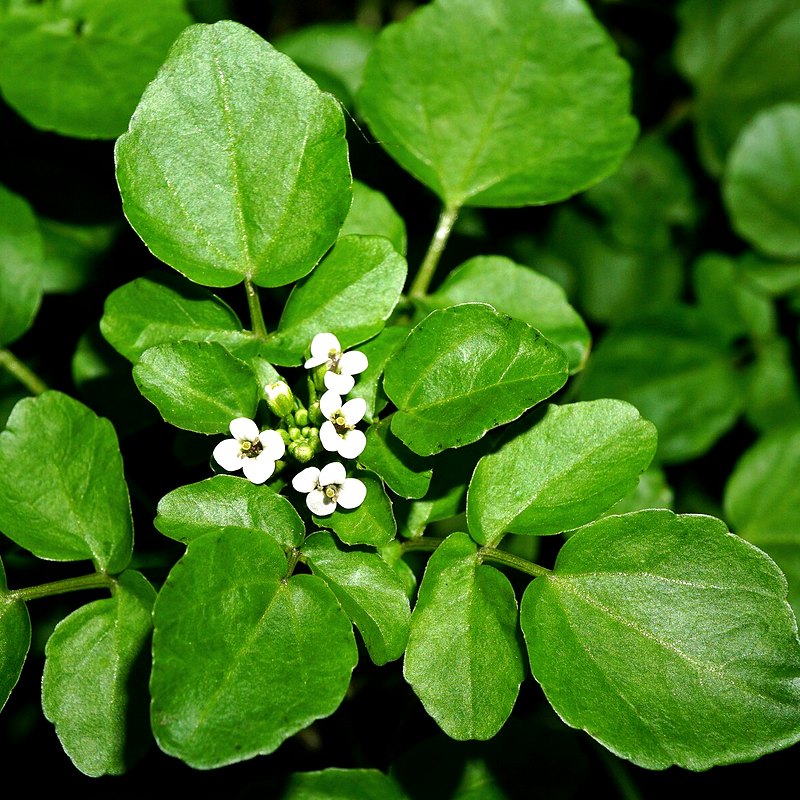
🥕 Vegetables 6
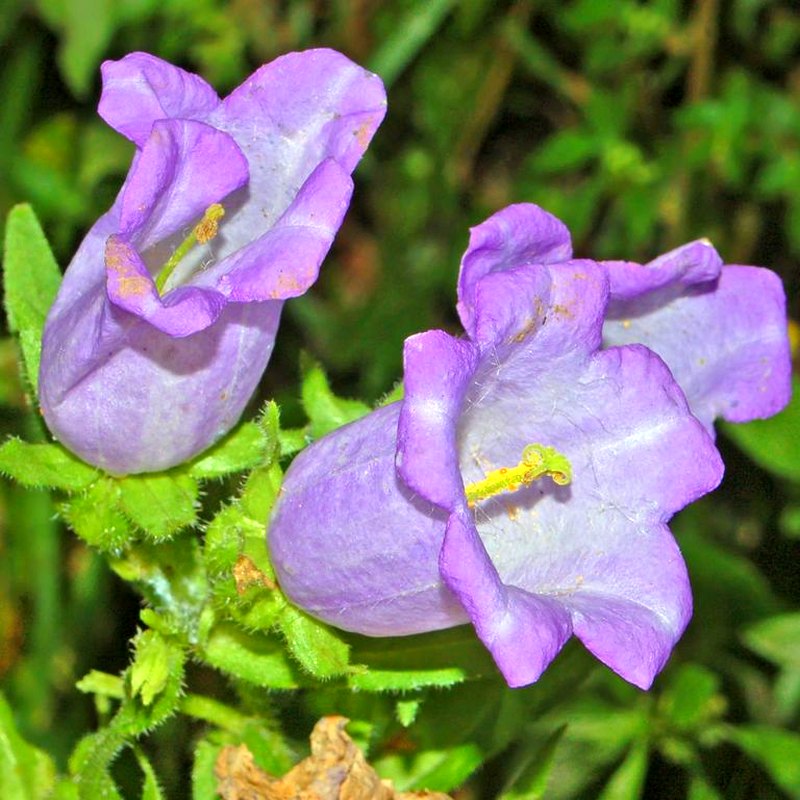
🌸 Flowers 9
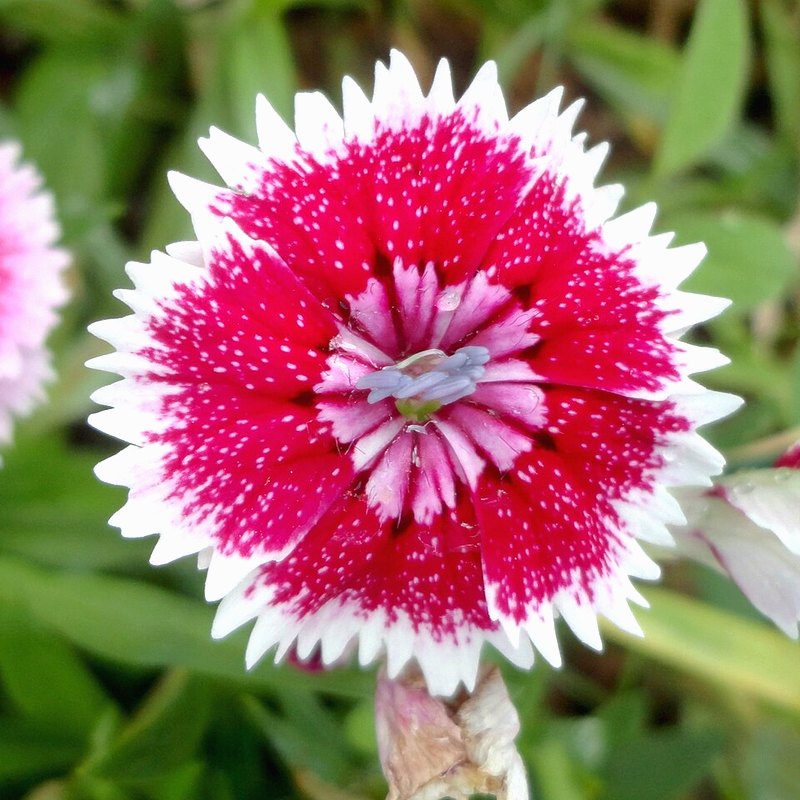
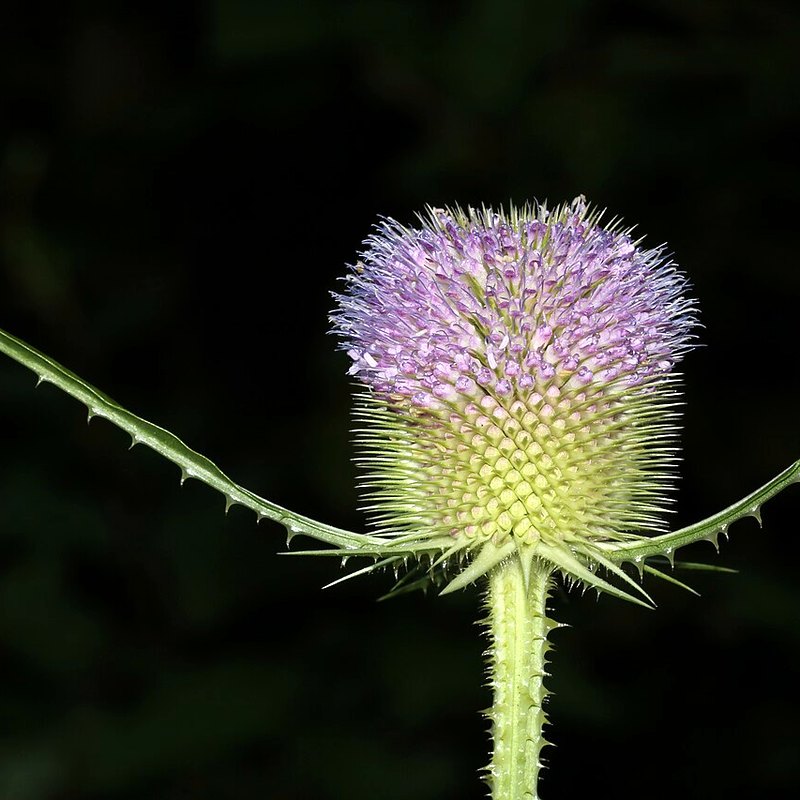
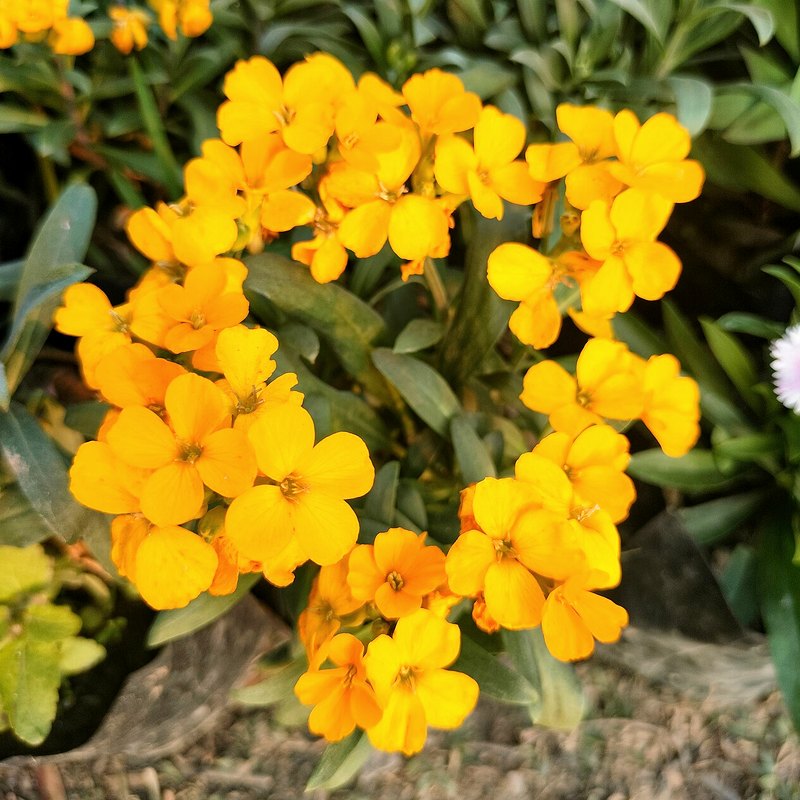
Sow outdoors in May 113
Straight into the ground, a raised bed or pots outside.
🥕 Vegetables 65
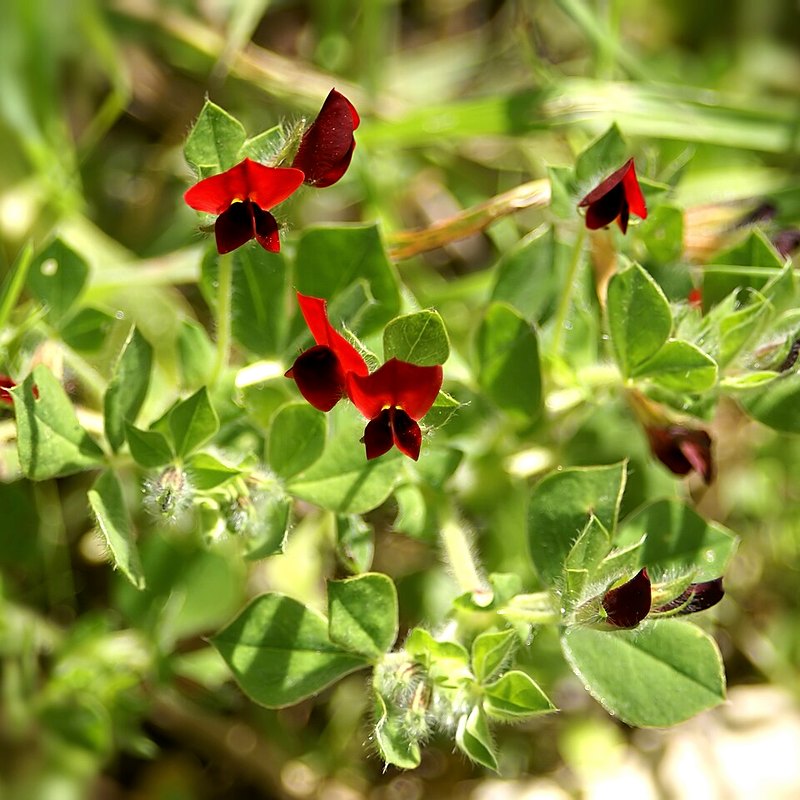
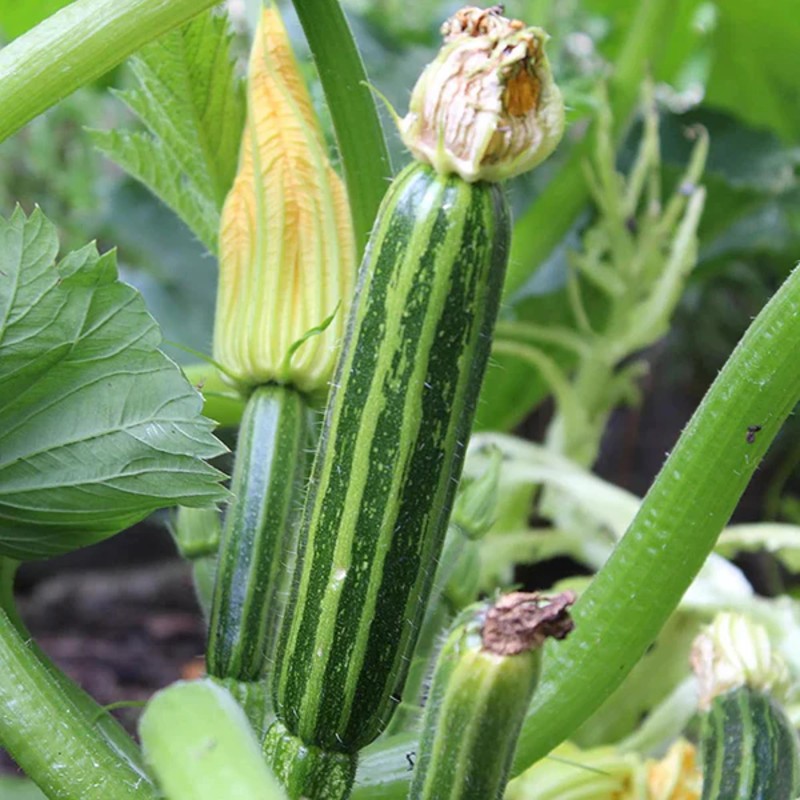
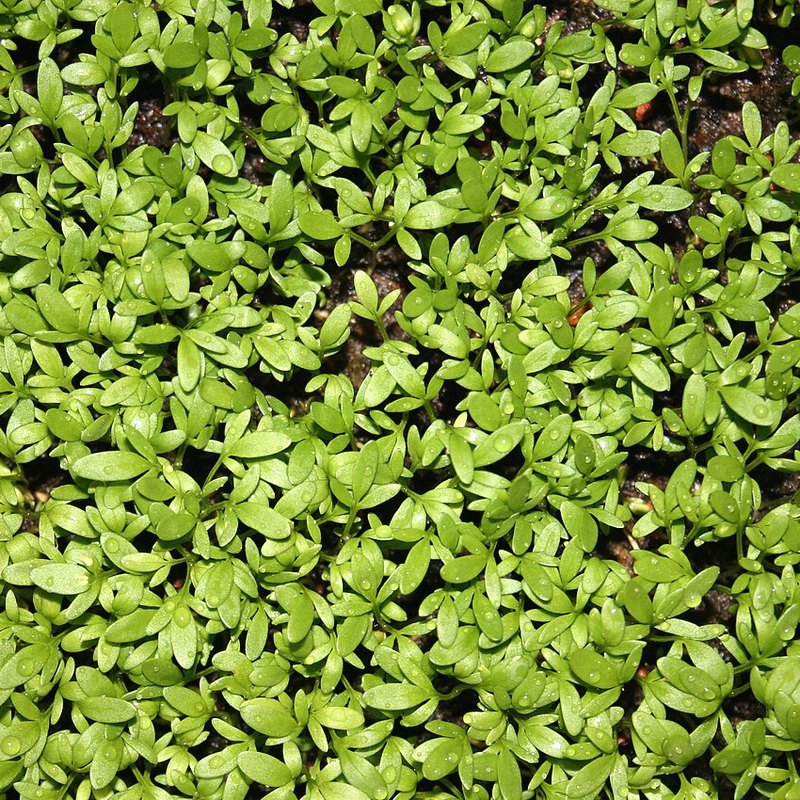
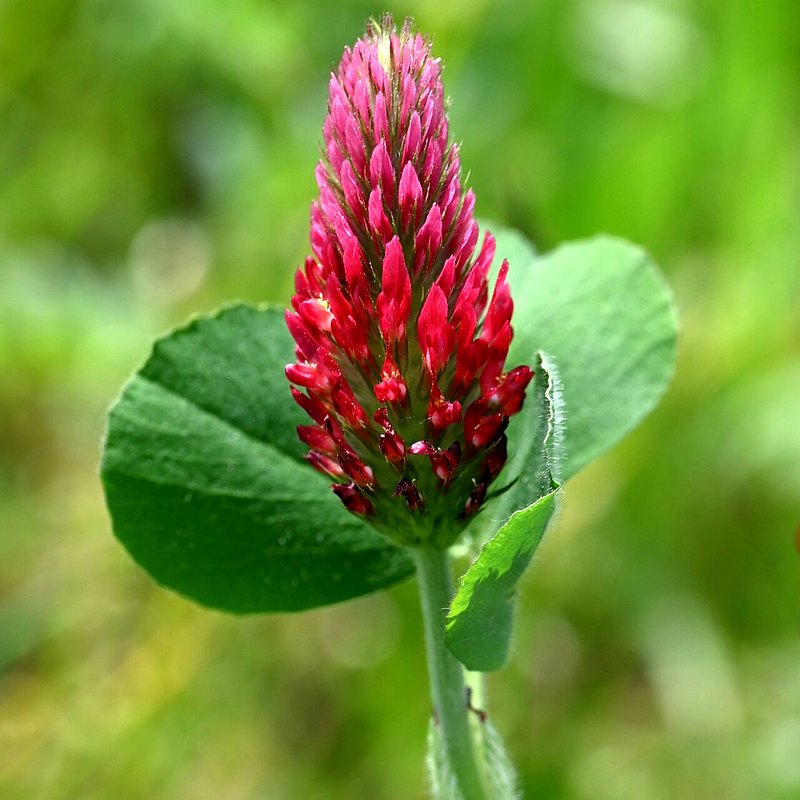
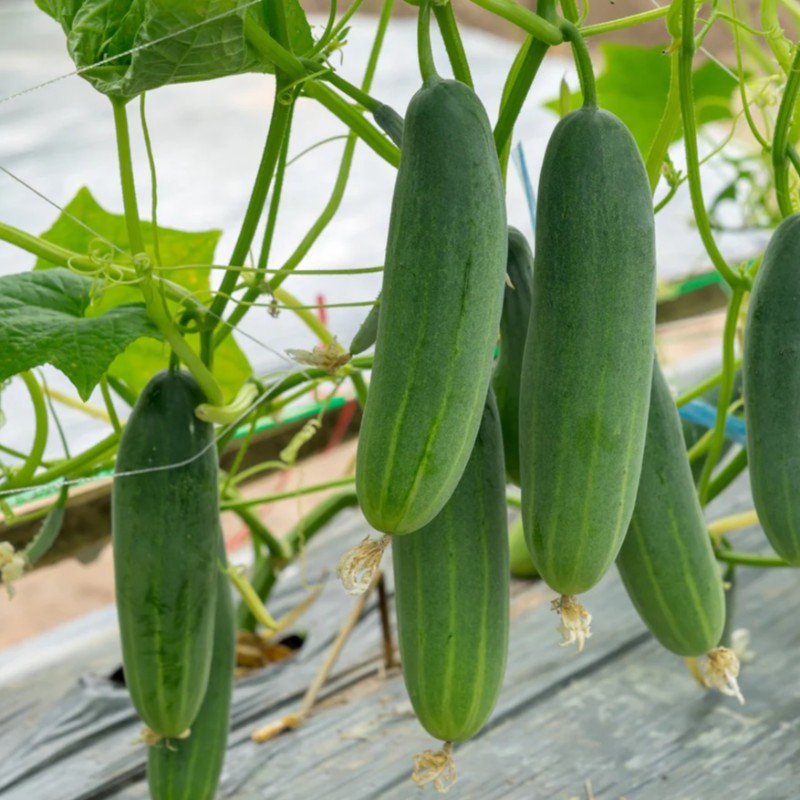

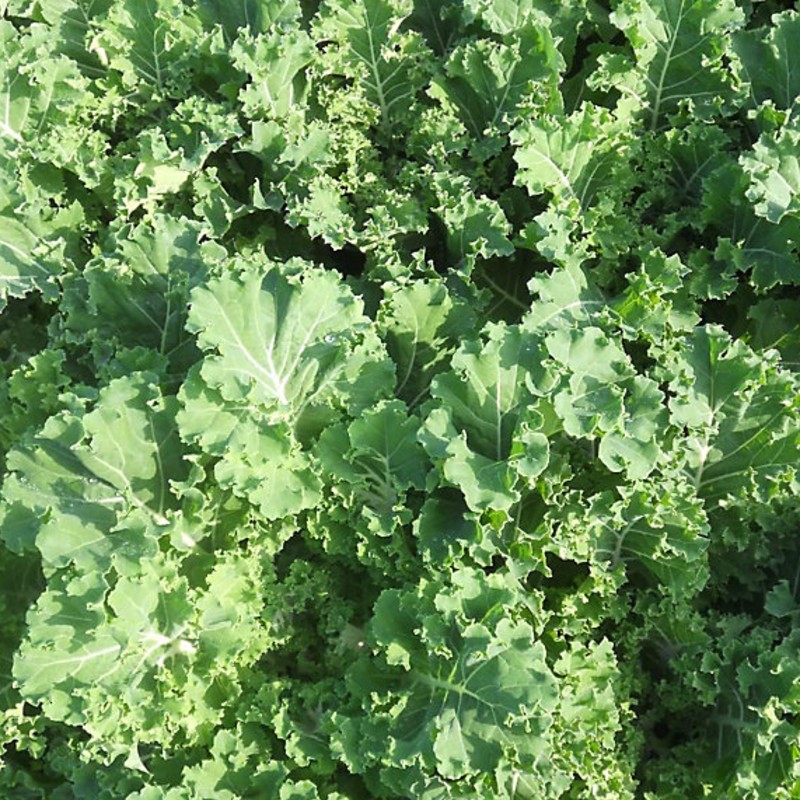
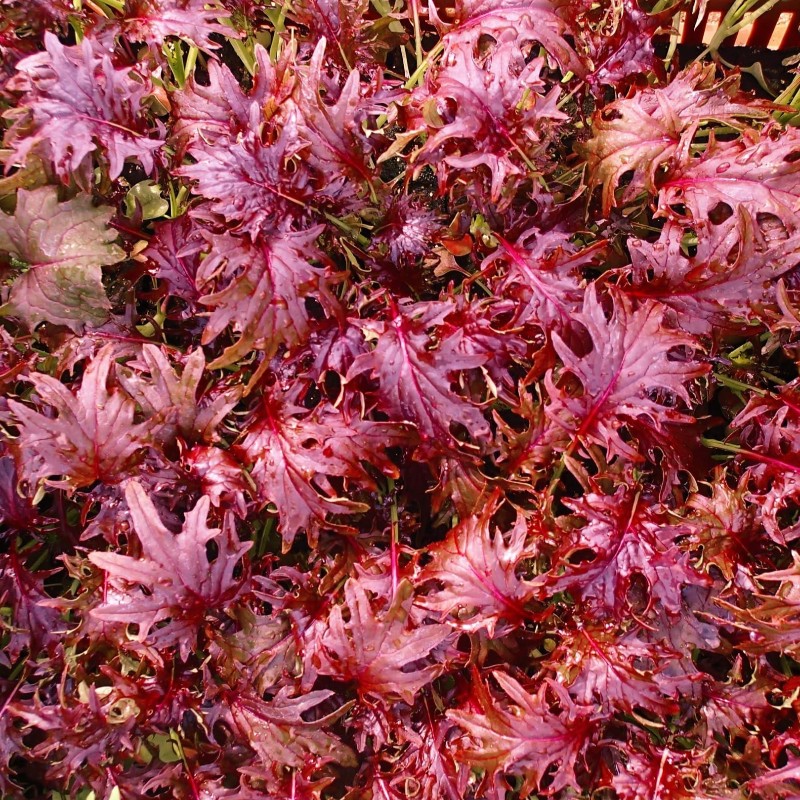
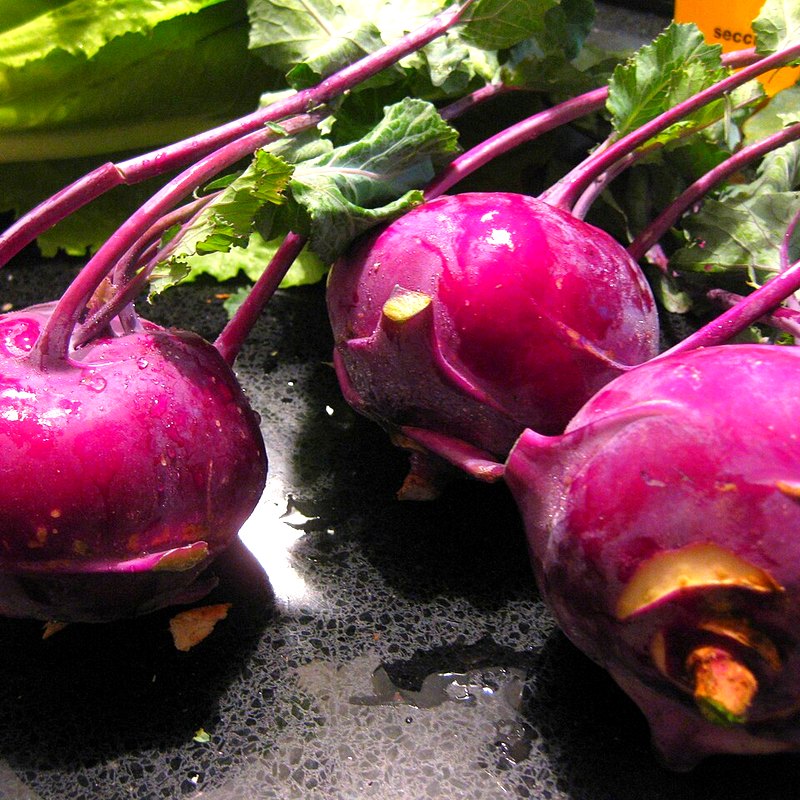
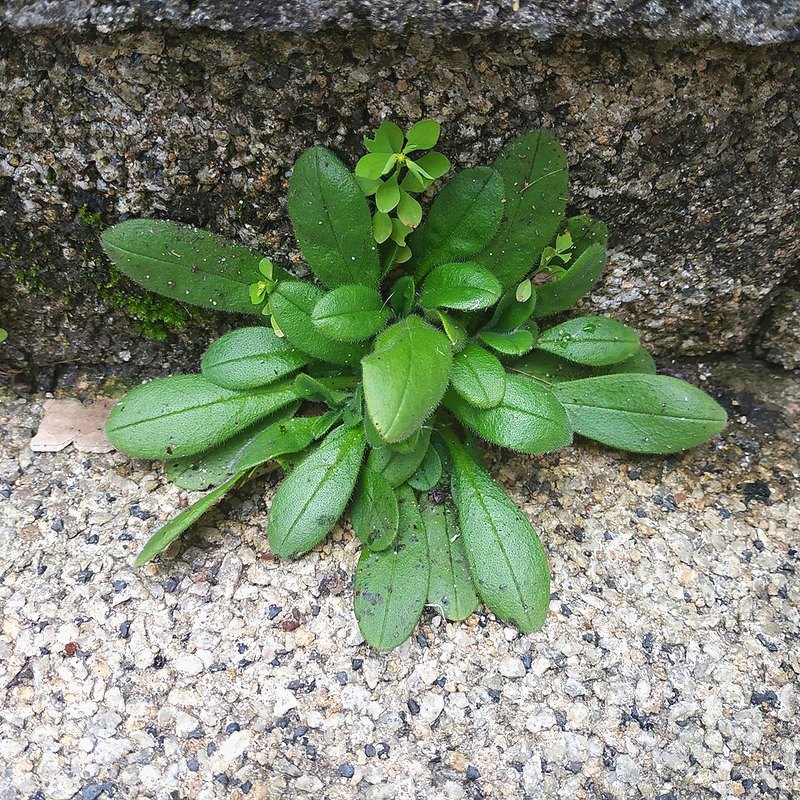
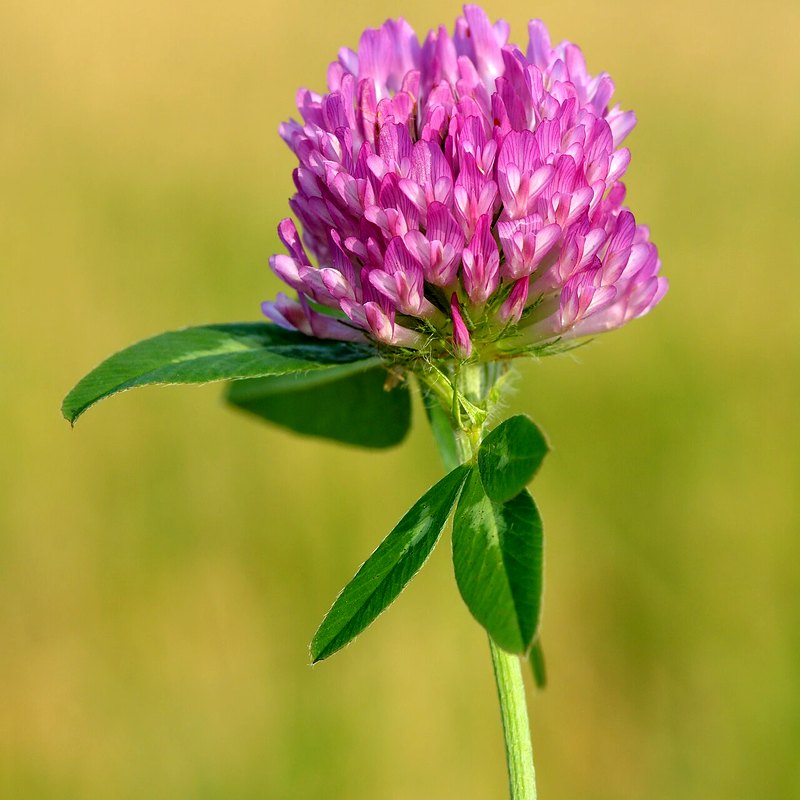
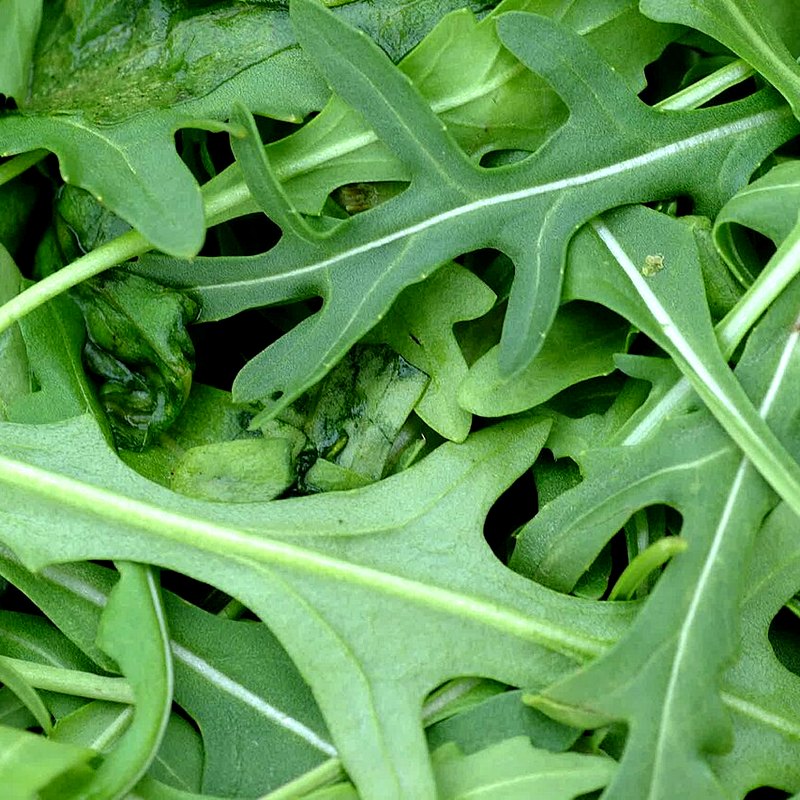
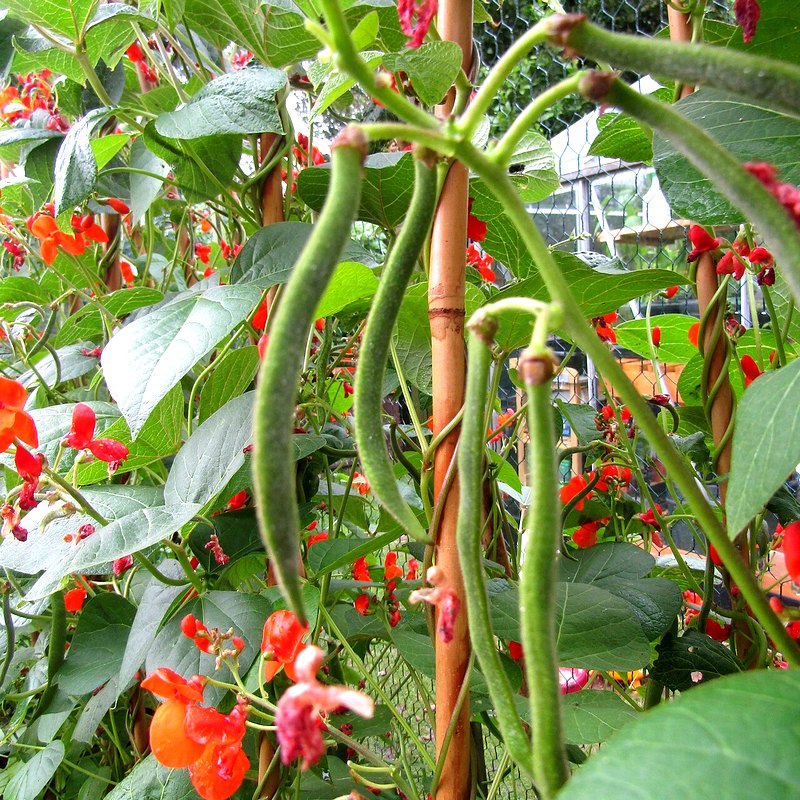
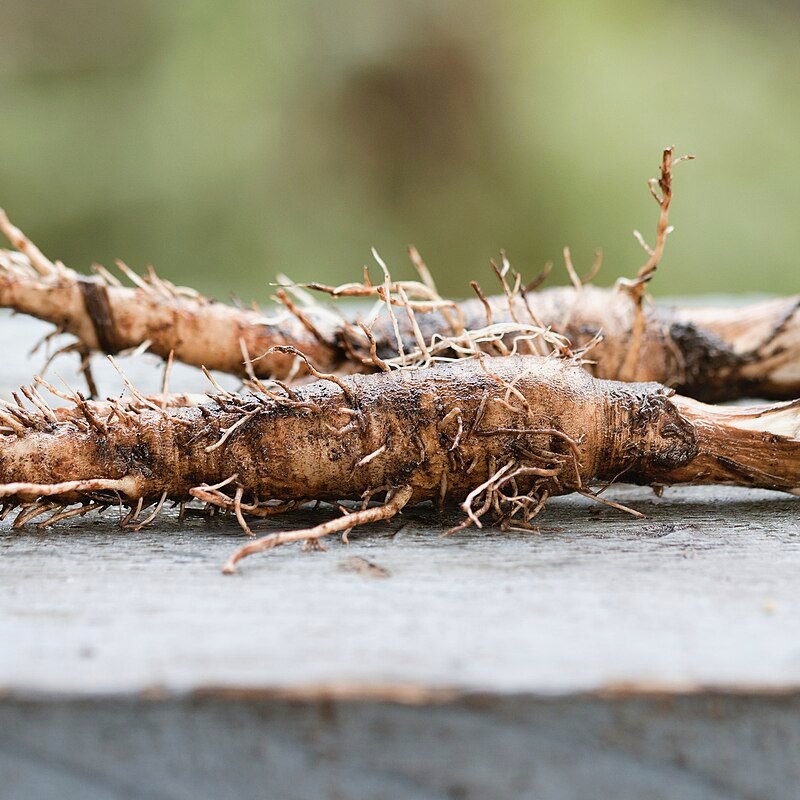
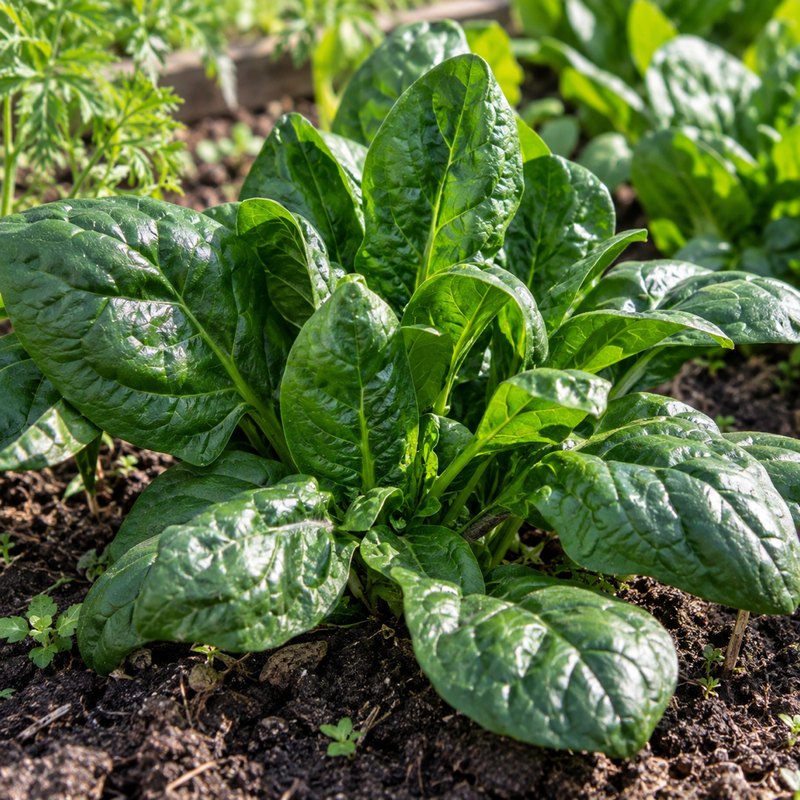
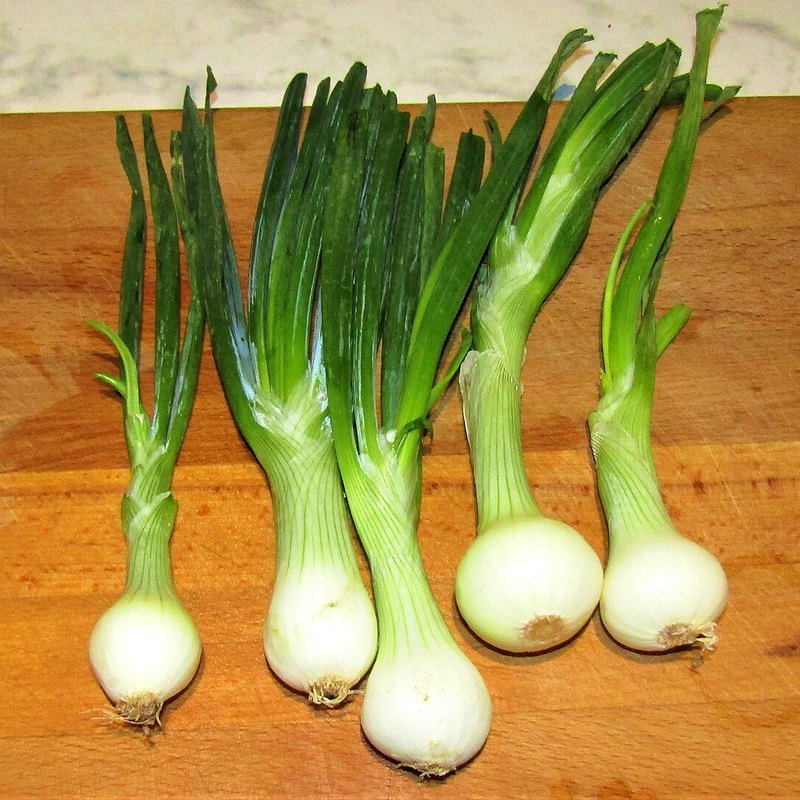
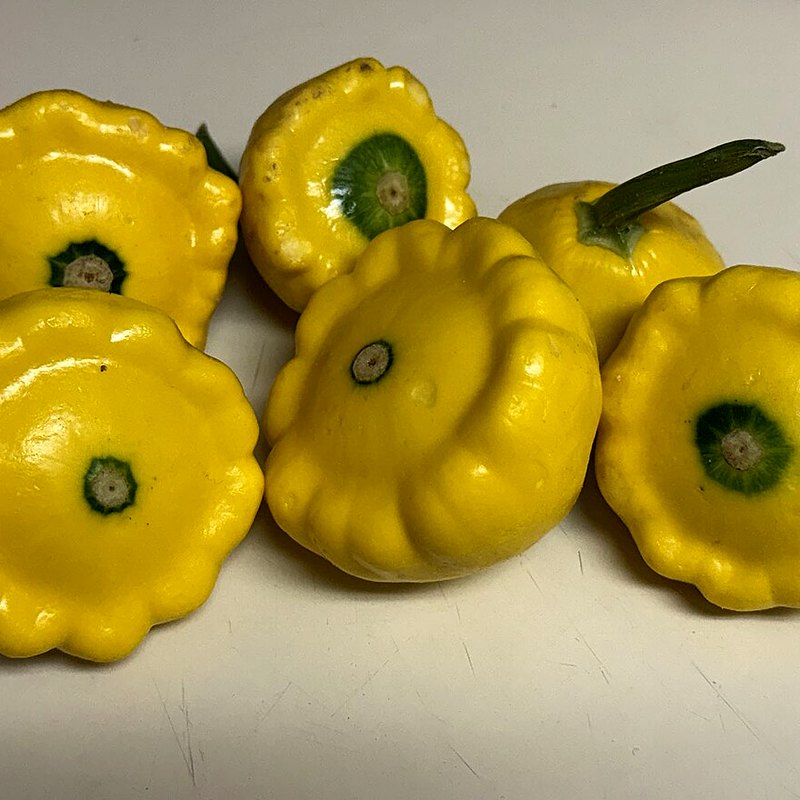
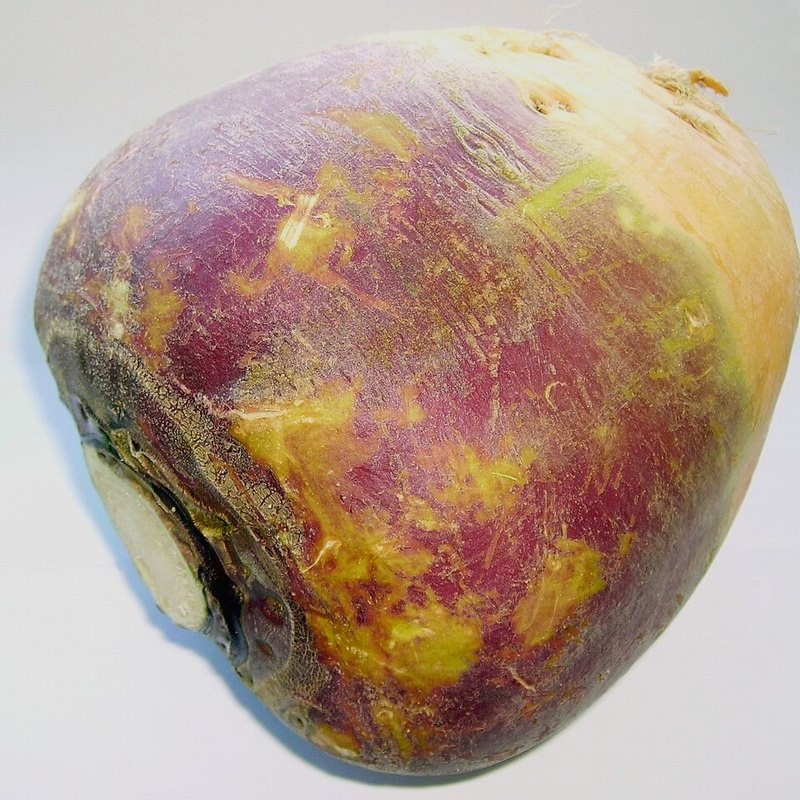
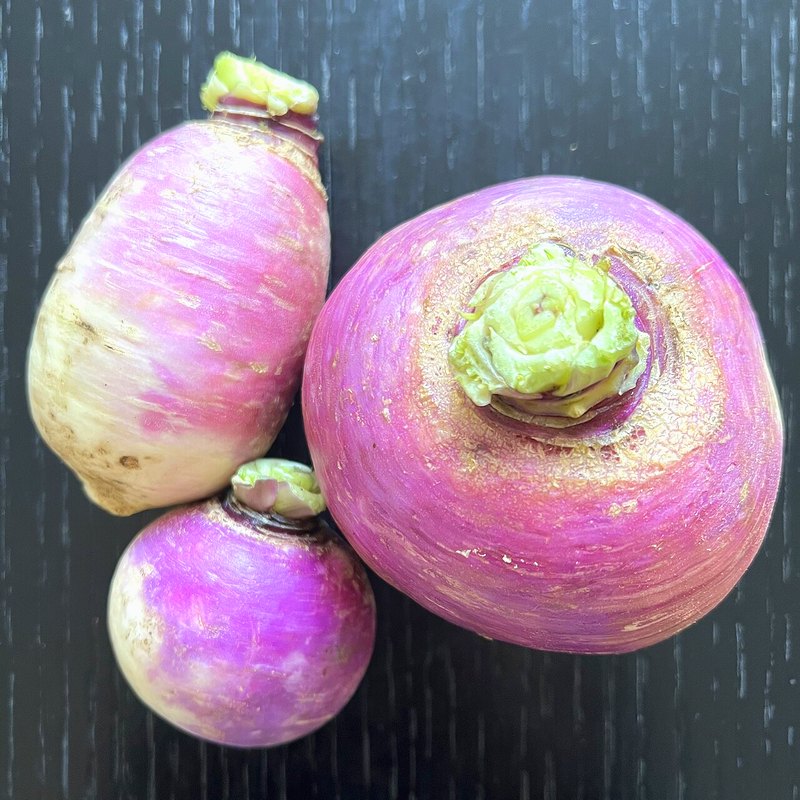
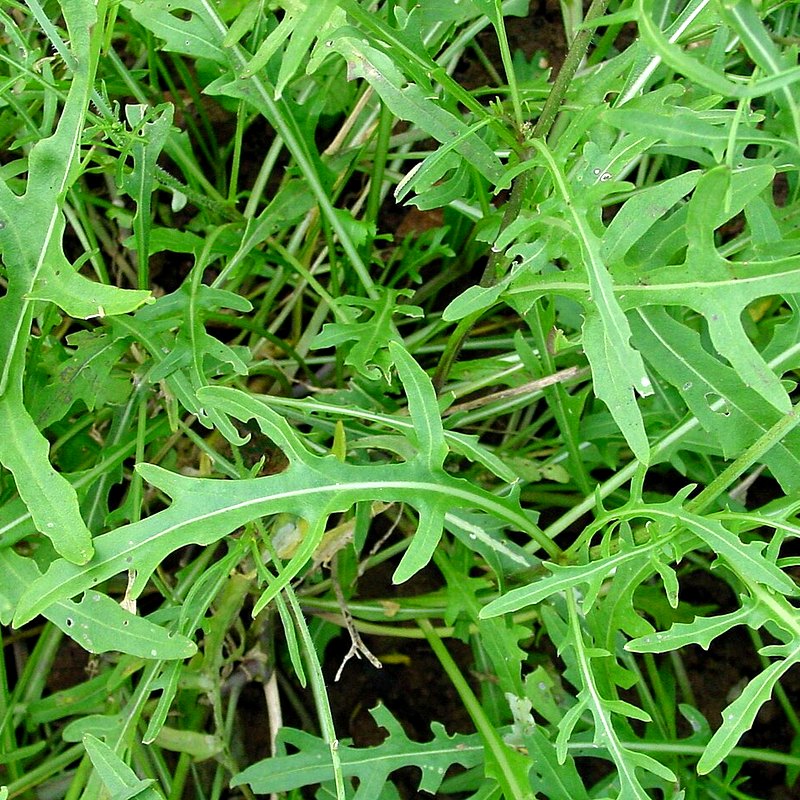
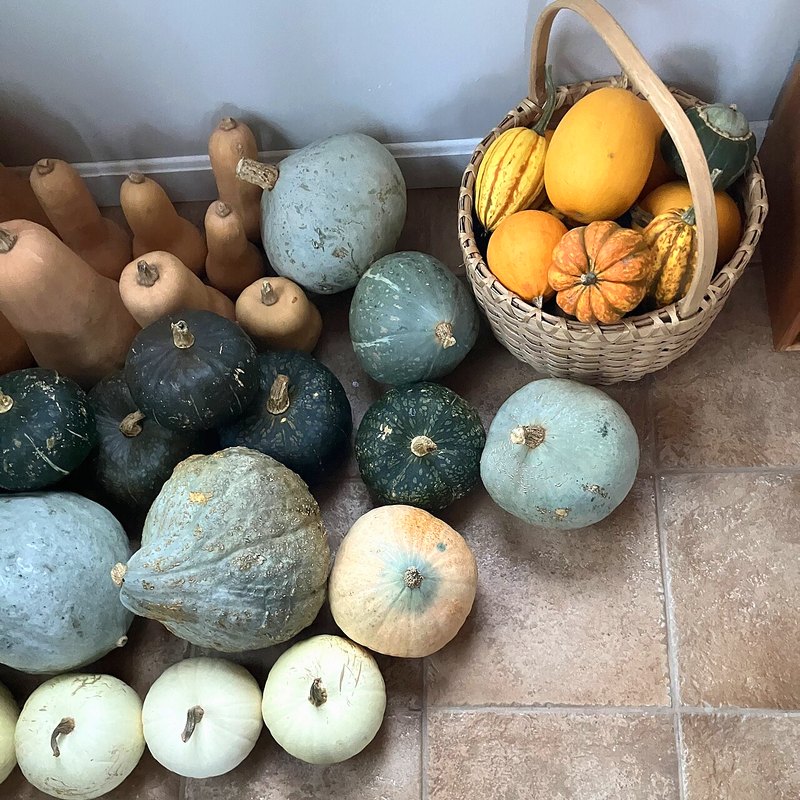
🌿 Herbs 20
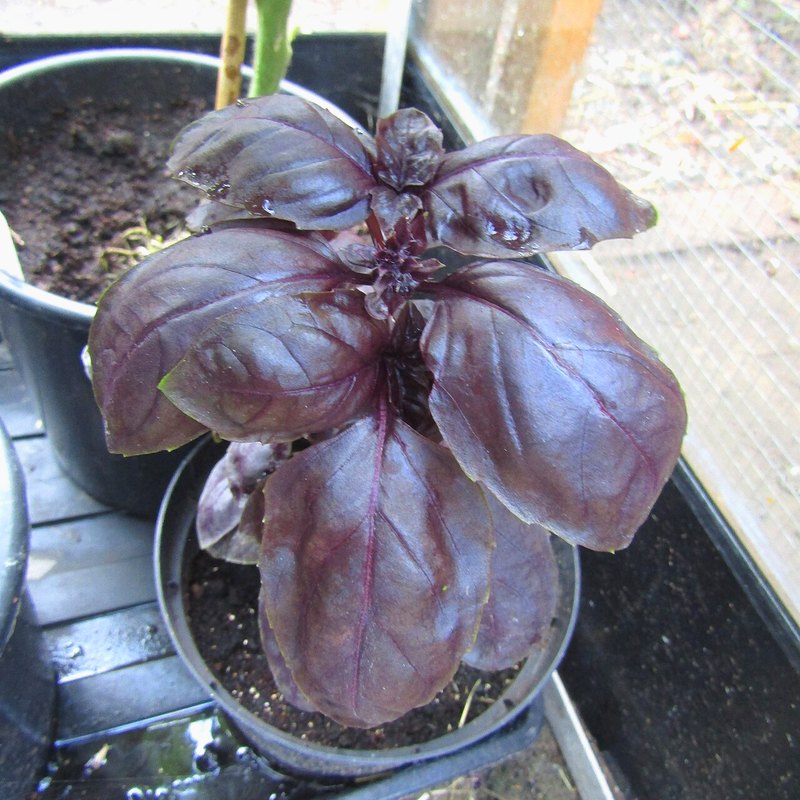
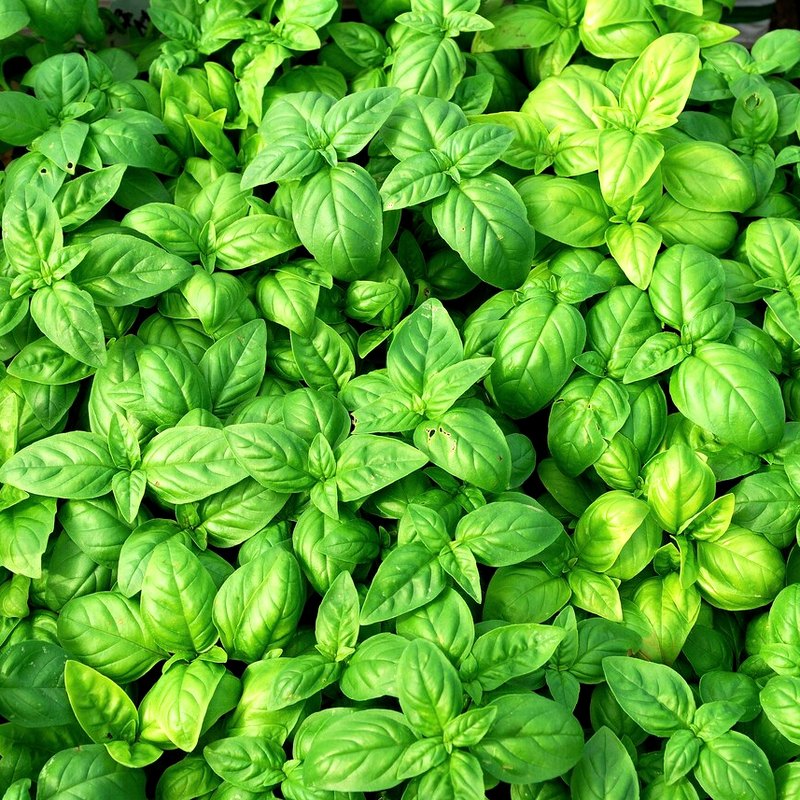
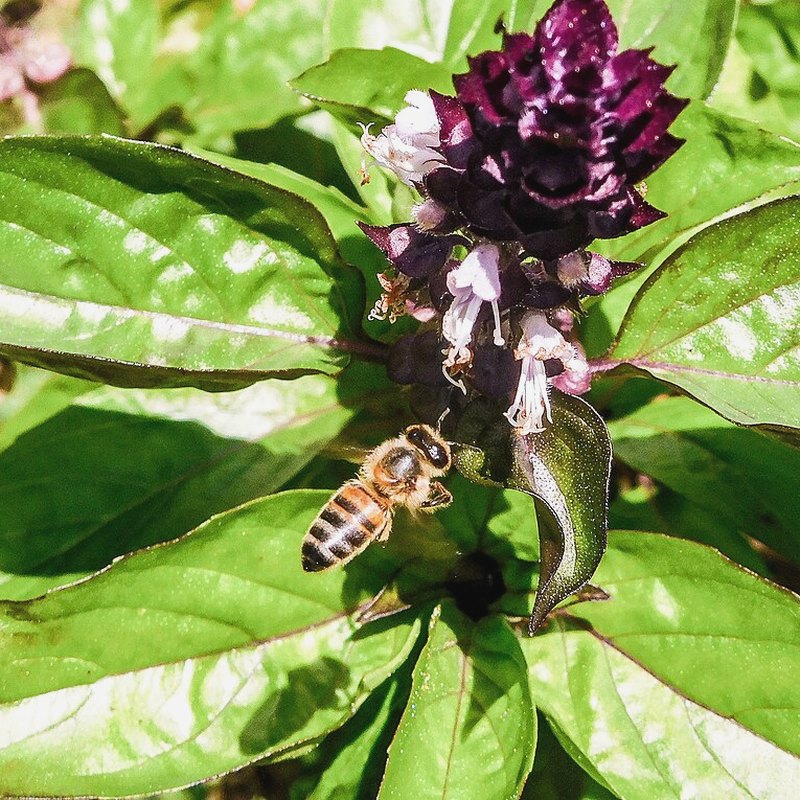
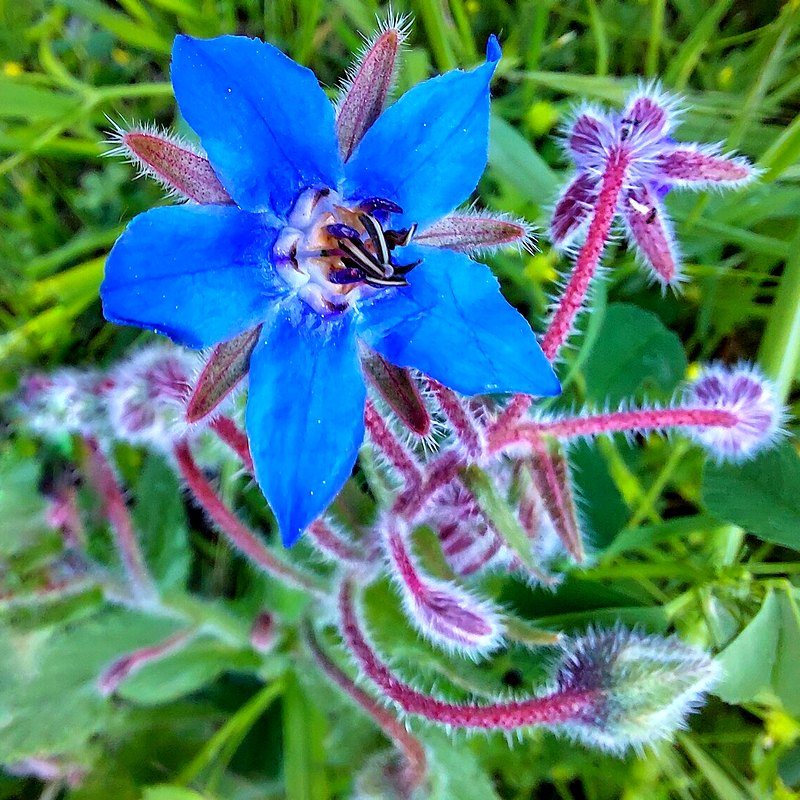
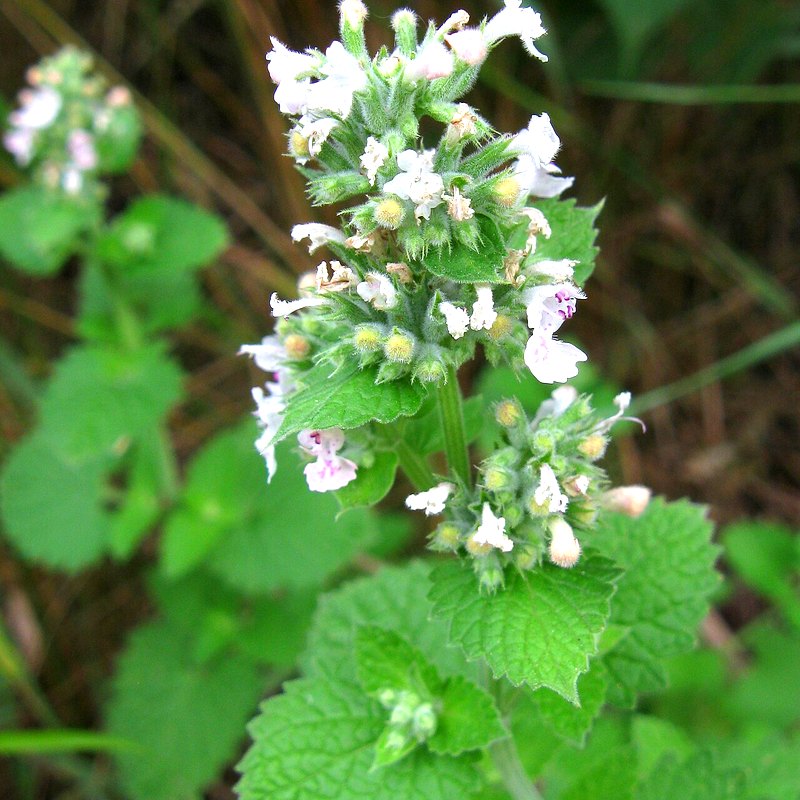
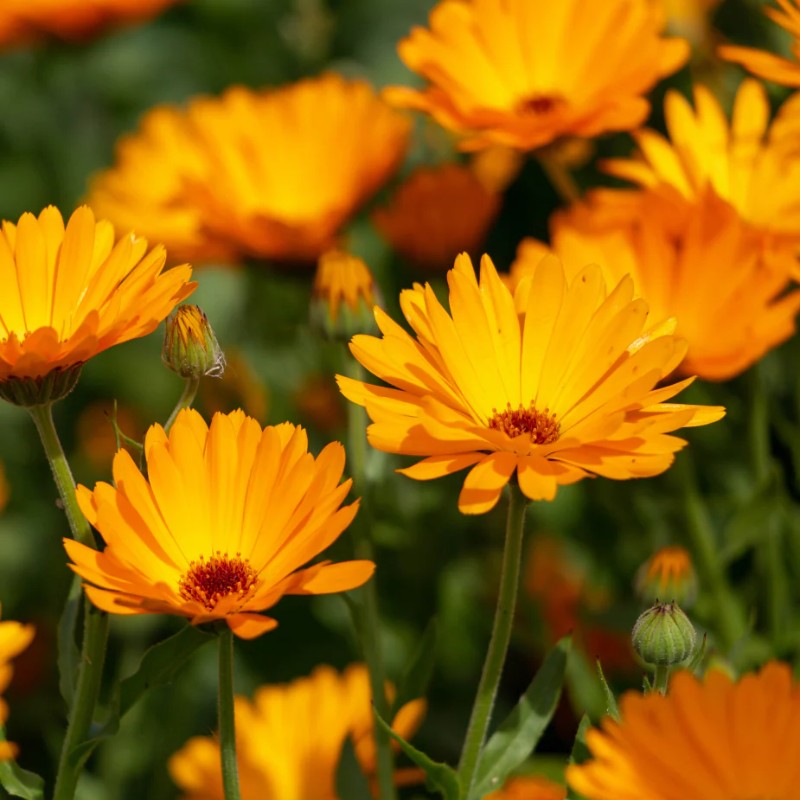
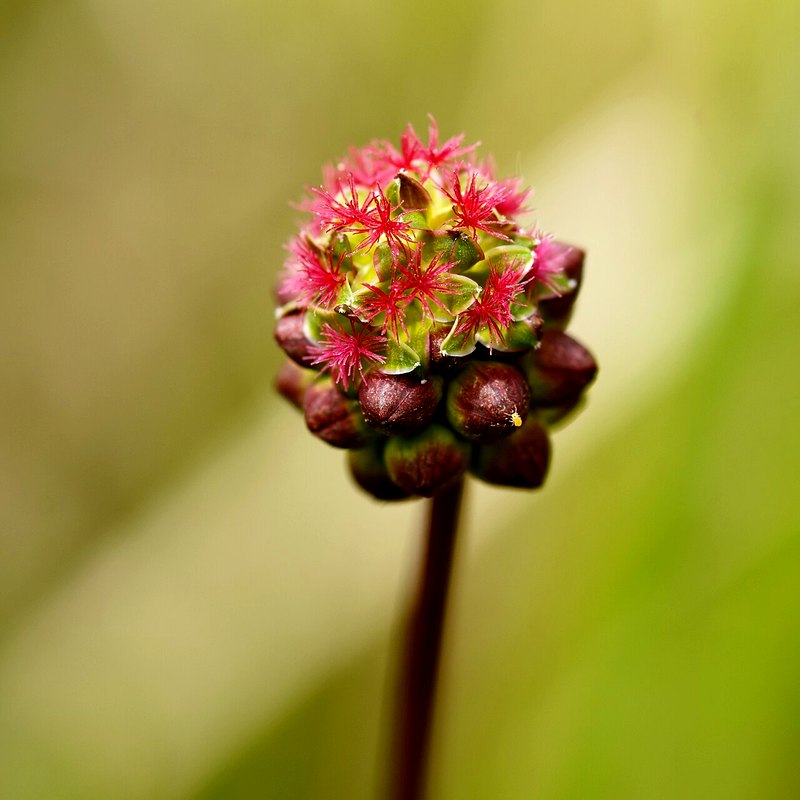
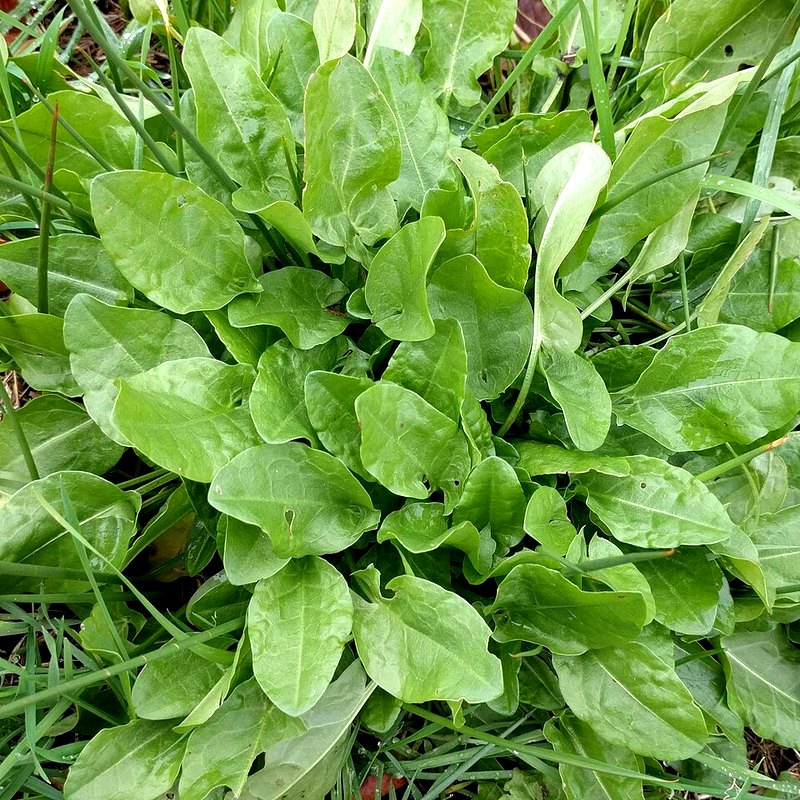
🌸 Flowers 28
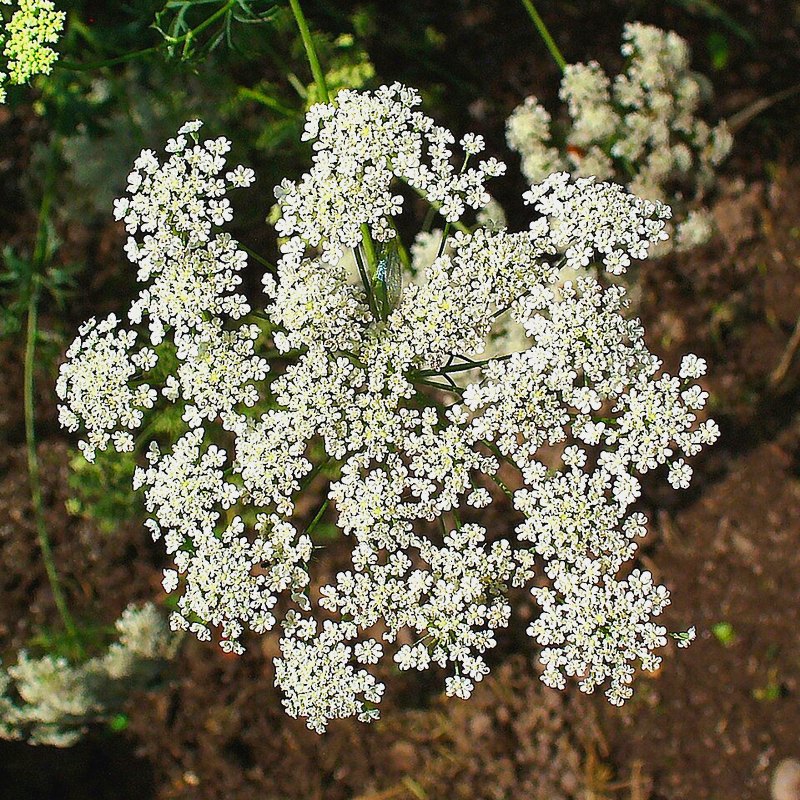

Plant in May 86
Young plants, sets, tubers and bulbs into the ground.
🥕 Vegetables 35

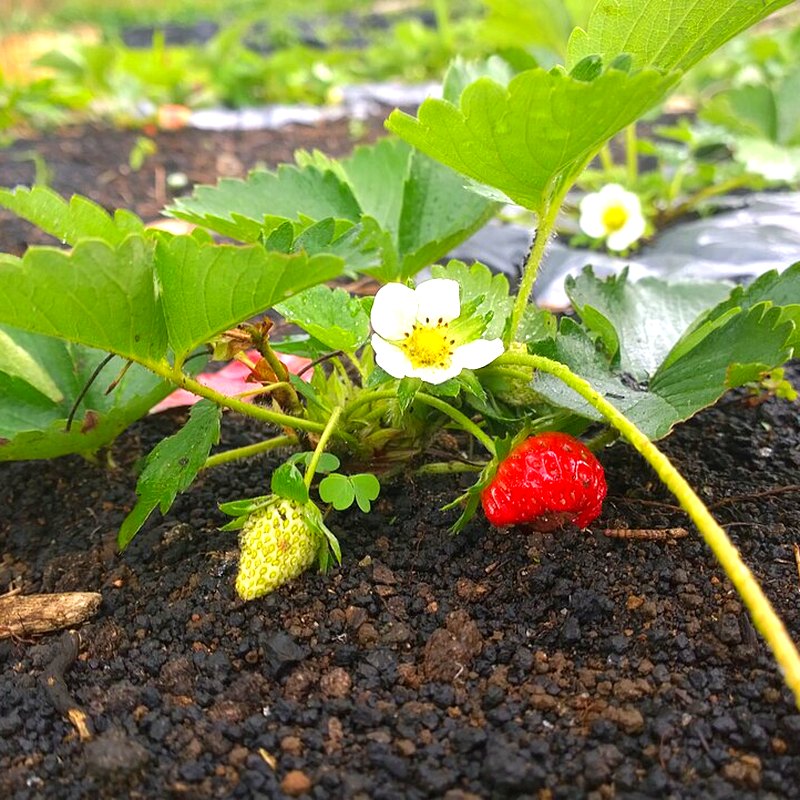
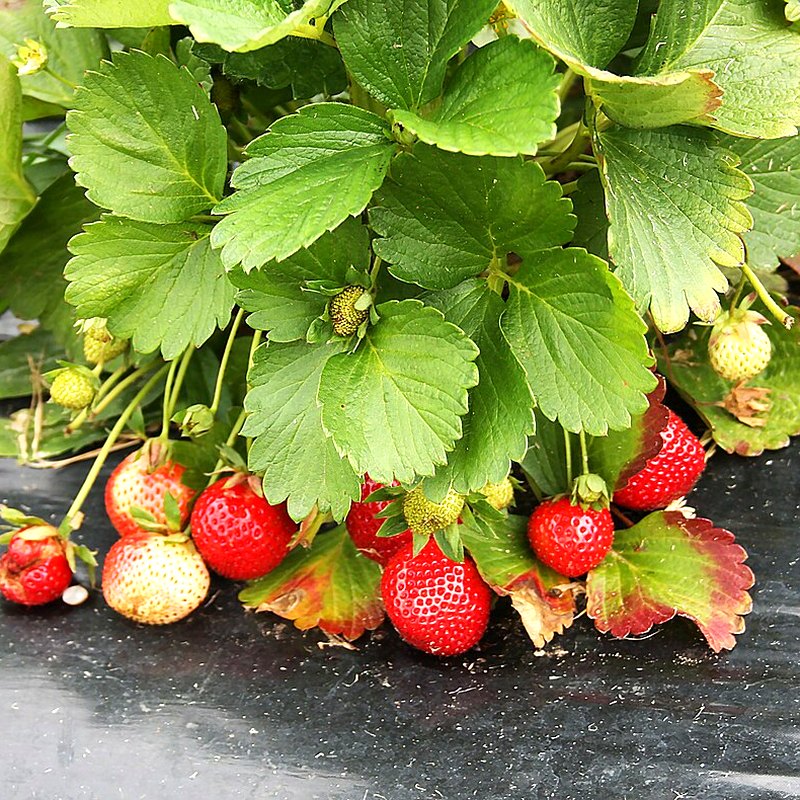
🍓 Fruit 8
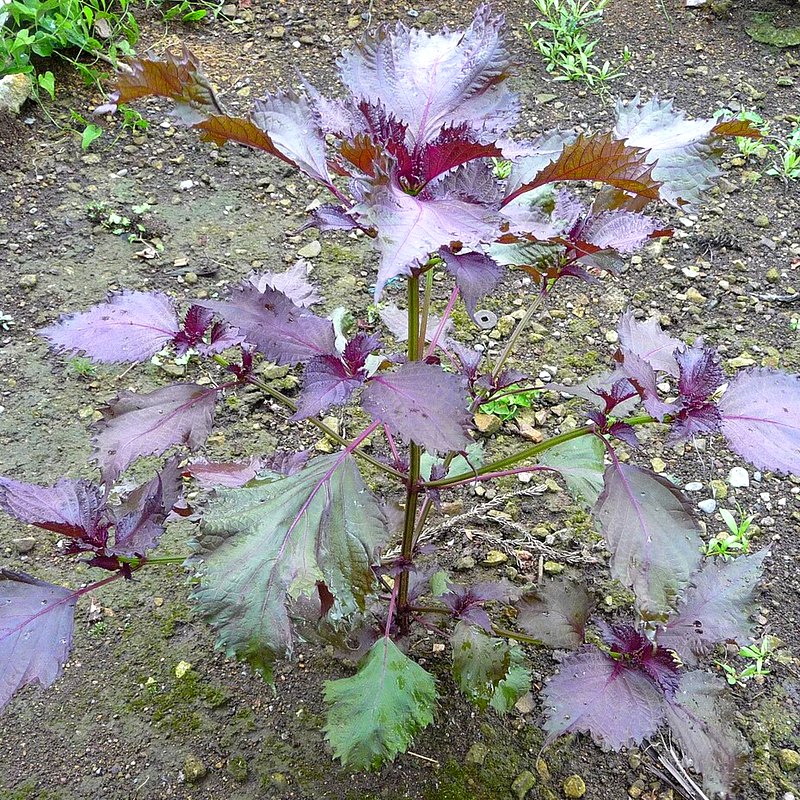
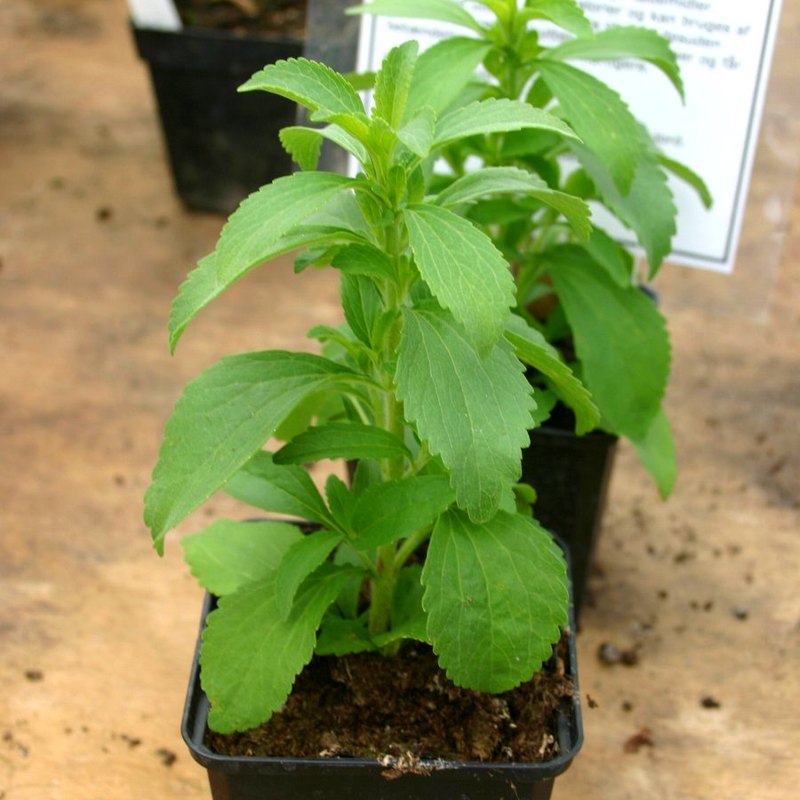
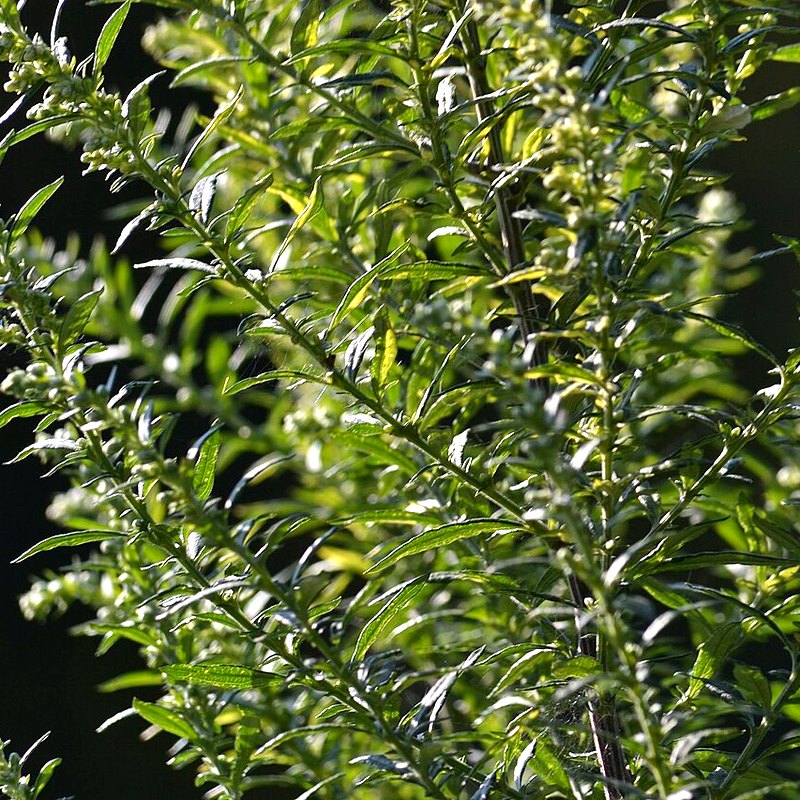
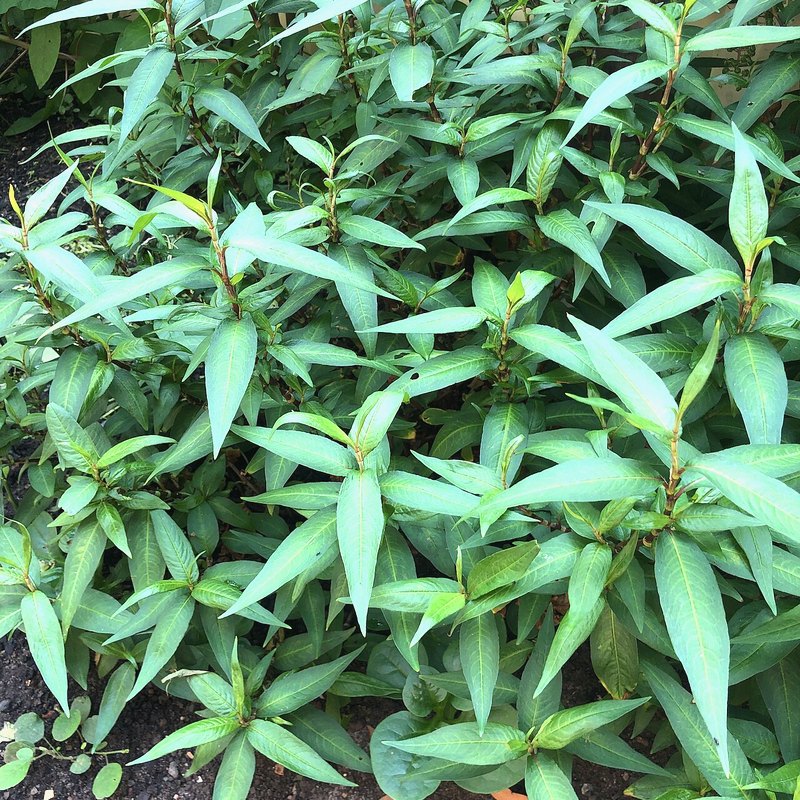
🌿 Herbs 8
🌸 Flowers 35



Ready to harvest in May 52
What you can be picking or lifting this month.
🥕 Vegetables 31
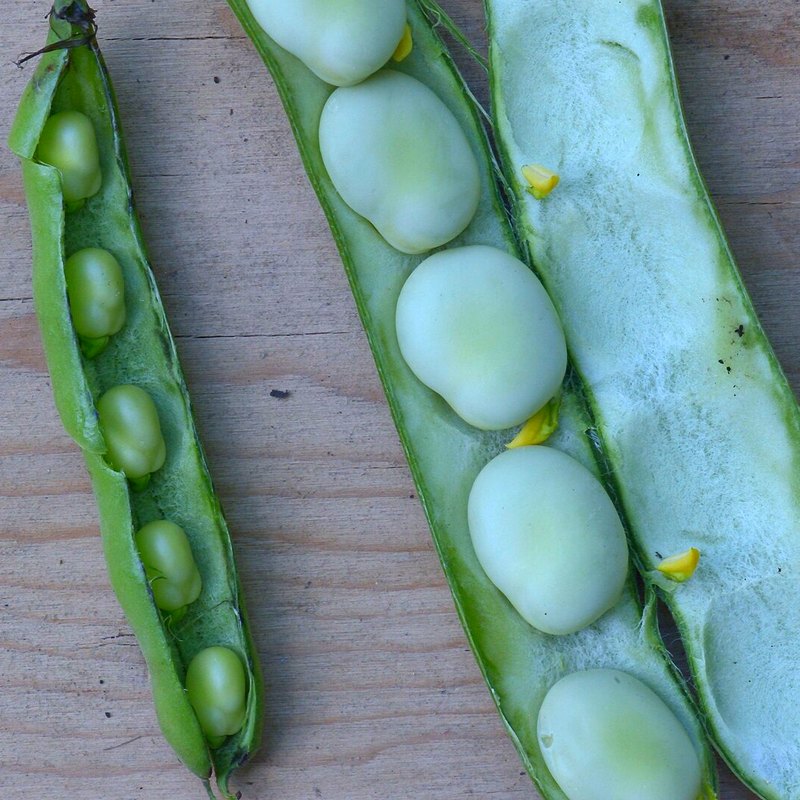
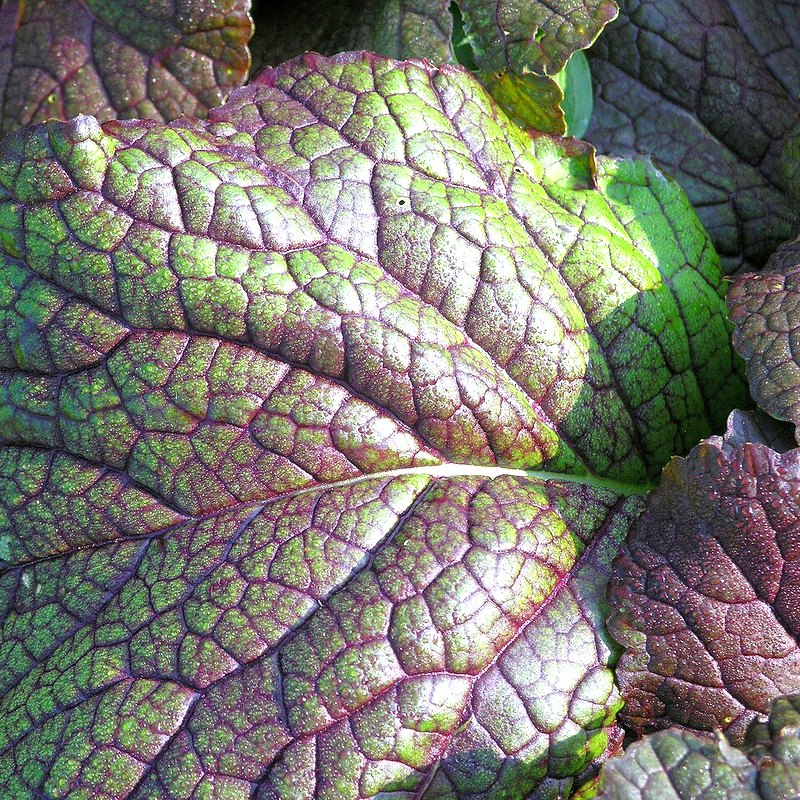
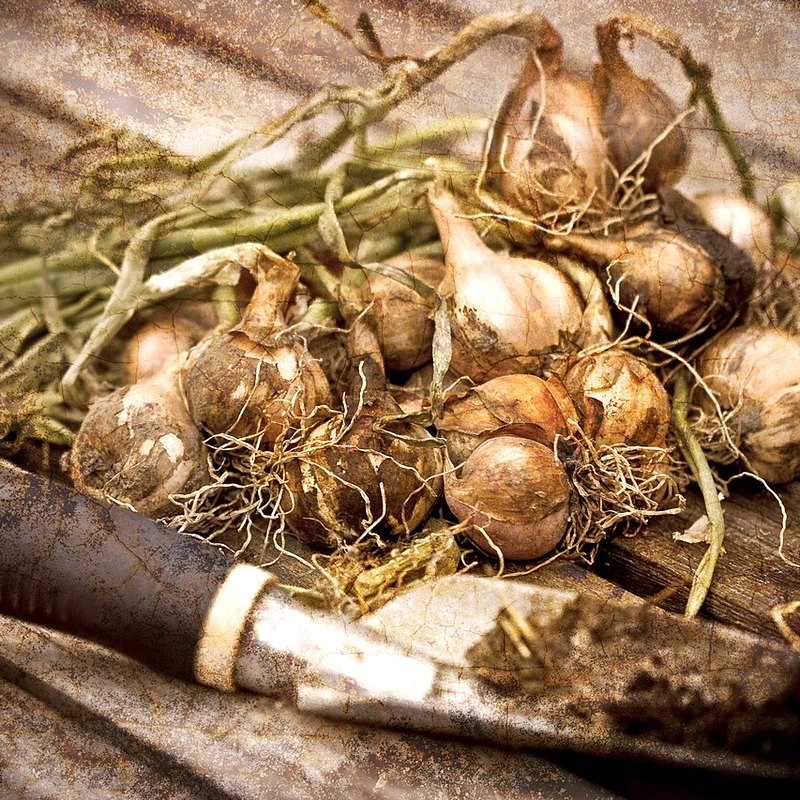
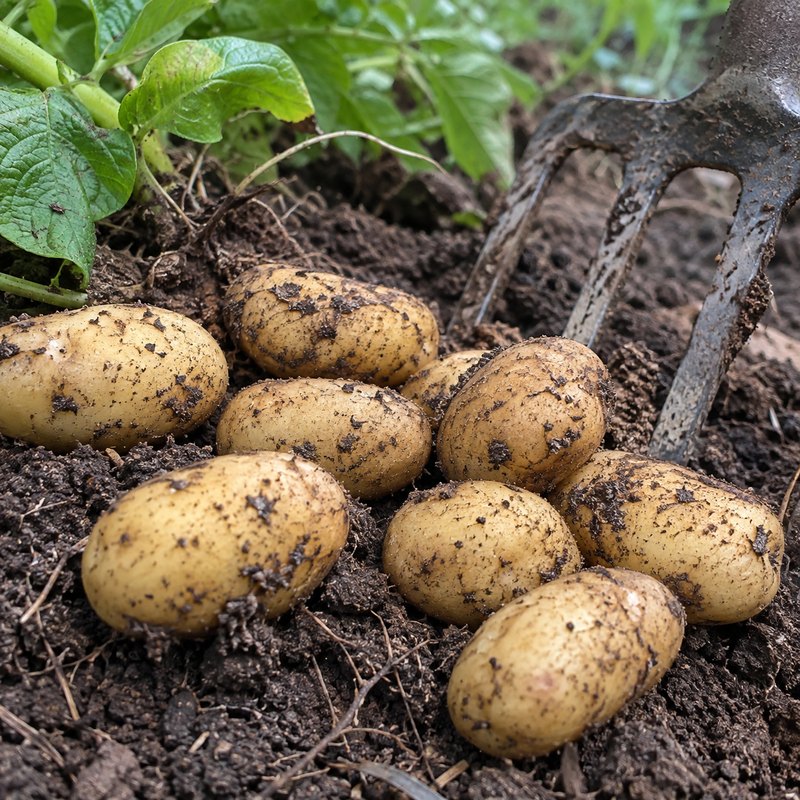
🍓 Fruit 1
🌿 Herbs 19
🌸 Flowers 1
Jobs for established plants in May
- Check for Scab and MildewApple (Cox's Orange Pippin)
Cox is prone to scab and powdery mildew. Remove mildewed shoot tips and clear fallen leaves.
- Thin Apricot FruitApricot
If fruit set is heavy, thin fruits to 5-10cm apart to encourage larger, healthier apricots and prevent branch breakage.
- Trim After FloweringAubrieta
Shear the whole plant back hard after flowering to keep it compact and stop it going bald in the middle.
- DeadheadAzalea (Japanese Evergreen)
Pinch off faded flowers carefully.
- Trim After FloweringBergenia (Elephant's Ears)
Cut off flower stems and any tatty or brown leaves.
- Deadhead and FeedBluebell (English)
Snap off faded flower heads (not the leaves) and give a high-potash feed to build up the bulb for next year.
- Light PruneCamellia (japonica)
Trim straggly shoots straight after flowering.
- Refresh Mulch LayerCherry (Stella)
Top up the mulch layer around the tree to conserve moisture, suppress weeds, and regulate soil temperature.
- Pinch Out TipsChrysanthemum (Hardy Garden)
Pinch the shoot tips once or twice before July for bushier plants with more flowers.
- Let the Leaves Die BackDaffodil (Tête-à-Tête)
Leave the foliage for at least six weeks after flowering, until it yellows — don't knot or cut it. Then tidy it away.
- Stake the SpikesDelphinium (Pacific Giant)
Put in tall canes and tie the stems loosely every 30 cm — they snap in wind.
- Pinch the CandlesDwarf Mountain Pine
Pinch the new "candles" back by half in late spring to keep it dense.
- Trim to ShapeEuonymus (Emerald 'n' Gold)
Trim lightly to shape; remove any shoots that turn plain green.
- Spring Pest/Disease CheckFig (Brown Turkey)
Inspect for early signs of pests or diseases as new growth emerges.
- Thin the FruitGooseberry (Invicta)
Pick every other berry for cooking — the rest grow bigger and sweeter.
- Deadhead and FeedGrape Hyacinth
Snap off faded flower heads (not the leaves) and give a high-potash feed to build up the bulb for next year.
- Train New ShootsGrape Vine (Phoenix)
Tie in shoots along the wires; keep one shoot per spur and rub out the rest.
- Spring MulchHardy Hibiscus
Mulch with compost once the soil warms up.
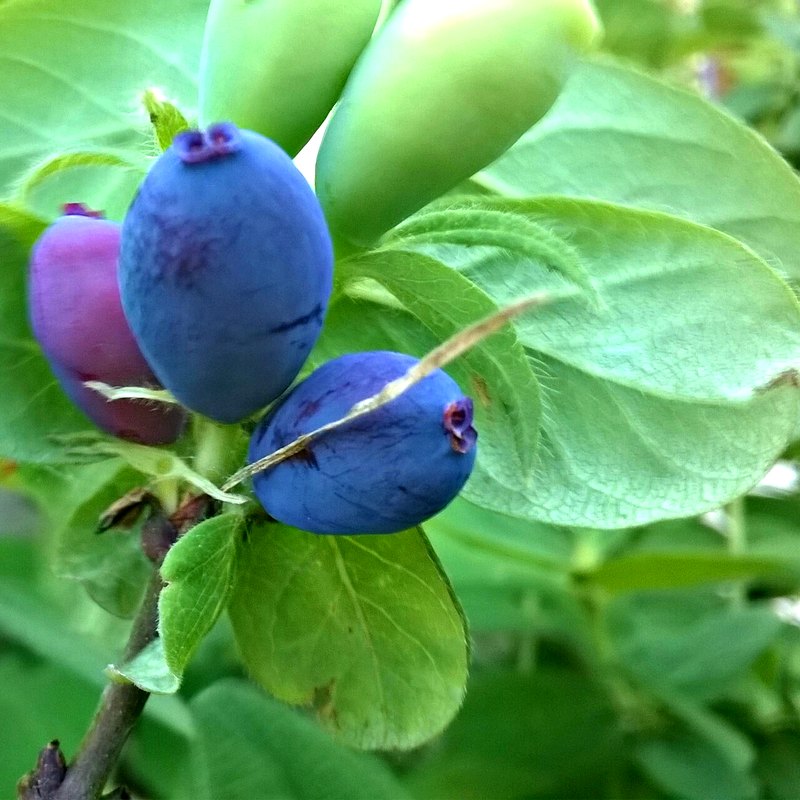
- Net Against BirdsHoneyberry (Haskap)
Net the bushes as the berries turn blue.
- Tie In New ShootsHoneysuckle (Graham Thomas)
Tie in new shoots to the support and remove any that go the wrong way.
- Deadhead and FeedHyacinth (Mixed)
Snap off faded flower heads (not the leaves) and give a high-potash feed to build up the bulb for next year.
- FeedHydrangea (Mophead)
Apply a general feed (or a "blueing" feed for blue flowers on acid soil).
- Tie In New ShootsJasmine (Common White)
Tie in new growth to the trellis or wires.
- Check for Lily BeetlesLily (Stargazer)
Look for bright red lily beetles and their larvae on leaves; pick them off daily.
- Trim After FloweringLungwort (Pulmonaria)
Cut the old flowered stems and leaves to the ground; a fresh, mildew-free rosette follows.
- Check for Lupin AphidsLupin (Gallery Mixed)
Look for grey, waxy lupin aphids on the stems; hose them off.
- Chelsea Chop (Optional)Michaelmas Daisy
Cut stems back by a third for shorter, sturdier plants that do not need staking.
- Check for Mint RustMint (Spearmint)
Orange spots on the leaves are mint rust: cut affected stems to the ground and bin them.
- Tie In ShootsPassion Flower (Blue)
Tie in new shoots to the trellis or wires.
- Feed WeeklyPassion Fruit
Feed every week with tomato feed from late spring to early autumn.
- Thin FruitPeach (Peregrine)
Once fruit has set and is about 1-2cm in diameter, thin them to encourage larger, healthier peaches.
- Trim for Red ShootsPhotinia (Red Robin)
Trim new growth to keep it compact; it sends out a second flush of red shoots.
- Trim After FloweringPieris (Forest Flame)
Snip off faded flowers.
- Divide Big ClumpsPolyanthus (Primula)
After flowering, lift and divide crowded clumps and replant in a shady, moist spot.
- Move OutsidePomegranate (Provence)
Once frosts are over, move the pot to the sunniest, most sheltered spot you have.
- Tie In New CanesRaspberry (Glen Ample)
Tie new canes to the support wires; remove weak ones and suckers far from the row.
- Remove Flower StalksRhubarb (Timperley Early)
Cut out any flower spikes at the base.
- Check for Blackspot and AphidsRose (English Shrub)
Pick off leaves with black spots and squash aphid clusters on the buds.
- Check for Blackspot and AphidsRose (Floribunda, Bush)
Pick off leaves with black spots and squash aphid clusters on the buds.
- Trim After FloweringRosemary
Lightly trim after the spring flowers to keep it compact. Never cut into bare old wood.
- Let the Leaves Die BackSaffron Crocus
Leave the leaves until they yellow in late spring, then tidy them away. Lift and divide crowded clumps every 3–4 years in summer.
- Chelsea Chop (Optional)Sedum (Autumn Joy)
Cut stems back by a third so they do not flop open later.
- Add SupportShasta Daisy
Push in twiggy sticks or a ring support before the stems get tall.
- Deadhead and FeedSnake's Head Fritillary
Snap off faded flower heads (not the leaves) and give a high-potash feed to build up the bulb for next year.
- Tie In New ShootsStar Jasmine
Tie the new shoots to the trellis or wires.
- Tuck Straw Under PlantsStrawberry (Cambridge Favourite)
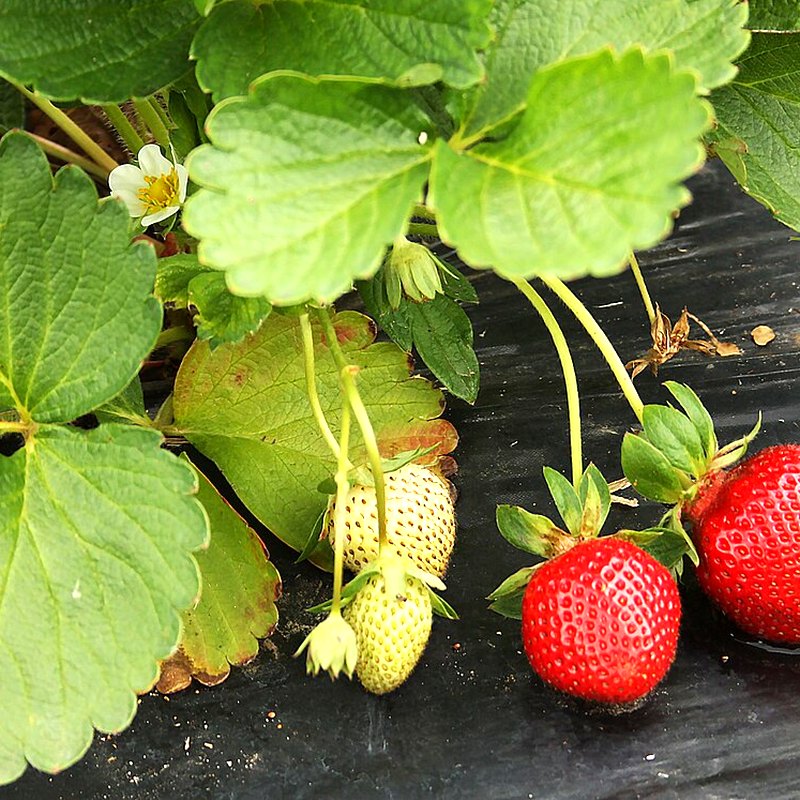
As fruits form, tuck straw or mats under them to keep berries clean and dry.
- Net Against BirdsStrawberry (Cambridge Favourite)
Net the plants before the fruit colours.
- Tuck Straw Under PlantsStrawberry (Elsanta)
As fruits form, tuck straw or strawberry mats under them to keep berries clean and dry.
- Net Against BirdsStrawberry (Elsanta)
Cover with netting before the fruit colours — blackbirds find them first.
- Tuck Straw Under PlantsStrawberry (Mara des Bois)
Put straw or mats under the plants to keep fruit clean.
- Deadhead and FeedTulip (Apricot Beauty)
Snap off faded flower heads (not the leaves) and give a high-potash feed to build up the bulb for next year.
- Spring FeedWater Lily (Hardy)
Push an aquatic fertiliser tablet into the basket compost.
- Divide Big ClumpsWater Lily (Hardy)
Every 3–4 years, lift the basket, cut the rhizome into pieces with a few leaves each and replant.
- Let the Leaves Die BackWindflower (Anemone blanda)
Leave the foliage for at least six weeks after flowering, until it yellows — don't knot or cut it. Then tidy it away.
Other months
What to sow in January, What to sow in February, What to sow in March, What to sow in April, What to sow in June, What to sow in July, What to sow in August, What to sow in September, What to sow in October, What to sow in November and What to sow in December.