PlantSowGrow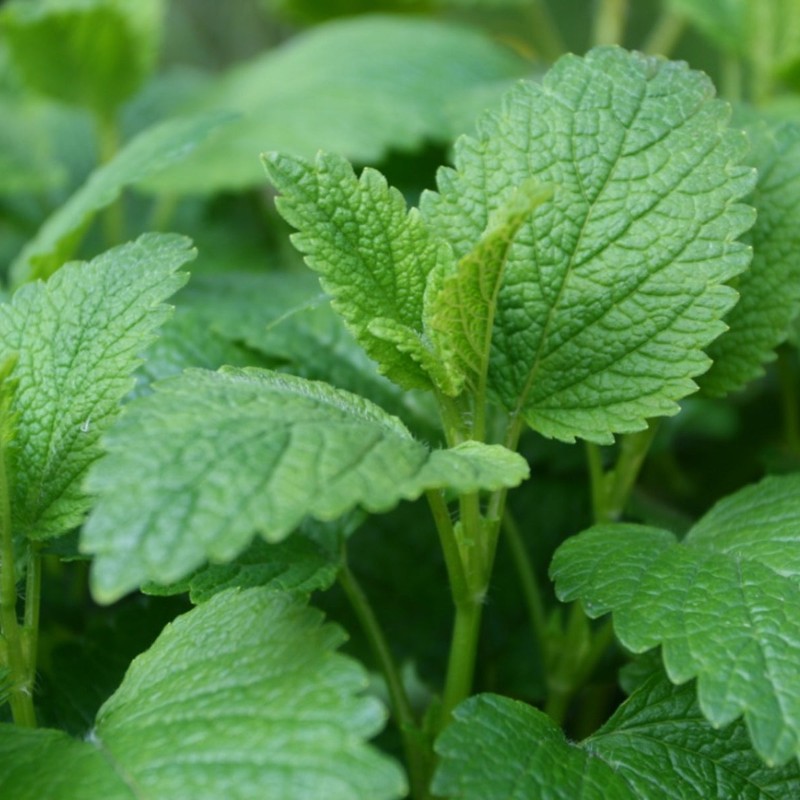
How to grow Lemon Balm
Melissa officinalis
Lemon Balm is a bushy perennial plant with oval shaped fragrant leaves that have a lemony taste with a hint of mint. It's a versatile kitchen herb for sweet and savoury dishes, and is valued for its calming and uplifting properties in aromatherapy and herbal teas. It belongs to the mint family, identified by its square stem, and spreads quickly, making it ideal for container growing. It dies down in winter and regrows in spring, reaching about 50cm tall and 45cm wide. Bees are attracted to its small white/pale lilac flowers, though it's best to prevent early flowering to maintain leaf flavor. Regular snipping encourages new growth. It self-seeds easily, so cut flowers before they go to seed if unwanted. Best used fresh, but can be frozen or dried for later use in cooking, teas, or pot-pourris.
At a glance: Sow late April to late May, harvest from early June.
When to sow, plant and harvest
Timed for a typical UK garden (last frost mid-April). The app uses your own town's frost dates.
Growing Lemon Balm: what it needs
- Light
- Full sun · 4+ hours a day
- Watering
- When soil surface is dry
- Soil
- Well-draining, fertile · pH 6.0–7.0
- Spacing
- 30cm apart
- In pots
- Grows well in containers
- Feeding
- Light feed with balanced liquid fertilizer in early spring.
- Harvest
- About 60 days from sowing
- Hardiness
- USDA zones 4–9
- Difficulty
- Easy
Step by step
- Late April – late May · 2 weeks after the last spring frost
Direct Sow Lemon Balm Seeds Outdoors (optional)
Sow seeds thinly directly into well-drained soil after all risk of frost has passed. Cover lightly with soil. Keep soil slightly moist.
- 7–21 days after “Sow Lemon Balm Seeds Indoors” · Early May – mid May
Check for Germination
Seedlings should emerge within 1-3 weeks. Keep soil slightly moist but avoid overwatering.
- 30–60 days after “Transplant Lemon Balm Outdoors” · Early June – early July
First Harvest of Lemon Balm
Begin regularly snipping young, fragrant leaves once the plant is established. This encourages bushier growth and prevents early flowering.
Every year
- MarchSpring Awakening & Feed
As new growth appears in spring, give a light feed with a balanced liquid fertilizer to encourage vigorous foliage. Check for any emerging pests.
- JuneRegular Harvest & Pruning
Harvest leaves regularly throughout summer to encourage continuous new growth. Snip off flower buds early in the season to maintain leaf flavor. Cut back leggy stems to promote bushiness.
- AugustLate Season Cut Back
If plants become overgrown or woody by late summer, cut them back hard to encourage a flush of fresh growth before autumn. Allow some flowers to bloom later for bees.
- OctoberAutumn Tidy Up
As the plant dies back, cut away any remaining dead or yellowing foliage. In colder regions, apply a layer of mulch around the base for winter protection.
Good companions
bees