 PlantSowGrow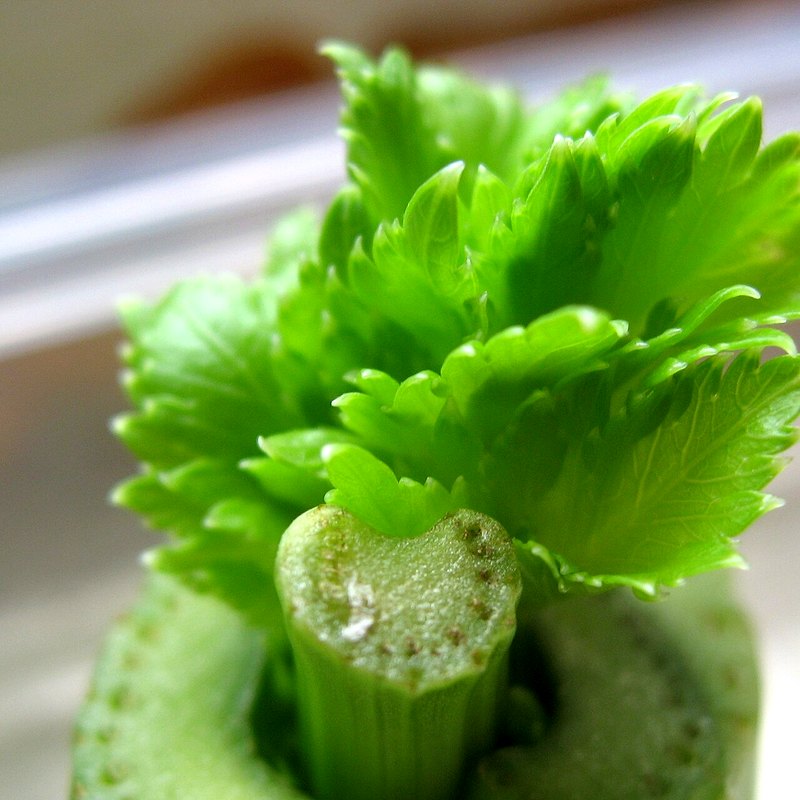
How to grow Celery (Golden Self-Blanching)
Apium graveolens var. dulce
Crisp, pale-yellow stems that blanch themselves when planted in a block — no trenching needed.
At a glance: Sow early February to early March, harvest from late July.
When to sow, plant and harvest
Timed for a typical UK garden (last frost mid-April). The app uses your own town's frost dates.
Growing Celery (Golden Self-Blanching): what it needs
- Light
- Full sun · 6+ hours a day
- Watering
- Water regularly in dry weather
- Soil
- Fertile, well-drained soil
- Spacing
- 25 cm in a block
- In pots
- Best in the ground
- Feeding
- A general feed before sowing or planting
- Harvest
- About 130 days from sowing
- Hardiness
- USDA zones 3–9
- Difficulty
- Intermediate
Step by step
- Early February – early March · 10 weeks before the last spring frost
Sow Seeds Indoors
Sow in modules or small pots of seed compost under cover. Surface-sow and keep at 15°C or more — cold seedlings bolt.
- 14–21 days after “Sow Seeds Indoors” · Mid February – late February
Check Germination
Seedlings should appear in 14–21 days. If sown outdoors, thin to 25 cm in a block apart when big enough to handle.
- 14–21 days after “Check Germination” · Early March – mid March
Pot On Seedlings
Move seedlings into 9 cm pots (or keep in modules) when they have their first true leaves.
- Mid April · 4 days after the last spring frost
Harden Off
Stand plants outside by day for 7–10 days before planting out.
- Late April – late May · 2 weeks after the last spring frost
Plant Out
Plant out 25 cm in a block apart and water in well.
- 14–21 days after “Plant Out” · Mid May
Water Generously
Celery needs constant moisture; water deeply twice a week in dry weather.
- 90–111 days after “Plant Out” · Late July – mid August
Start Harvesting
Lift whole plants from late summer, before hard frosts.
- 40–70 days after “Start Harvesting” · Early September – early October
Finish and Clear
Clear the remains to the compost heap once cropping ends.
.jpeg)