 PlantSowGrow
What to sow and plant in February
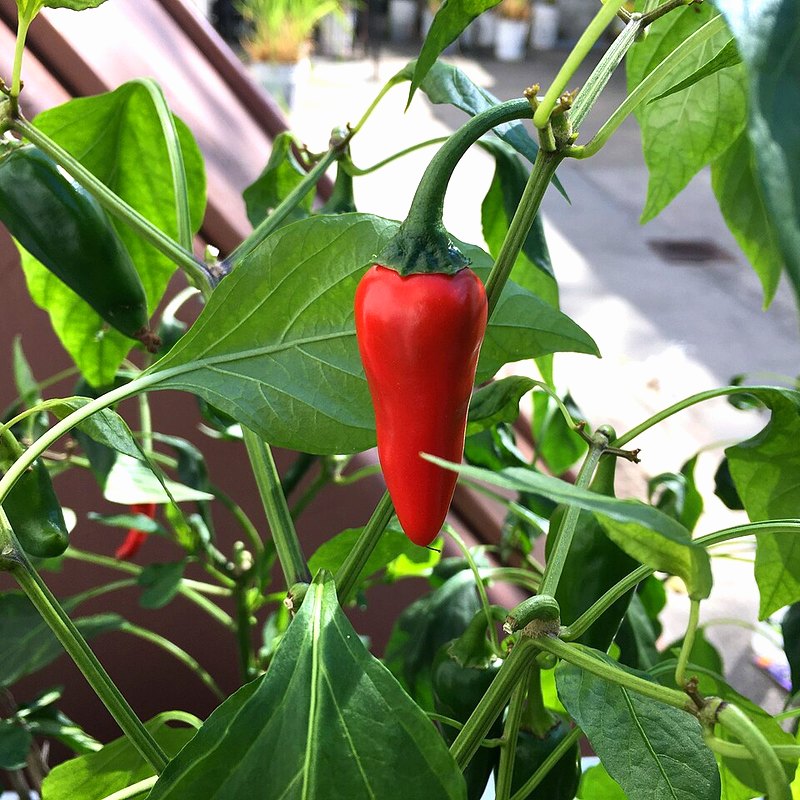
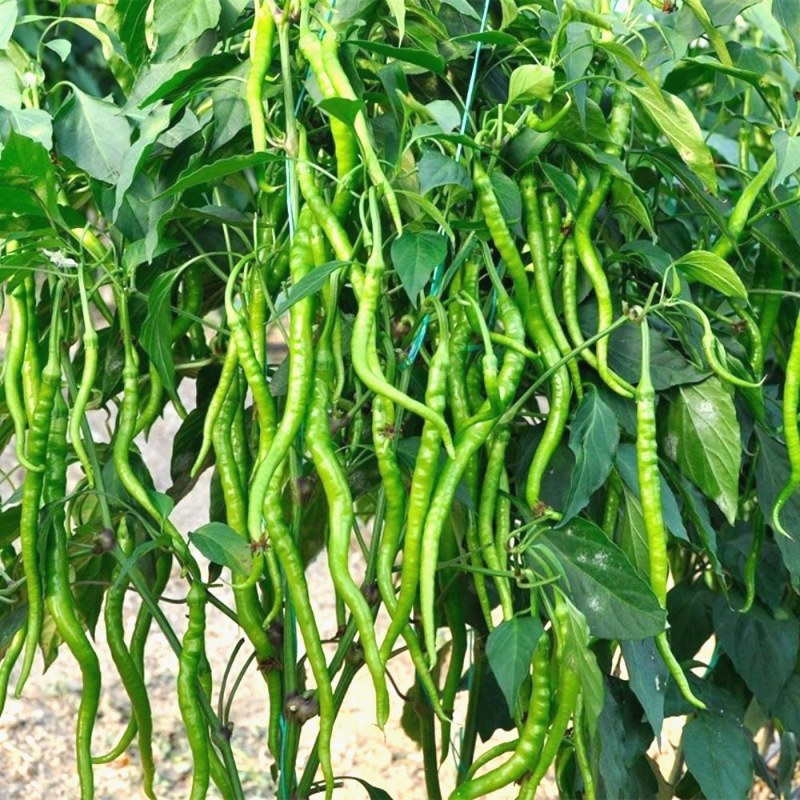
Days are lengthening and the sowing season starts indoors: peppers, chillies and aubergines need a long season, so they go in early on a warm windowsill. Outside, keep off wet soil and cover beds to warm them up.
Timed for a typical UK garden (last frost mid-April, first frost late October). The PlantSowGrow app dates every job from your own town's frost dates.
Sow indoors in February 40
On a windowsill, in a propagator or in a greenhouse.
🥕 Vegetables 19
🍓 Fruit 1
🌿 Herbs 3
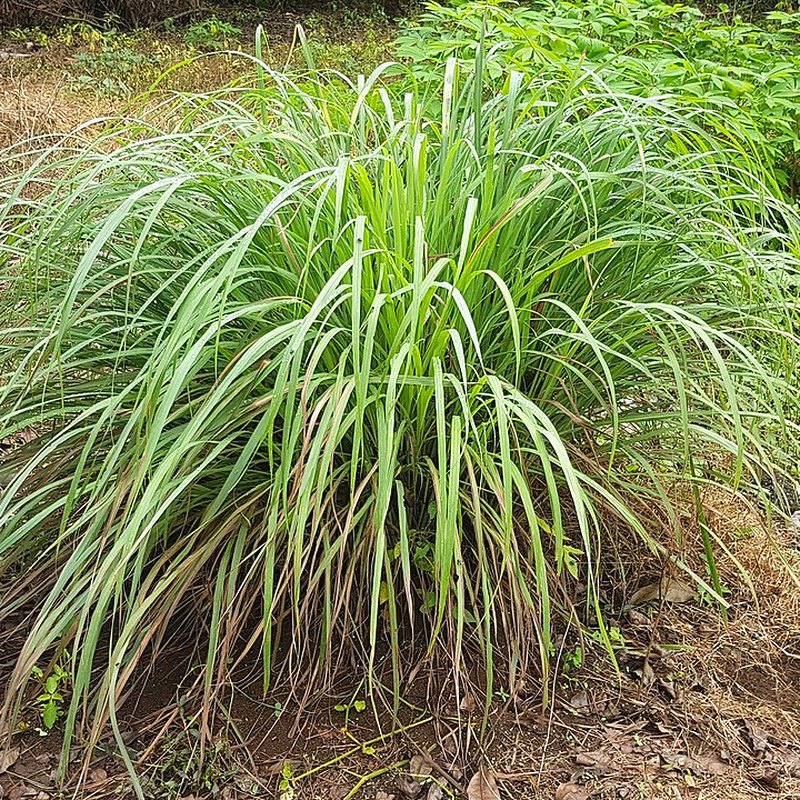
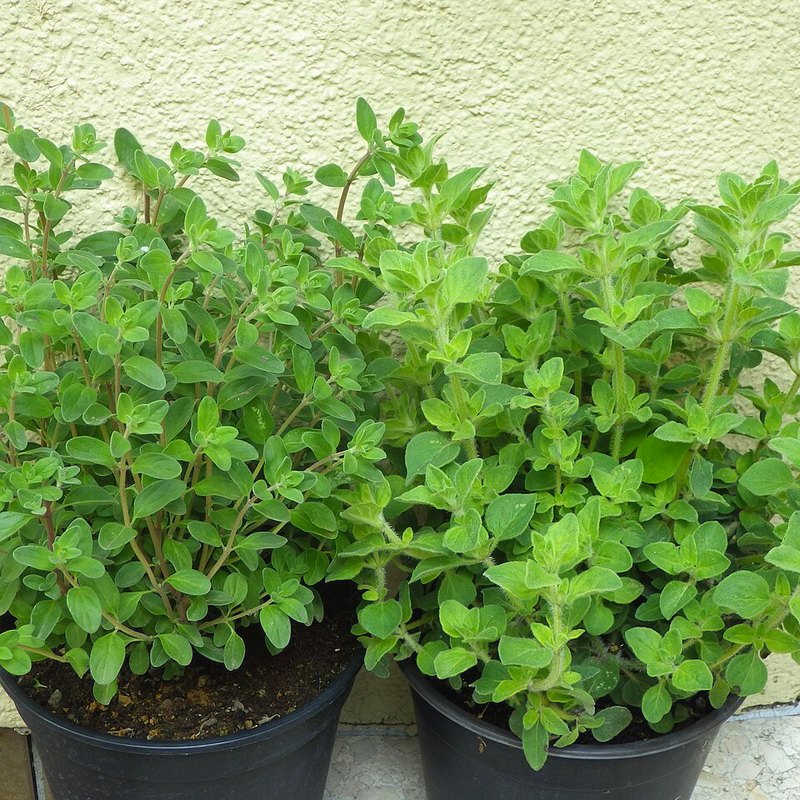
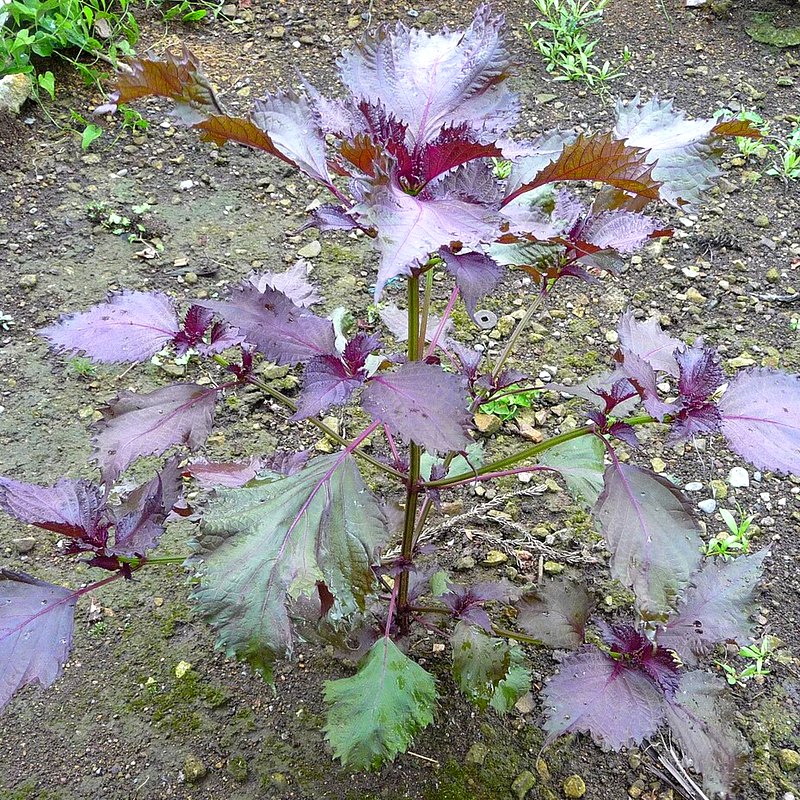
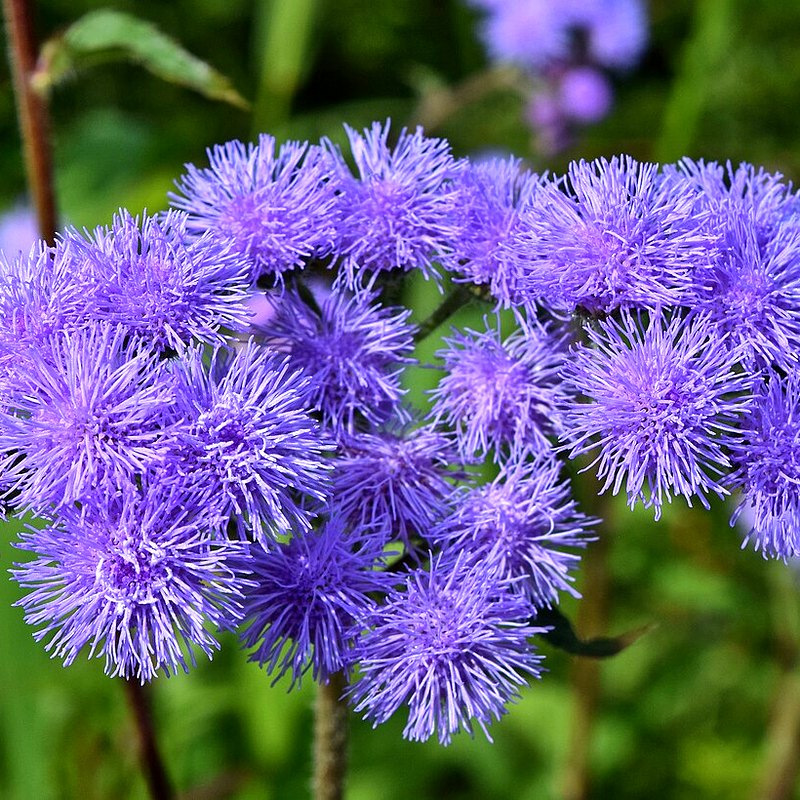
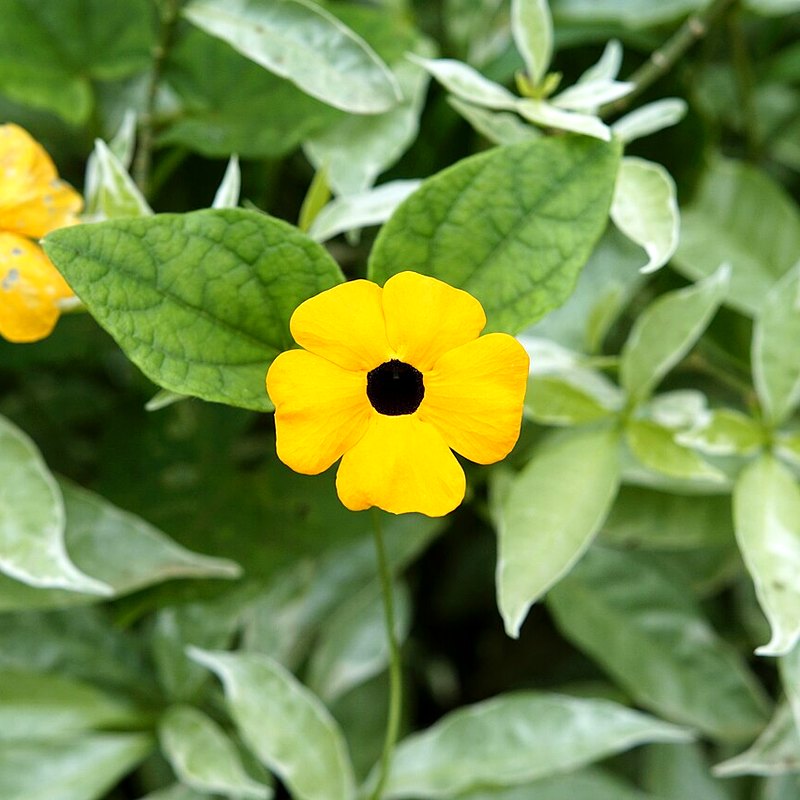
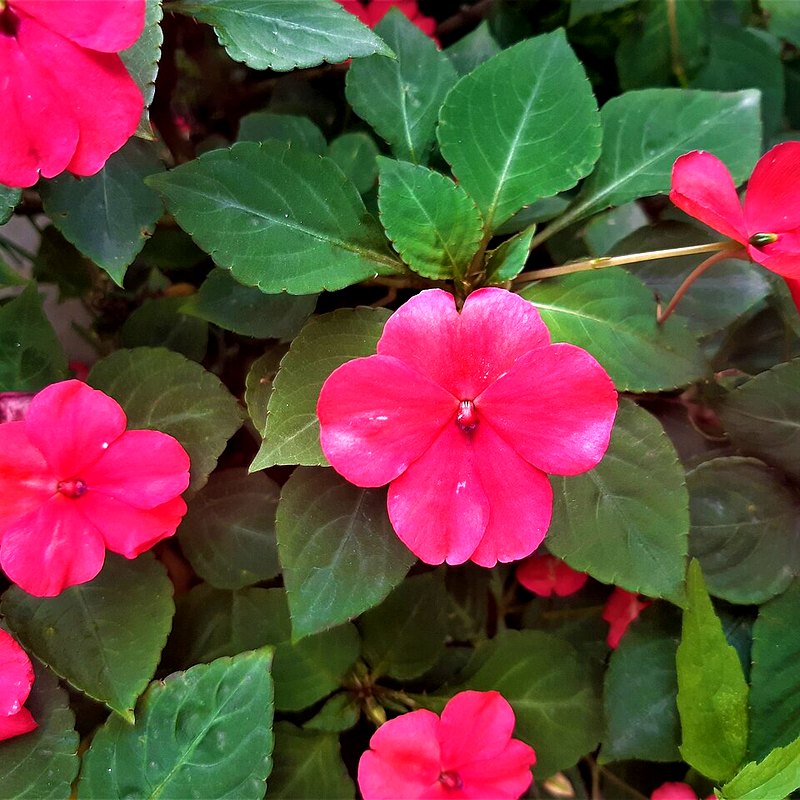
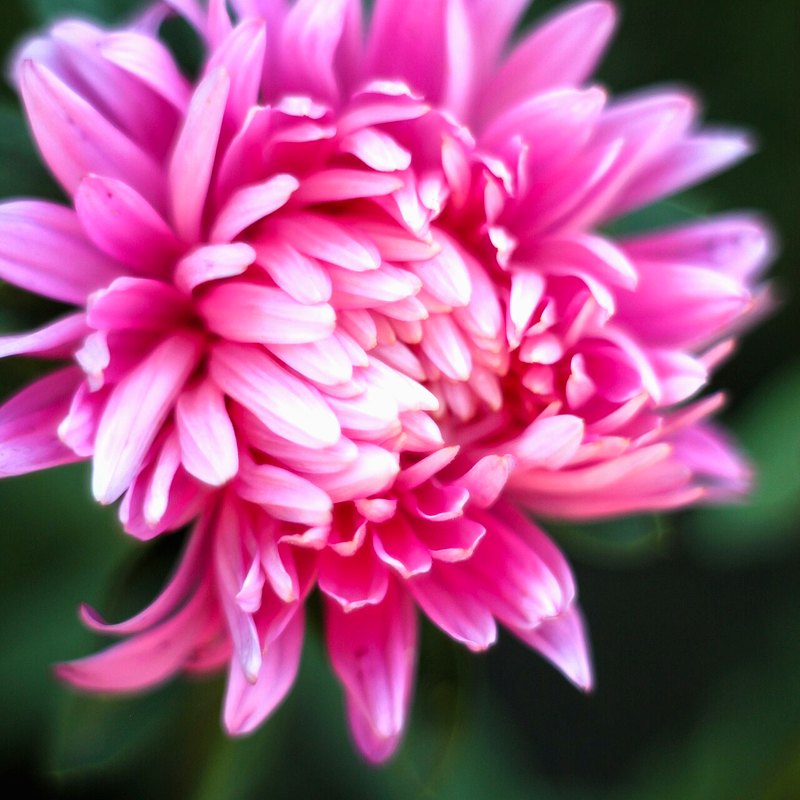
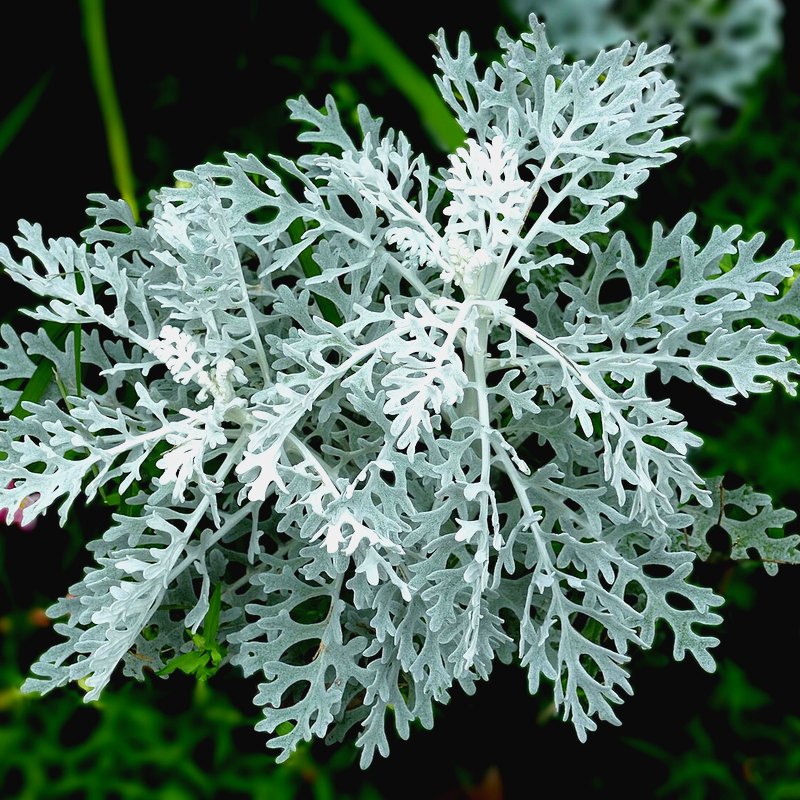
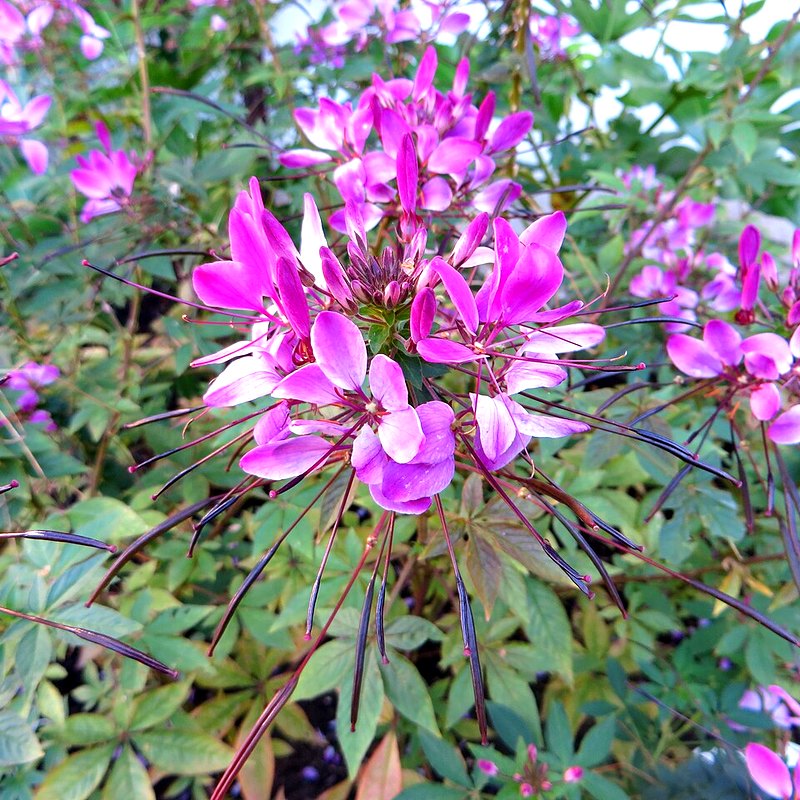
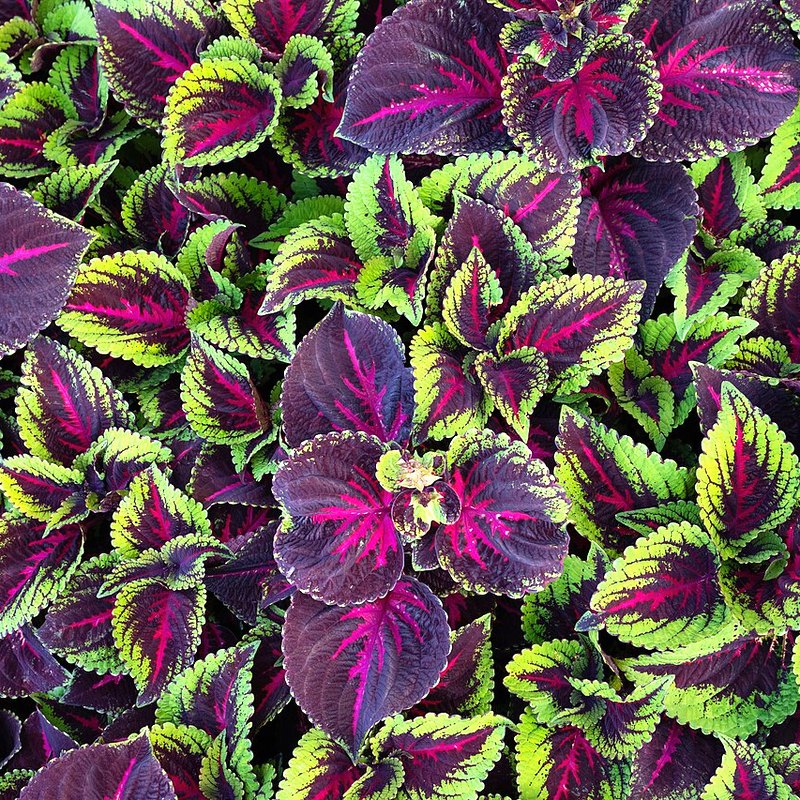
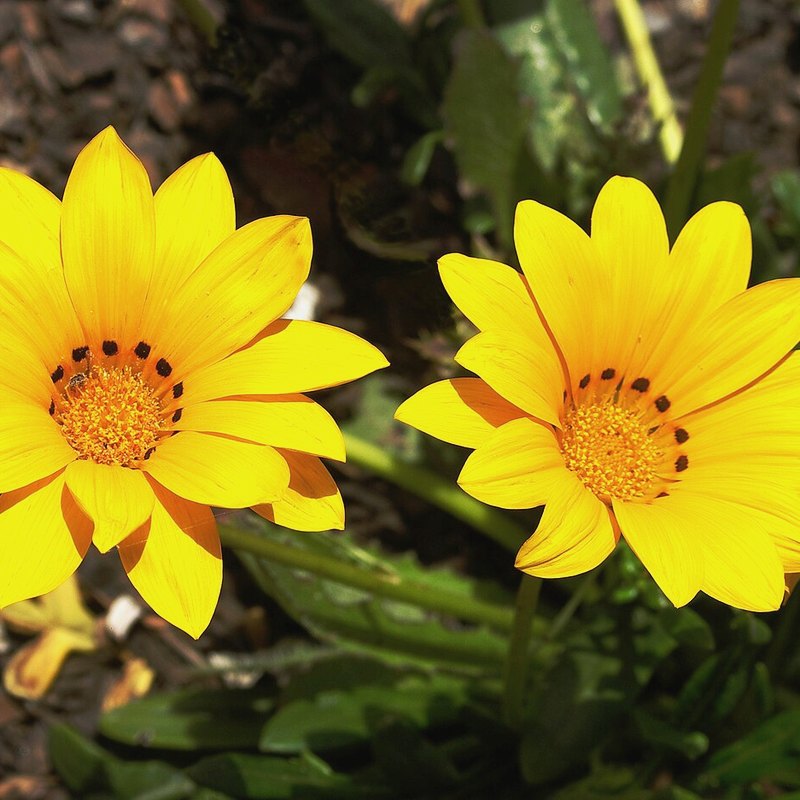
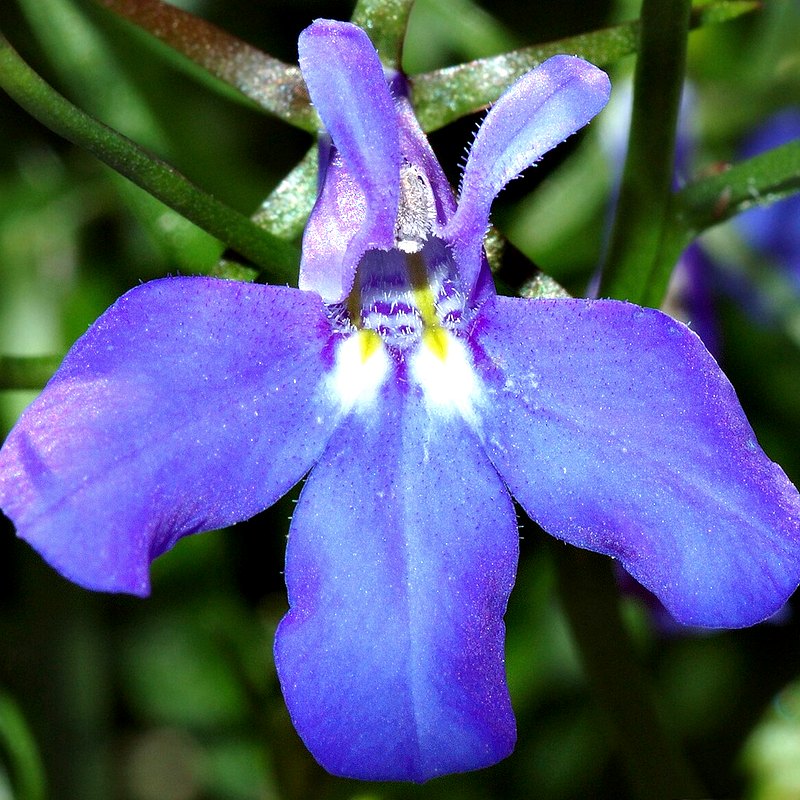
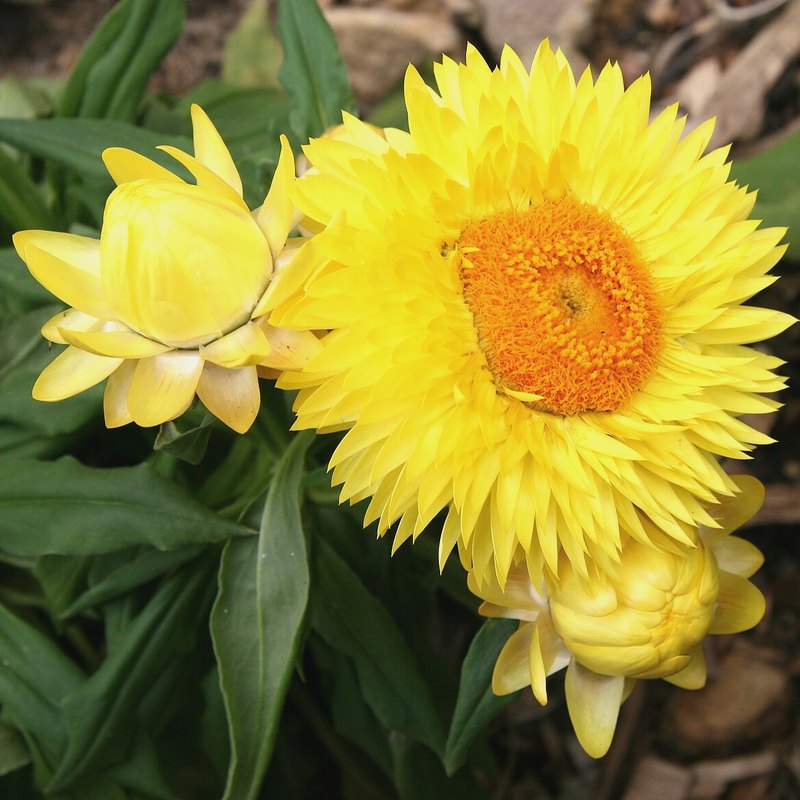
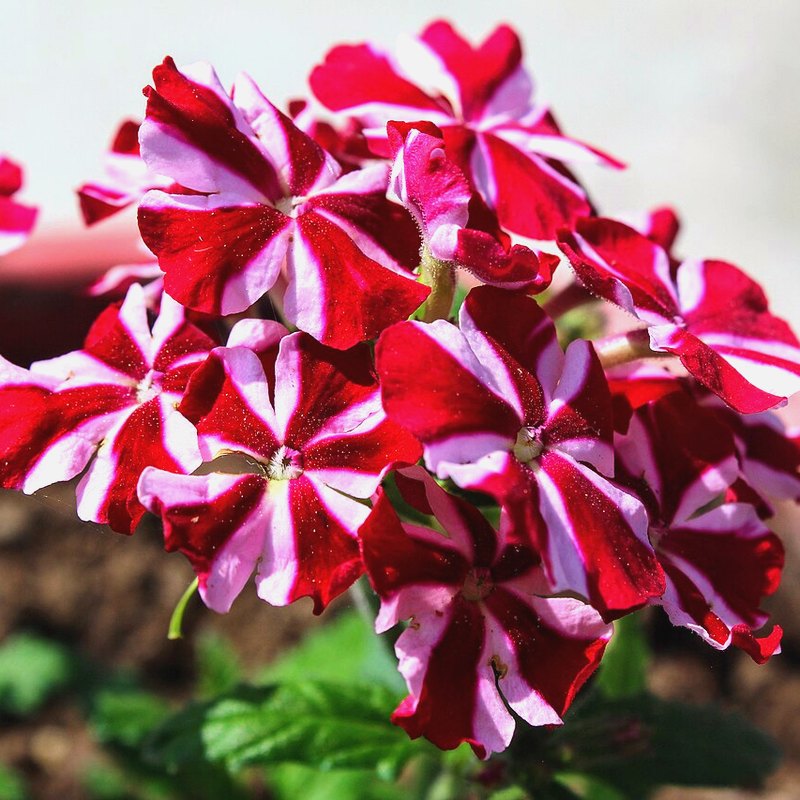
🌸 Flowers 17


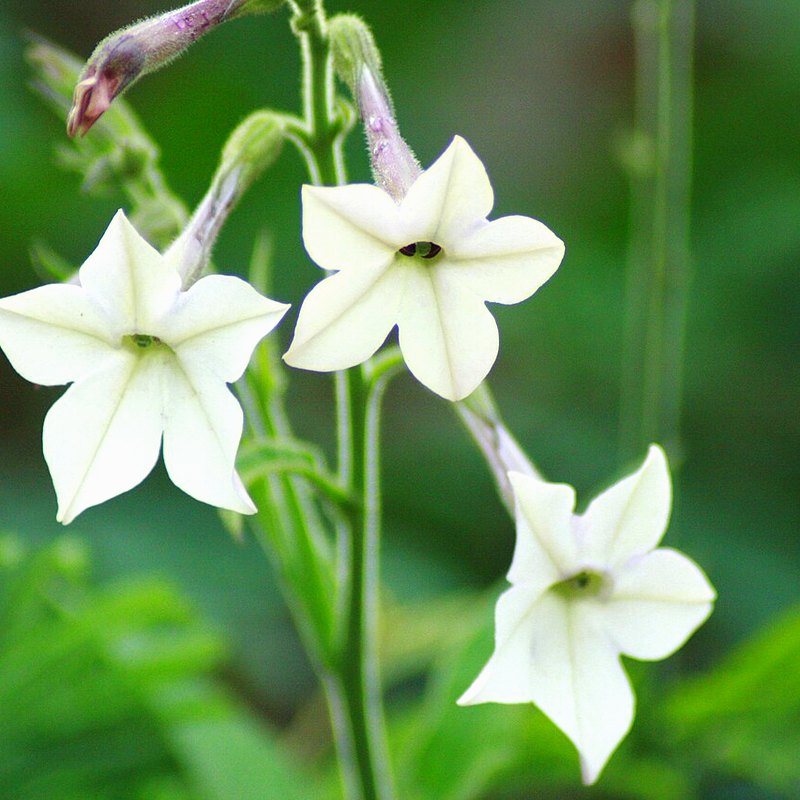
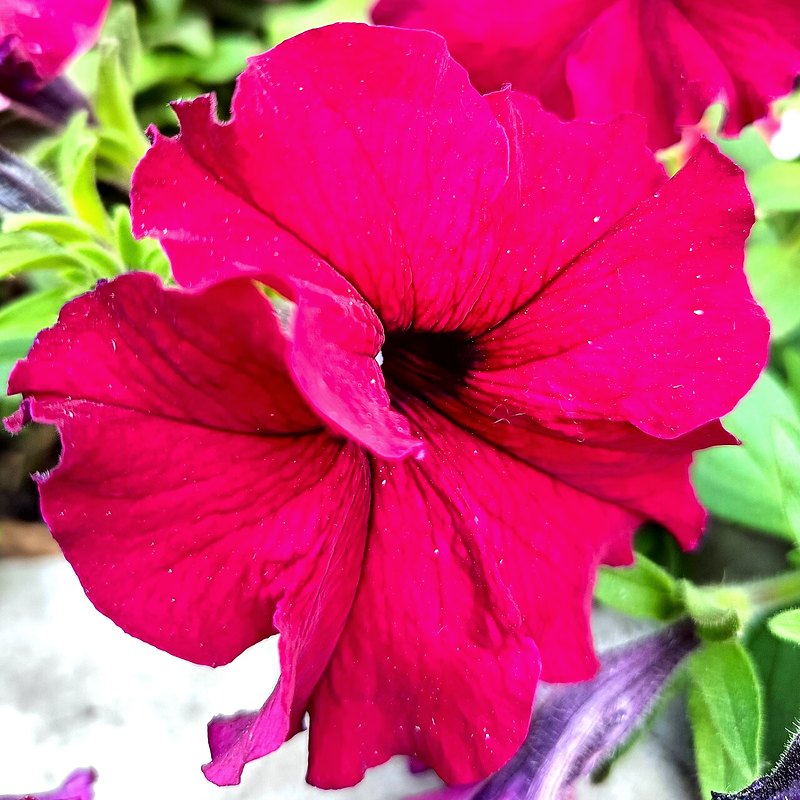
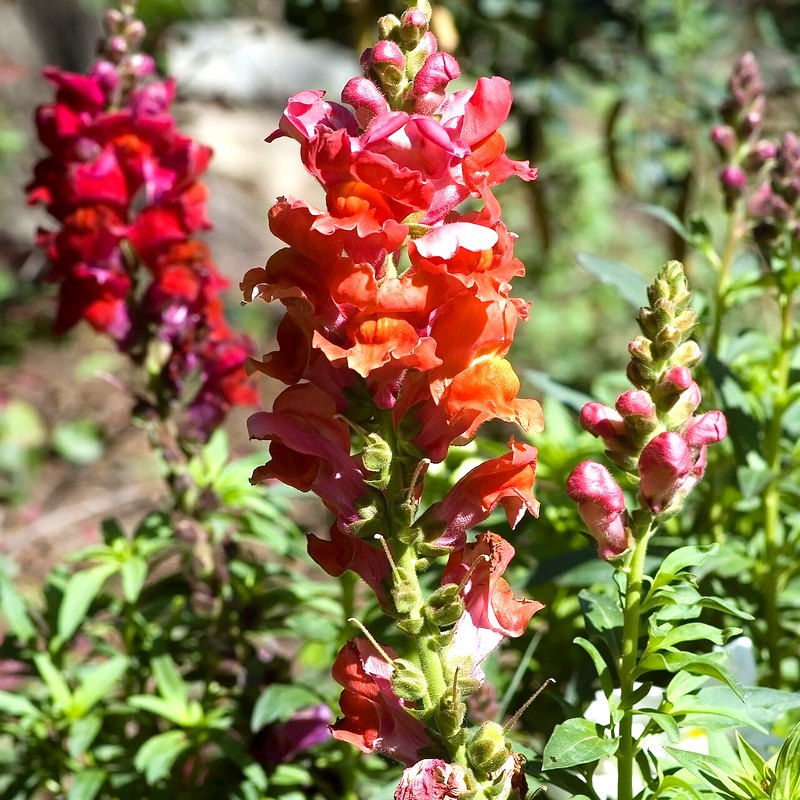
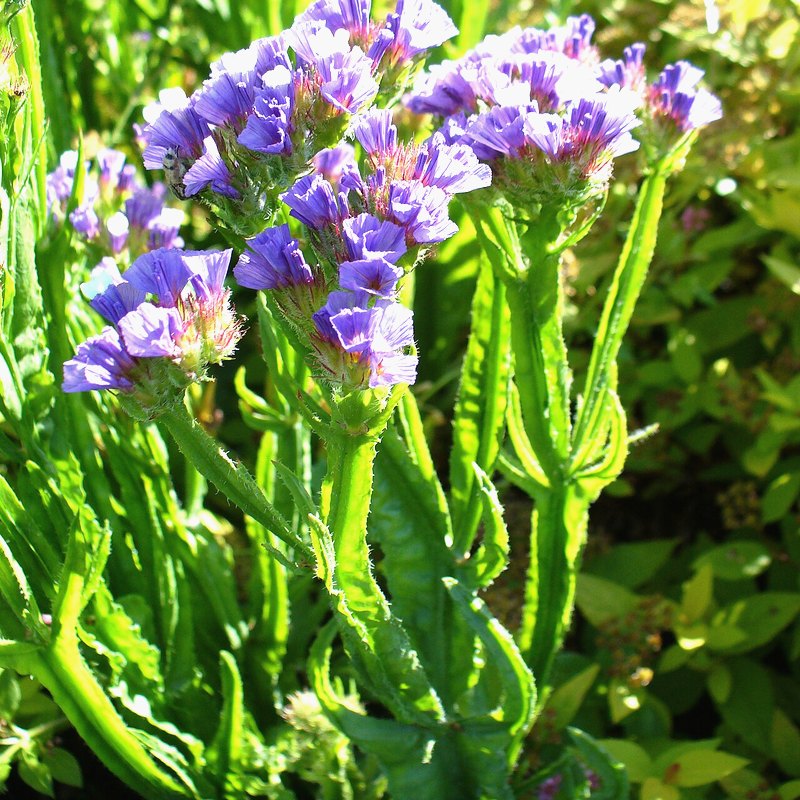
Sow outdoors in February 2
Straight into the ground, a raised bed or pots outside.
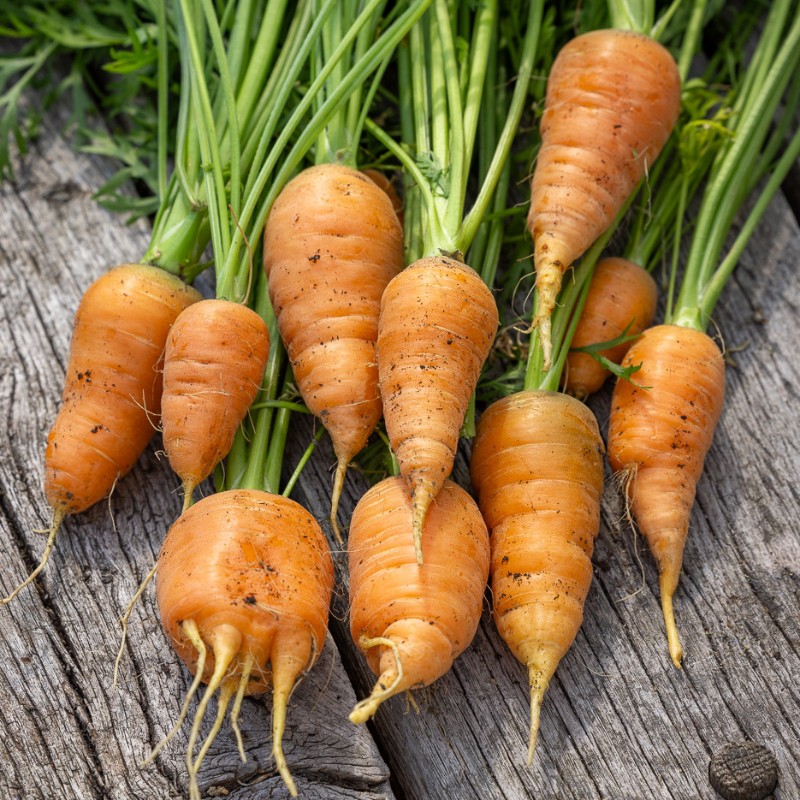
🥕 Vegetables 1
🌿 Herbs 1
Plant in February 5
Young plants, sets, tubers and bulbs into the ground.
🥕 Vegetables 3
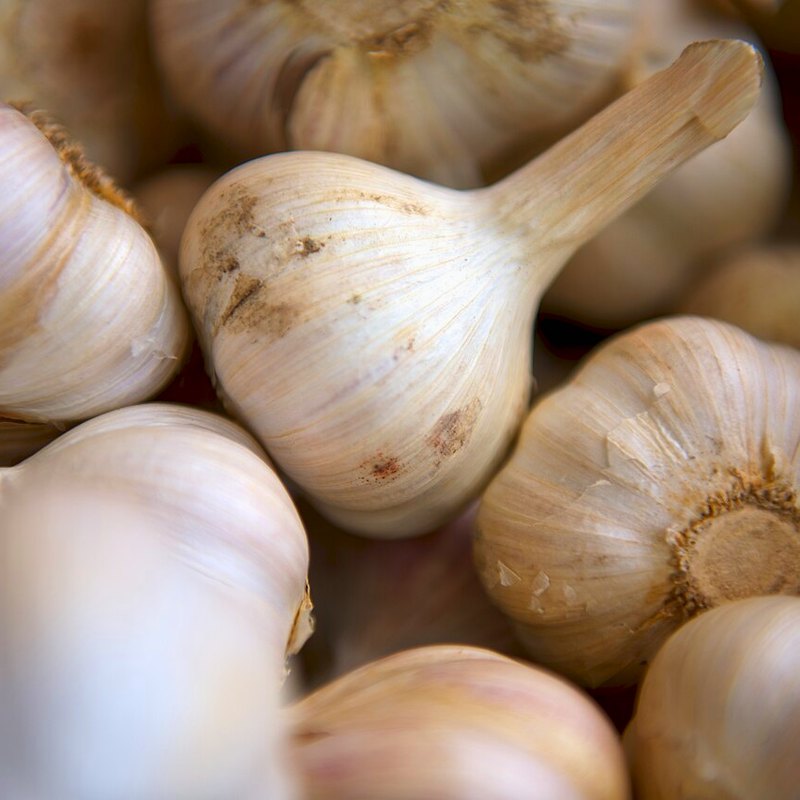
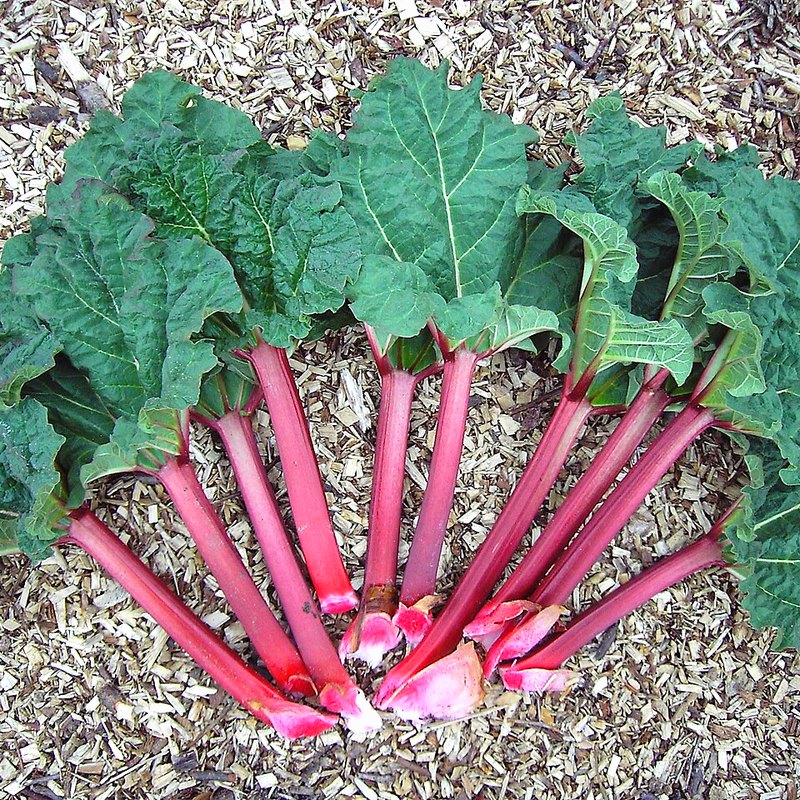
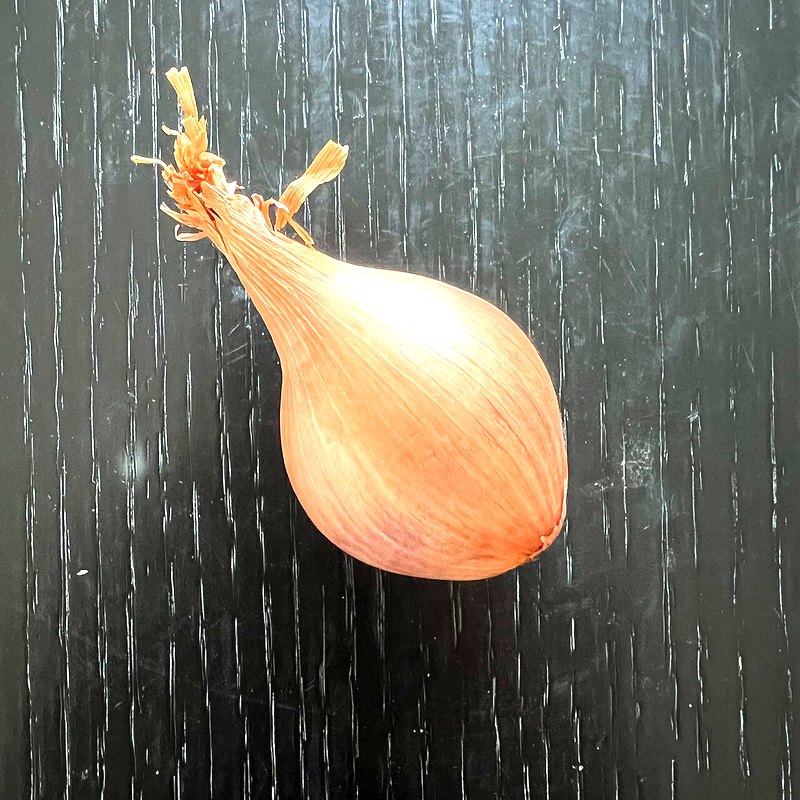
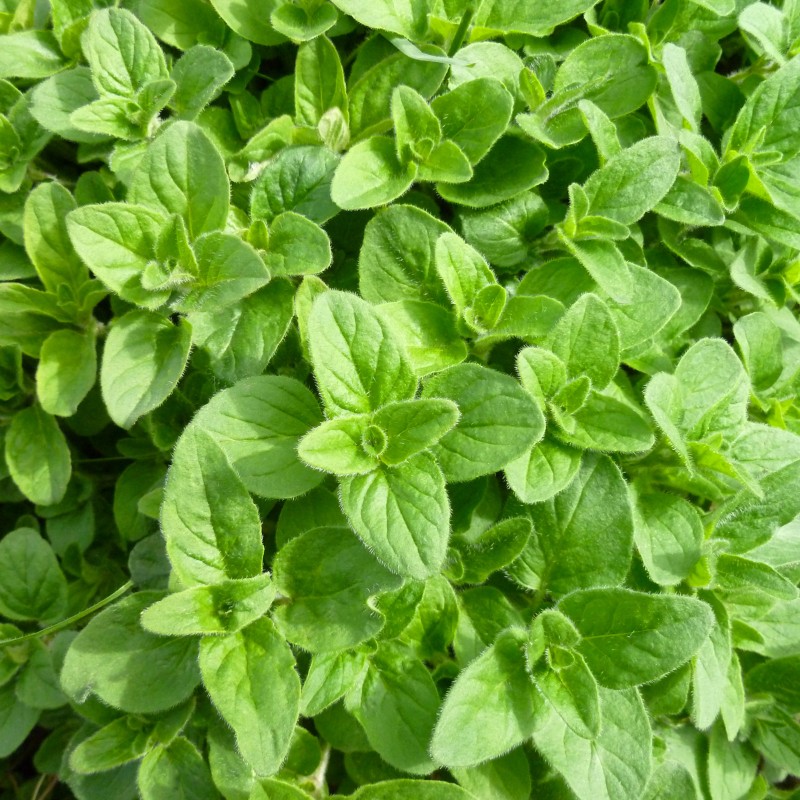
🌿 Herbs 2
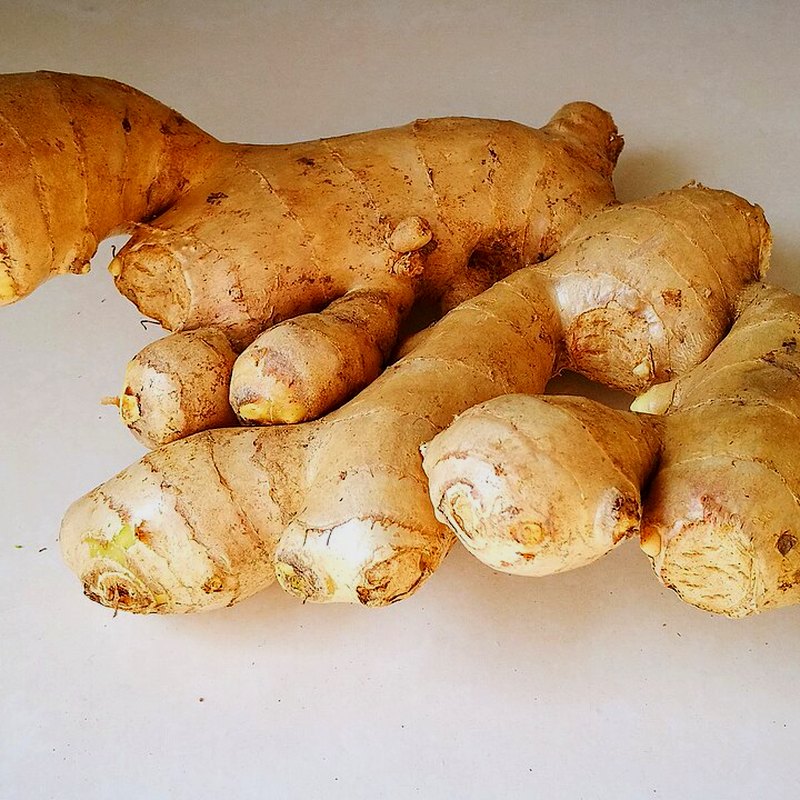
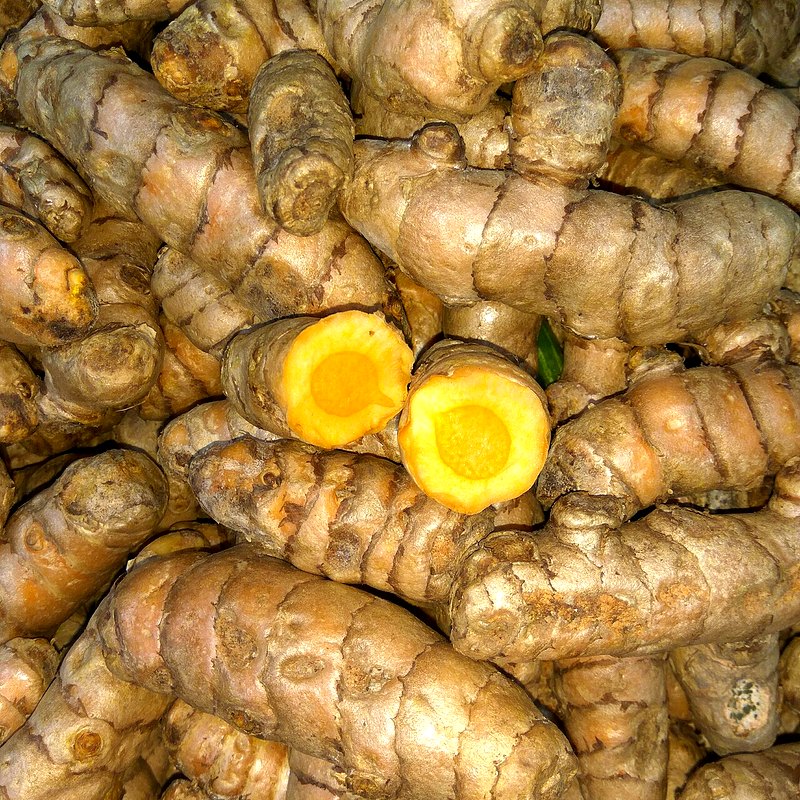
Ready to harvest in February 2
What you can be picking or lifting this month.
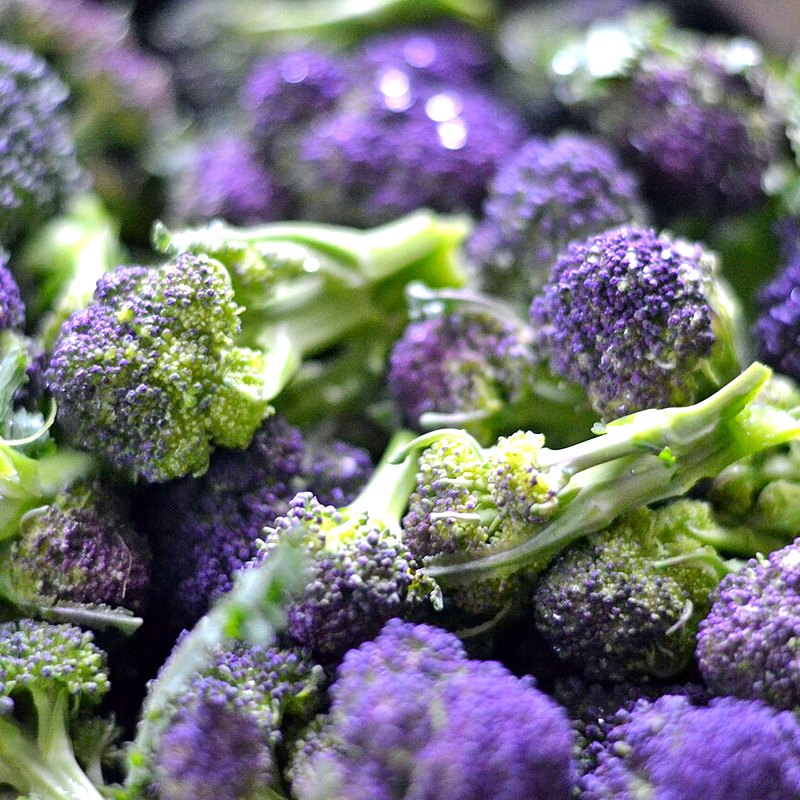
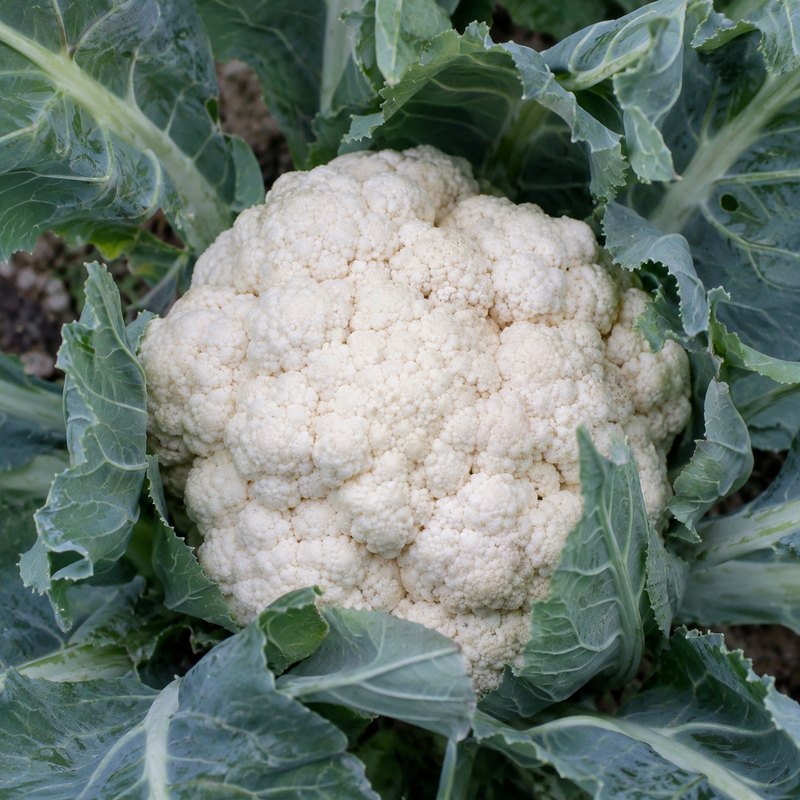
🥕 Vegetables 2
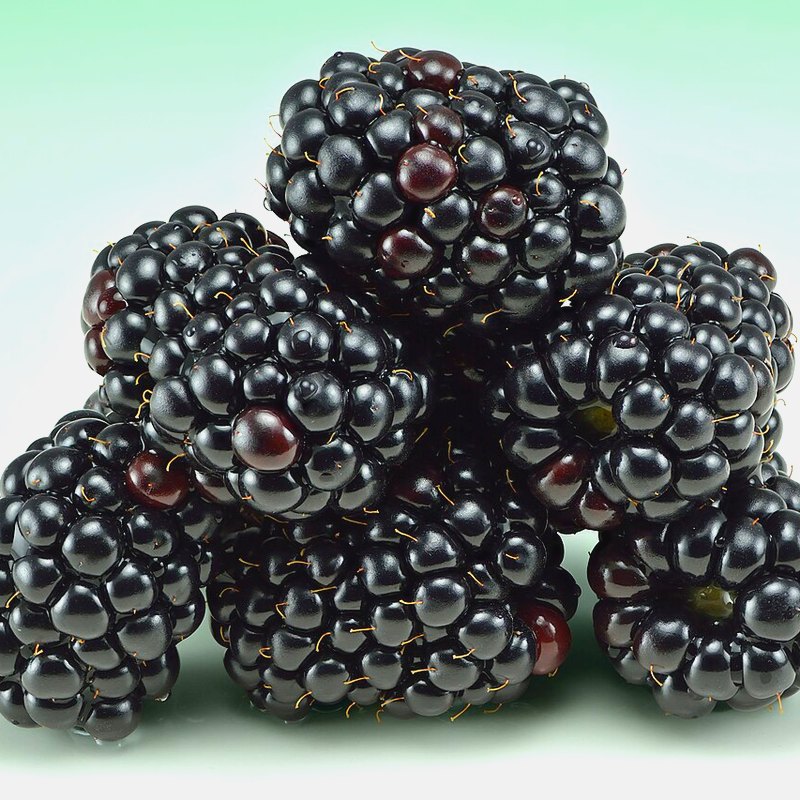
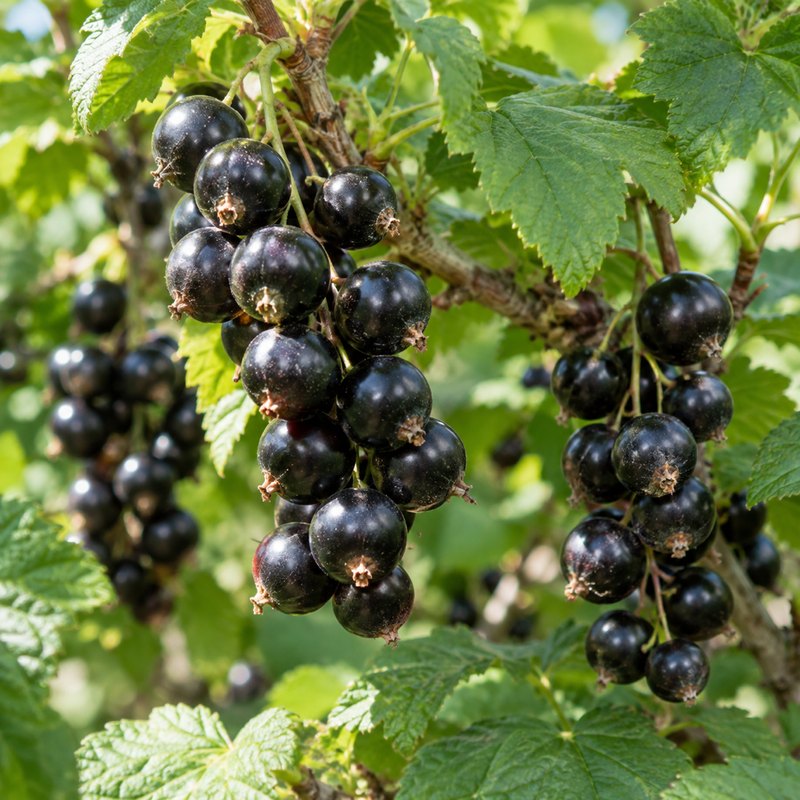
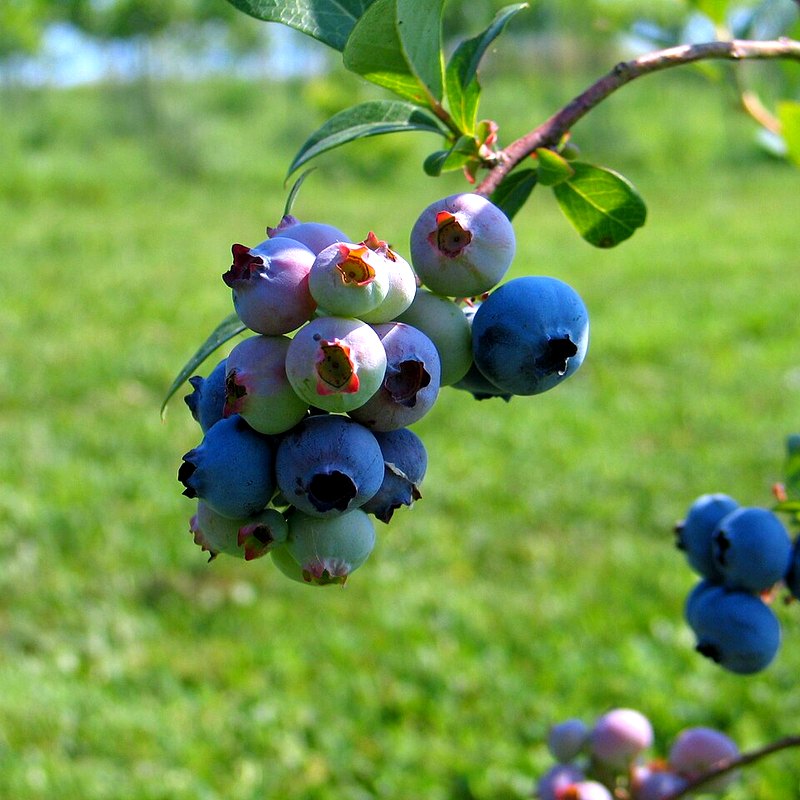
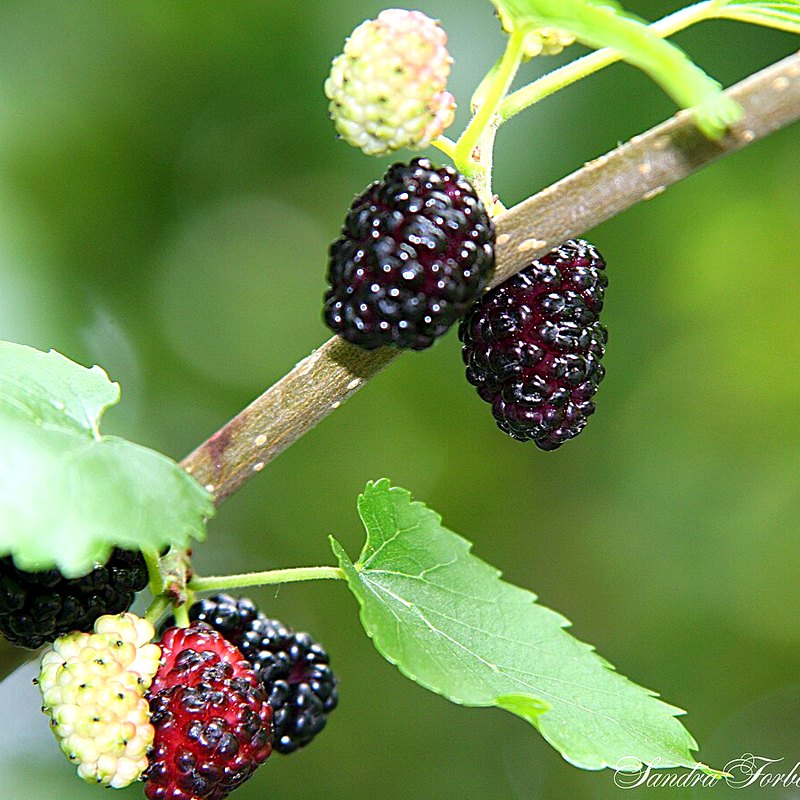
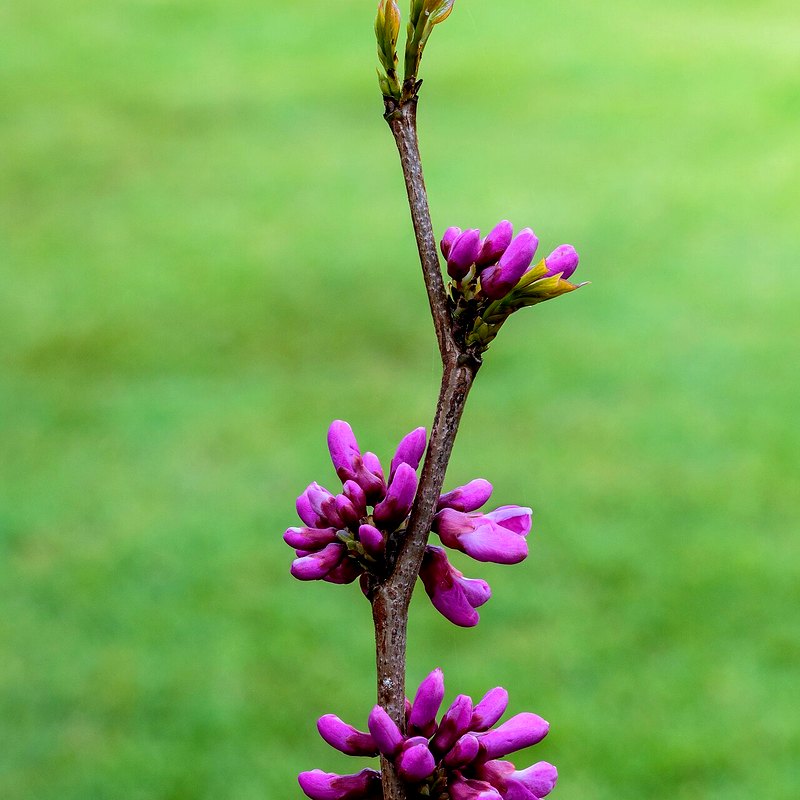
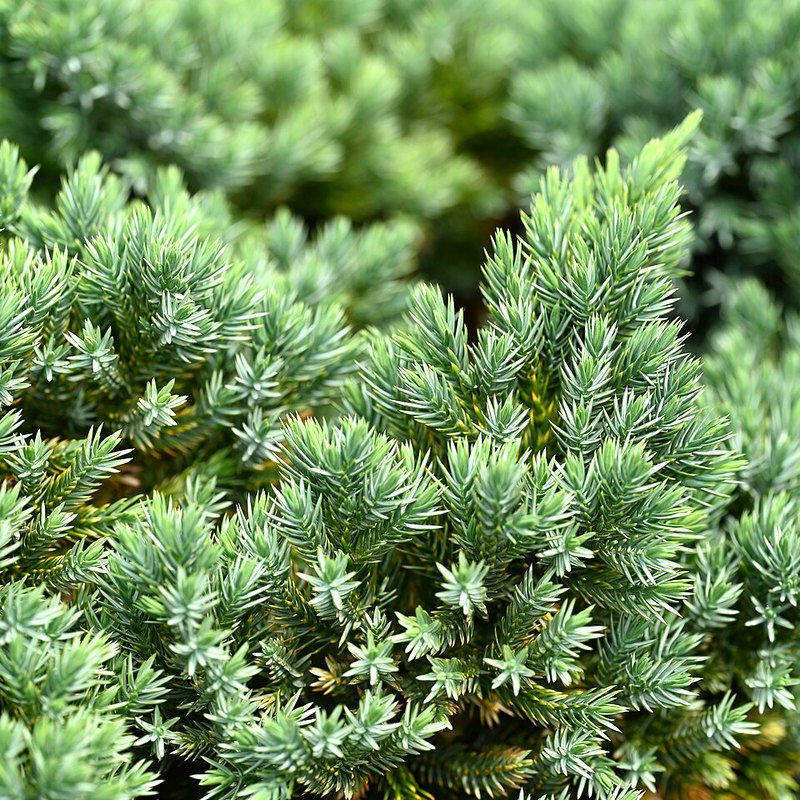
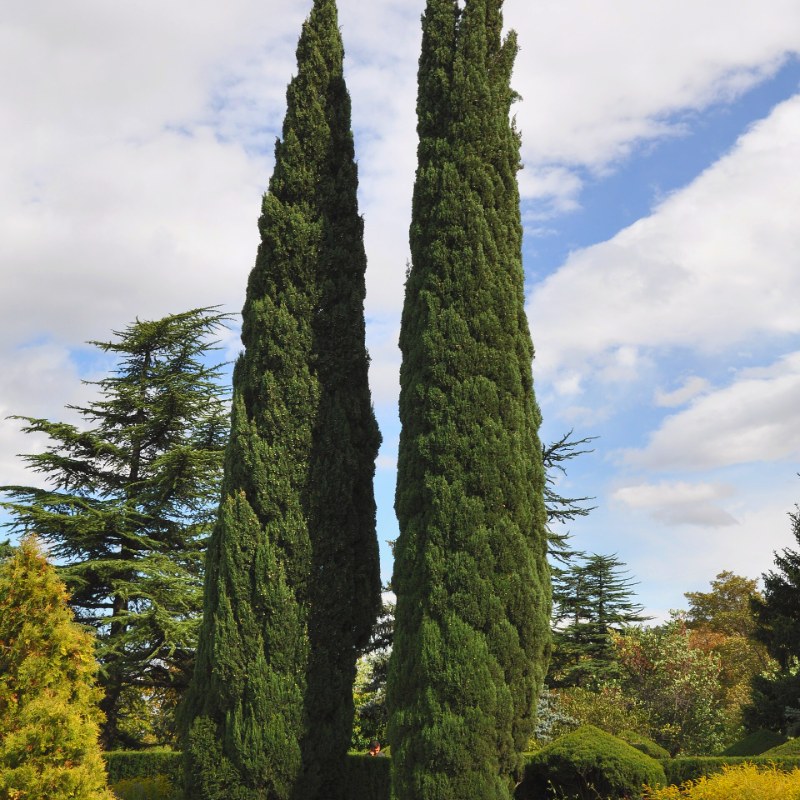
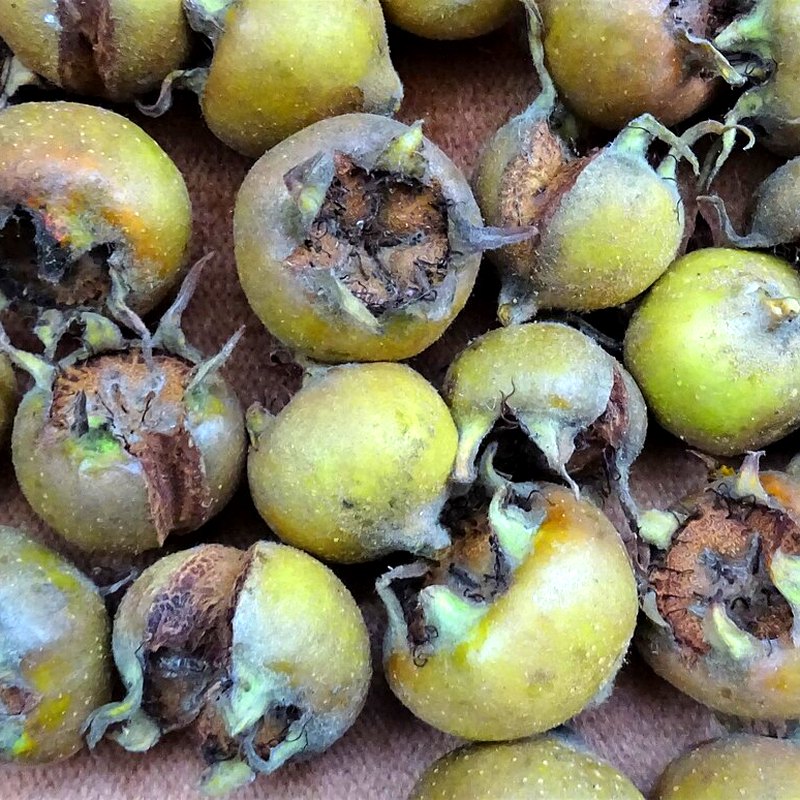
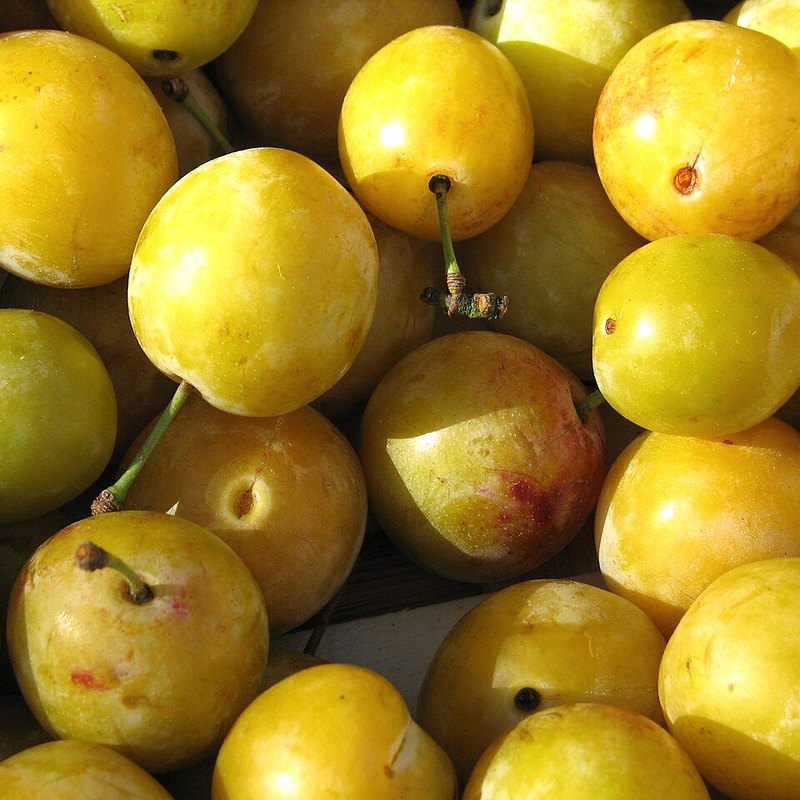
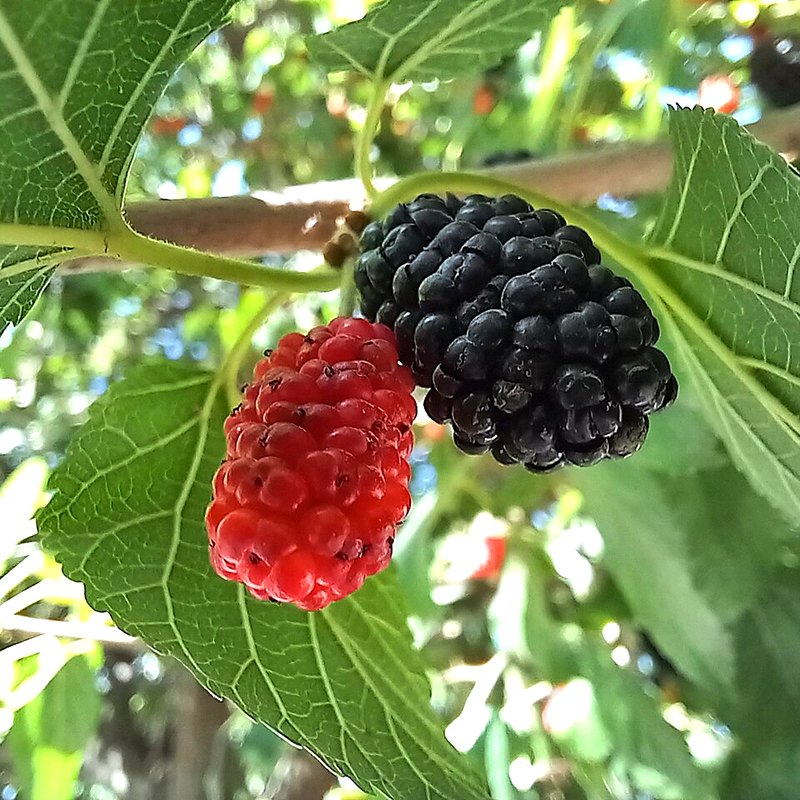
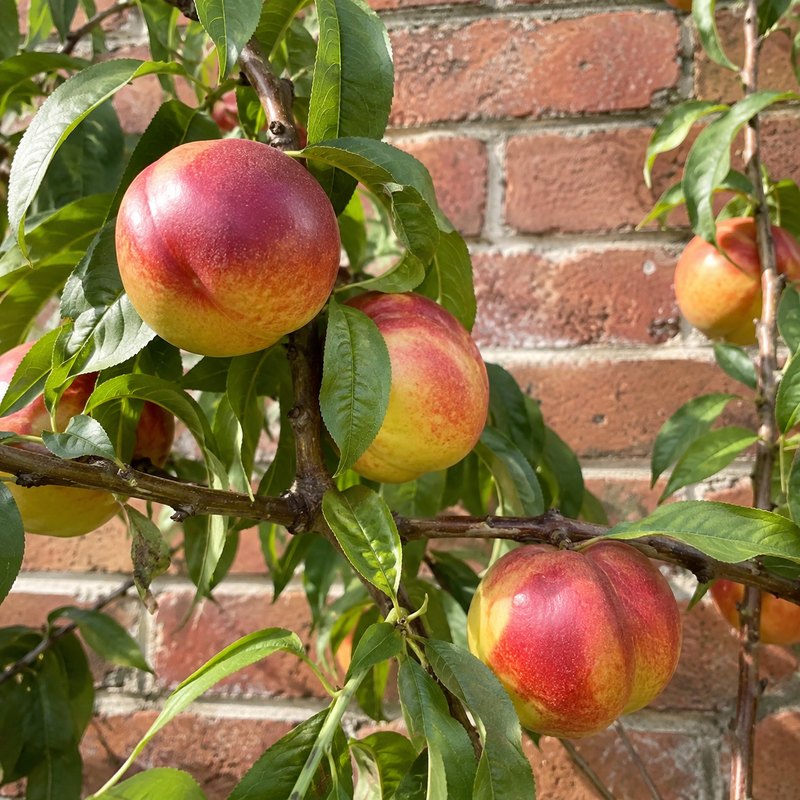
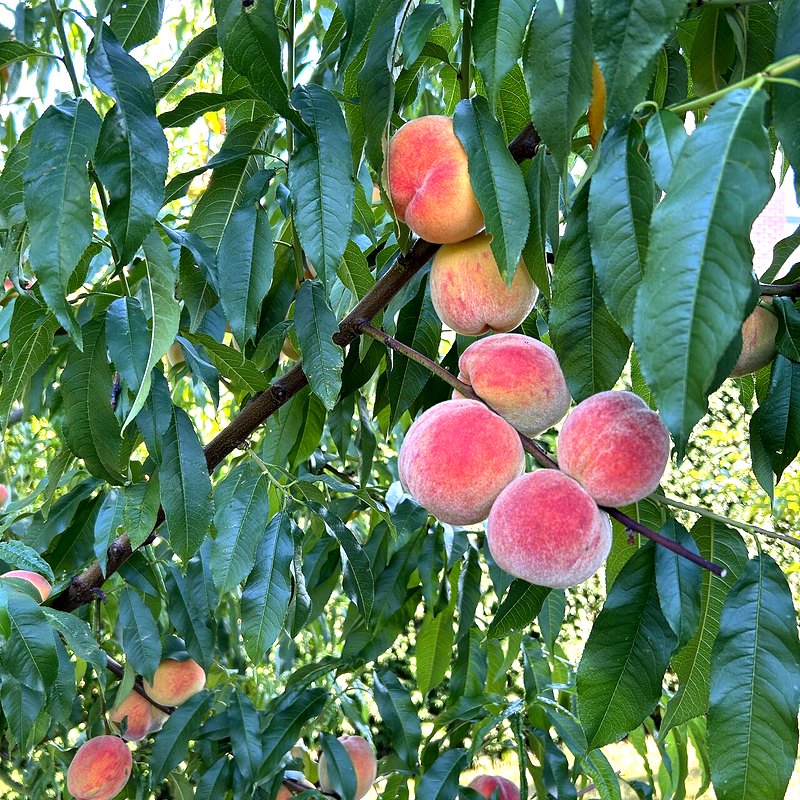
Trees and fruit bushes to plant 64
Deciduous trees and fruit bushes are sold bare-root from November to March, the best time to plant them. Pot-grown ones can go in whenever the soil isn't frozen or waterlogged.
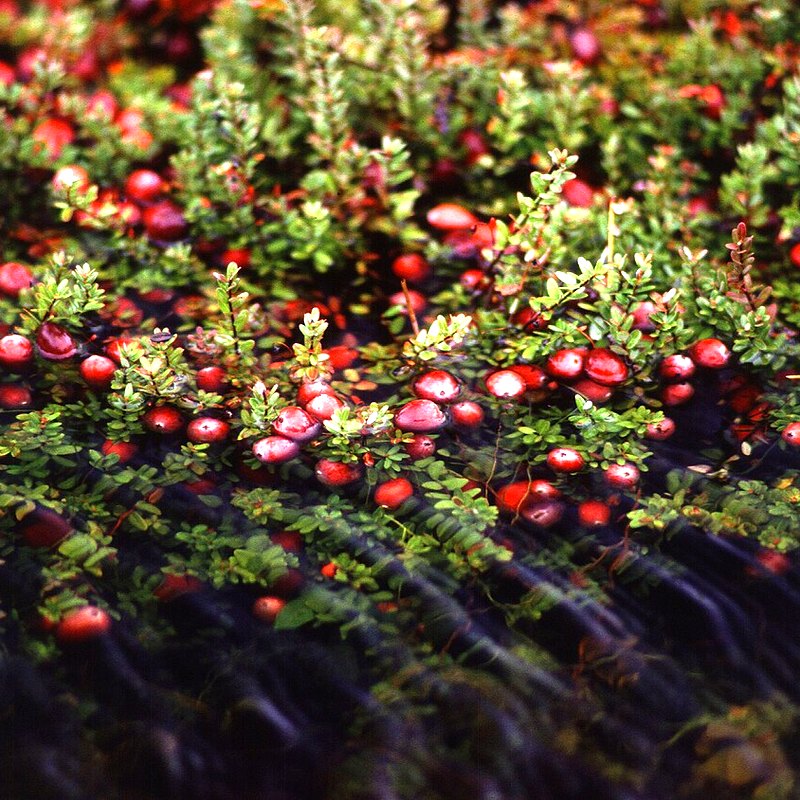
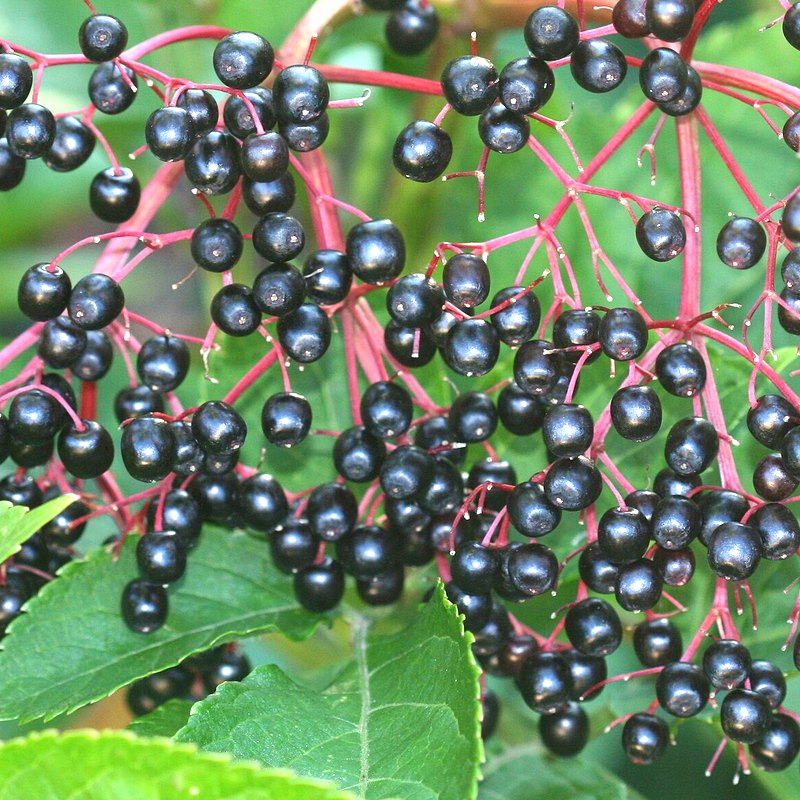
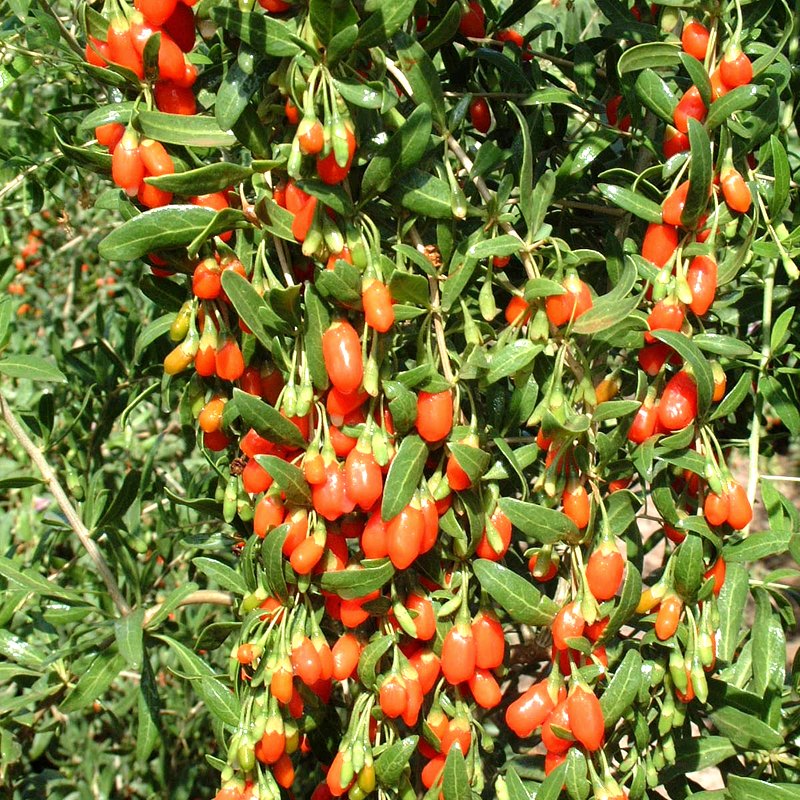
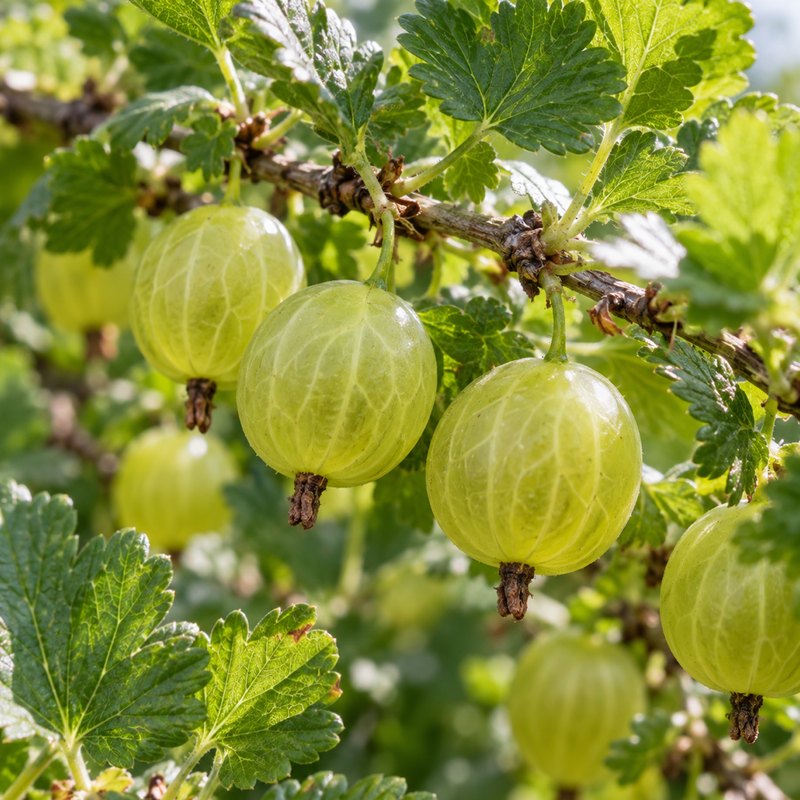
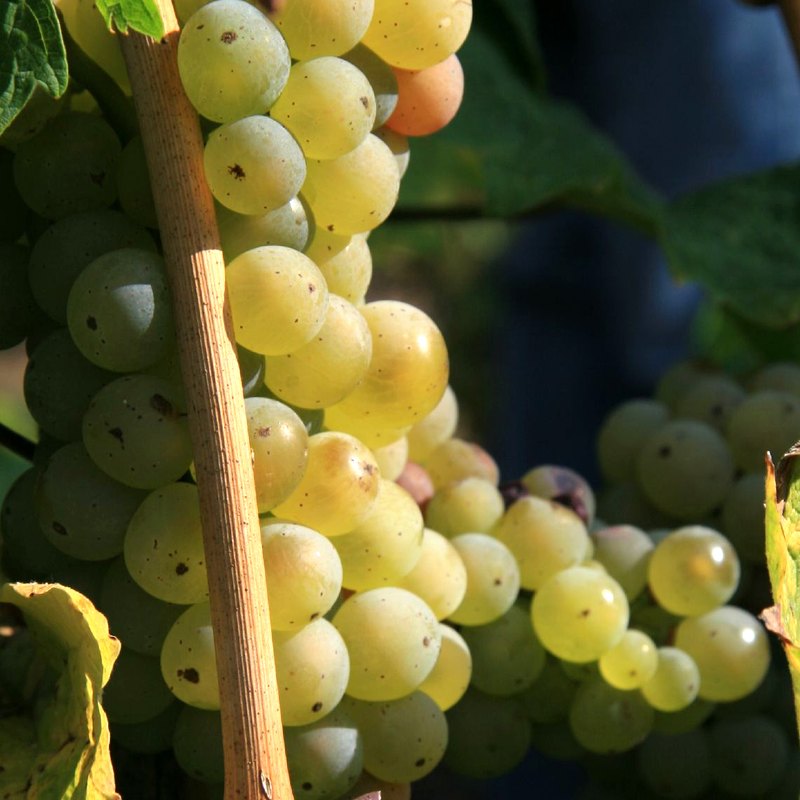
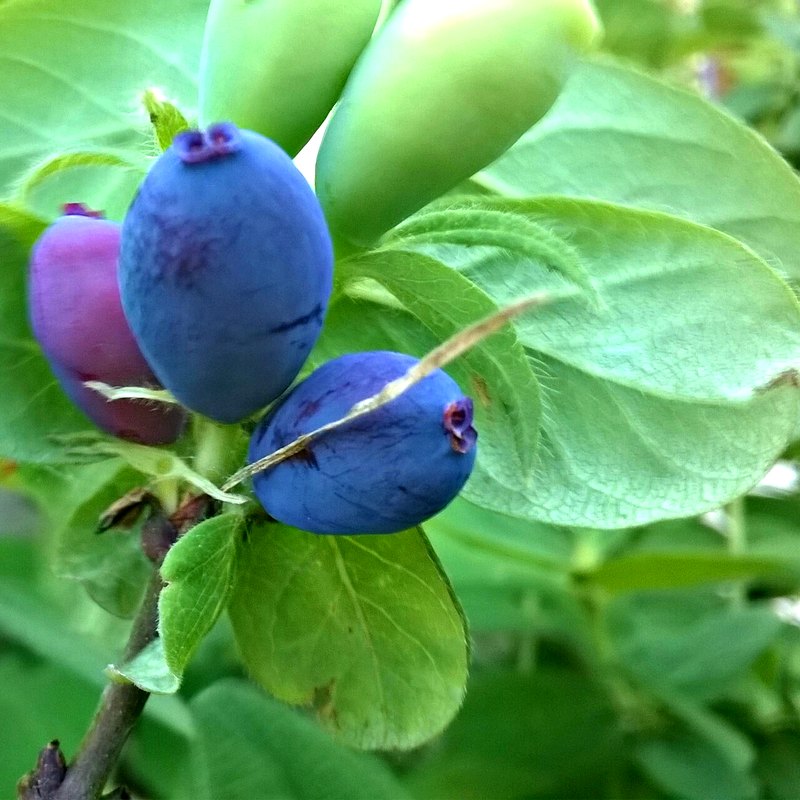
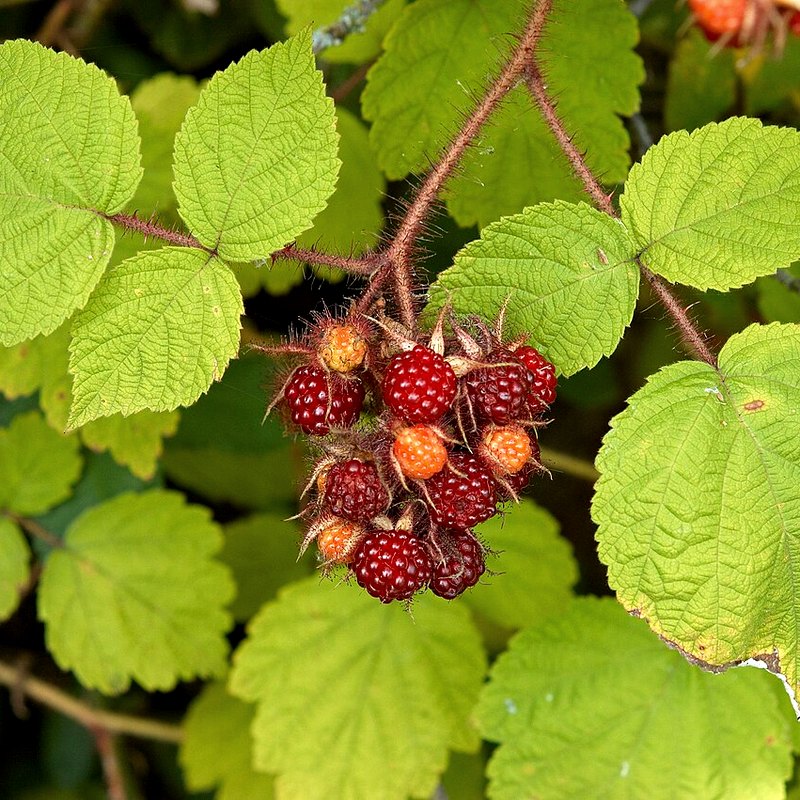
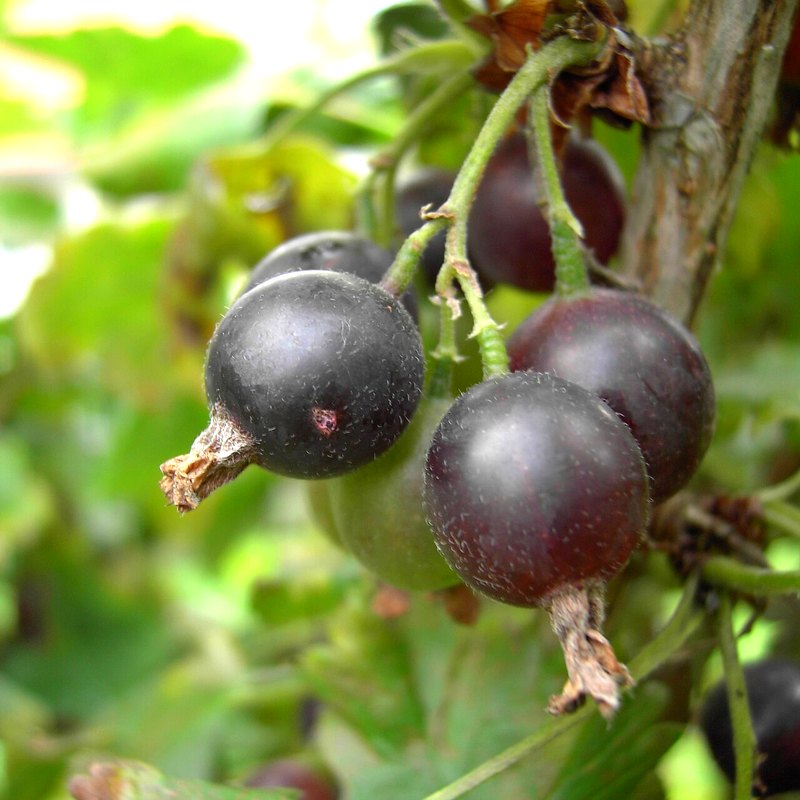
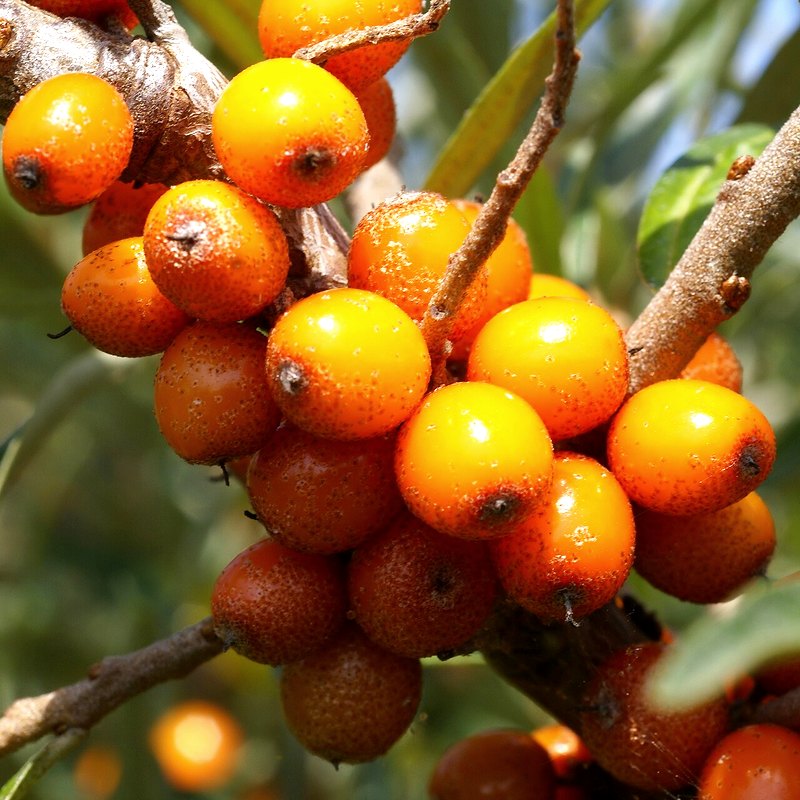
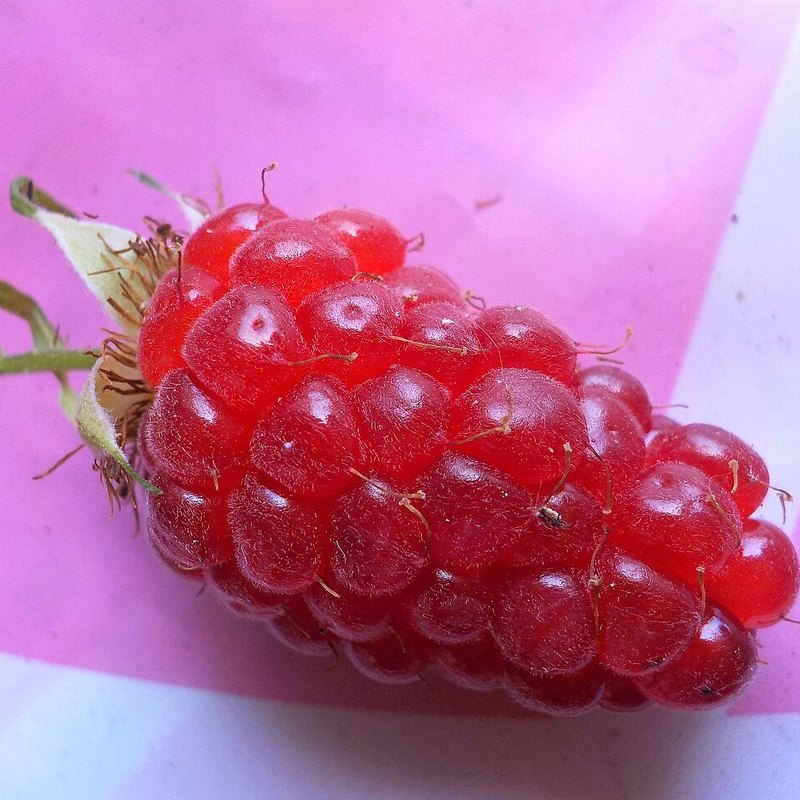
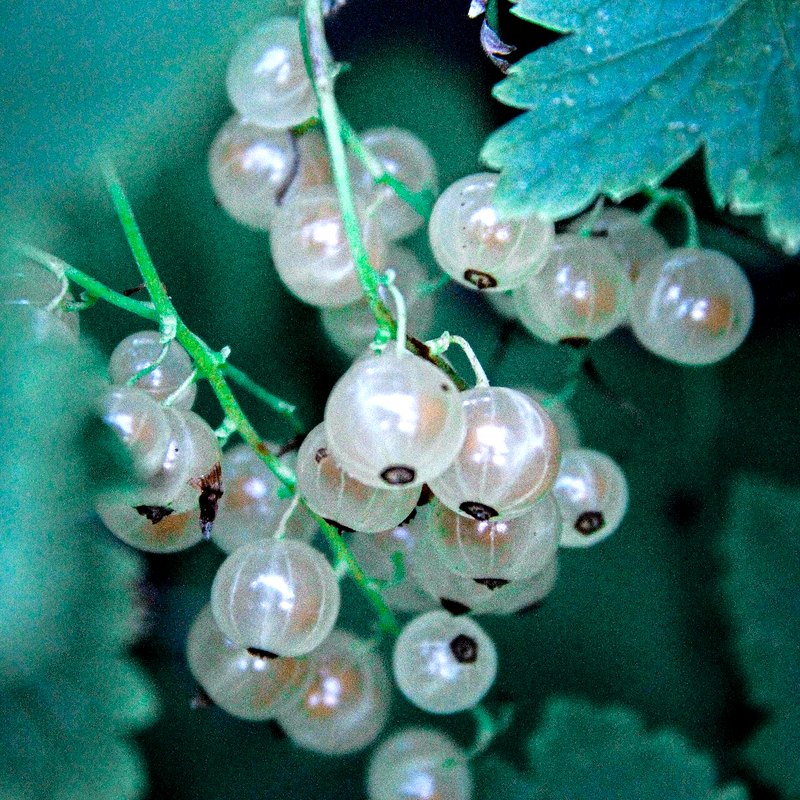
🍓 Fruit 24
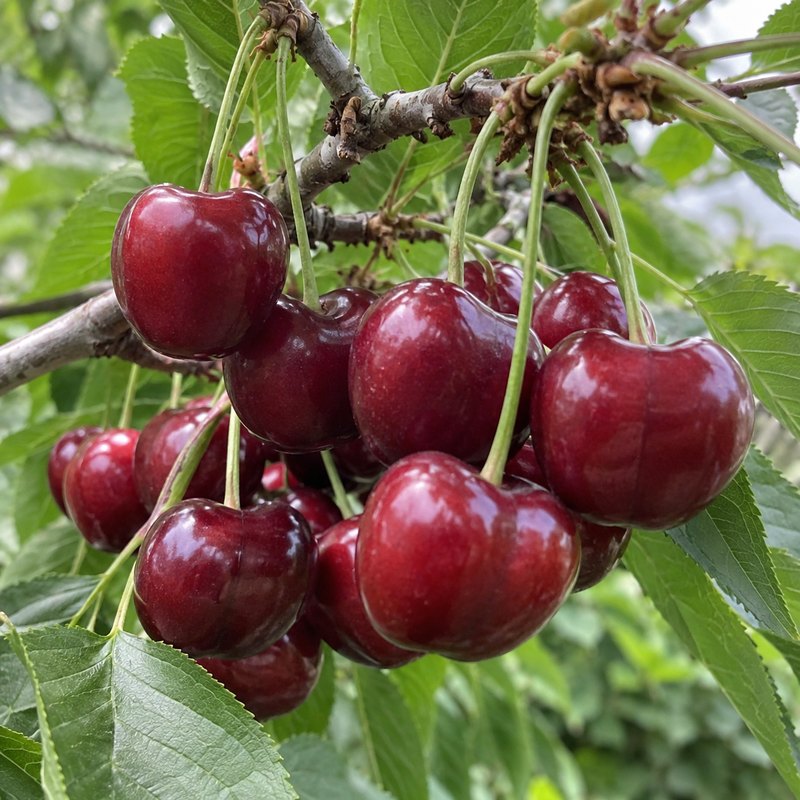
🌳 Trees 40
Jobs for established plants in February
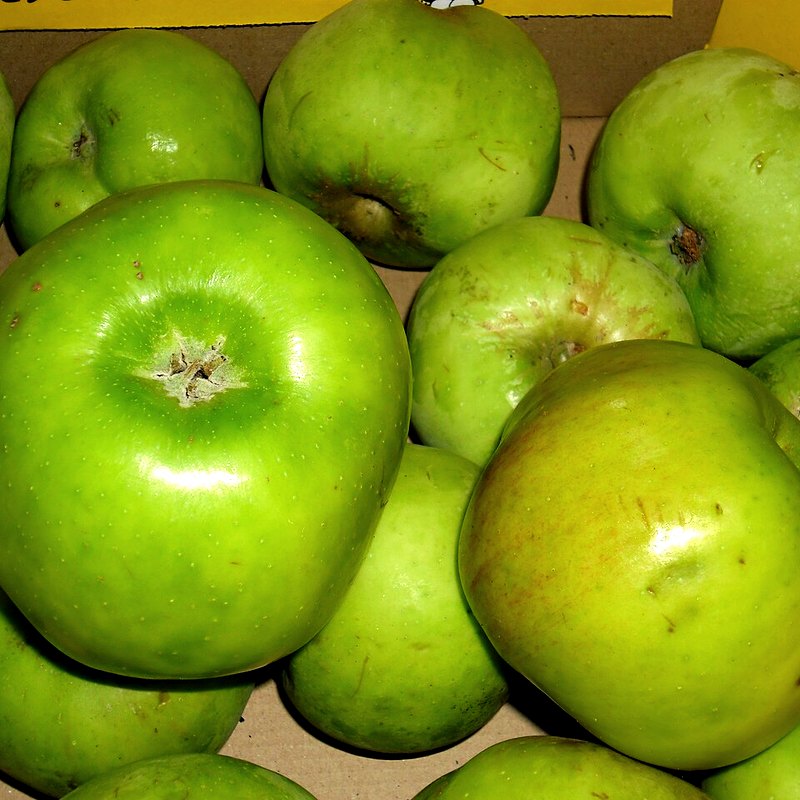
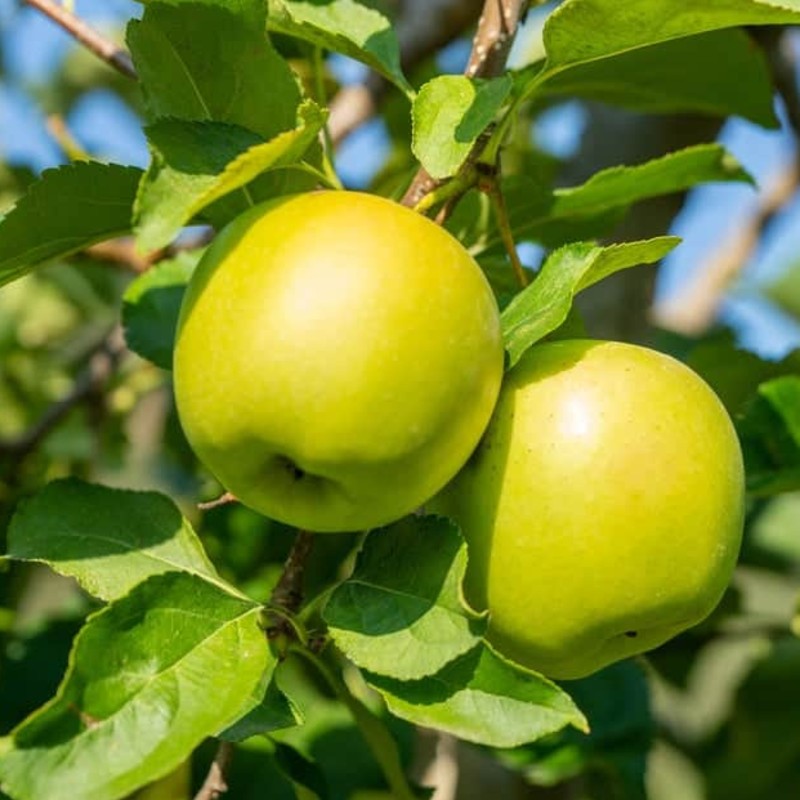
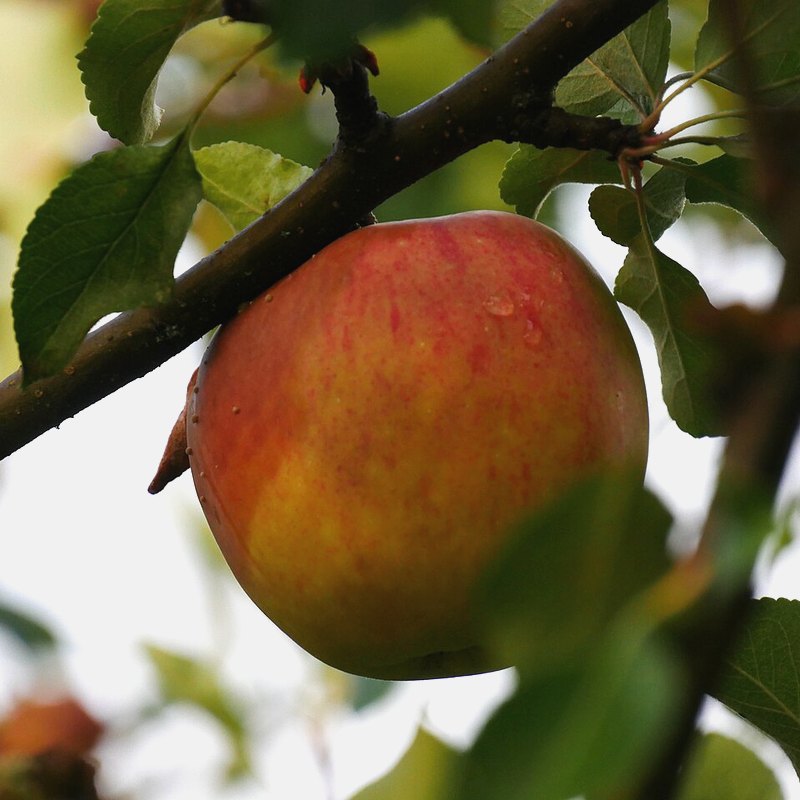
- Dormant PruningApple (Bramley's Seedling)
Prune to remove dead, diseased, or crossing branches, and to shape the tree. Bramley's are tip-bearers, so prune lightly.
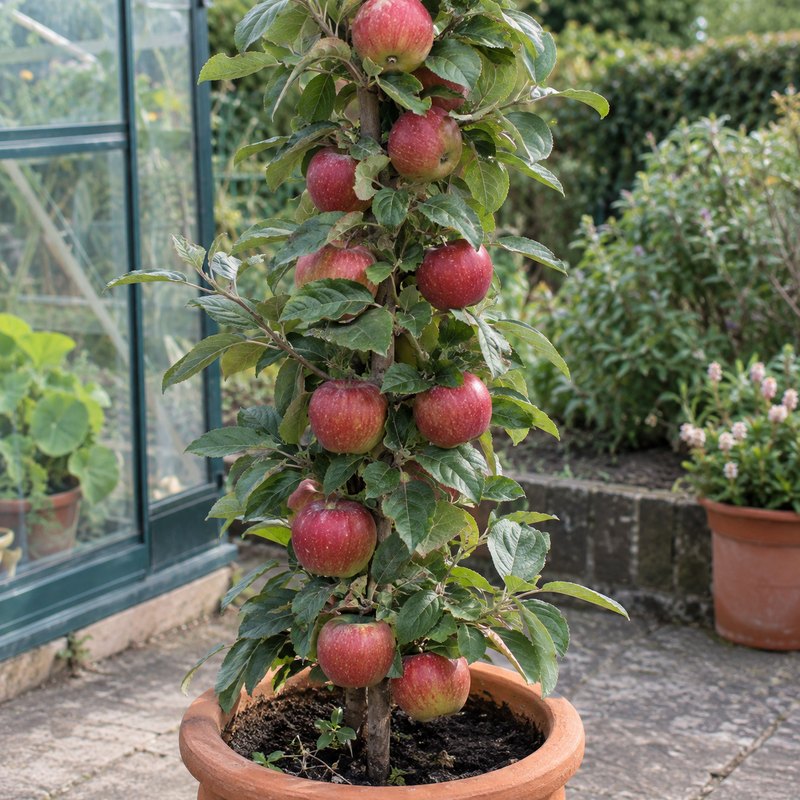
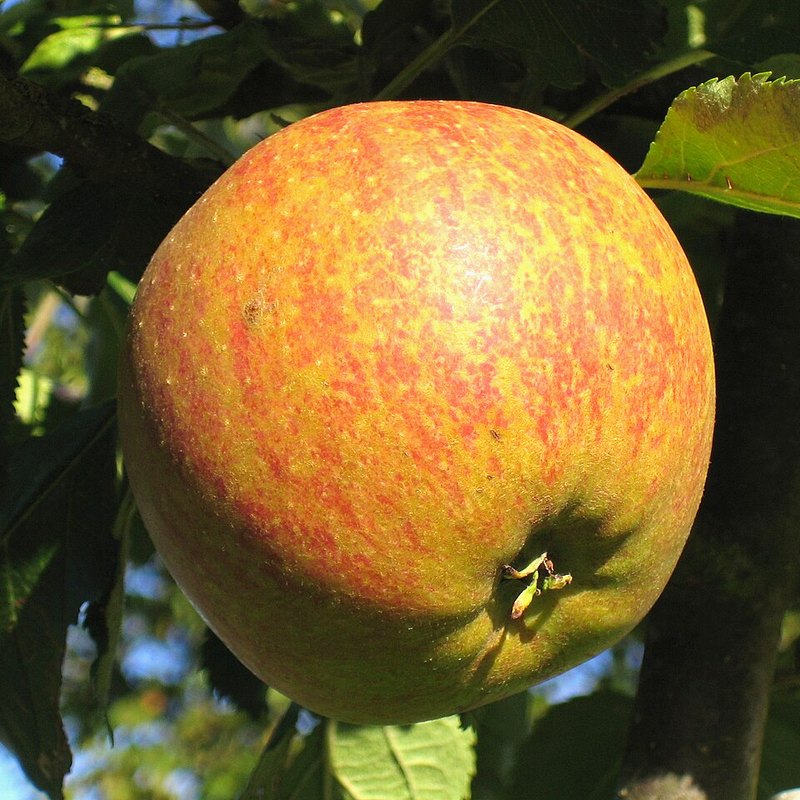
- Winter PruningApple (Golden Delicious)
Prune dormant apple trees to remove dead, diseased, or crossing branches and to shape the tree.
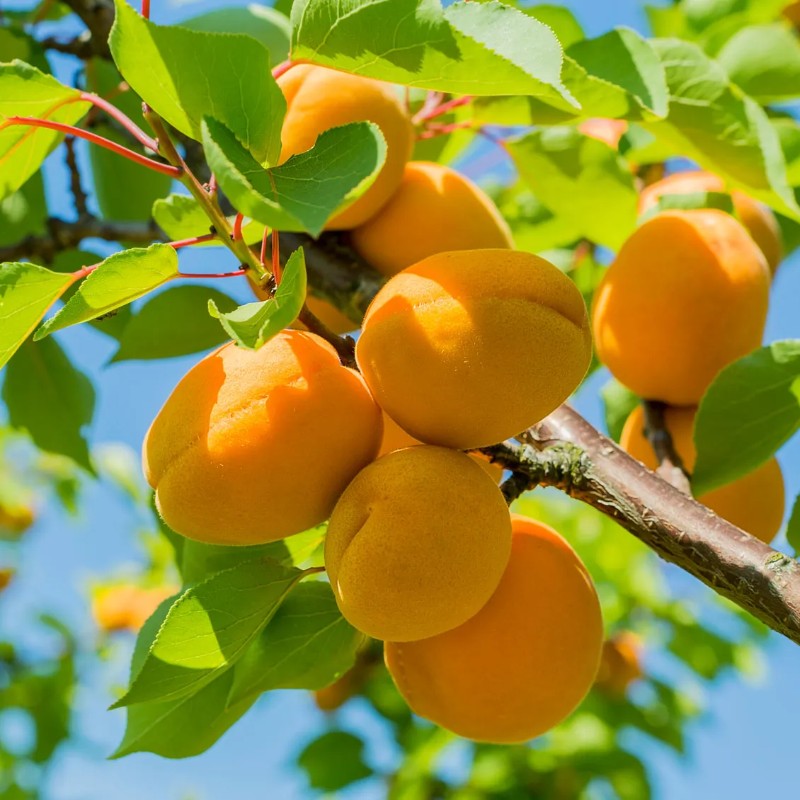
- Dormant PruningApricot
Prune to remove dead, diseased, or crossing branches and to shape the tree. Best done in late winter before bud break.
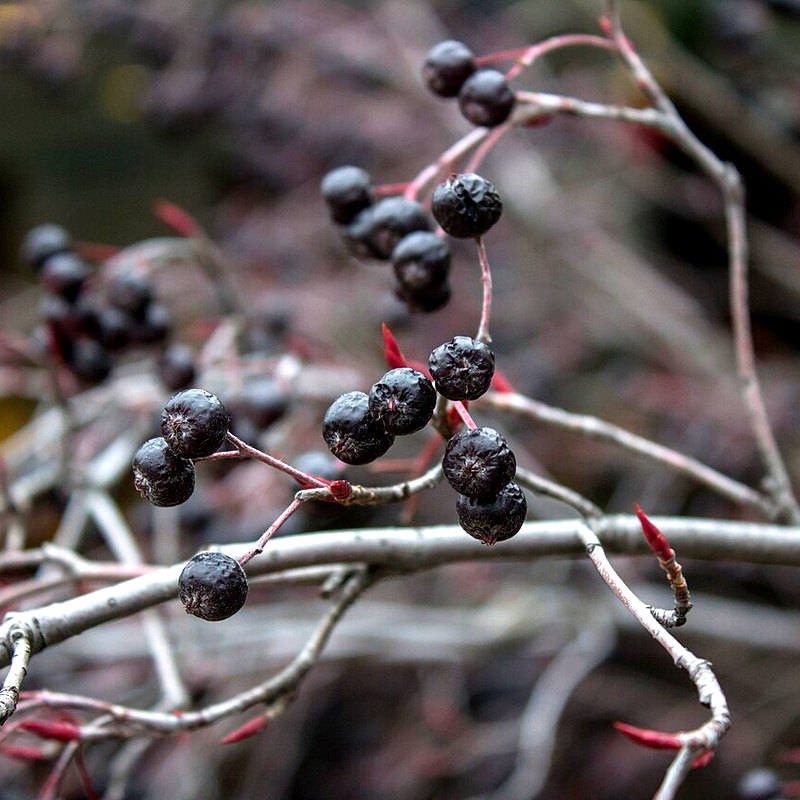
- PruneAronia (Chokeberry)
Remove a few of the oldest stems at the base every year from year three.
- Winter PruneBlueberry (Bluecrop)
Remove dead, weak and crossing stems and cut one or two of the oldest stems to the base.
- Cut Back Old GrowthBrunnera (Jack Frost)
Cut away the old, tatty leaves before new growth starts.
- Cut Back HardClematis (Jackmanii)
Cut all stems down to a pair of fat buds about 30 cm above the ground.
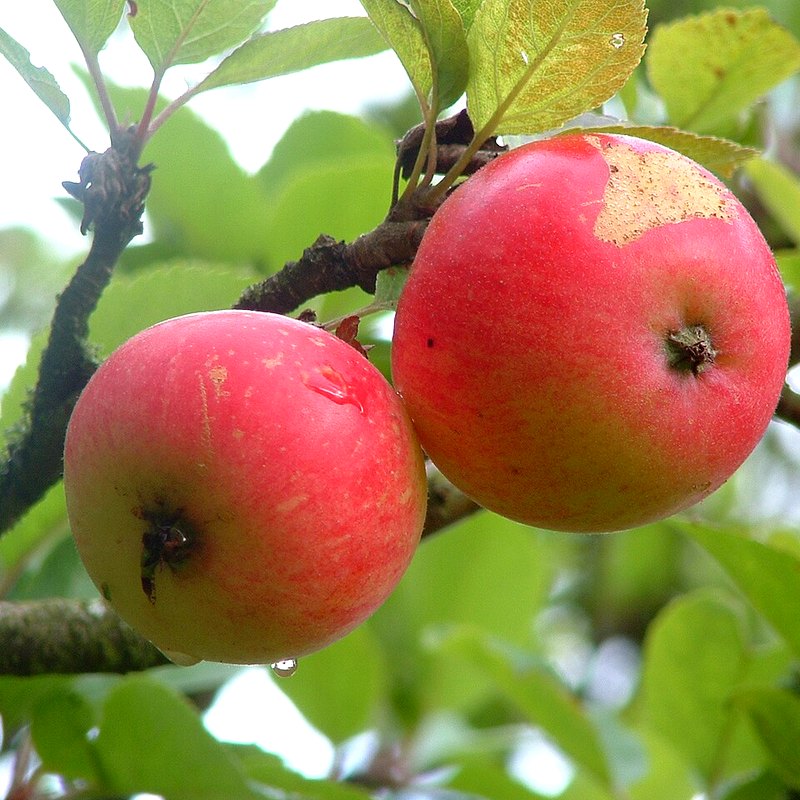
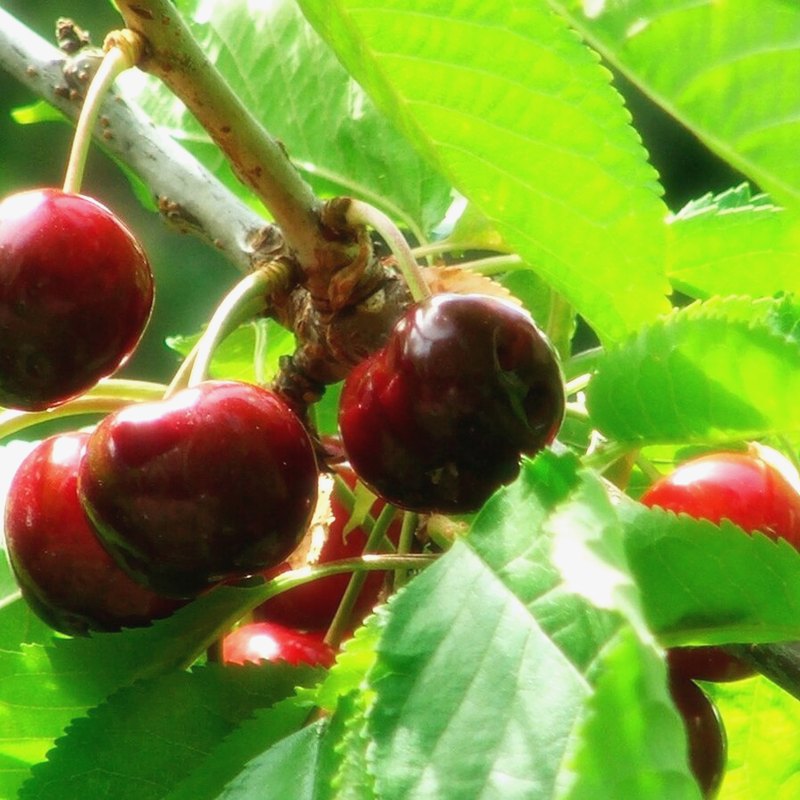
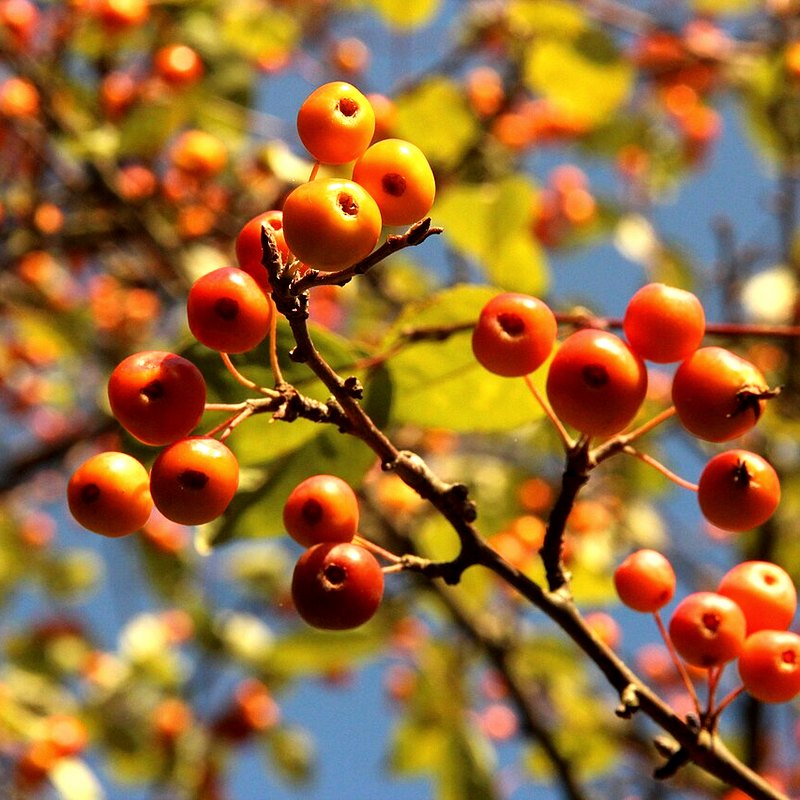
- Dormant PruningCrab Apple (Red Sentinel)
Prune to remove dead, diseased, or crossing branches. Shape the tree and encourage good air circulation. Best done in late winter/early spring before new growth.
- Start Them Off AgainDahlia (Bishop of Llandaff)
Check stored tubers/corms, discard any soft ones and pot them up (or plant out once frosts are over).
- PruneElderberry (Haidegg)
Cut out a third of the oldest stems at the base to keep the bush young and productive.
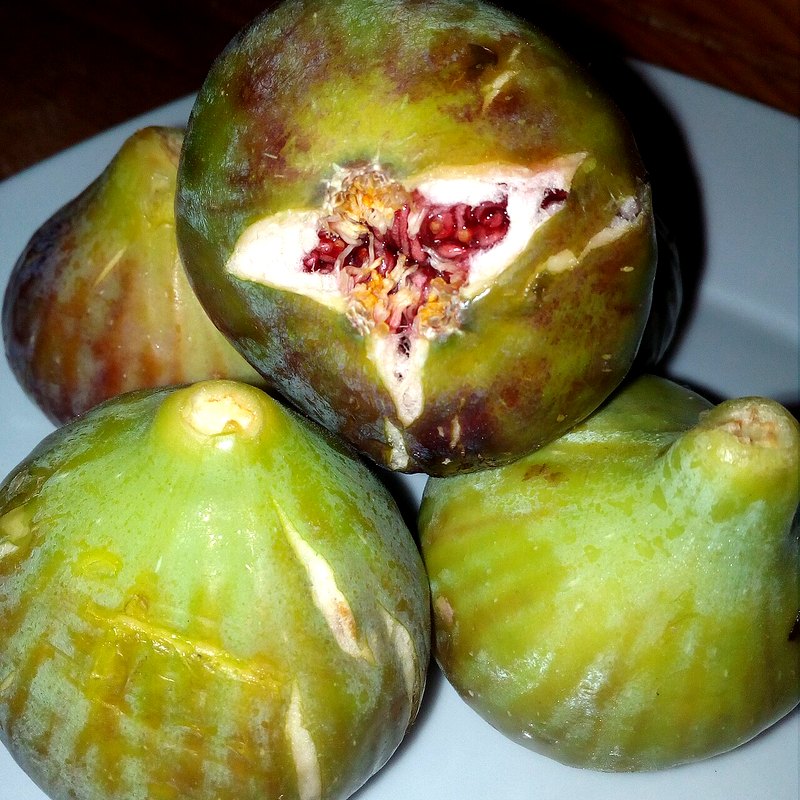
- Dormant PruningFig (Brown Turkey)
Prune in late winter/early spring to remove dead, damaged, or crossing branches. Shape for desired form (e.g., fan-training).
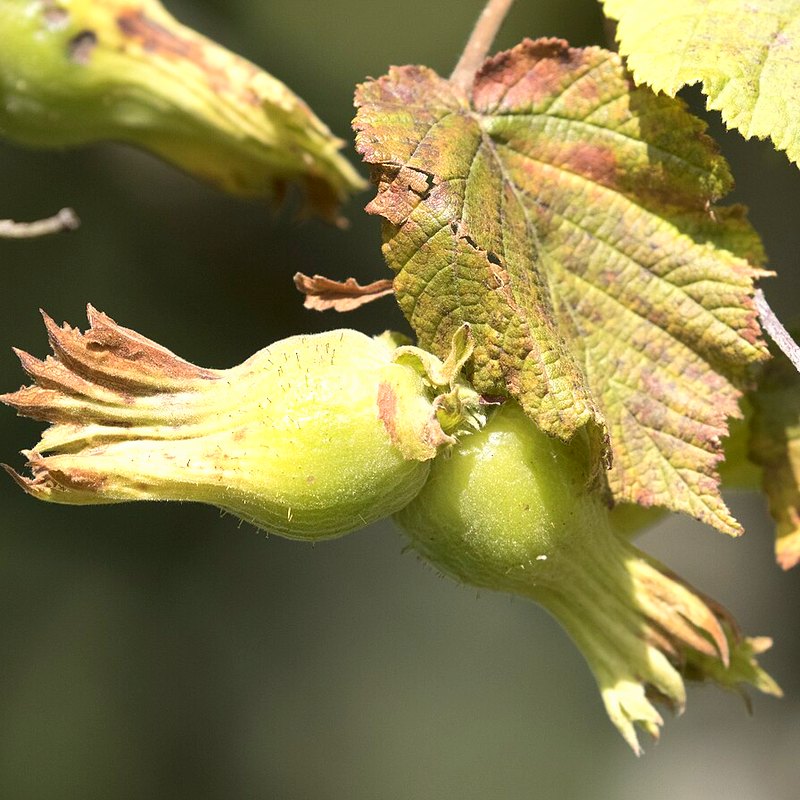
- Winter Pruning ("Brutting")Hazel (Kentish Cob)
While catkins are out, thin congested growth and remove suckers from the base to keep an open, multi-stemmed bush.
- Prune Olive Tree (Maintenance)Olive
Remove dead, diseased, or crossing branches. Shape the tree for good air circulation and light penetration. For fruiting, prune after harvest.
- PrunePassion Fruit
Cut side shoots that fruited last year back to two buds from the main stems.
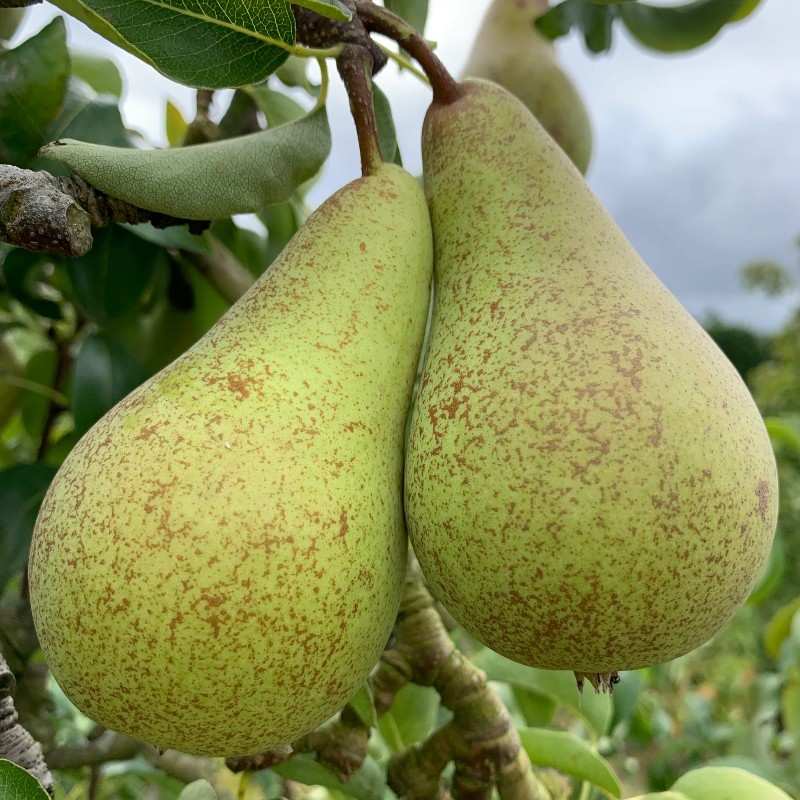
- Dormant PruningPear (Concorde)
In late winter/early spring before bud break, remove dead, diseased, or crossing branches. Shape the tree to an open vase or central leader system.
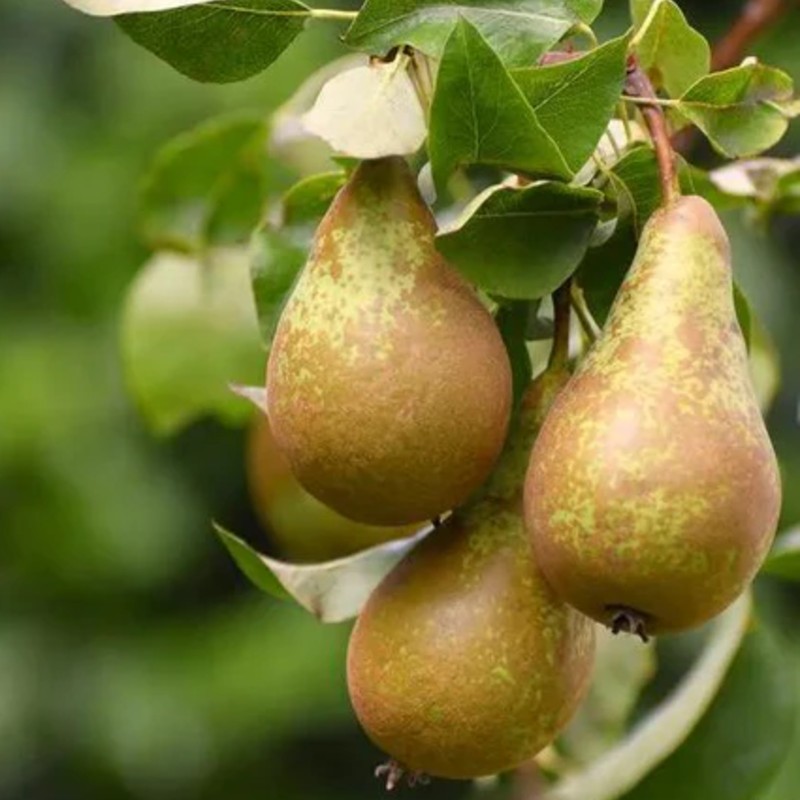
- Dormant PruningPear (Conference)
Prune in late winter (dormant season) to remove dead, diseased, or crossing branches. Shape the tree and encourage fruit spurs.
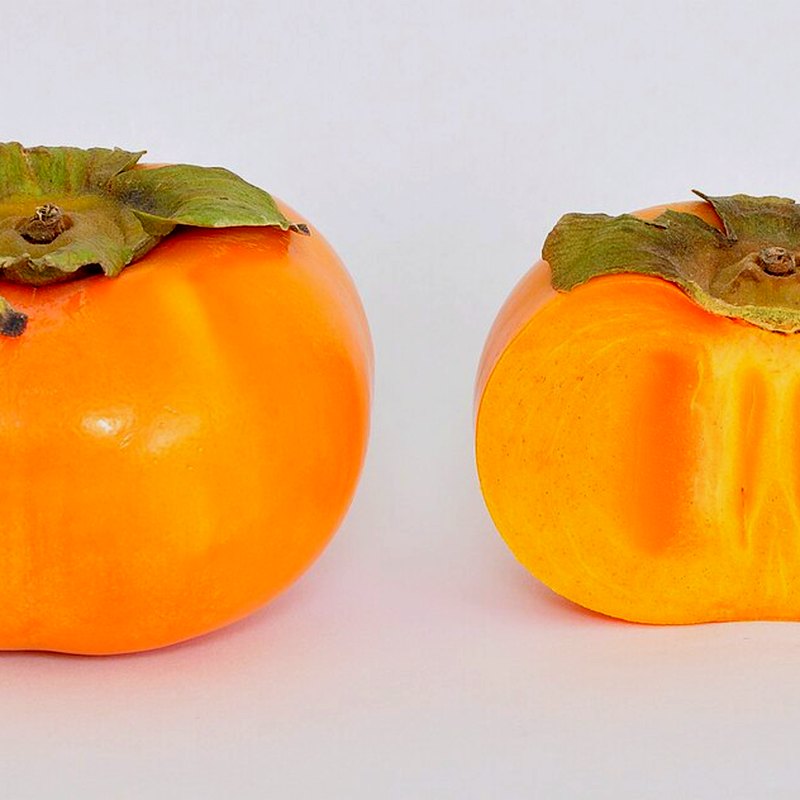
- Winter PruningPersimmon (Kaki)
Lightly thin crowded branches while dormant; it fruits on new shoots.
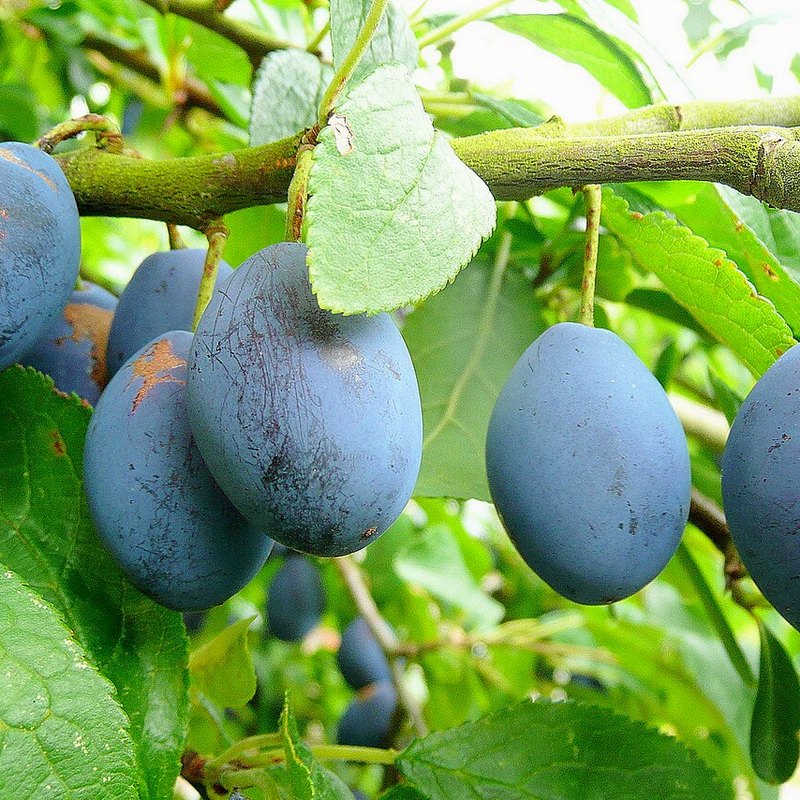
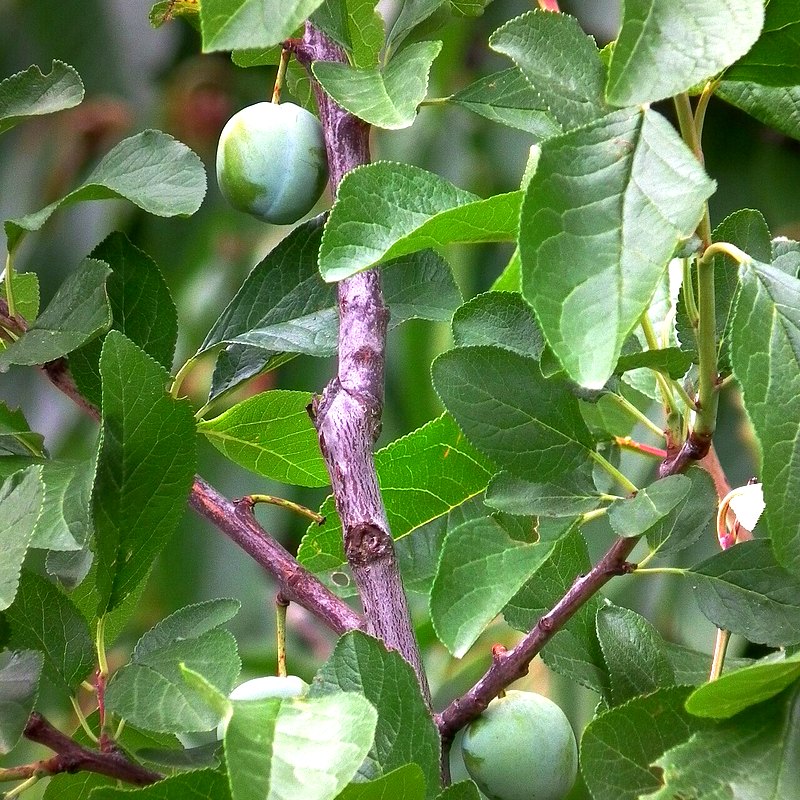
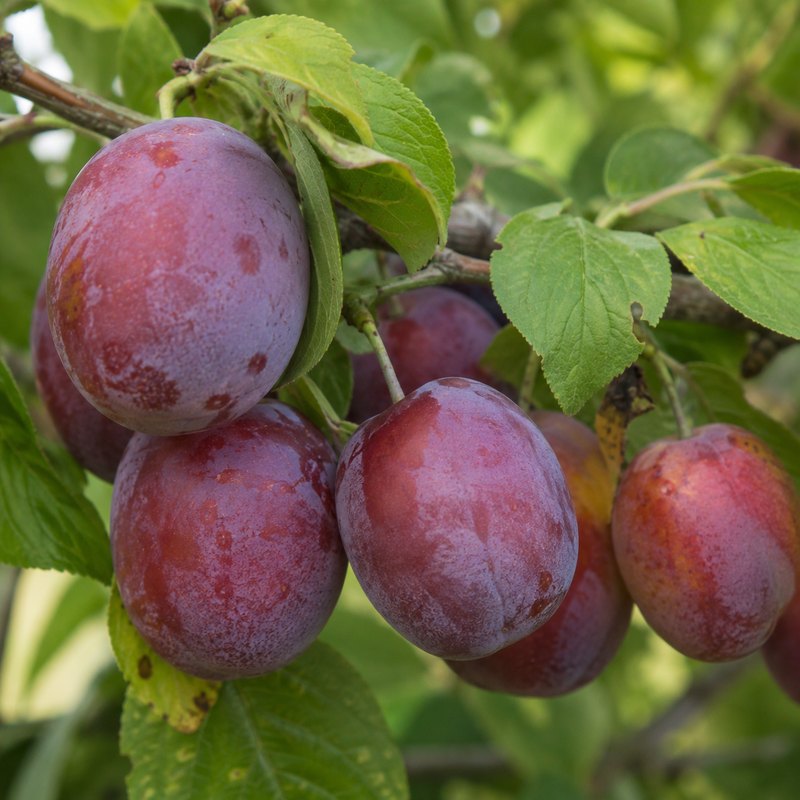
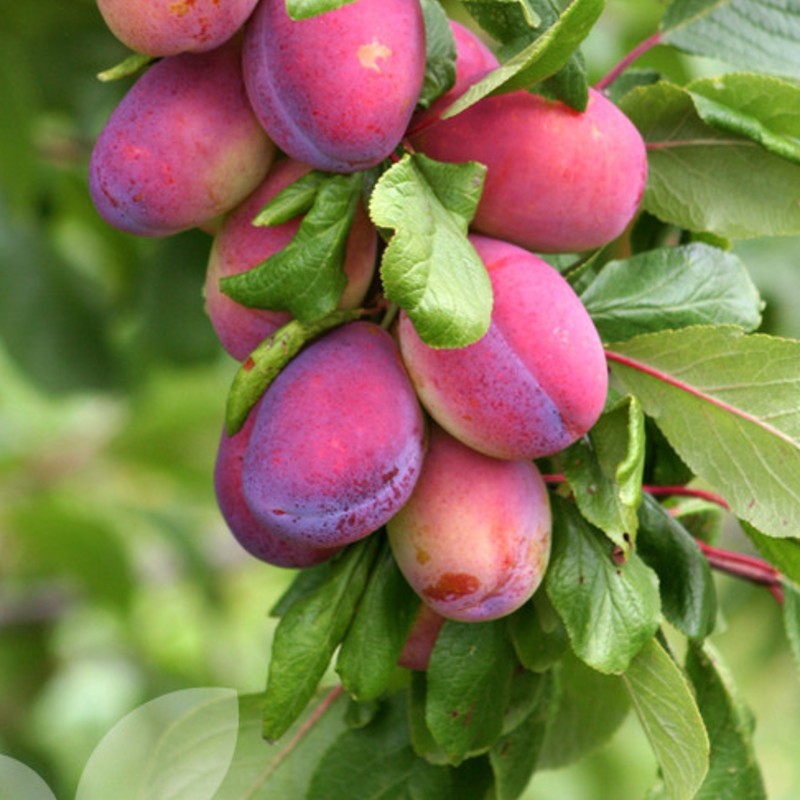
- Dormant PruningPlum (Victoria)
Prune out dead, diseased, or crossing branches. Shape the tree for good air circulation and light penetration.
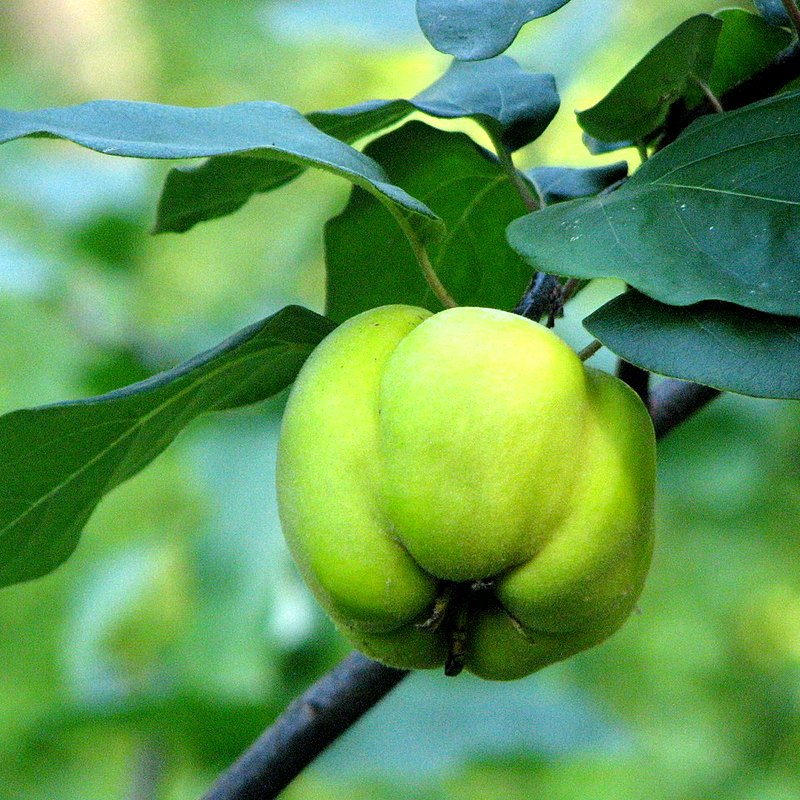
- Dormant PruningQuince (Meech's Prolific)
Prune quince trees in late winter while dormant to remove dead, diseased, or crossing branches and to shape the tree. Aim for an open structure.
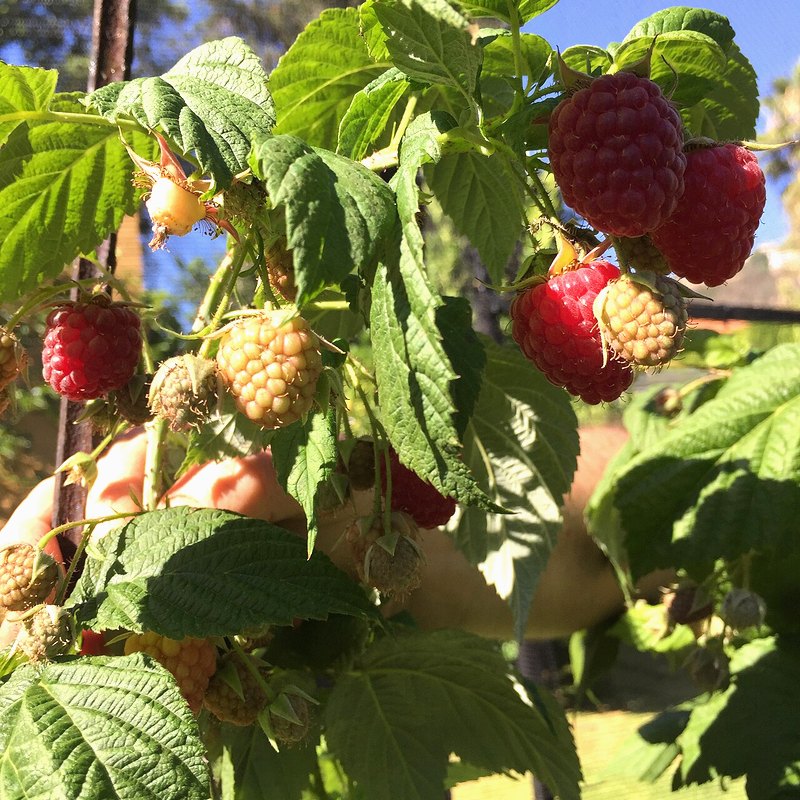
- Cut All Canes to the GroundRaspberry (All Gold)
Cut every cane to ground level — this year's fruit comes on new canes.
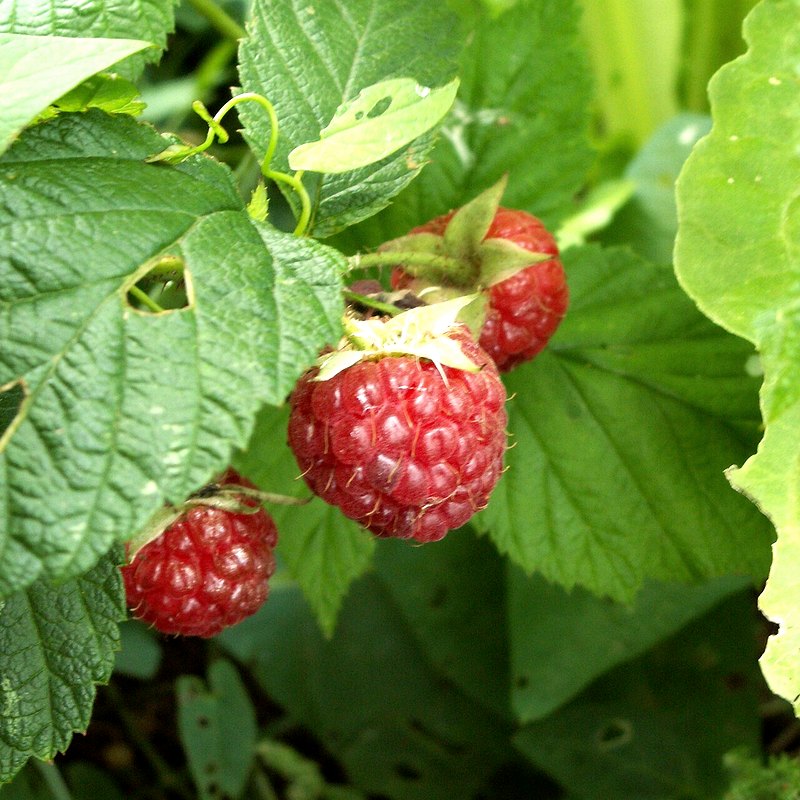
- Cut All Canes to the GroundRaspberry (Autumn Bliss)
Cut every cane to ground level — this year's fruit comes on new canes.
- Winter Prune and TrainRose (Climbing, New Dawn)
Tie main stems as close to horizontal as you can (that makes more flowers) and cut side shoots back to 2–3 buds.
- Winter PruneRose (English Shrub)
Cut stems back by about a third to an outward-facing bud, and remove dead, weak and crossing stems.
- Winter PruneRose (Floribunda, Bush)
Cut stems back to 20–30 cm above the ground to an outward-facing bud, and remove dead, weak and crossing stems.
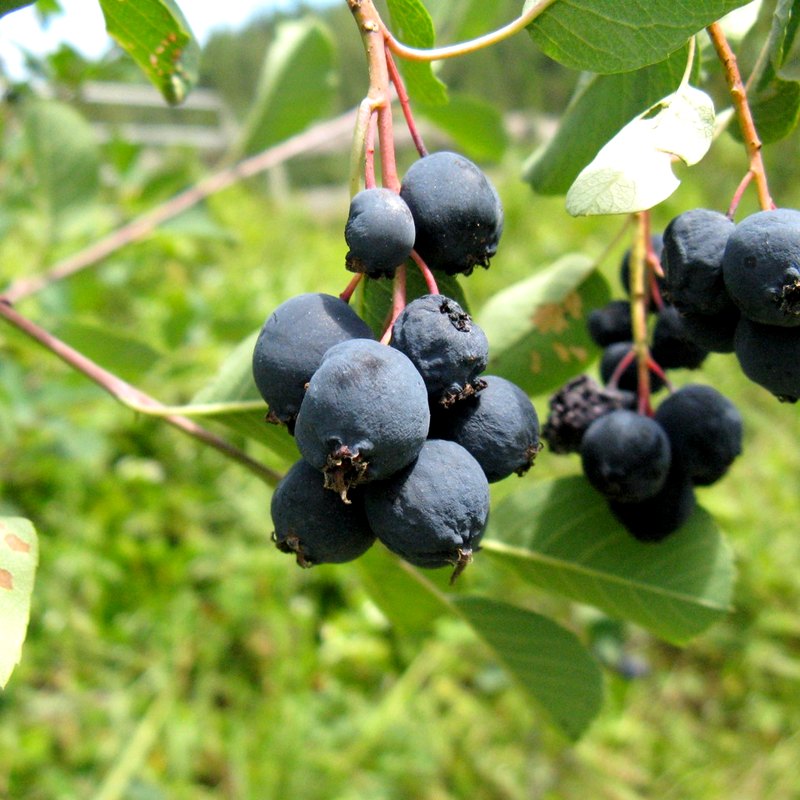
- PruneSaskatoon Berry
Only thin out the oldest or crossing stems when needed.
- Winter PruneTrumpet Vine (Campsis)
Once the framework covers the wall, cut all side shoots back to 2–3 buds each winter.
- Winter PruningWisteria (Chinese)
Shorten the summer-pruned side shoots again to 2–3 buds — these fat buds are next spring's flowers.
Other months
What to sow in January, What to sow in March, What to sow in April, What to sow in May, What to sow in June, What to sow in July, What to sow in August, What to sow in September, What to sow in October, What to sow in November and What to sow in December.