 PlantSowGrow
What to sow and plant in July
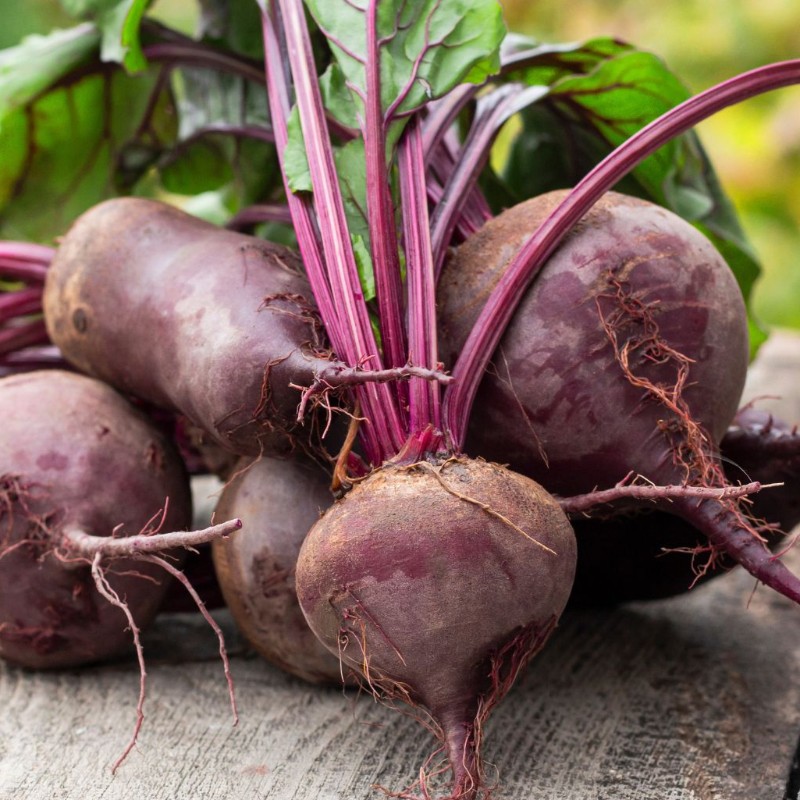
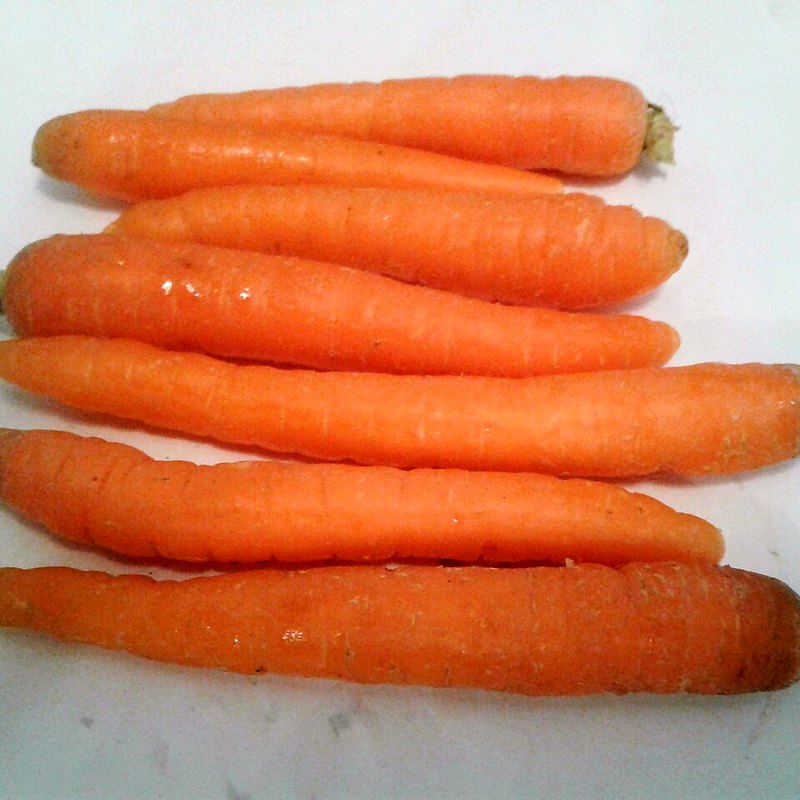
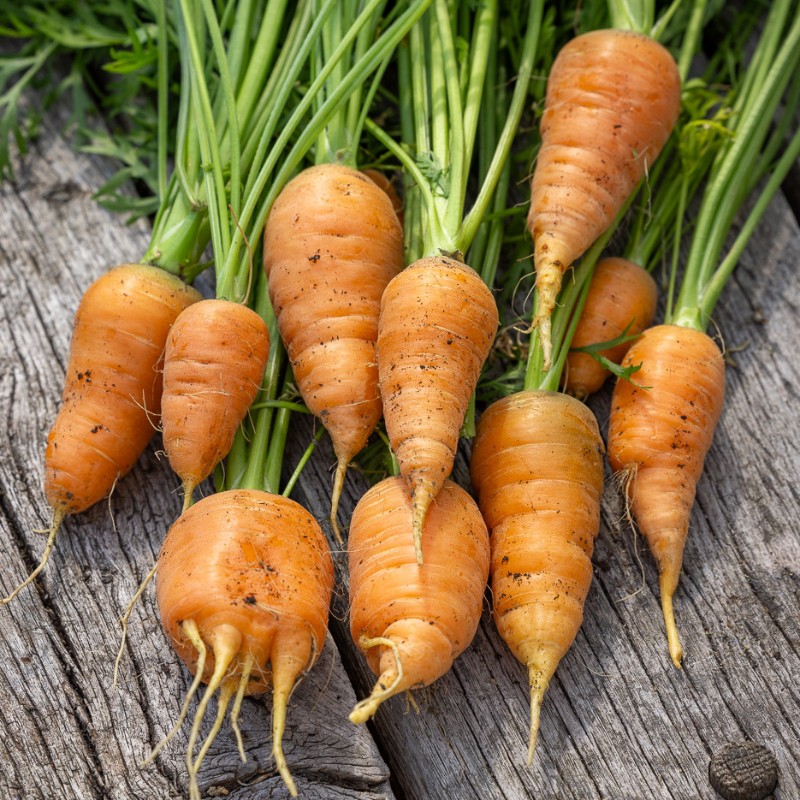
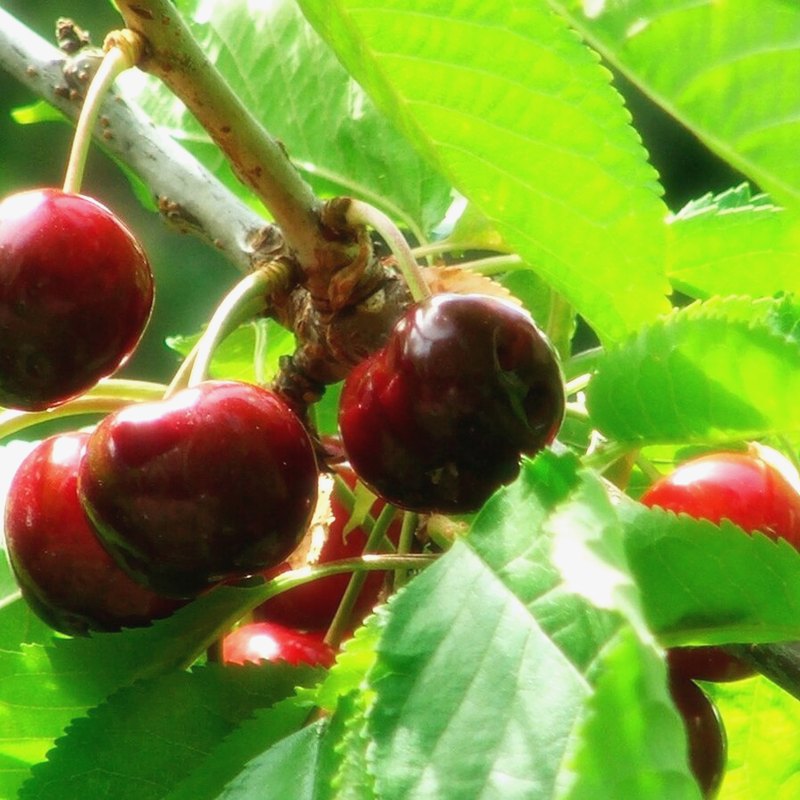
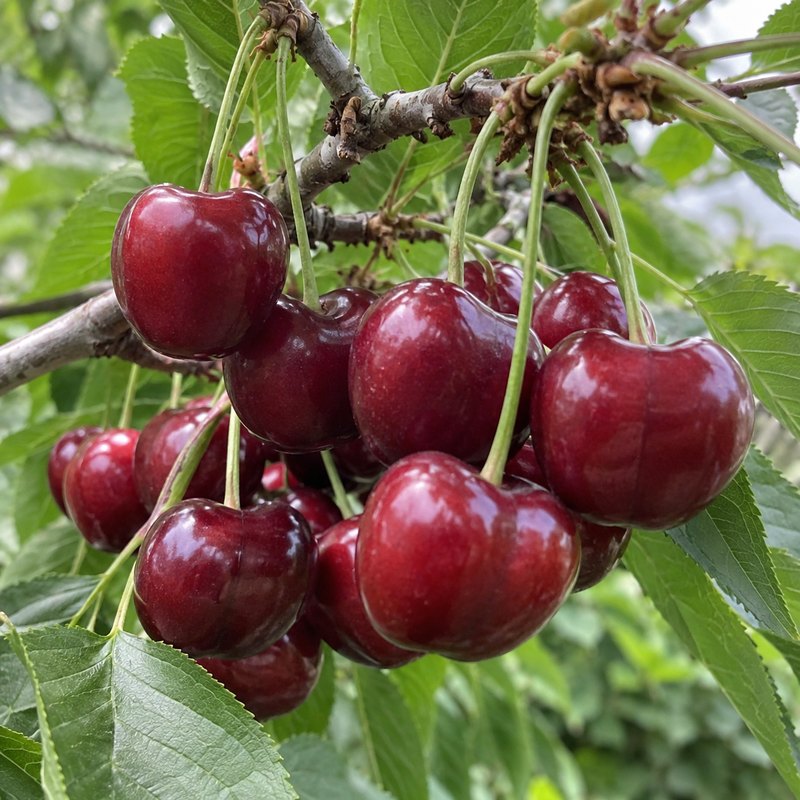
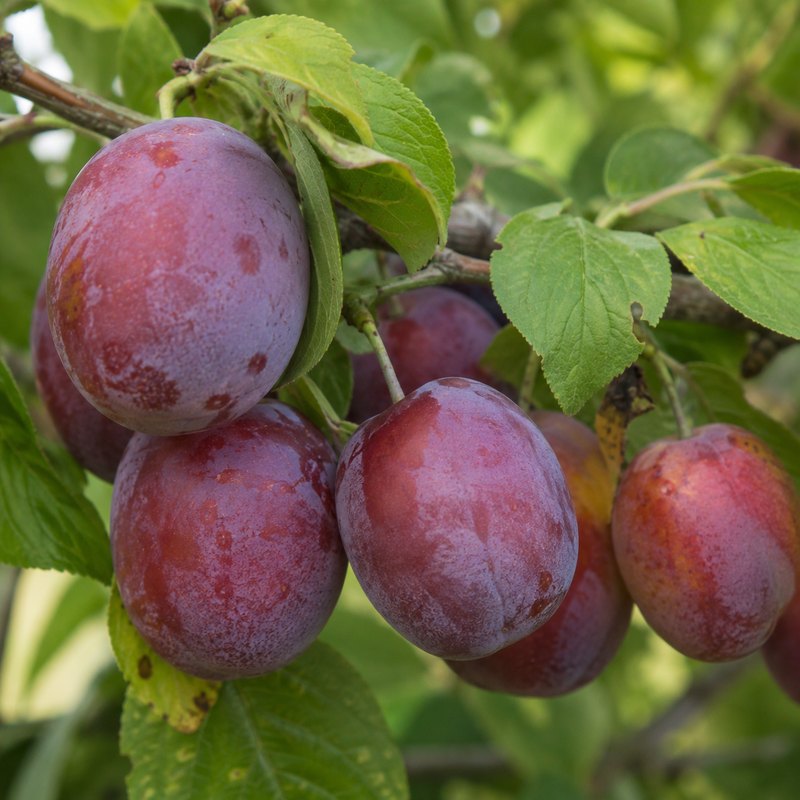
Harvests pick up, and it is time to think about autumn and winter: sow quick salads, oriental leaves and the last rows of carrots and beetroot. Plums and cherries are pruned in summer, never in winter.
Timed for a typical UK garden (last frost mid-April, first frost late October). The PlantSowGrow app dates every job from your own town's frost dates.
Sow indoors in July 4
On a windowsill, in a propagator or in a greenhouse.
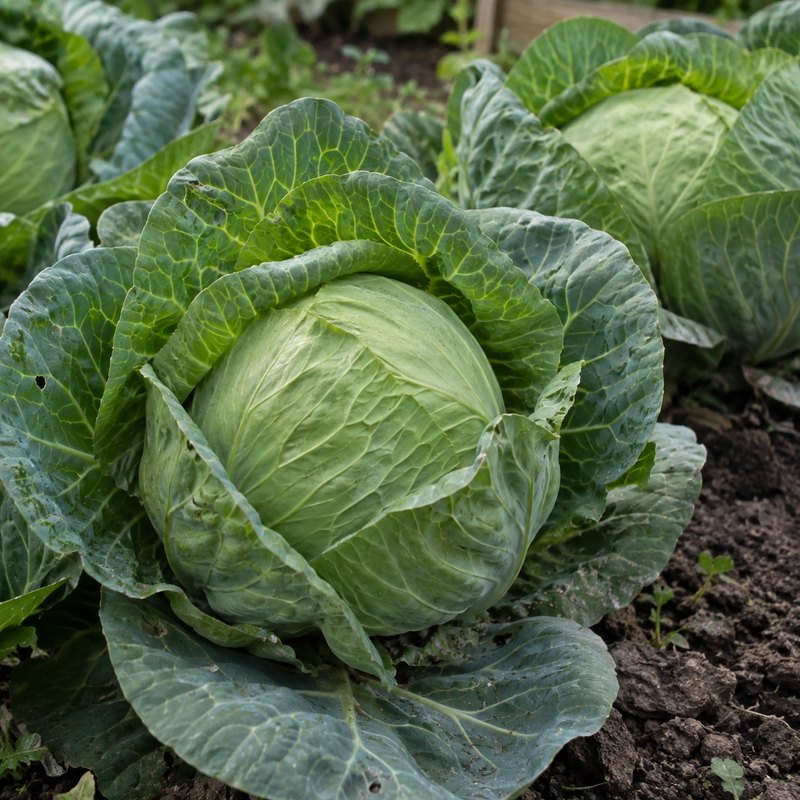
🥕 Vegetables 1
🌸 Flowers 3
Sow outdoors in July 45
Straight into the ground, a raised bed or pots outside.
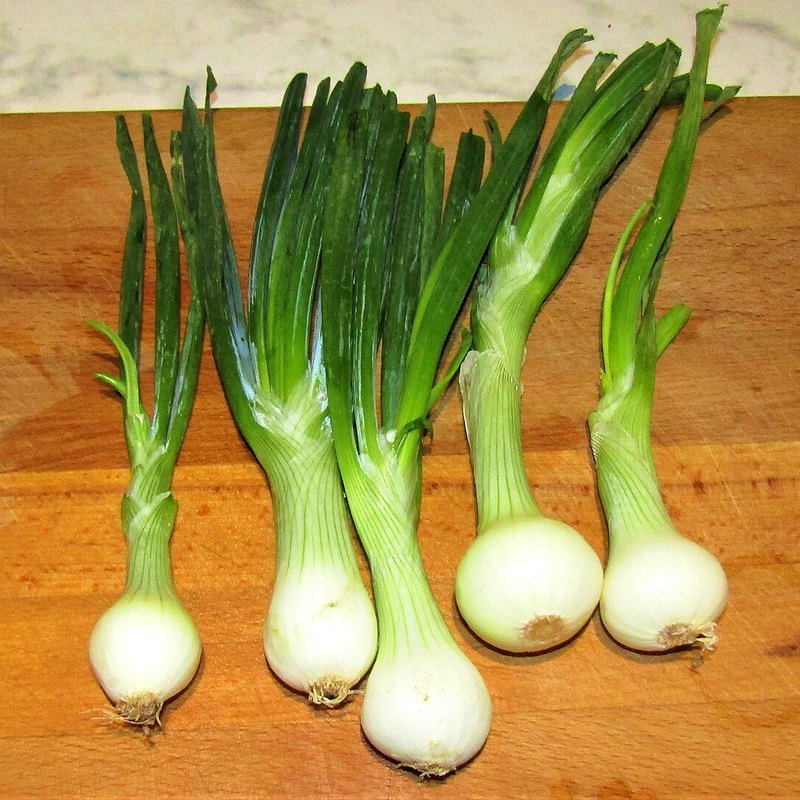
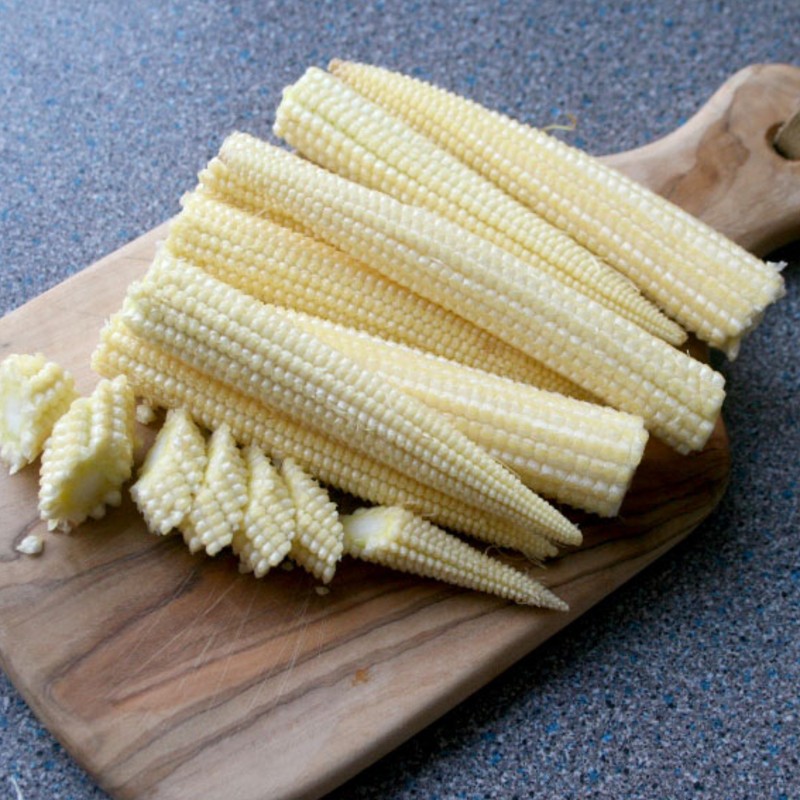
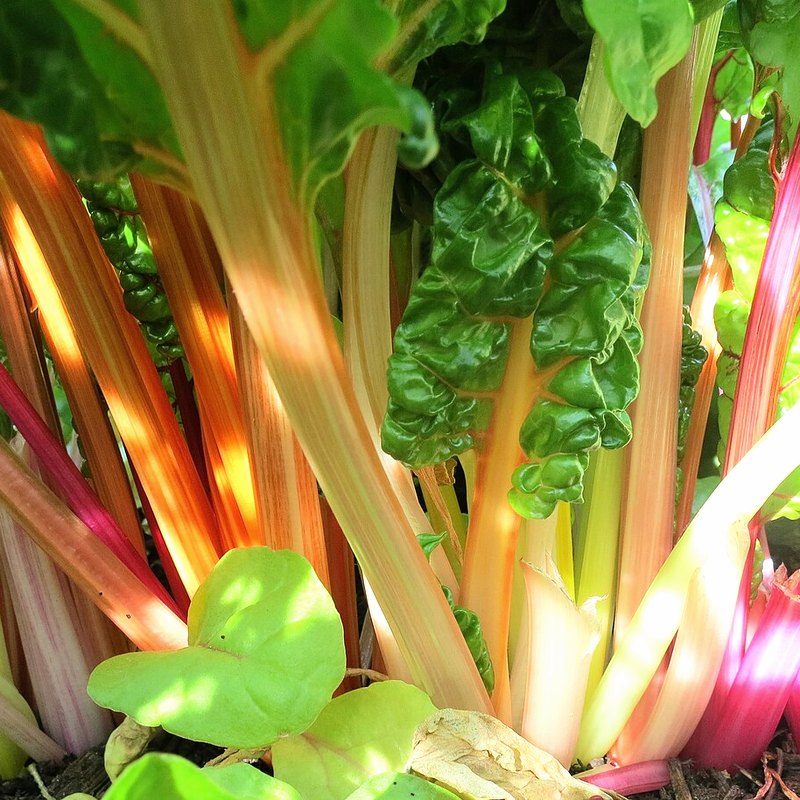
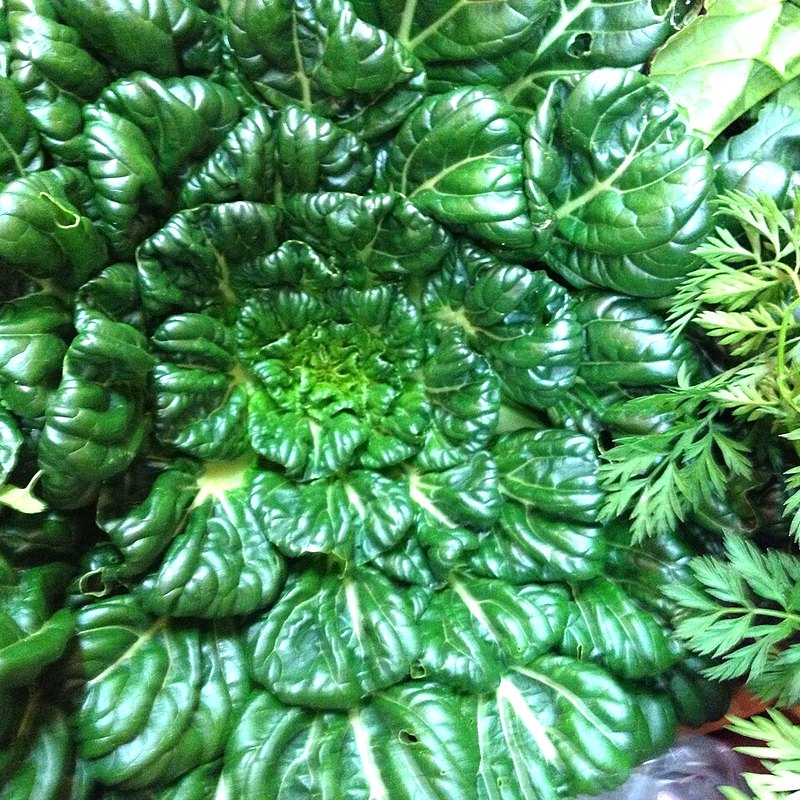
🥕 Vegetables 38
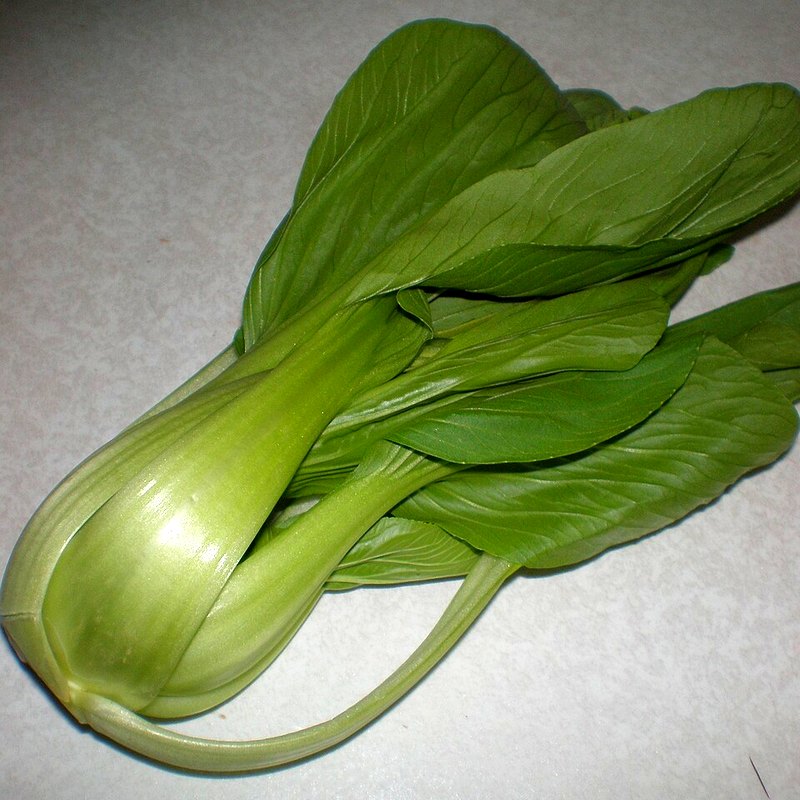
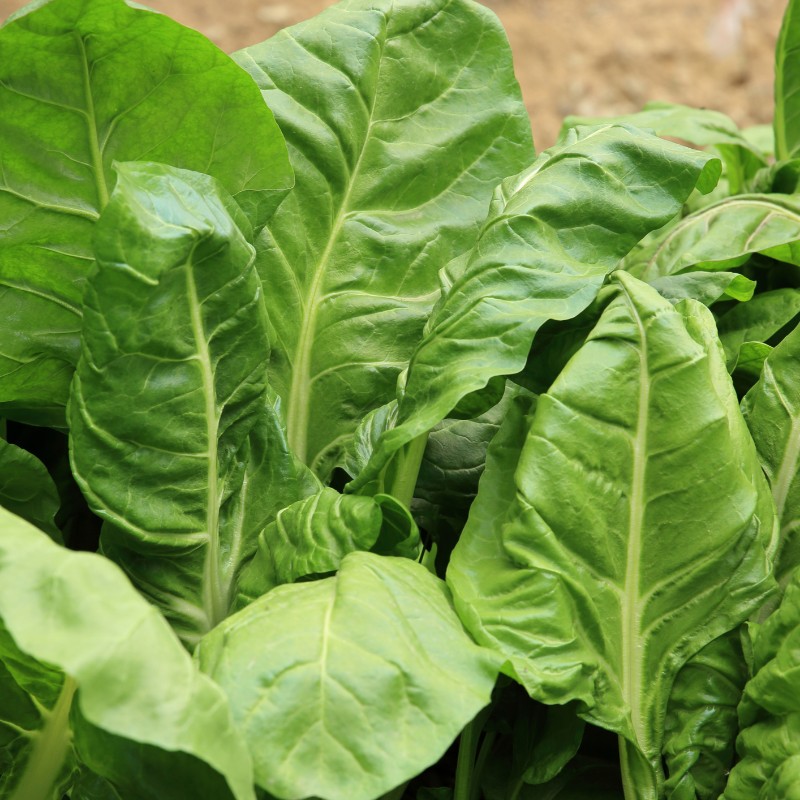
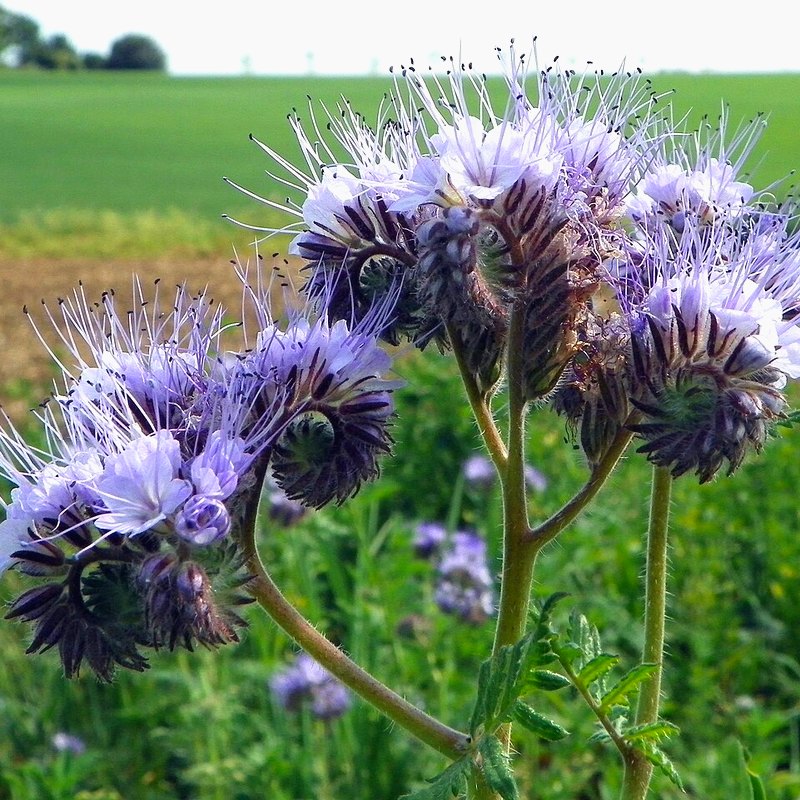
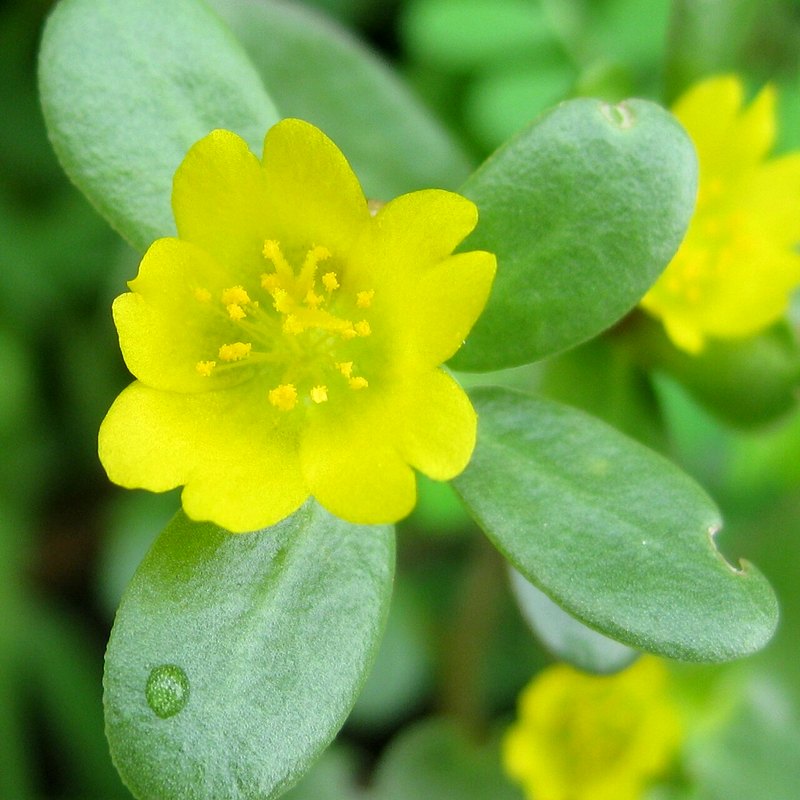
🌿 Herbs 7
Plant in July 5
Young plants, sets, tubers and bulbs into the ground.
🥕 Vegetables 5
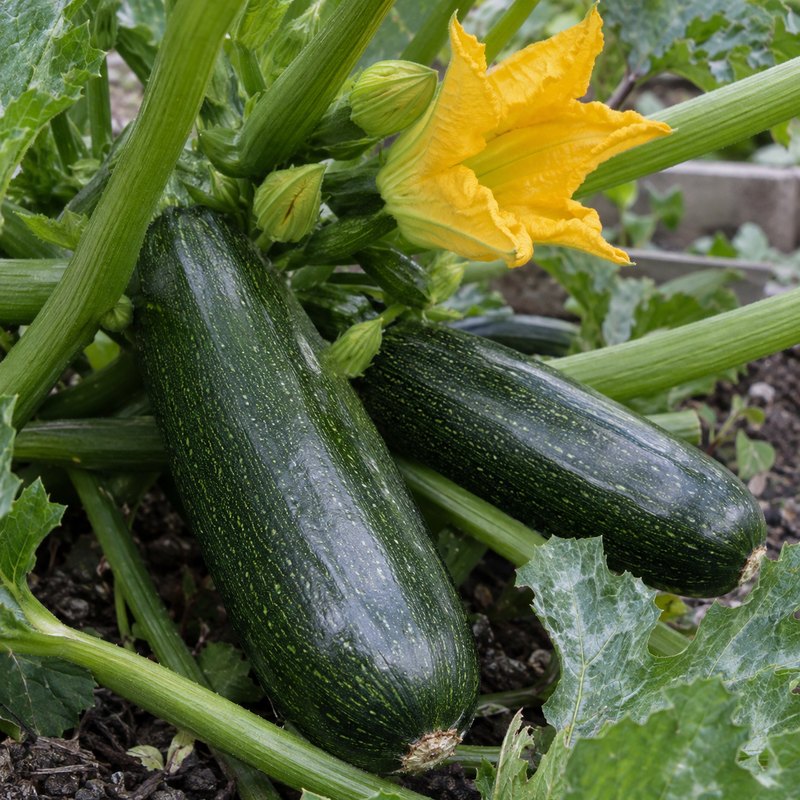
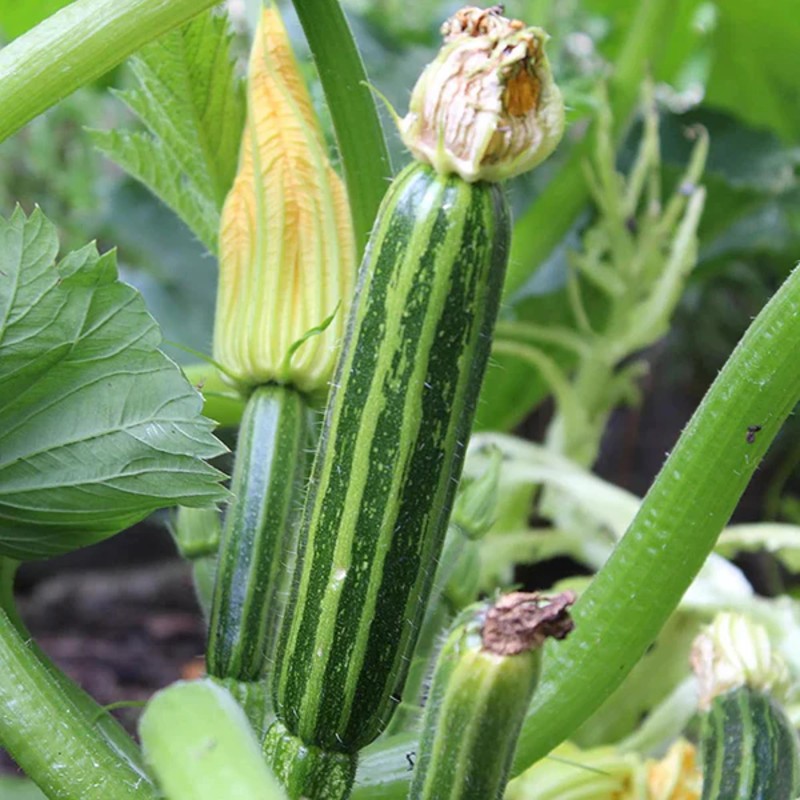
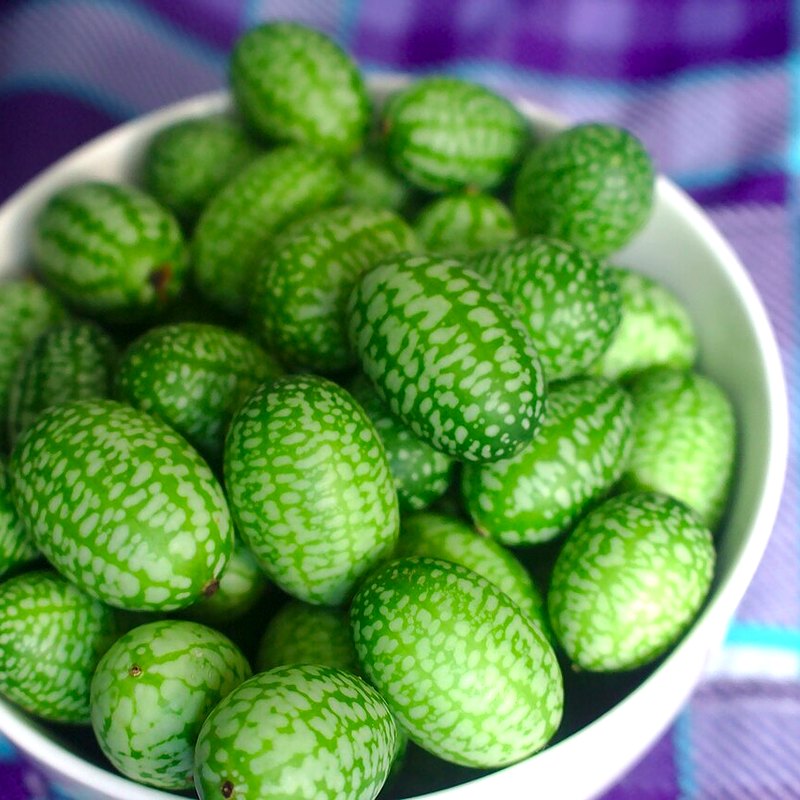
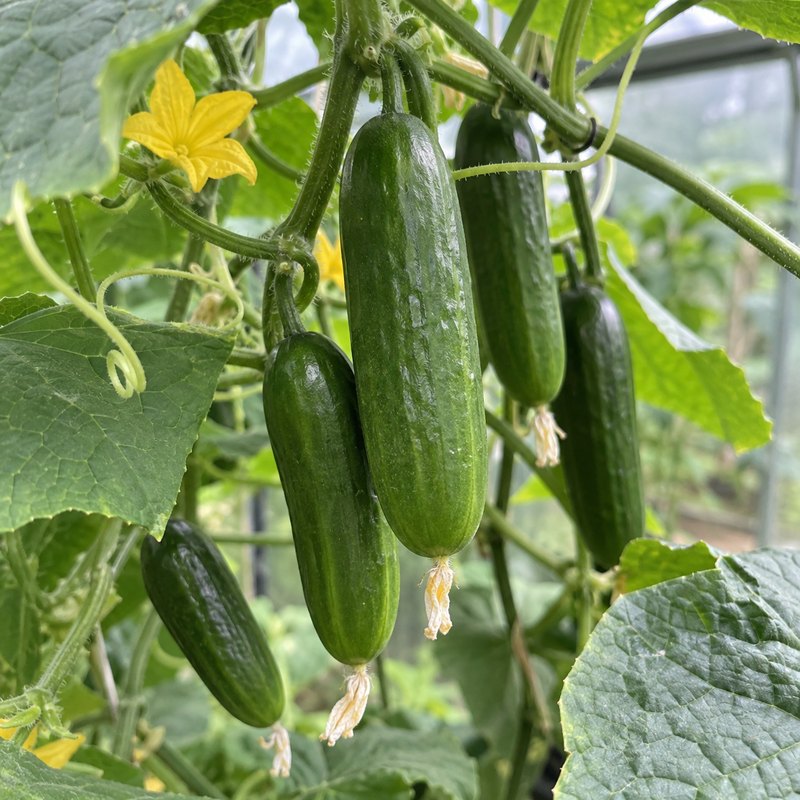
Ready to harvest in July 116
What you can be picking or lifting this month.
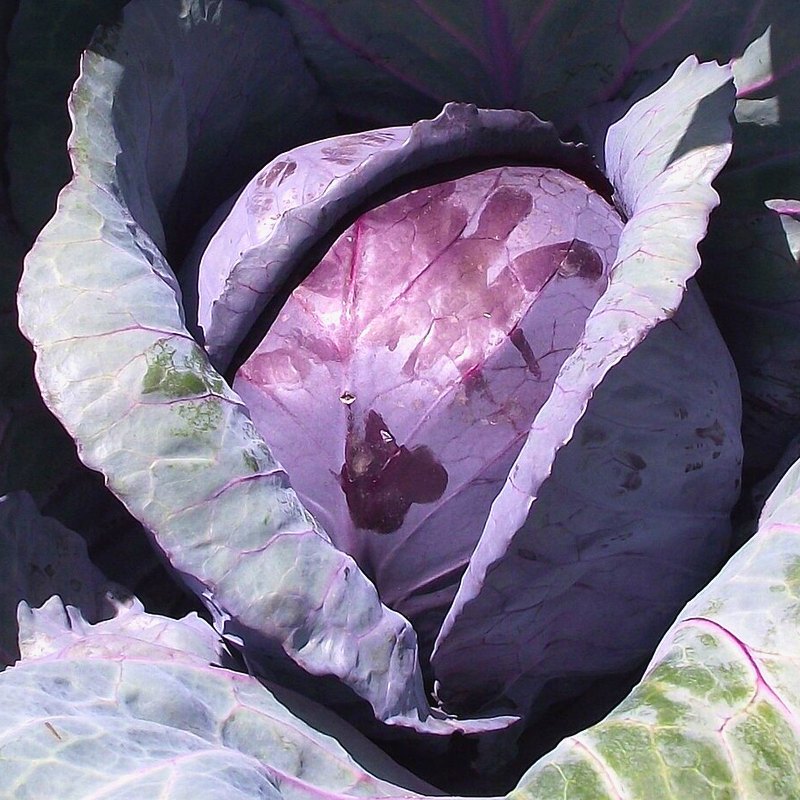
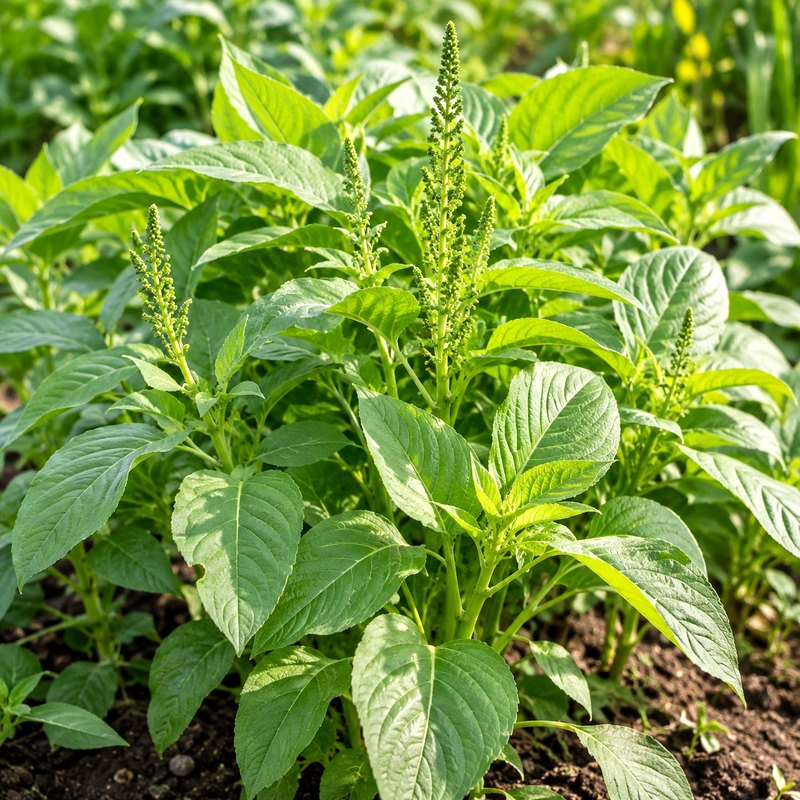
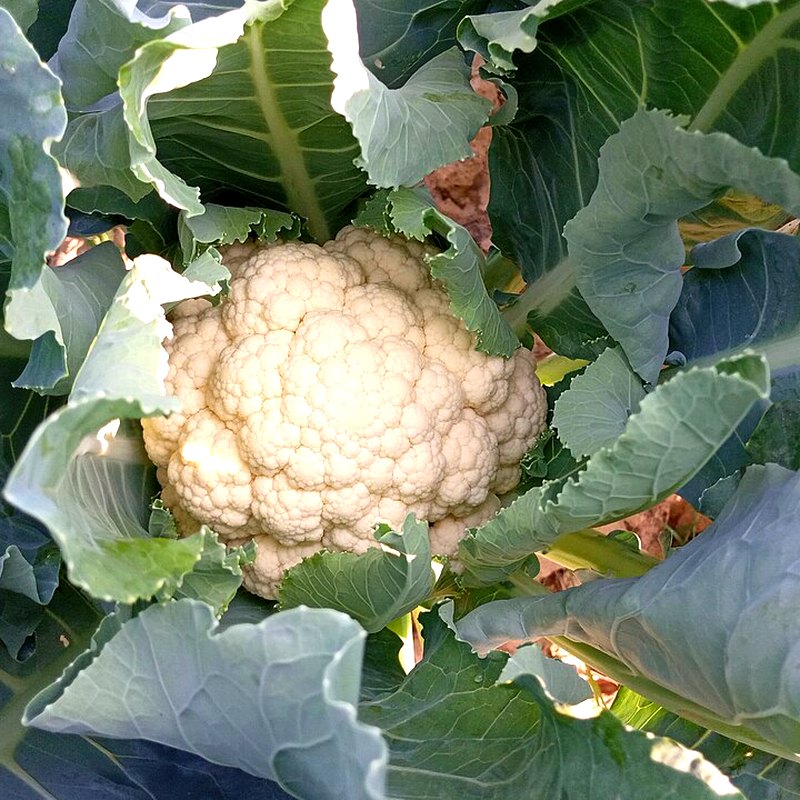
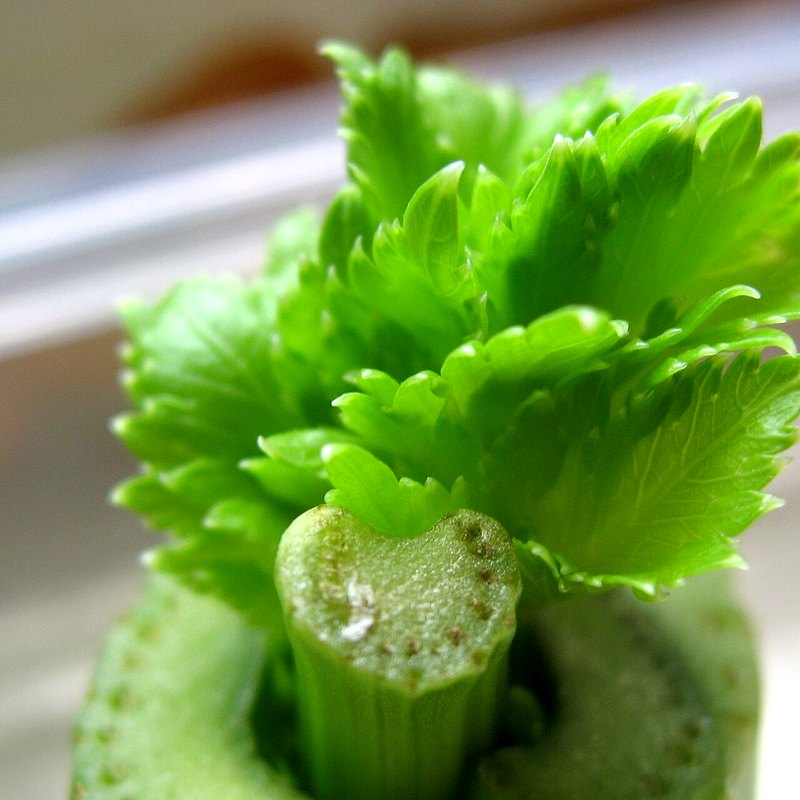
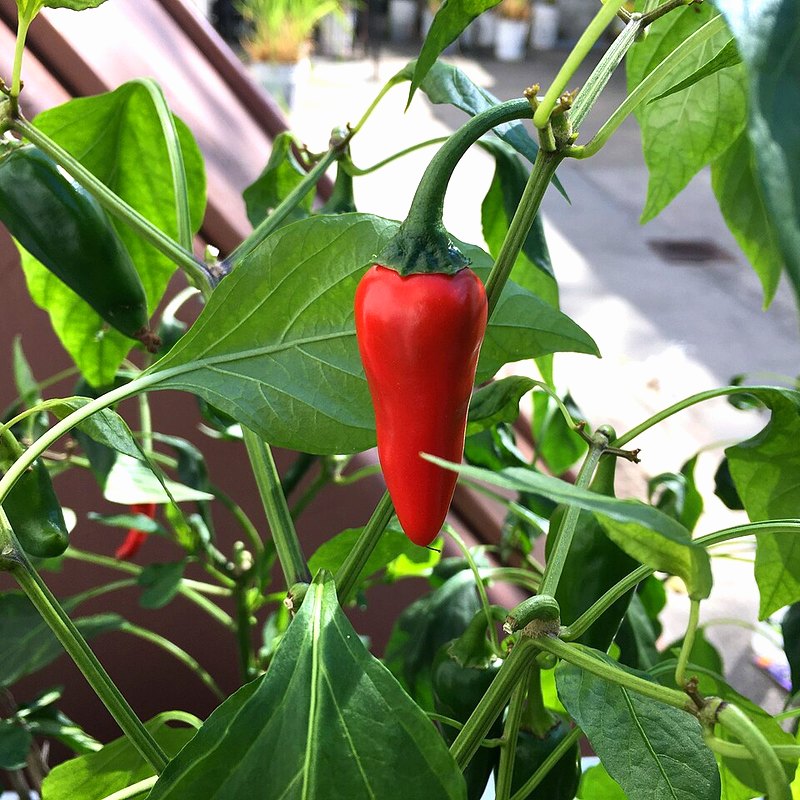
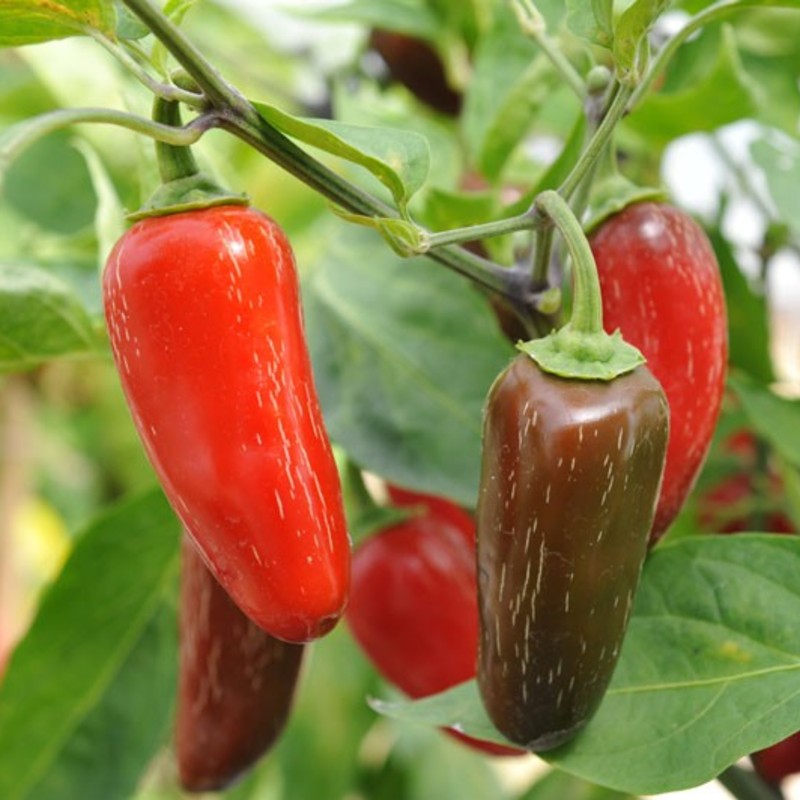
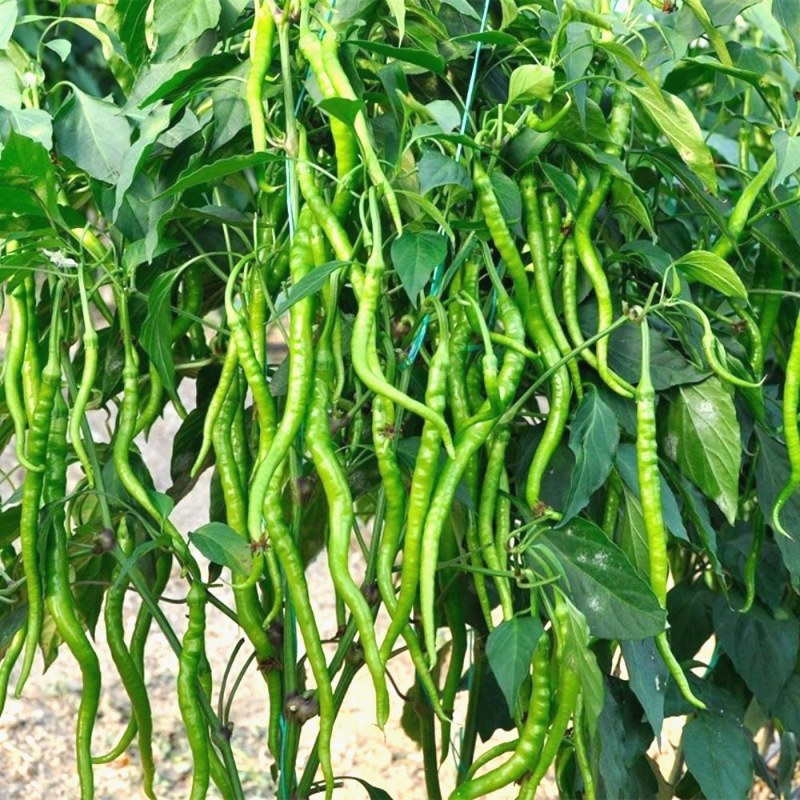
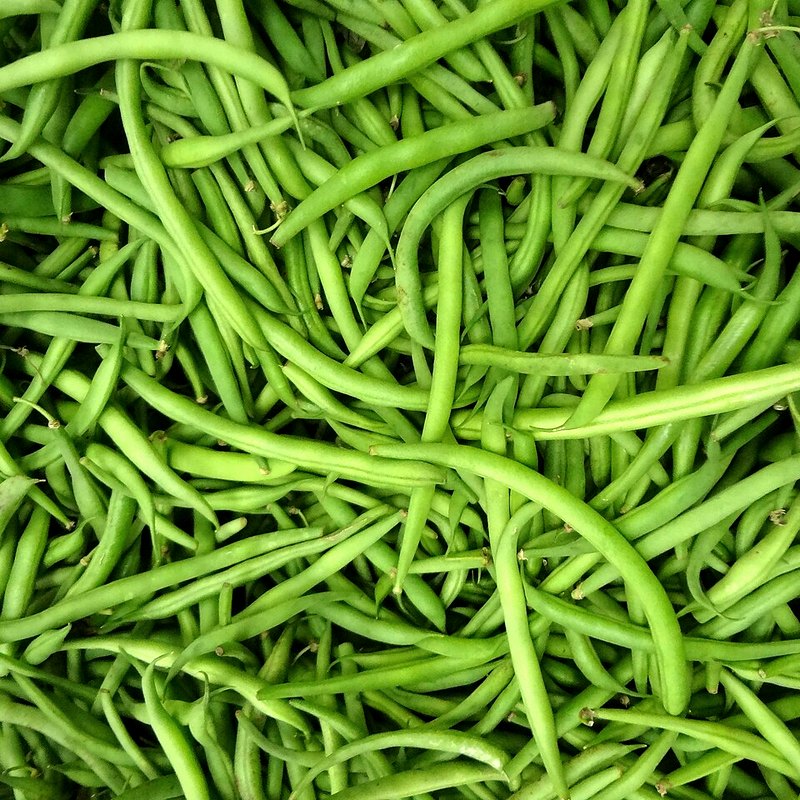
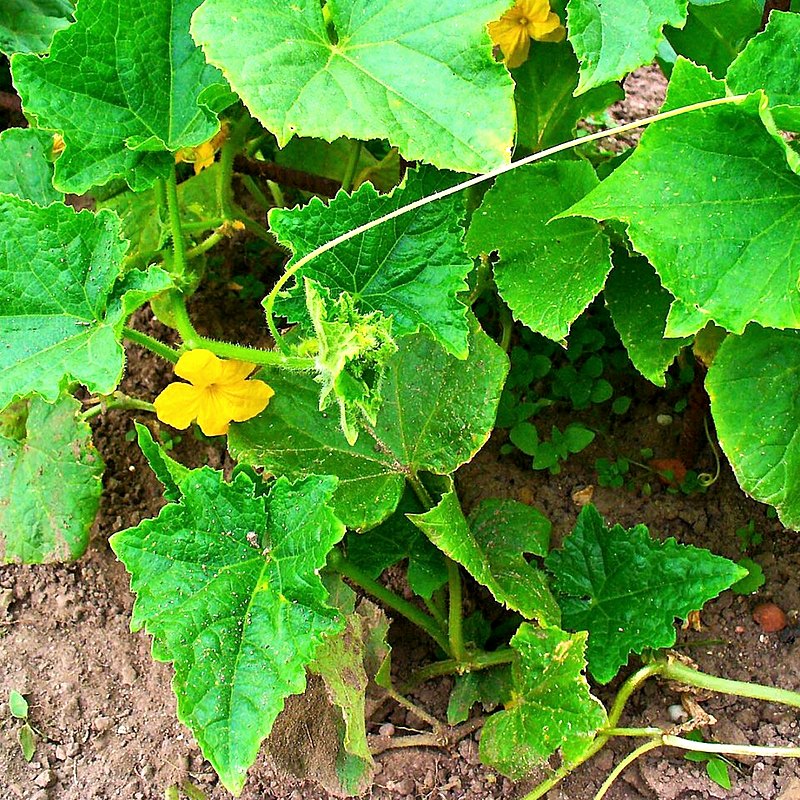
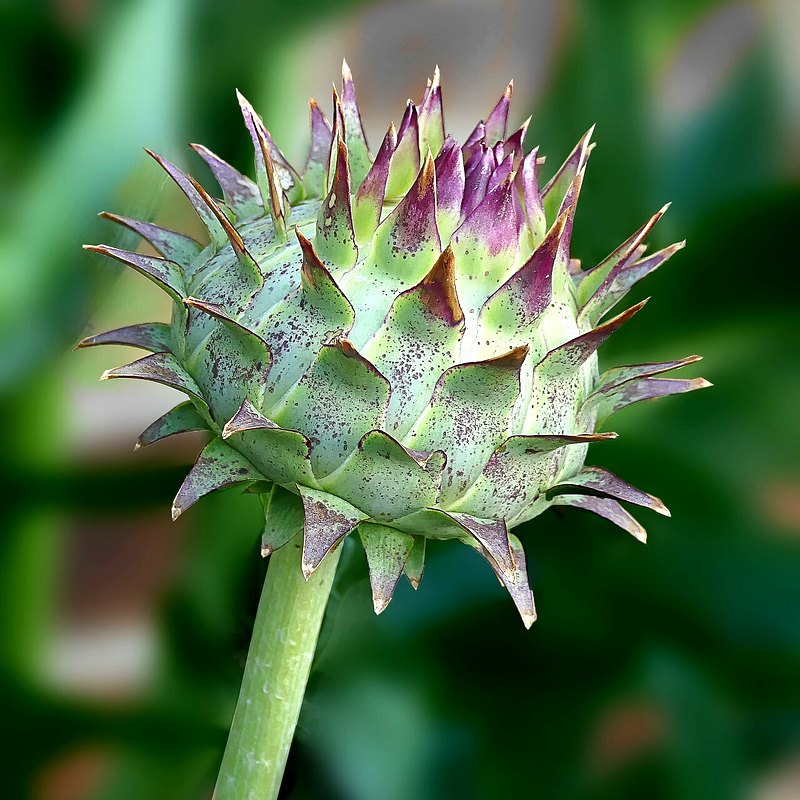
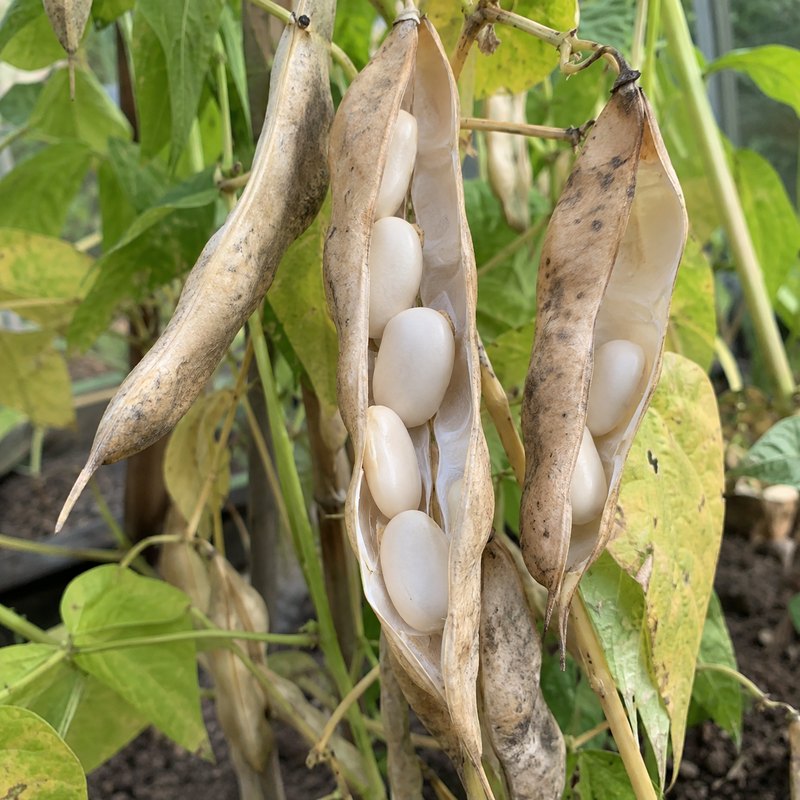
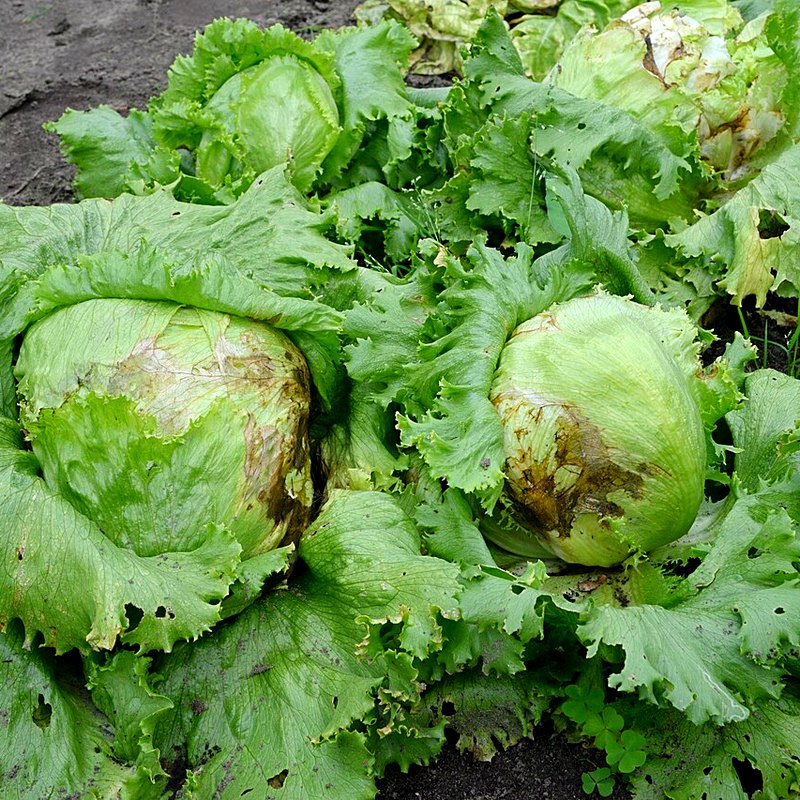
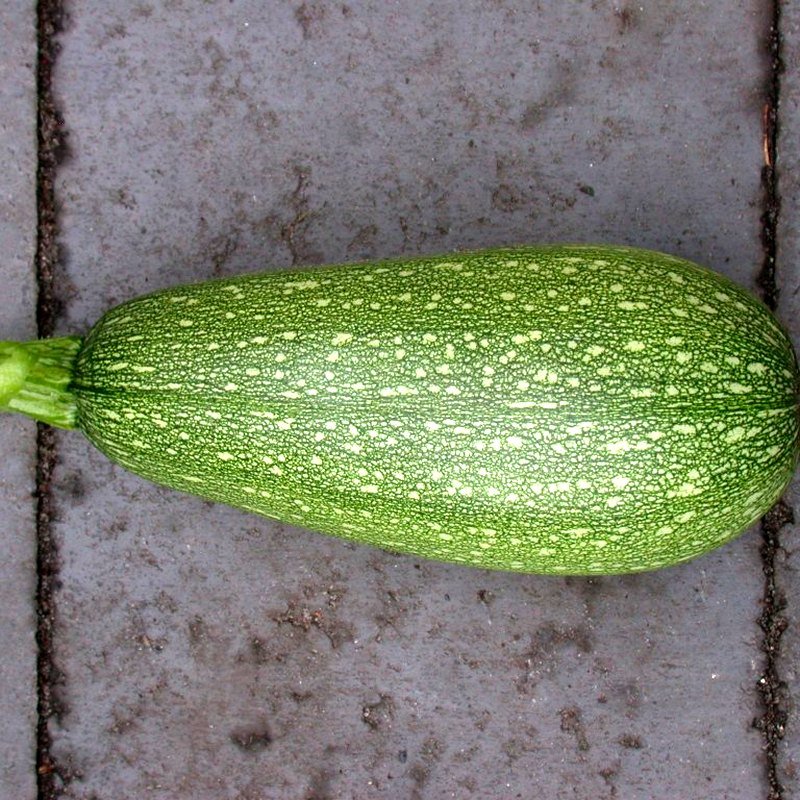
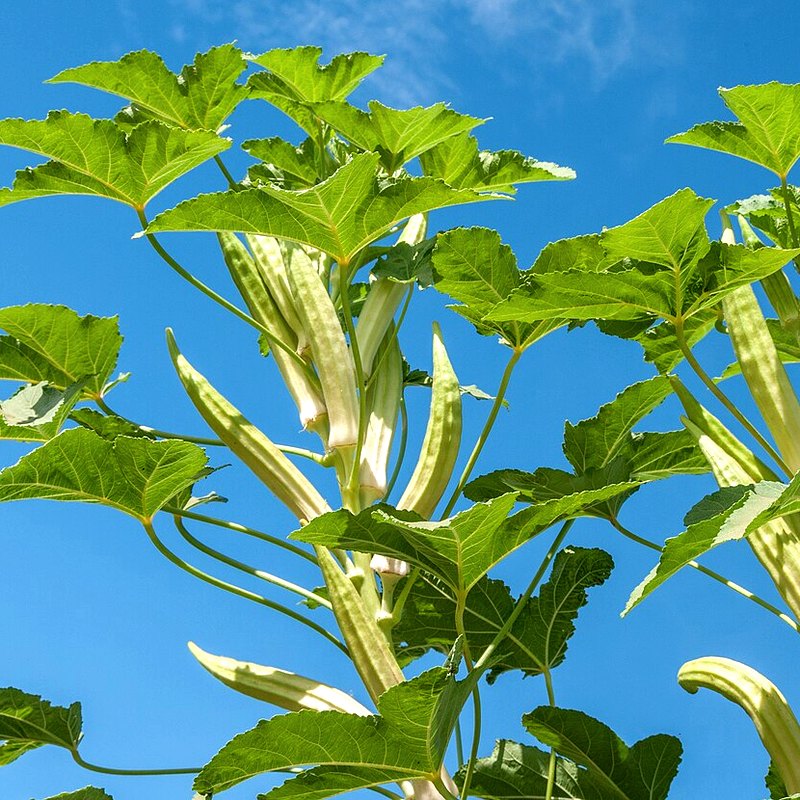
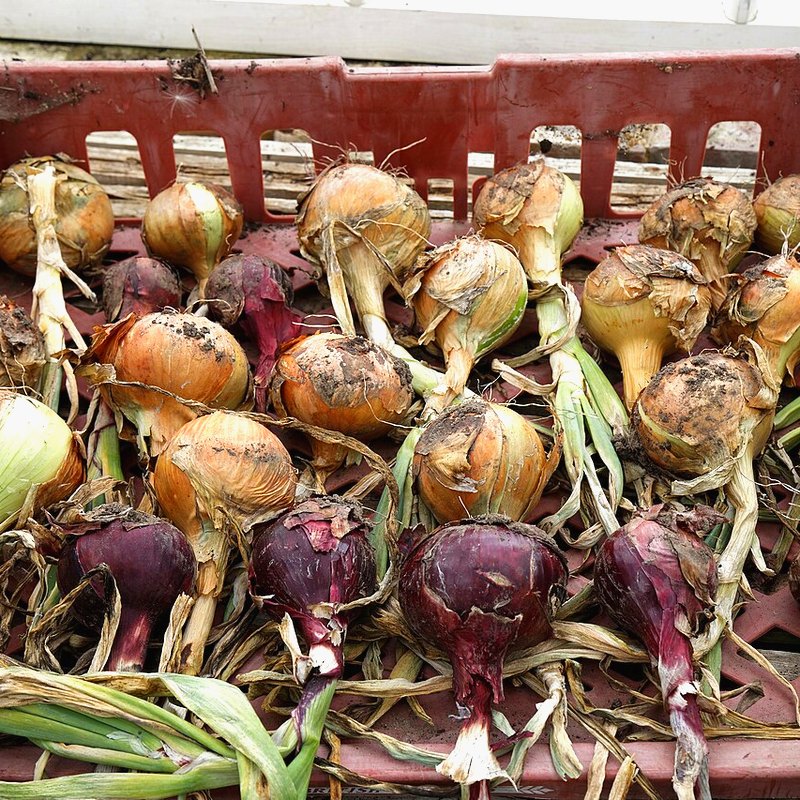
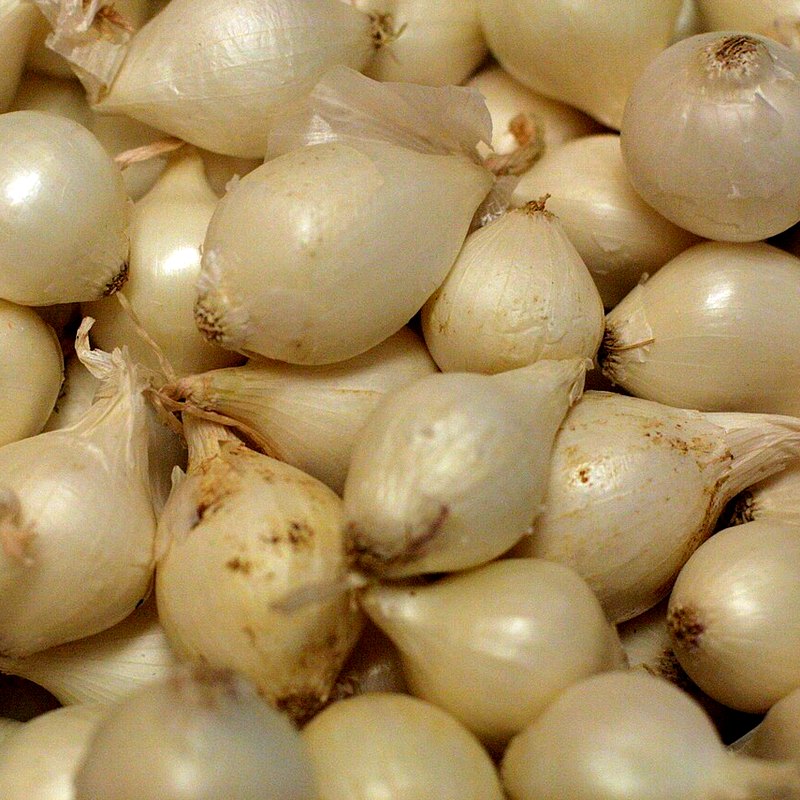
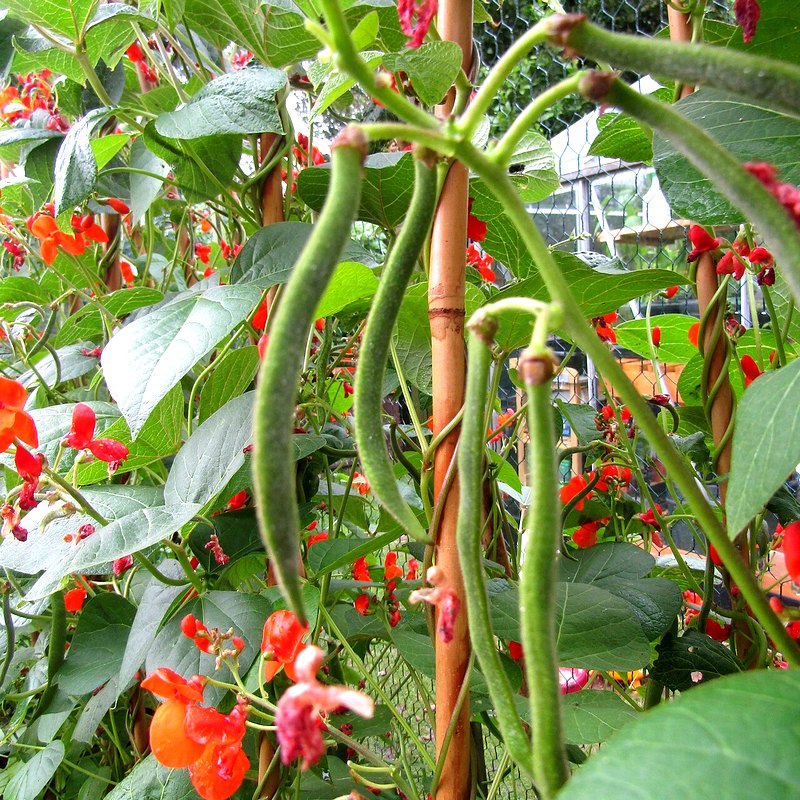
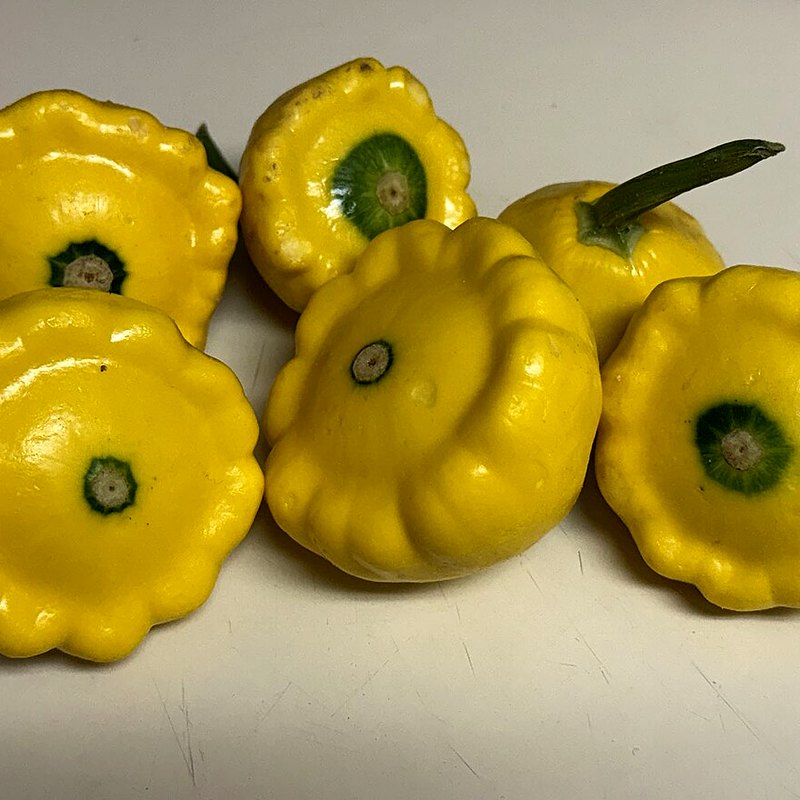
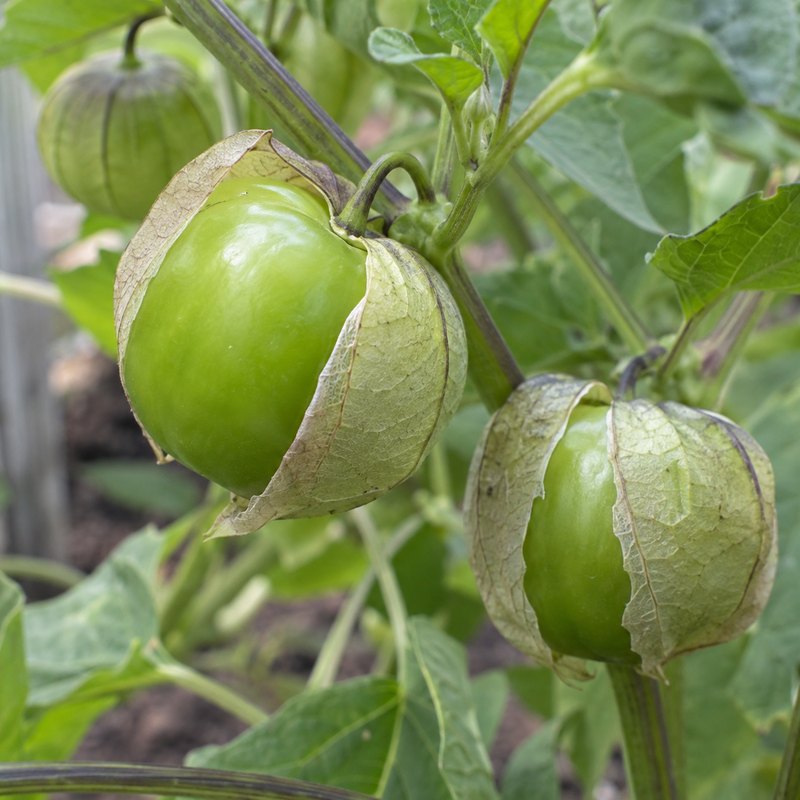
🥕 Vegetables 67
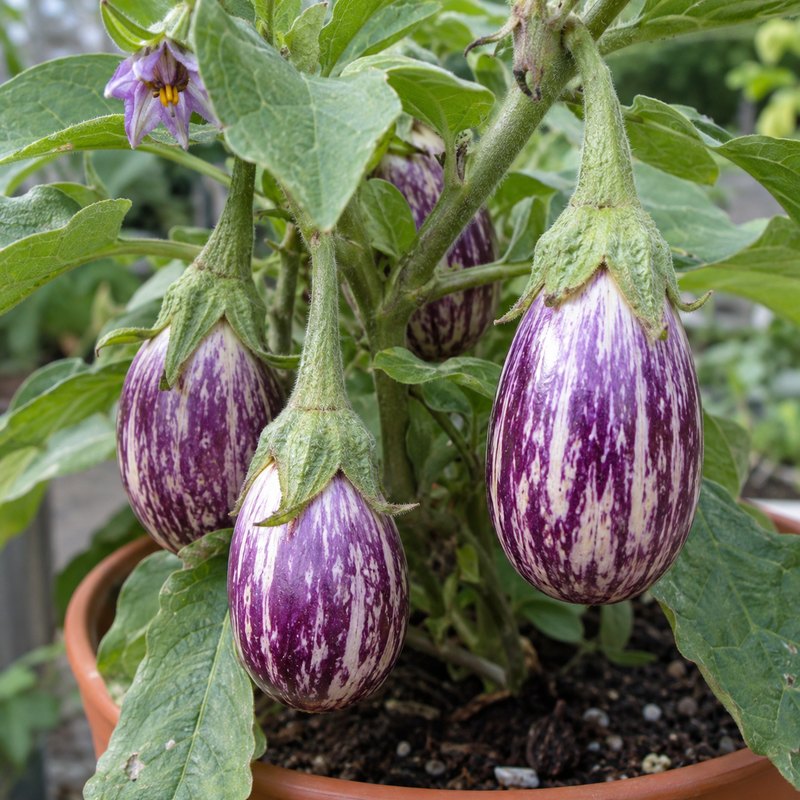
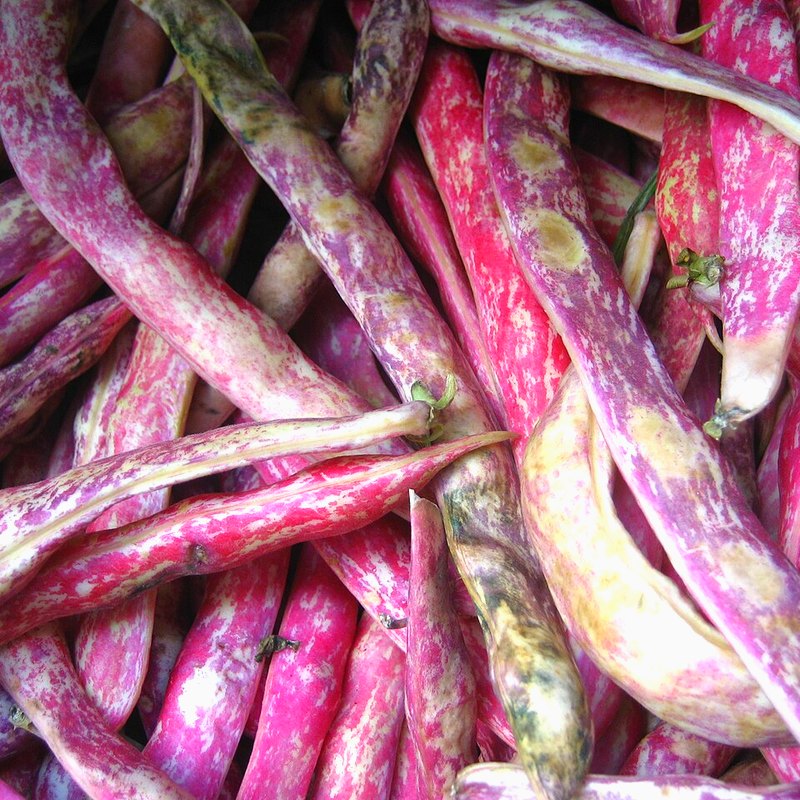
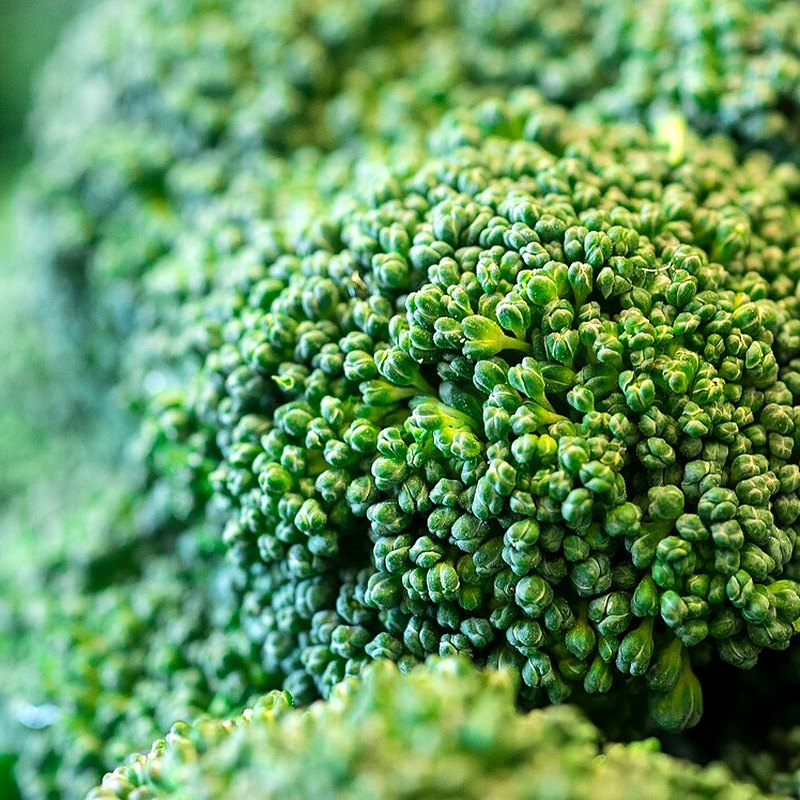
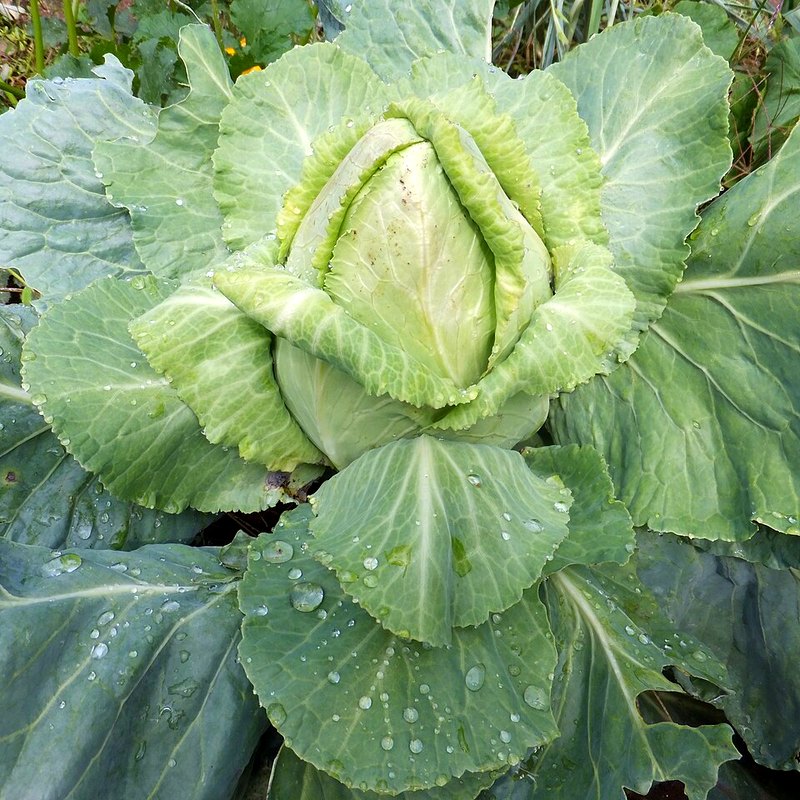
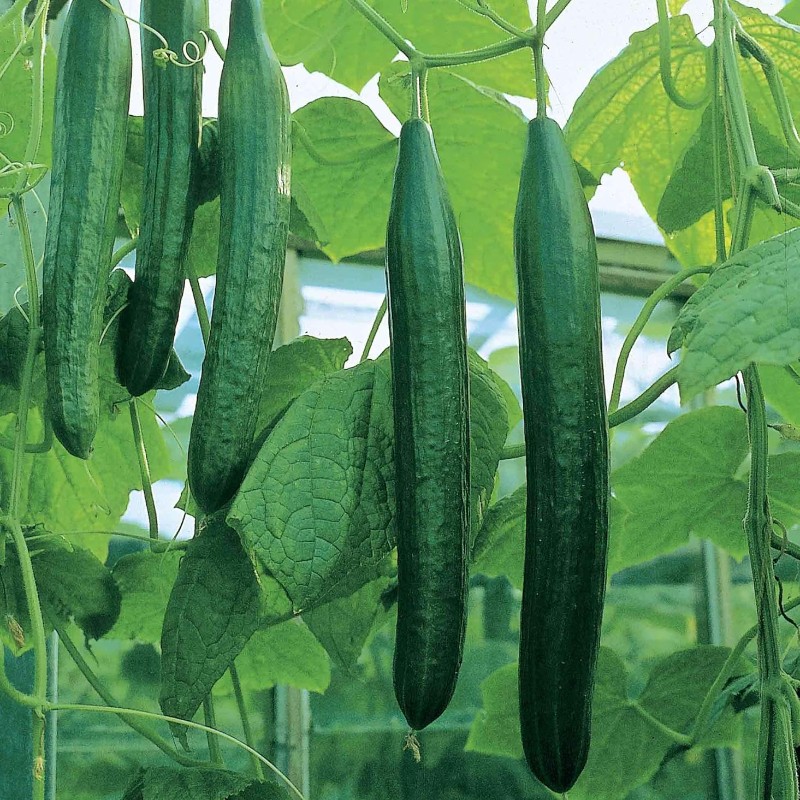
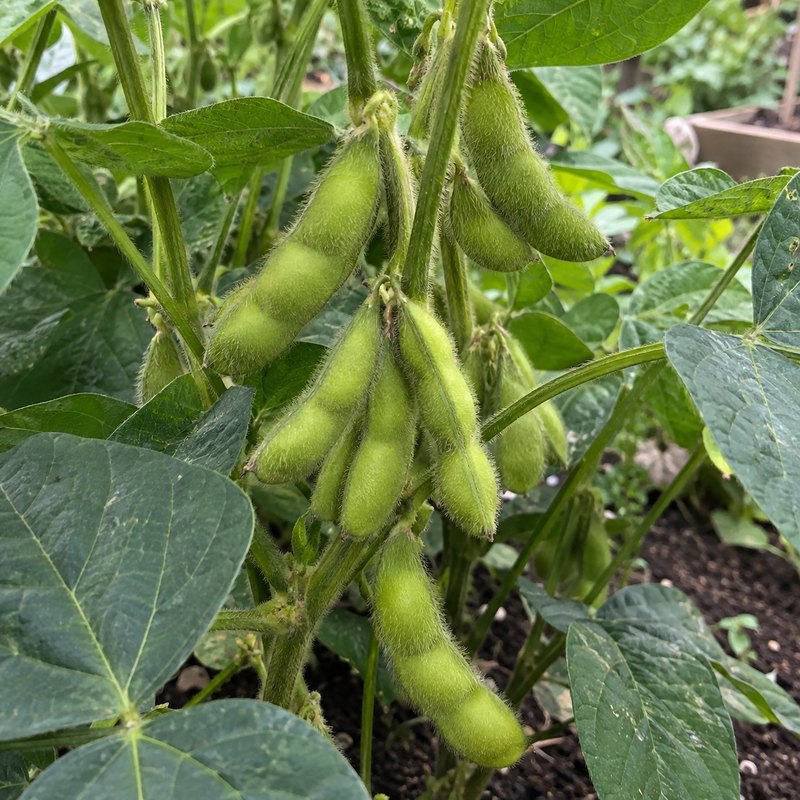
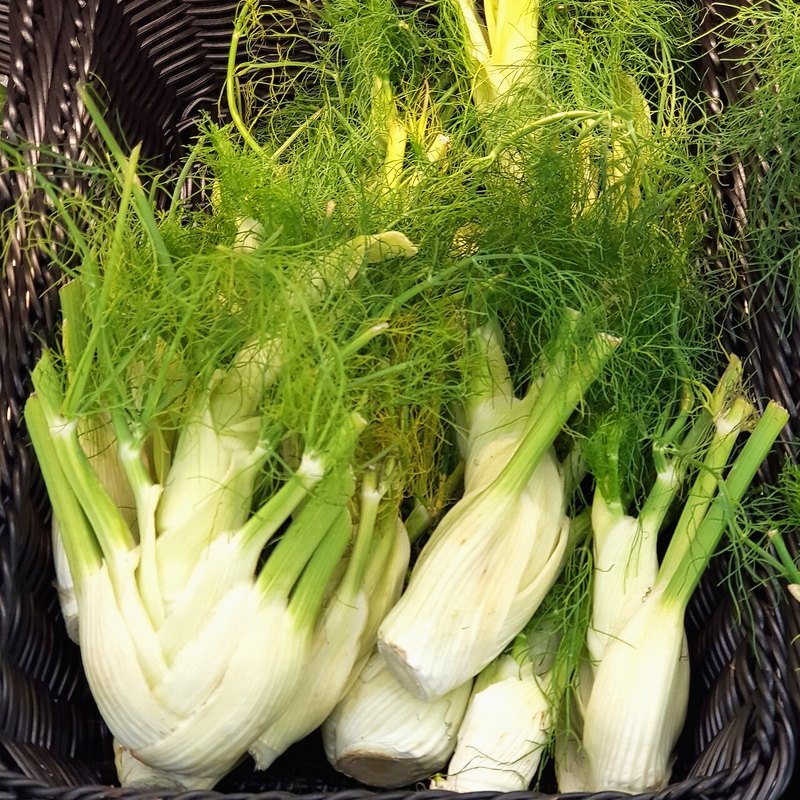
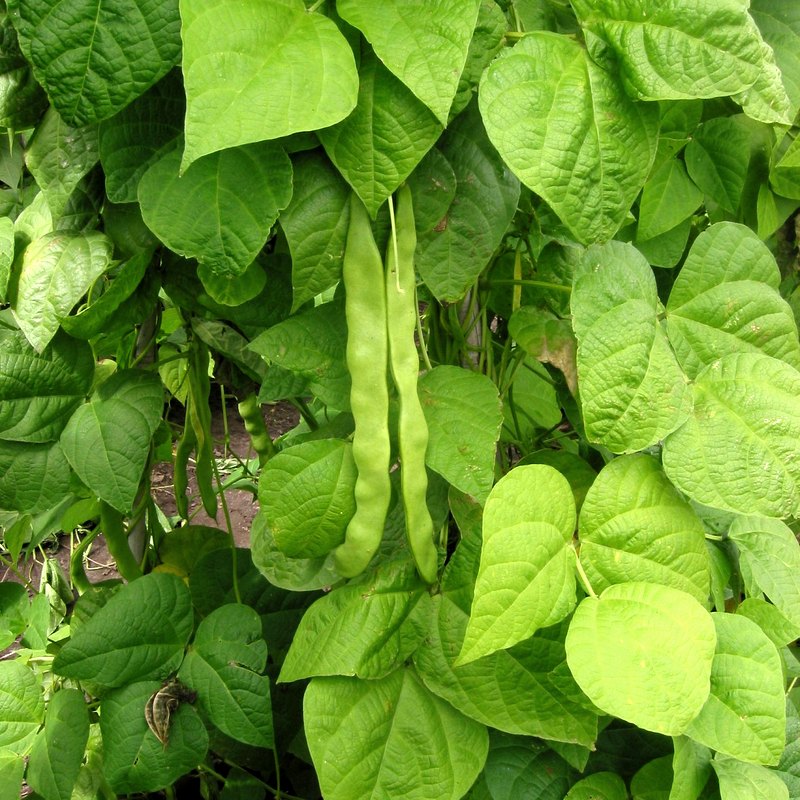
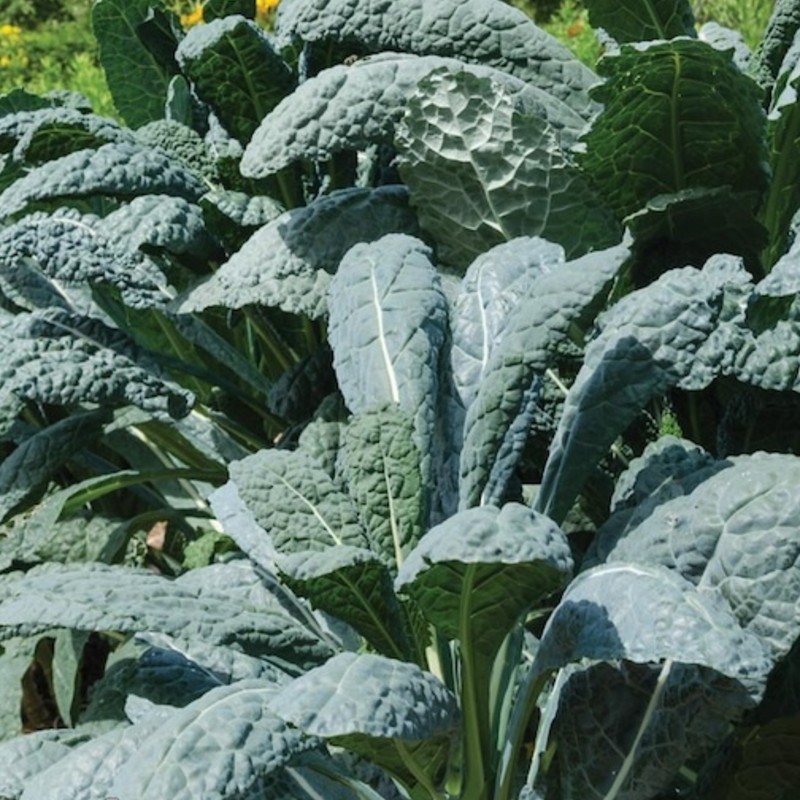
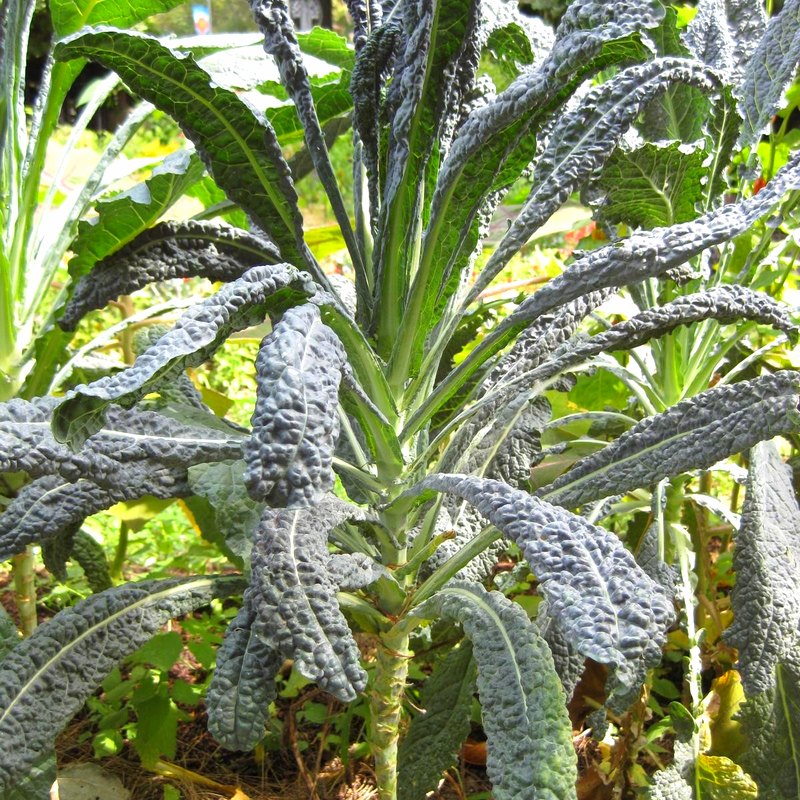
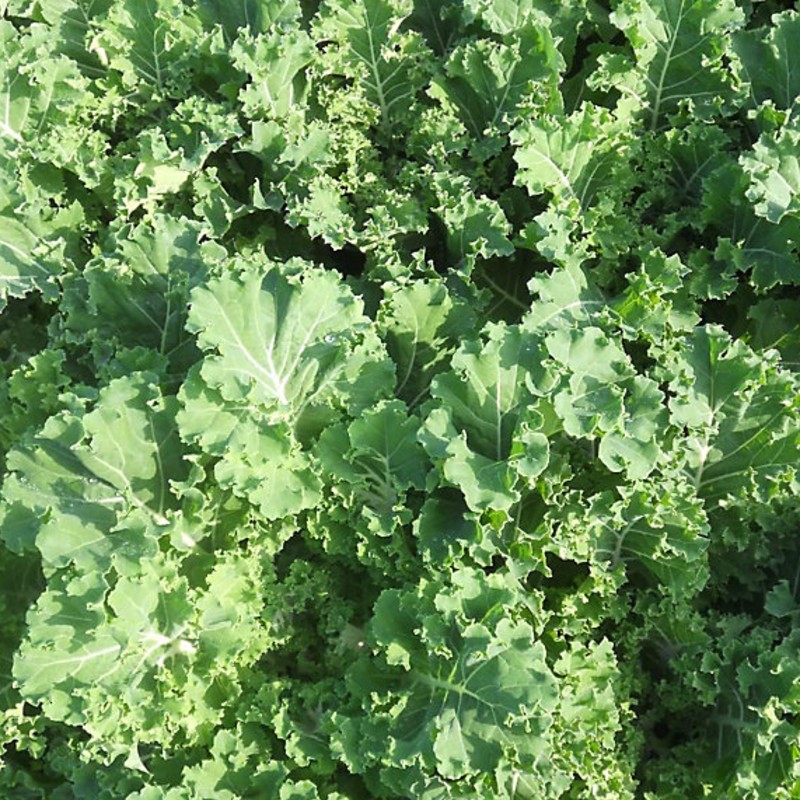
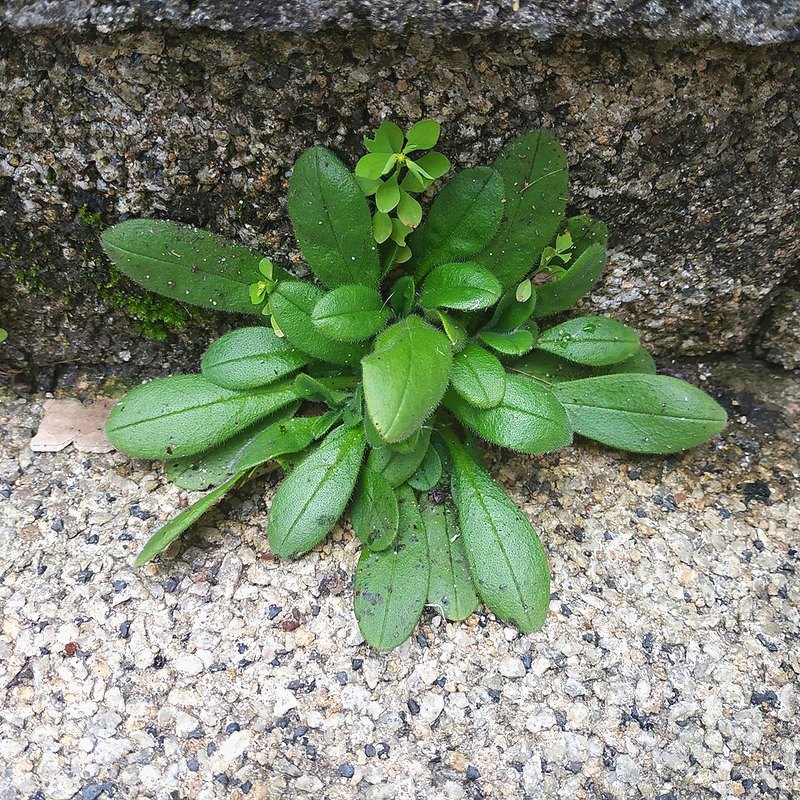
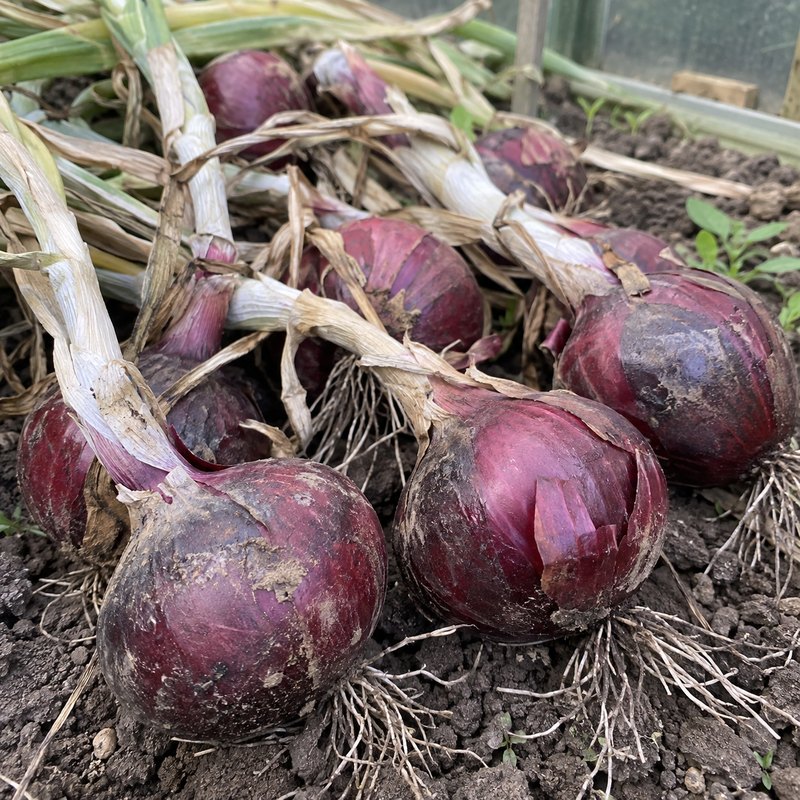
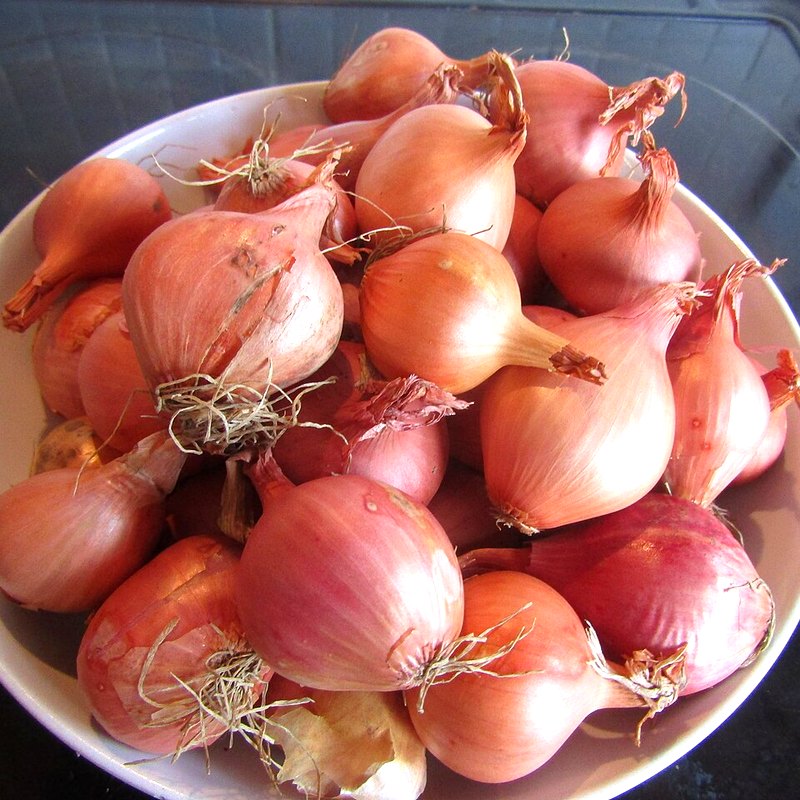
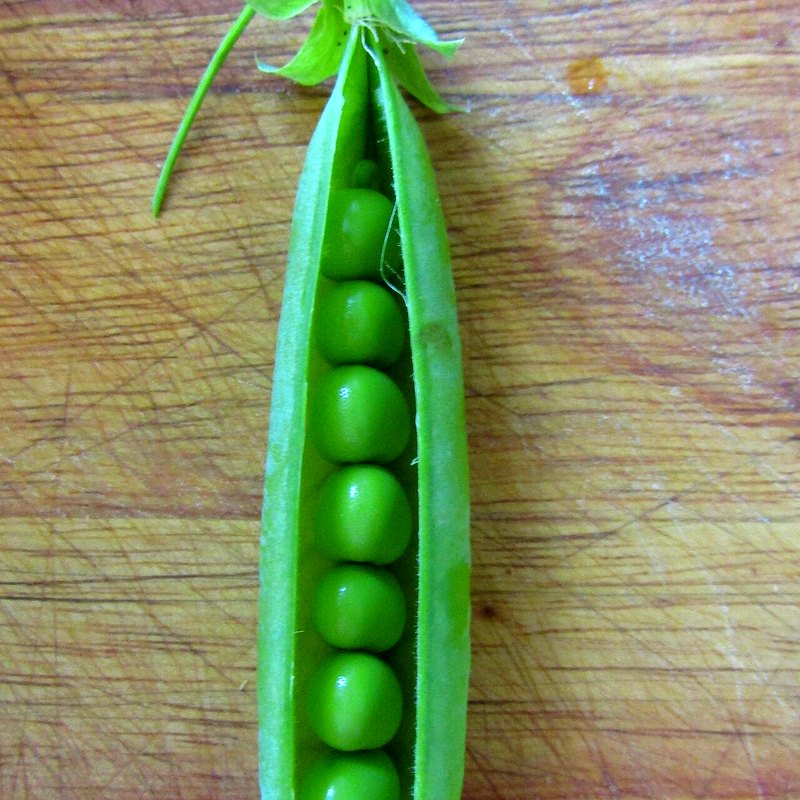
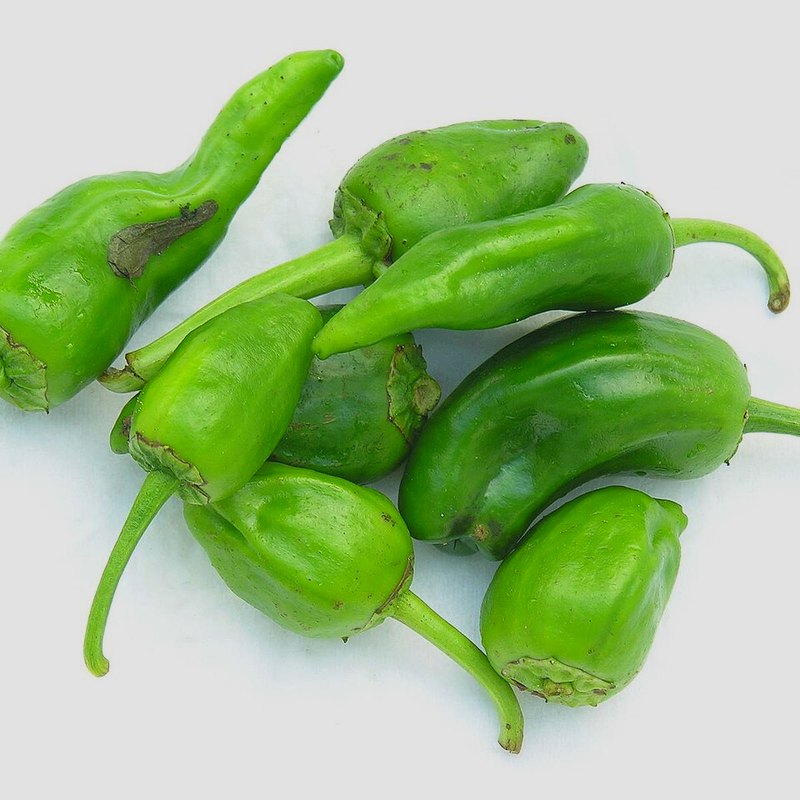
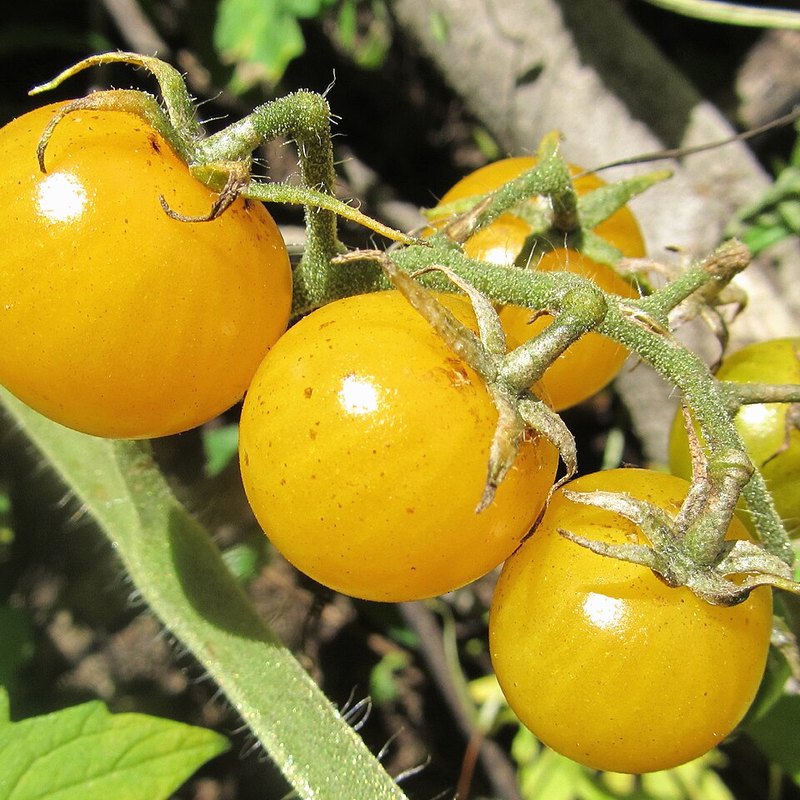
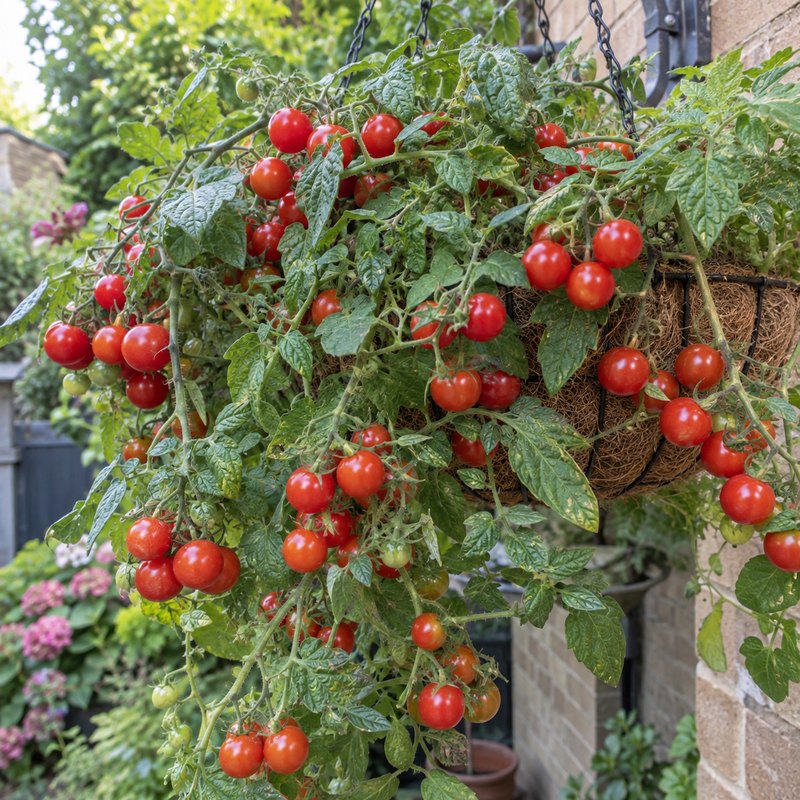
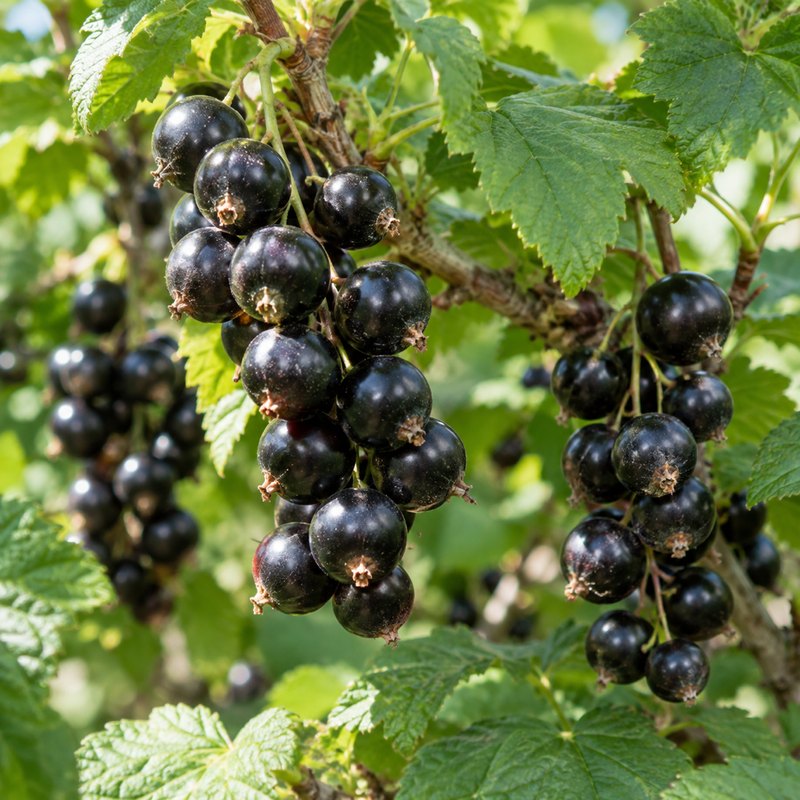
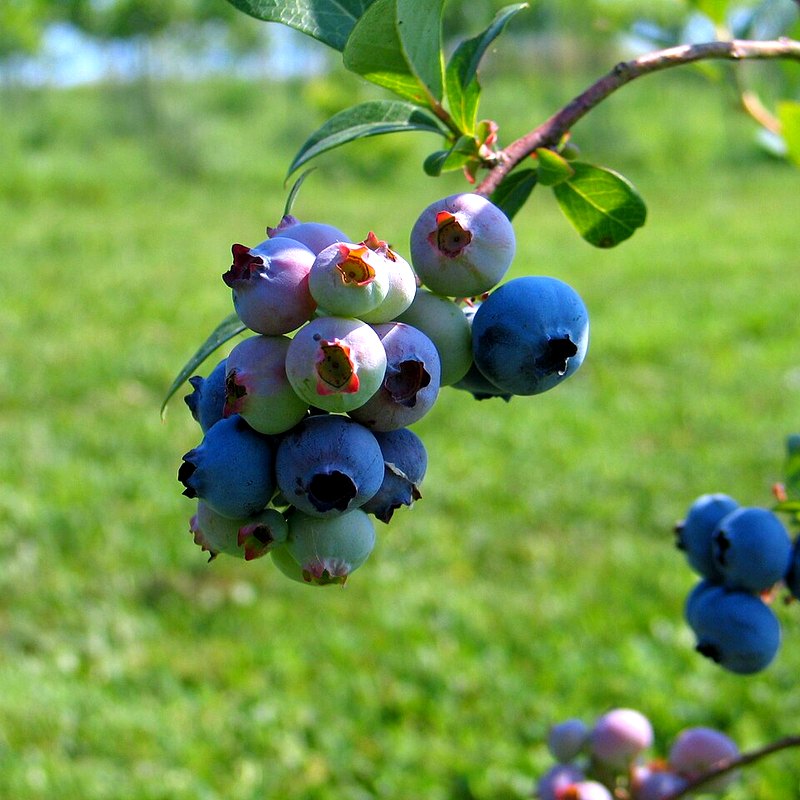
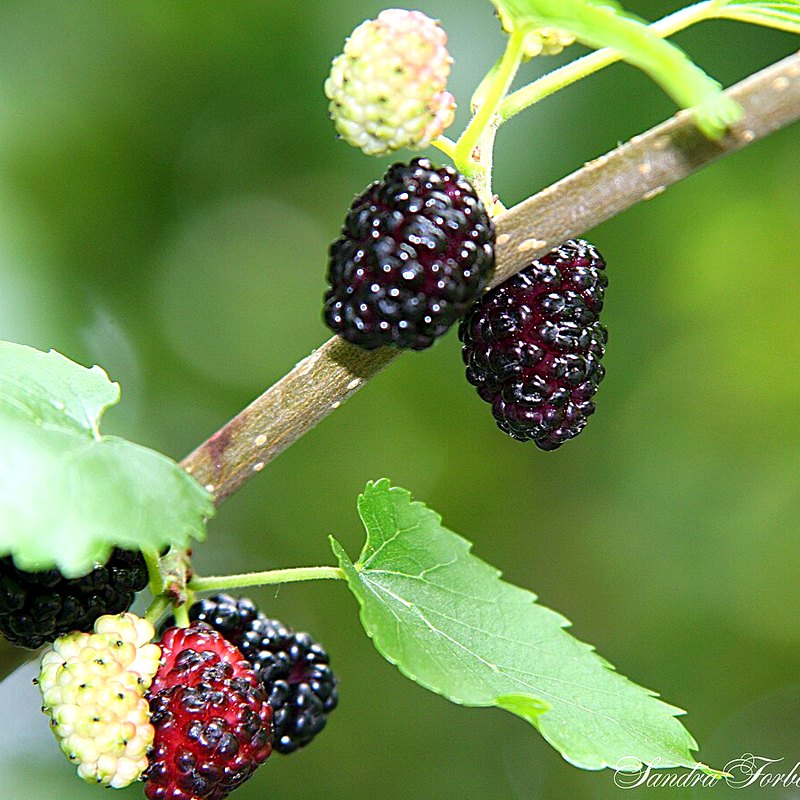
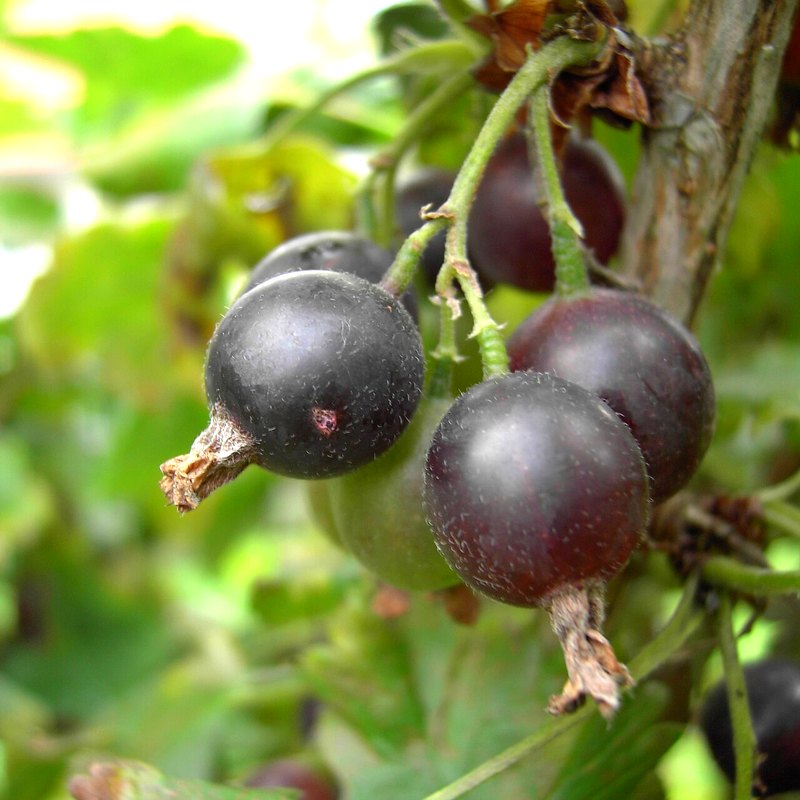
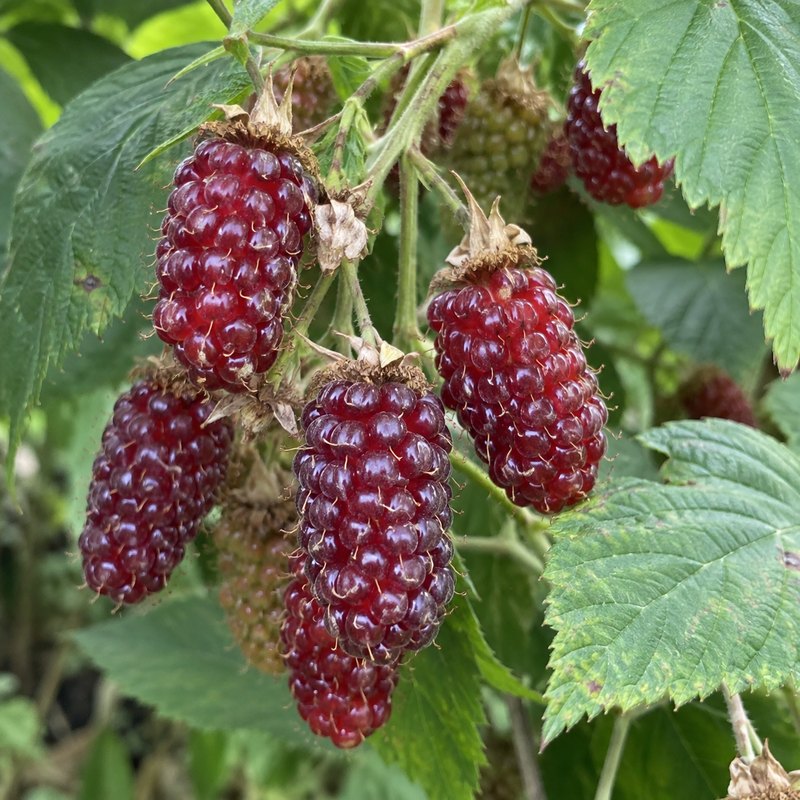
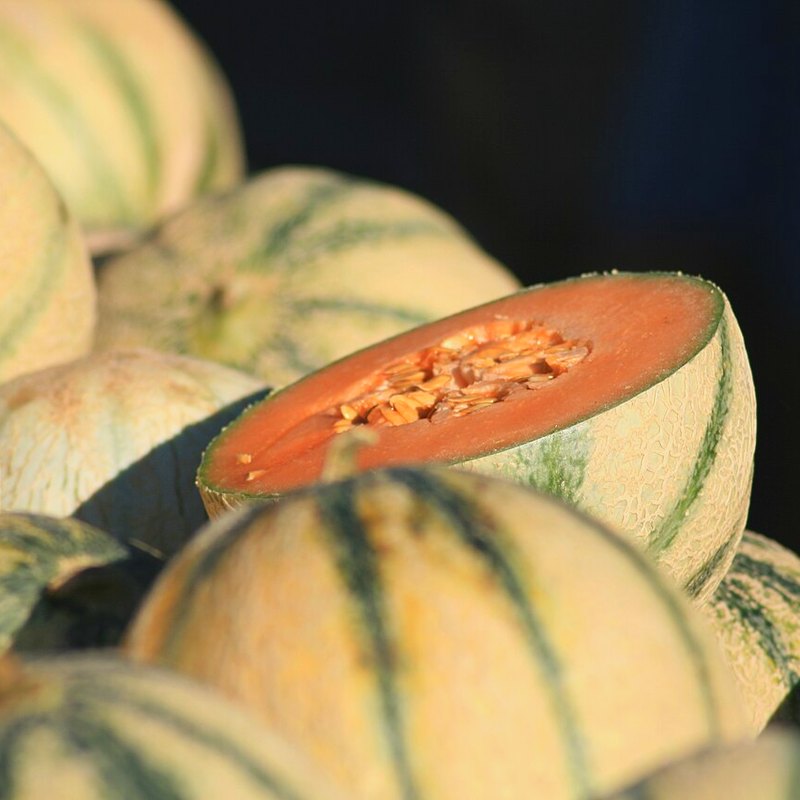
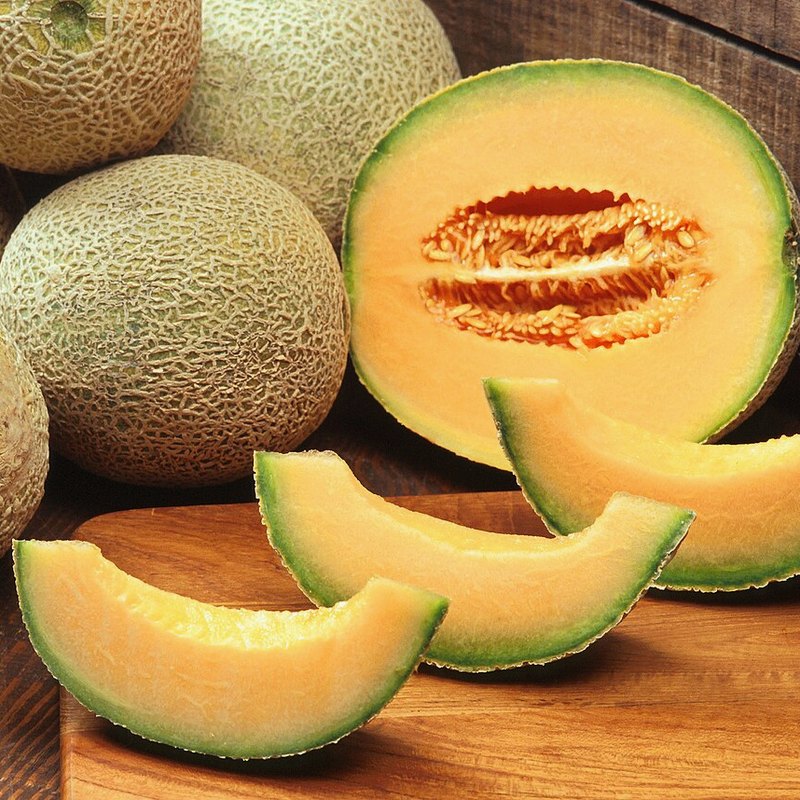
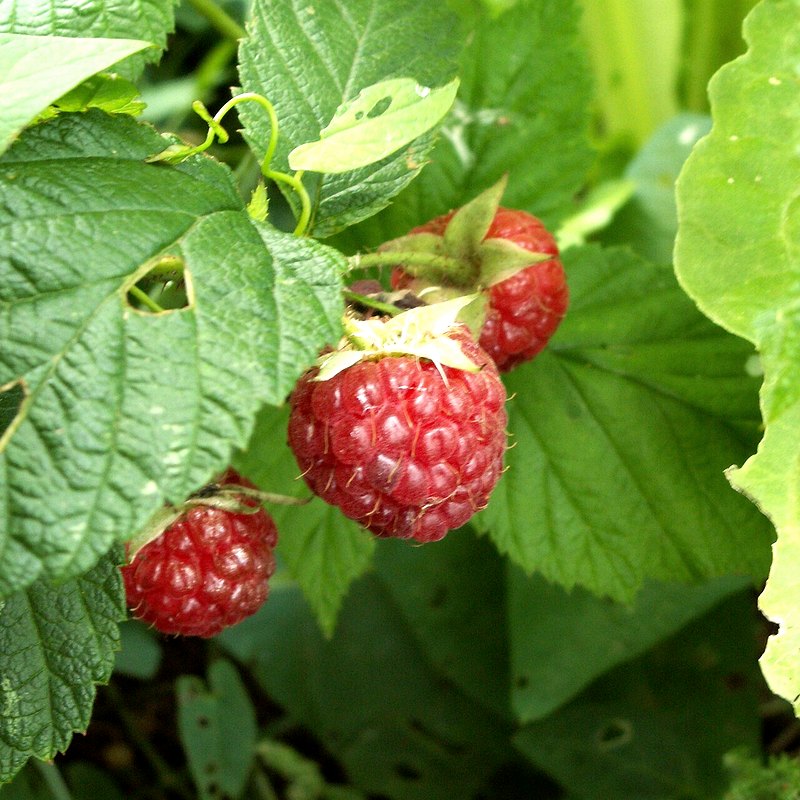
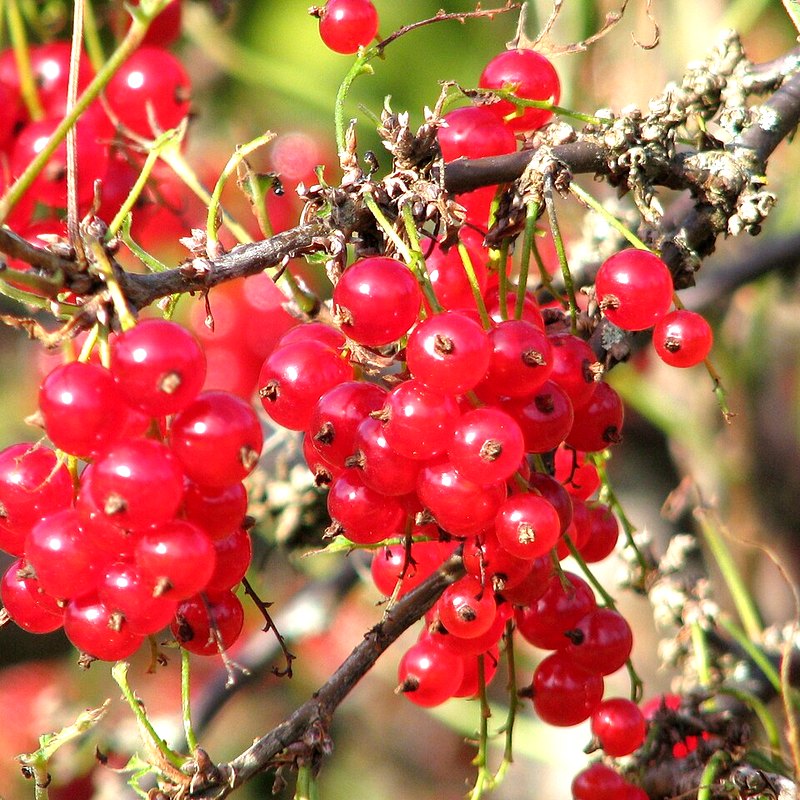
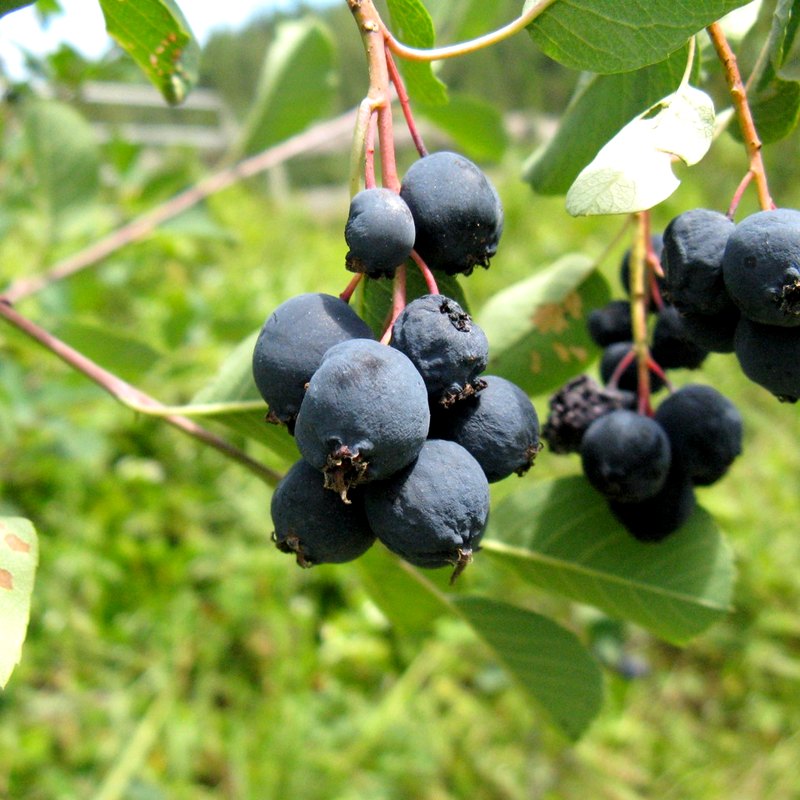
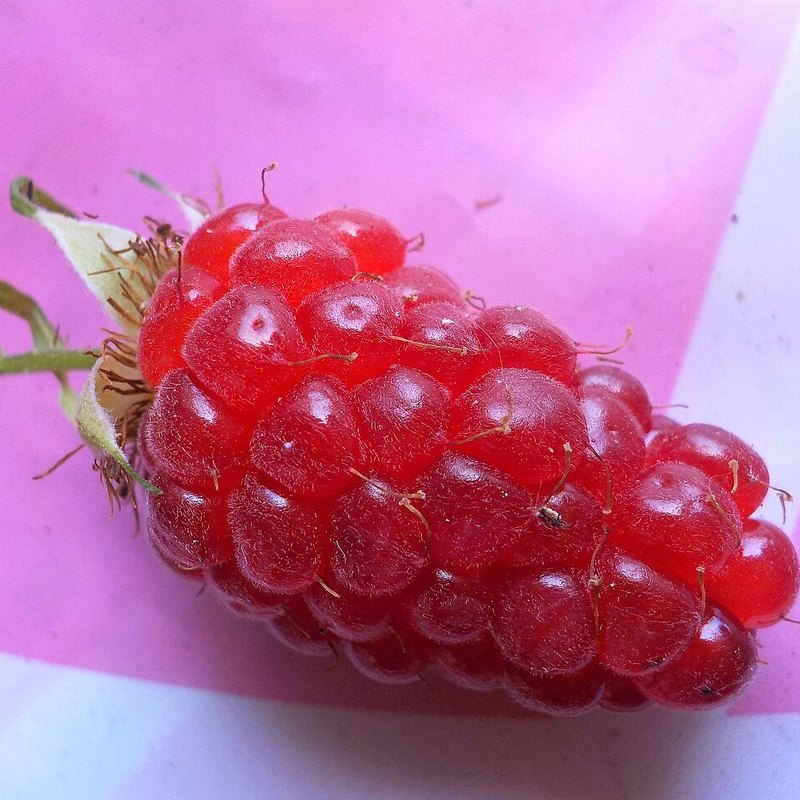
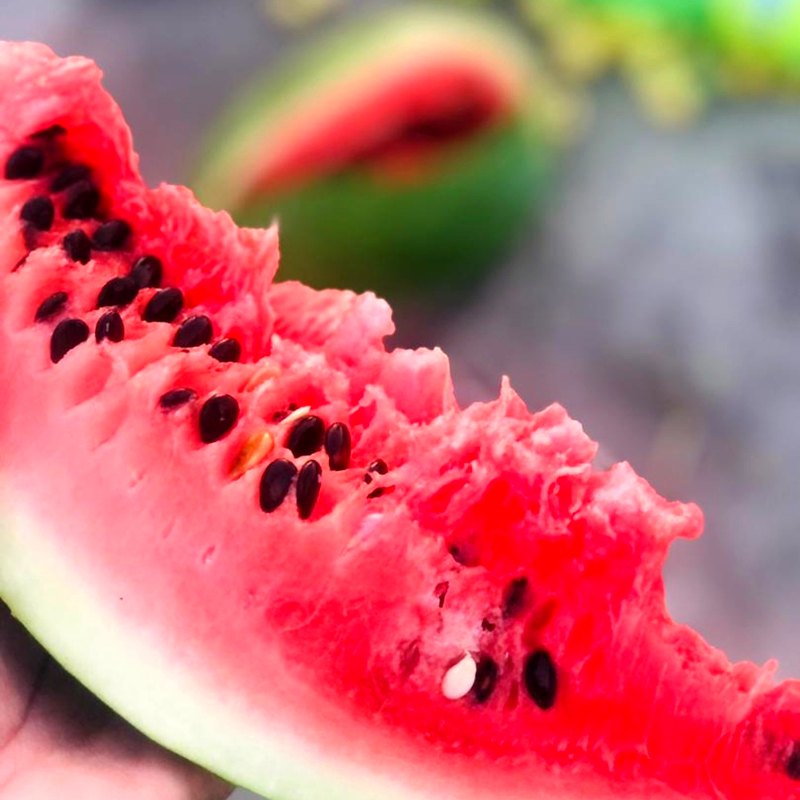
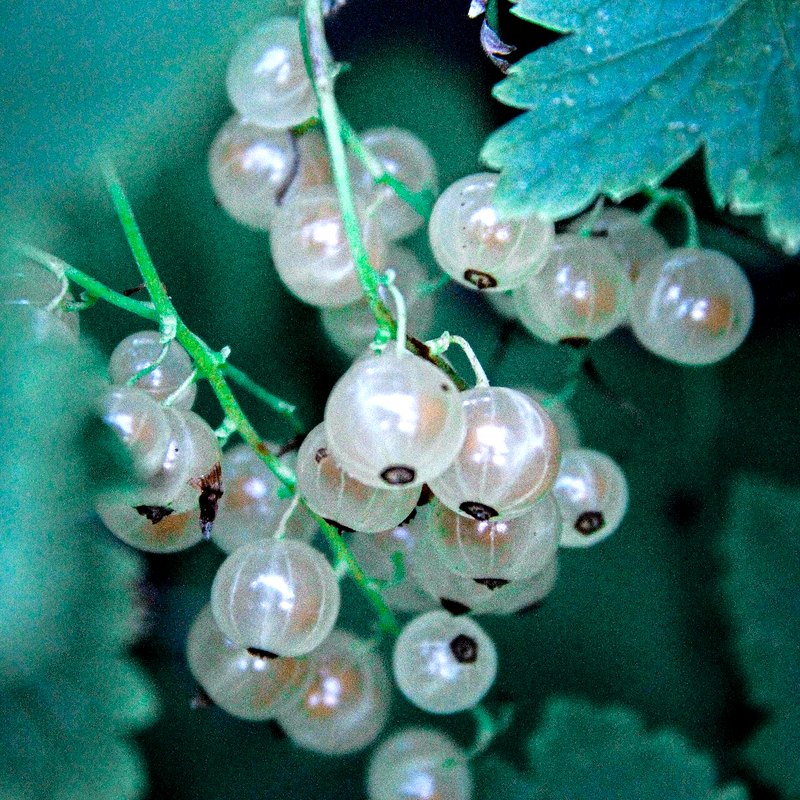
🍓 Fruit 13
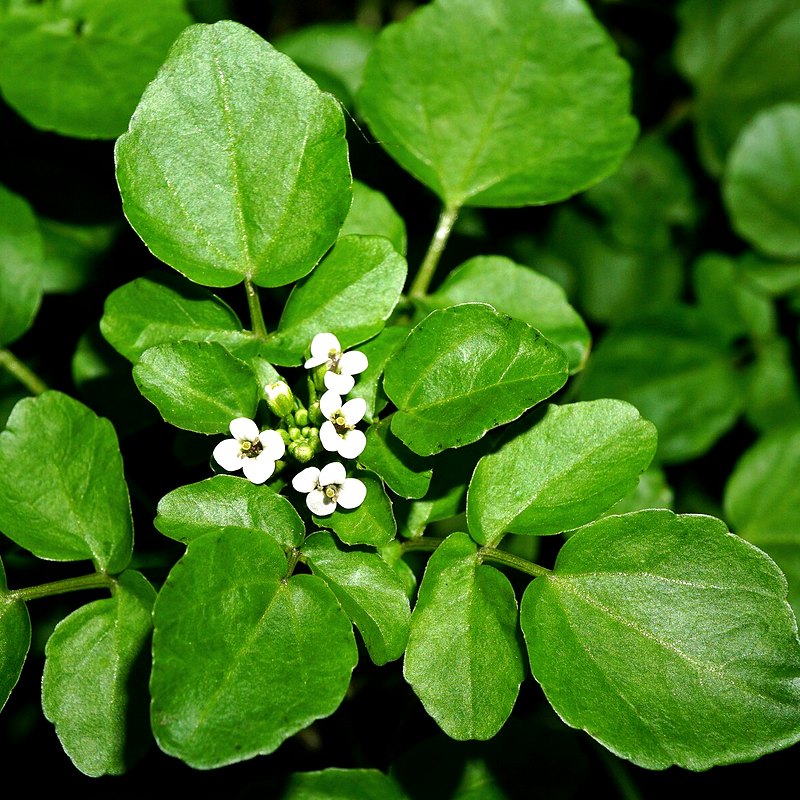
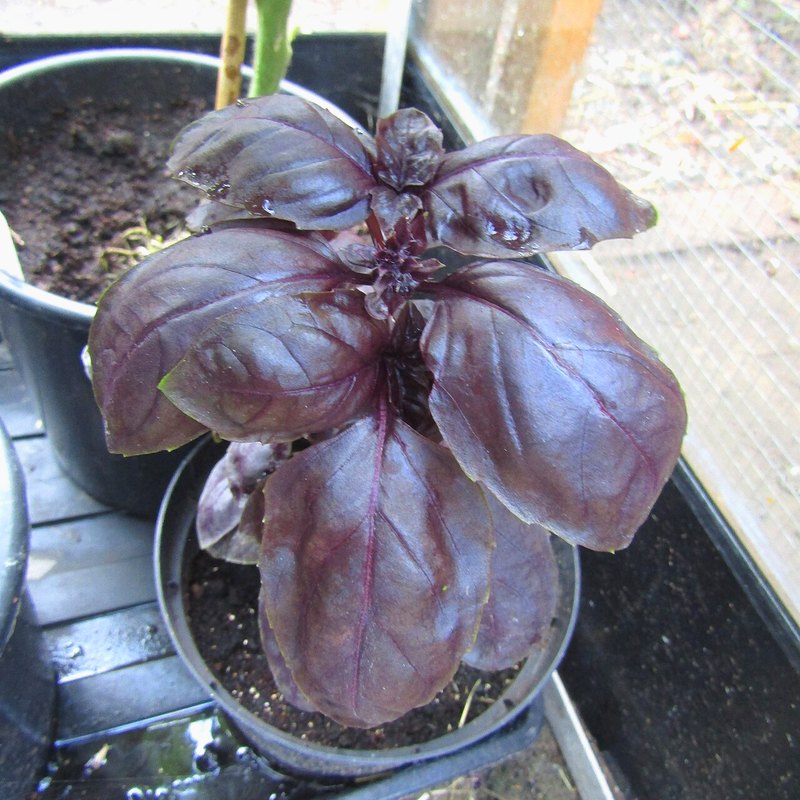
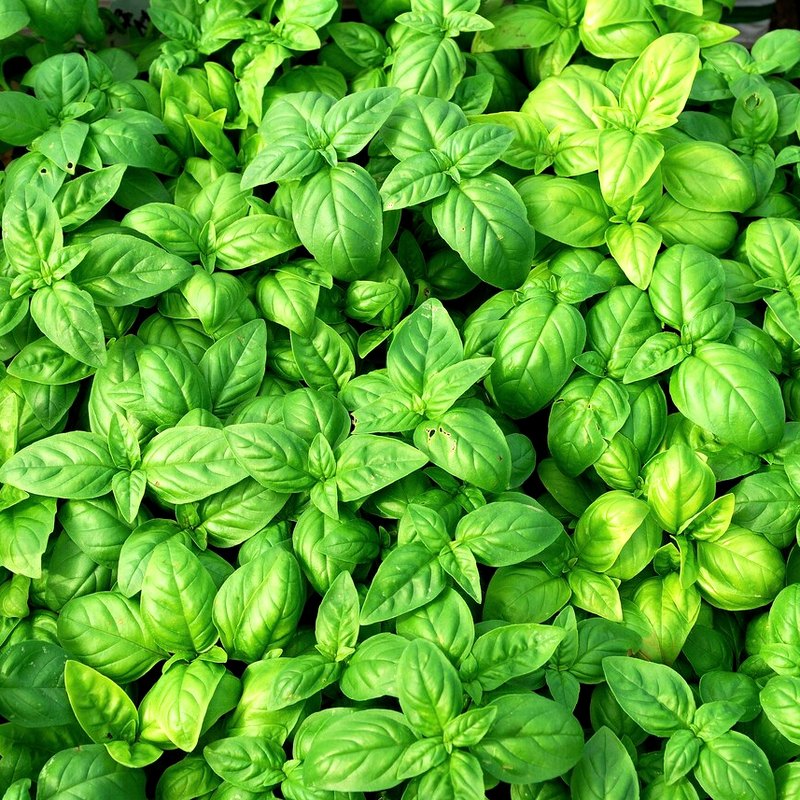
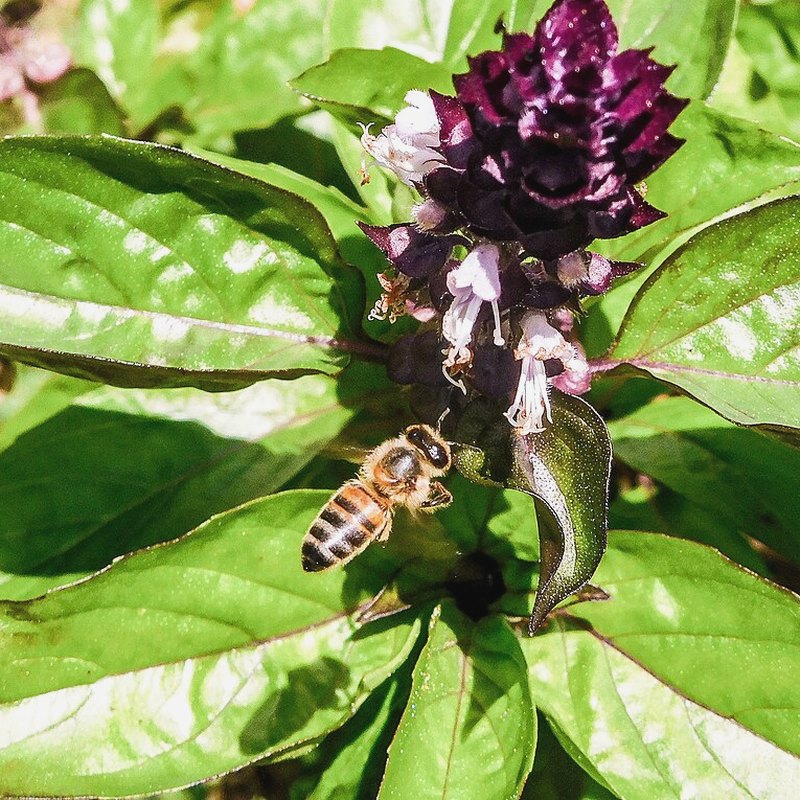
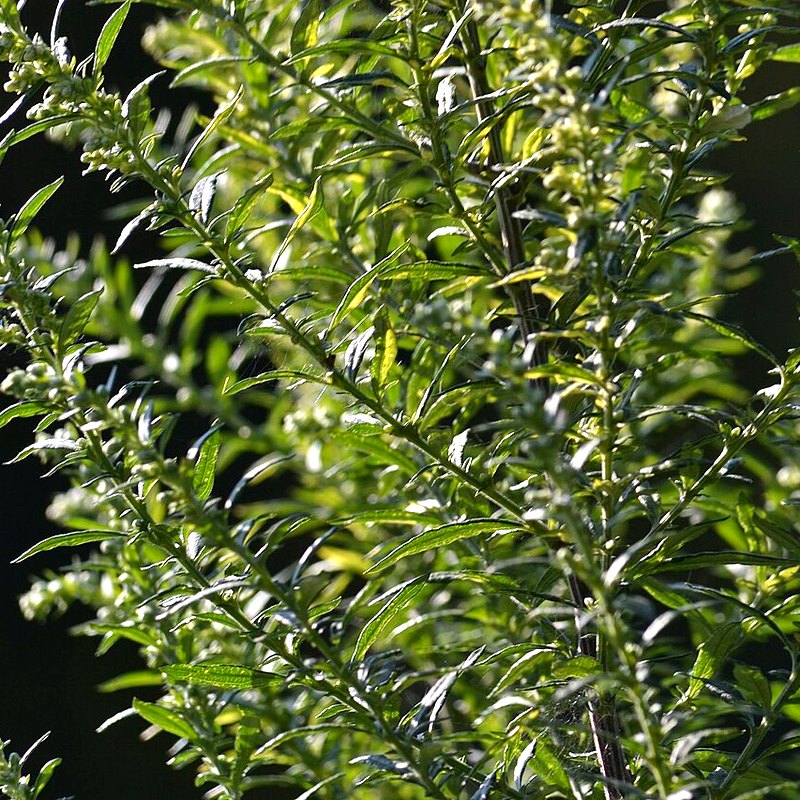
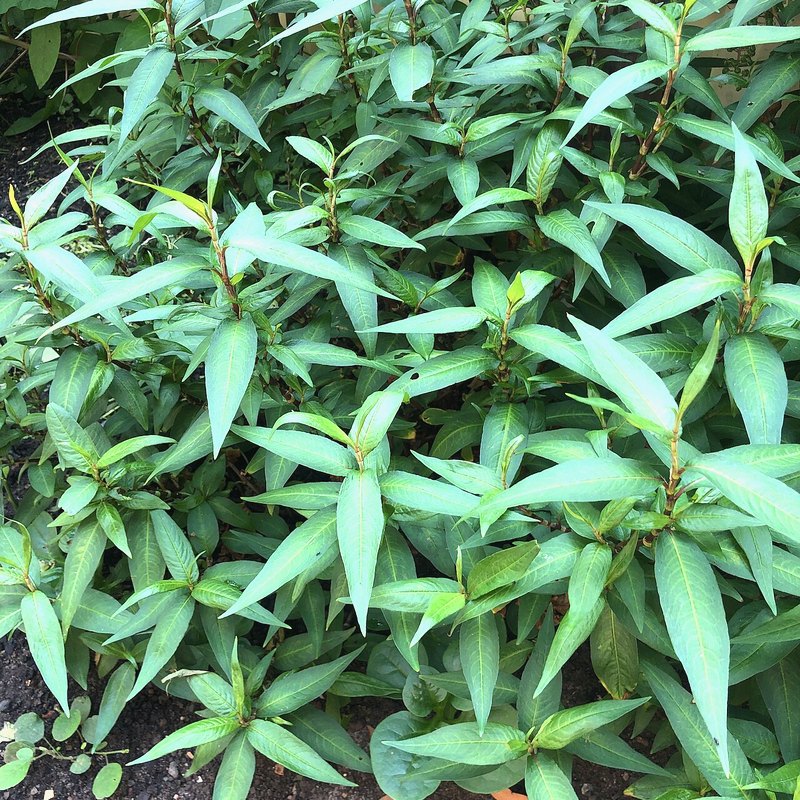
🌿 Herbs 30
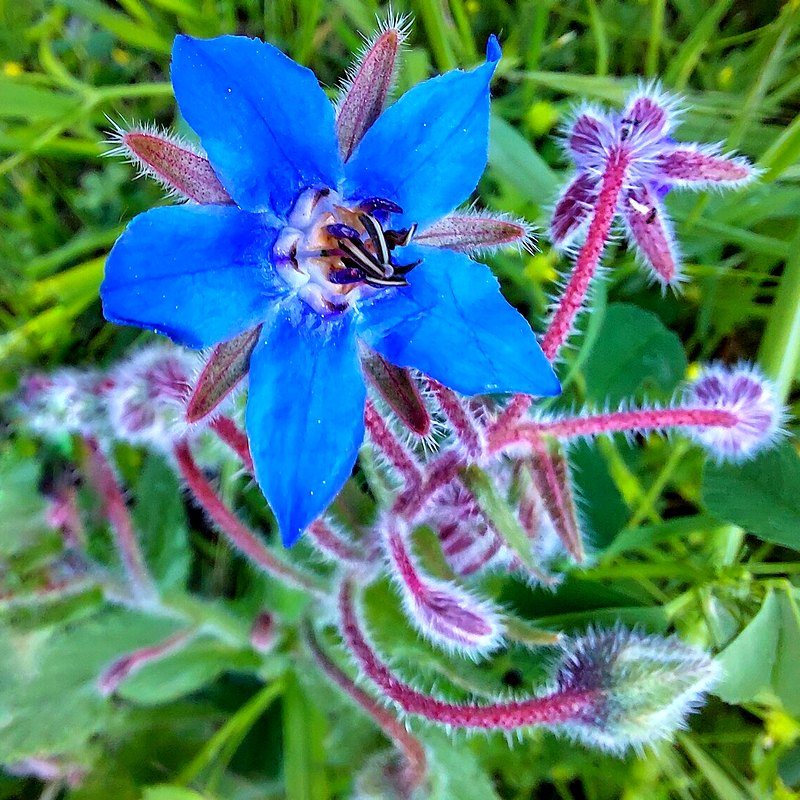
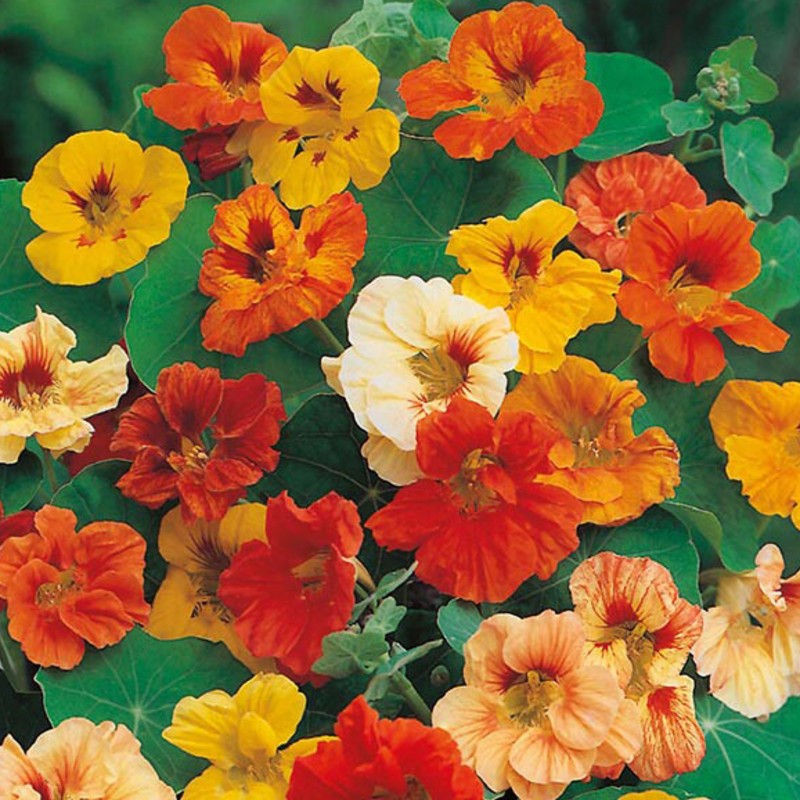
🌸 Flowers 1
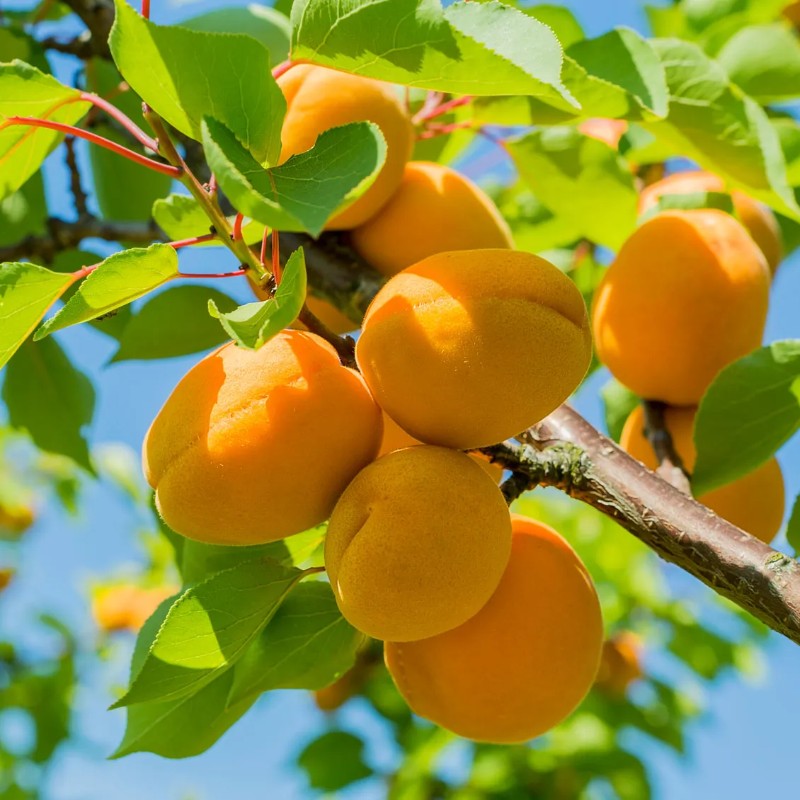
🌳 Trees 5
Jobs for established plants in July
- Let the Leaves Die BackAllium (Purple Sensation)
Leave the foliage for at least six weeks after flowering, until it yellows — don't knot or cut it. Then tidy it away.
- Summer PruningAlmond (Robijn)
Prune in summer, never in winter (silver leaf): remove dead, crossing and crowded branches.
- Summer Watering (Dry Spells)Apple (Bramley's Seedling)
Ensure the tree receives adequate water during prolonged dry periods, especially when fruit is developing.
- Summer Pest & Disease CheckApple (Bramley's Seedling)
Continue to monitor for pests and diseases throughout the growing season.
- Thin the FruitApple (Cox's Orange Pippin)
After the natural June drop, thin to one or two apples per cluster, 10–15 cm apart, for bigger fruit.
- Thin the FruitApple (Discovery)
After the June drop, thin to one or two apples per cluster, 10–15 cm apart, for bigger fruit.
- Pest & Disease Check (Summer)Apple (Golden Delicious)
Continue regular inspections for pests and diseases as fruit develops.
- Thin the FruitApple (James Grieve)
After the June drop, thin to one or two apples per cluster, 10–15 cm apart, for bigger fruit.
- Keep MoistAstilbe
Water deeply in dry weather — astilbes scorch and brown when dry.
- Trim After FloweringAstrantia (Masterwort)
Cut back the first flush of flowers and leaves to encourage a second flush.
- Clip to ShapeBay Tree
Trim with secateurs (not shears) to keep a neat shape; dry the clippings for cooking.
- TrimBerberis (thunbergii Atropurpurea)
Trim hedges after flowering; wear thick gloves.
- Cut Back Yellow LeavesBleeding Heart
Once the leaves yellow in summer, cut them down to the ground.
- Check for Scale InsectsCalamondin Orange
Look under leaves for brown scale and sticky honeydew; wipe off with soapy water.
- Let the Leaves Die BackCamassia
Leave the foliage for at least six weeks after flowering, until it yellows — don't knot or cut it. Then tidy it away.
- Trim After FloweringCatmint (Walker's Low)
Shear the whole plant back by half after the first flush for a second round of flowers.
- Cut BackCatnip
After the first flowers, cut stems back by half for fresh leaves and a second flush.
- DeadheadCoreopsis (Early Sunrise)
Snip off faded flowers to keep it blooming; it is short-lived, so leave a few seed heads late in the season.
- Summer Watering Check (July)Crab Apple (Red Sentinel)
Continue to monitor soil moisture and water deeply during prolonged dry spells.
- Summer Pest/Disease CheckCrab Apple (Red Sentinel)
Continue to monitor for pests and diseases, particularly during warm, humid weather.
- Keep Wet in SummerCranberry (Pilgrim)
Never let the compost dry out; water with rainwater.
- Summer PruningDamson (Merryweather)
Prune damsons in summer, never in winter: cuts made while dormant let in silver leaf disease. Remove dead, diseased or crossing branches and keep an open centre.
- Summer WateringDamson (Merryweather)
Water deeply during dry periods, especially from fruit set until harvest. Young trees need more frequent watering to establish.
- Cut Back for a Second FlushDelphinium (Pacific Giant)
Cut flowered spikes to the ground and feed; smaller spikes often follow in late summer.
- Cut Out Flowered StemsEuphorbia (characias wulfenii)
Wearing gloves and glasses, cut each flowered stem right to the base; new stems will flower next year.
- Monitor Summer WateringFig (Brown Turkey)
Water deeply and regularly during dry spells, especially when fruit is developing.
- Summer Pest/Disease CheckFig (Brown Turkey)
Continue to monitor for pests and diseases during the growing season.
- Summer TrimFirethorn (Pyracantha)
Shorten new shoots just beyond the developing berry clusters so the fruit shows. Wear thick gloves.
- Summer Pruning (Only If Needed)Flowering Cherry (Amanogawa)
Prunus are pruned in summer, never in winter (silver leaf). Just remove dead or crossing branches.
- DeadheadGeranium (Zonal Pelargonium)
Snap off whole spent flower stalks at the base.
- DeadheadGeum (Totally Tangerine)
Cut faded flower stems back to the base to keep new ones coming.
- Summer PruneGooseberry (Invicta)
Shorten this year's side shoots to five leaves.
- Thin the BunchesGrape Vine (Phoenix)
Remove some bunches so there is one per 30 cm of rod, and snip out small grapes inside each bunch.
- Summer Pruning (Plums)Greengage (Cambridge Gage)
Prune plum trees in summer to maintain shape, improve light penetration, and reduce risk of Silver Leaf disease.
- Watering in Dry SpellsGreengage (Cambridge Gage)
Ensure adequate watering during prolonged dry periods, especially when fruit is developing.
- Midsummer Trim (Optional)Hardy Geranium (Rozanne)
If it sprawls, cut it back by half in midsummer; it regrows and flowers again in weeks.
- Light PruneHoneyberry (Haskap)
After fruiting, remove a few of the oldest, weakest stems.
- Water in Dry SpellsHydrangea (Mophead)
Hydrangeas wilt quickly in heat — water deeply at the base.
- Water in Hot WeatherJapanese Maple
Leaf edges crisp if roots dry out. Water deeply in heat and dry spells.
- Summer PruneKiwi (Issai)
Pinch out the tips of fruiting shoots at 5–6 leaves beyond the last flowers.
- DeadheadKnautia (macedonica)
Cut faded stems to keep it flowering.
- Check for Scale InsectsKumquat (Nagami)
Look under leaves for brown scale and sticky honeydew; wipe off with soapy water.
- Trim After FloweringLavender (French, Lavandula stoechas)
Shear off the faded flower heads and a little leafy growth for a second flush. Never cut into bare wood.
- Check for Scale InsectsLemon (Meyer)
Look under leaves for brown scale and sticky honeydew. Wipe off with soapy water.
- Check for Scale InsectsLimequat
Look under leaves for brown scale and sticky honeydew; wipe off with soapy water.
- Cut Back After FloweringMint (Spearmint)
Cut stems to 5 cm after flowering for a fresh crop of tender leaves.
- PruneMock Orange (Philadelphus)
After flowering, cut flowered stems back to young shoots and remove a quarter of the oldest stems at the base.
- PruneNinebark (Physocarpus)
After flowering, cut a few of the oldest stems to the base to keep it young and colourful.
- Water During Dry SpellsOlive
Ensure consistent moisture, especially for potted trees or during prolonged dry periods. Deep watering is key.
- Check for Scale InsectsOrange (Sweet, Pot-Grown)
Look under leaves for brown scale and sticky honeydew; wipe off with soapy water.
- Summer Pest & Disease CheckPeach (Peregrine)
Continue monitoring for pests (e.g., fruit fly, earwigs) and diseases.
- Summer Pruning (Optional)Pear (Concorde)
Lightly prune in summer to remove water sprouts, vigorous upright growth, or to maintain shape. Avoid heavy pruning which can stimulate new growth susceptible to winter damage.
- Summer Pruning (Optional)Pear (Conference)
Light pruning in mid-summer to remove vigorous upright shoots (watershoots) and improve light penetration for fruit ripening.
- Summer Pruning & HarvestPeppermint
Regularly pick leaves for use. Cut back straggly or woody stems after flowering to promote fresh shoots.
- Trim After FloweringPerennial Wallflower (Bowles's Mauve)
Trim lightly after the main flush to keep it compact. It lives 3–5 years; take cuttings to replace it.
- Trim After First FlushPinks (Doris)
Shear off faded flowers to encourage more.
- Summer Pruning (Optional)Plum (Victoria)
Lightly prune in summer to restrict growth, remove unwanted shoots, or improve light penetration to ripening fruit. Avoid heavy pruning.
- Monitor & Water in Dry SpellsQuince (Meech's Prolific)
Ensure the tree receives adequate water, especially during prolonged dry periods in summer and when fruits are developing.
- Deadhead and FeedRanunculus (Persian Buttercup)
Snap off faded flower heads (not the leaves) and give a high-potash feed to build up the bulb for next year.
- Summer PruneRedcurrant (Jonkheer van Tets)
Shorten this year's side shoots to five leaves to let sun in and build fruit buds.
- Stop PickingRhubarb (Timperley Early)
Stop picking in midsummer so the plant can build up for next year.
- Deadhead and Feed AgainRose (Climbing, New Dawn)
Snip off faded clusters and give a second rose feed for repeat flowers.
- DeadheadRose (English Shrub)
Snip spent flowers back to the first full leaf to keep new flowers coming until autumn.
- Deadhead and FeedRose (Floribunda, Bush)
Snip faded clusters back to the first full leaf and give a second rose feed for more flowers.
- Trim After FloweringSage (Common)
Shear off spent flower stems and tidy the shape.
- Cut Back for Second FlushSalvia (Caradonna)
When the first flowers fade, cut the stems back to the leafy base to get a second round of flowers.
- Deadhead RegularlyScabious (Butterfly Blue)
Snip off faded flowers to keep them coming until autumn.
- DeadheadShasta Daisy
Cut faded flowers back to a bud for more.
- Deal with RunnersStrawberry (Elsanta)
Pin a few runners into small pots for new plants; cut off the rest.
- Remove RunnersStrawberry (Mara des Bois)
Remove runners to keep energy going into fruit (or pot up a few for new plants).
- Pinch Out Flower StemsTarragon (French)
Remove flower stems to keep the leaves coming.
- Trim After FloweringThyme (Common)
Shear lightly after flowering to keep plants compact and leafy.
- Trim After FloweringThyme (Lemon)
Shear off faded flowers and a little leafy growth to keep it compact.
- DeadheadVeronica (Speedwell)
Cut faded spikes back to the leaves for more flowers.
- Summer PruneWhitecurrant (White Versailles)
Shorten this year's side shoots to five leaves.
- DeadheadYarrow
Cut faded flower heads back to a side shoot for more flowers.
Other months
What to sow in January, What to sow in February, What to sow in March, What to sow in April, What to sow in May, What to sow in June, What to sow in August, What to sow in September, What to sow in October, What to sow in November and What to sow in December.